

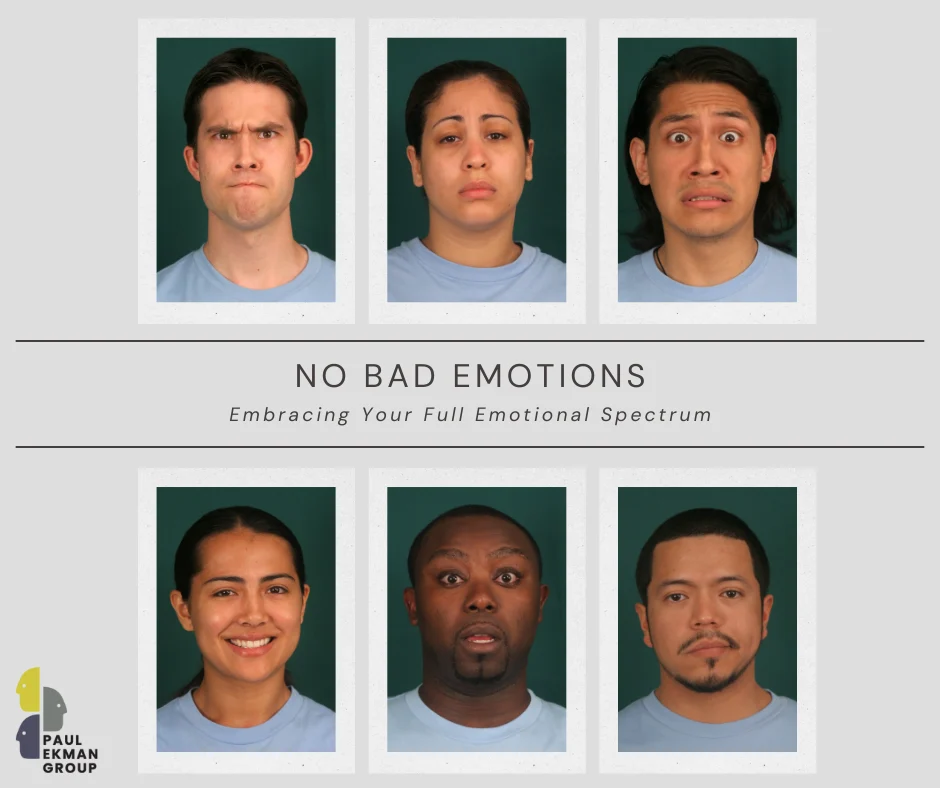
The human experience is a tapestry woven with a vast array of emotions, a spectrum that ranges from the incandescent joy of elation to the profound depths of sorrow. Yet, in our daily lives, we often fall into the trap of categorizing these vital internal signals as either "positive" or "negative." This binary classification, while seemingly intuitive, creates a false dichotomy that limits our understanding of ourselves and hinders our capacity for genuine emotional well-being. The prevailing notion that certain emotions are inherently "bad" and should be avoided overlooks a fundamental truth: there are no bad emotions. Each feeling, regardless of its perceived pleasantness or unpleasantness, serves as a critical piece of information, a biological and psychological signal designed to guide us through the complexities of life.
This perspective, championed by experts in emotional intelligence and psychology, suggests that rather than striving to eliminate so-called negative emotions, we should endeavor to understand their purpose and learn from the messages they convey. This shift in mindset is not merely philosophical; it has profound implications for personal growth, mental health, and interpersonal relationships. By embracing the full spectrum of our emotional landscape, we unlock a deeper capacity for resilience, empathy, and a more authentic connection with ourselves and the world around us.
The Evolutionary Purpose of All Emotions
The idea that emotions are merely arbitrary internal states is a misconception. Instead, scientific consensus points to their deep evolutionary roots. Emotions are not random occurrences; they are sophisticated survival mechanisms honed over millennia. From an evolutionary standpoint, every emotion, whether it elicits pleasure or pain, has played a crucial role in the survival and propagation of our species. These feelings act as internal compasses, alerting us to opportunities, threats, and the needs of our social connections.
Consider the emotion of frustration. Far from being a negative experience to be suppressed, frustration can be a powerful catalyst for change and personal development. When we feel frustrated, it often signifies that an obstacle stands between us and a desired goal, or that a deeply held value is being challenged. This feeling is not a sign of failure but an invitation to analyze the situation. By asking ourselves what specific goal is being blocked or what core belief is being threatened, we can transform frustration into a problem-solving opportunity. It prompts us to reassess our strategies, adapt our approaches, or even redefine our objectives. Without the signal of frustration, we might remain stuck in ineffective patterns, unable to progress.
Similarly, the experience of loneliness, while undeniably painful, serves a vital evolutionary purpose. It is a signal that our innate need for social connection is not being met. This discomfort can motivate us to reach out to others, strengthen existing relationships, or seek new connections. In a social species like humans, isolation can be detrimental to survival, and loneliness acts as a potent reminder of our interdependence. It is a call to action, urging us to nurture the social bonds that are essential for our well-being and resilience. To dismiss loneliness as simply "bad" is to ignore its crucial role in prompting us to seek the support and community we require.
Deconstructing the "Good" Versus "Bad" Emotion Paradigm
The tendency to label emotions as "good" or "bad" often stems from a desire for comfort and a fear of suffering. We are conditioned from a young age to seek out experiences that bring joy and avoid those that cause distress. However, this avoidance strategy can be counterproductive. When we consistently try to suppress or ignore emotions we deem "negative," we risk diminishing our overall emotional intelligence and resilience. This suppression can lead to a numbing of our emotional capacity, making it harder to fully appreciate the positive emotions when they arise.
The act of avoiding difficult emotions can also create a cycle of internal conflict. Instead of processing the emotion and learning from it, we expend energy trying to push it away, which can paradoxically intensify its presence. Research in affective neuroscience indicates that attempting to suppress emotions can lead to heightened physiological arousal and increased rumination. For instance, studies on emotion regulation published in journals like Emotion have shown that individuals who frequently engage in expressive suppression often report higher levels of stress and lower levels of subjective well-being.
Conversely, when we adopt a stance of curiosity and investigation towards all our emotions, we gain invaluable insights. By examining our emotional patterns, identifying their triggers, and understanding our typical reactions, we develop a profound clarity about our inner world. This process allows us to move beyond simply experiencing an emotion to understanding its origins and its potential implications. It empowers us to choose a wise and constructive response, rather than an impulsive or reactive one. This mindful approach to emotions is a cornerstone of emotional intelligence.
The Value of the Full Emotional Spectrum
It is natural and indeed desirable to seek out and savor emotions that are perceived as pleasant, such as contentment, gratitude, joy, and awe. These positive states are associated with increased life satisfaction, better physical health, and stronger social connections. For example, research published in the Journal of Personality and Social Psychology has linked greater experience of positive emotions to enhanced coping abilities and longevity. These enjoyable emotions reinforce our sense of well-being and connection, contributing to a flourishing life.
However, the richness of a truly healthy emotional life lies in its diversity. The contrast between experiencing sorrow and joy, fear and relief, anger and contentment is what allows us to perceive depth and nuance in our lives. Imagine a world devoid of sadness; the experience of joy would lose its profound significance. It is the interplay of these seemingly opposite emotions that provides the context for our deepest experiences, fostering empathy and resilience.
The ability to recognize and regulate emotions, rather than repress or reject them, is one of the most empowering skills an individual can cultivate. This process does not mean becoming a passive observer of one’s feelings, nor does it imply an endorsement of destructive emotional behavior. Instead, it involves developing the capacity to acknowledge an emotion’s presence, understand its message, and then choose a response that is constructive and aligned with one’s values. This is the essence of mindful emotional regulation.
Historical Context and Shifting Perspectives on Emotion
Historically, Western thought has often exhibited a dualistic view of emotions, with a particular bias against those deemed disruptive or uncomfortable. Philosophers and theologians have, at various times, advocated for the suppression of passions in favor of reason. This historical predisposition has influenced societal attitudes and individual beliefs about the nature of emotions. However, the 20th and 21st centuries have witnessed a significant shift in psychological and neurological understanding. The rise of fields like positive psychology, the study of emotional intelligence pioneered by researchers like Daniel Goleman, and advancements in neuroscience have all contributed to a more nuanced and integrated view of human emotions.
This evolving understanding suggests that emotions are not forces to be conquered but rather signals to be understood. The scientific community increasingly recognizes that the capacity to experience and process the full range of human emotions is not a weakness but a strength. This paradigm shift is reflected in therapeutic approaches, educational programs, and public discourse surrounding mental health.
Supporting Data and Implications
Research consistently demonstrates the benefits of emotional acceptance and regulation. A meta-analysis of studies on emotion regulation strategies, published in Clinical Psychology Review, found that cognitive reappraisal (reinterpreting the meaning of a situation to change its emotional impact) and expressive suppression (inhibiting outward emotional displays) have different outcomes. While suppression can be detrimental in the long run, reappraisal, which involves understanding and working with emotions, is associated with better mental health outcomes.
The implications of embracing the full emotional spectrum are far-reaching:
- Improved Mental Health: By accepting and understanding challenging emotions like anxiety or sadness, individuals are less likely to develop chronic mental health conditions. They can learn to navigate these feelings without succumbing to them.
- Enhanced Relationships: Emotional intelligence, which includes the ability to understand and manage one’s own emotions and those of others, is a key predictor of successful relationships. Accepting the full range of emotions in oneself fosters empathy and understanding for others.
- Increased Resilience: Individuals who can process difficult emotions are better equipped to bounce back from adversity. They view setbacks not as insurmountable obstacles but as opportunities for learning and growth.
- Greater Authenticity: By accepting all their emotions, individuals can live more authentically, expressing their true selves without fear of judgment or self-repression.
Official Responses and Expert Commentary
Leading organizations in mental health and psychology have increasingly emphasized the importance of emotional awareness and acceptance. The American Psychological Association, in its guidelines for mental health practitioners, often highlights the role of emotional processing in therapeutic interventions. Experts in the field, such as Dr. Kristin Neff, a pioneer in self-compassion research, advocate for treating oneself with kindness and understanding, particularly during times of emotional distress. This approach aligns directly with the principle that there are no "bad" emotions, only human experiences that require our attention and care.
Broader Impact and Future Directions
The societal implications of a widespread understanding that all emotions are valuable signals are profound. It could lead to a more compassionate and supportive society, where individuals are less stigmatized for experiencing emotions like grief, anger, or fear. Educational systems could incorporate curricula that teach emotional literacy from an early age, equipping future generations with the tools to navigate their inner worlds effectively.
In the professional sphere, workplaces that foster environments where employees feel safe to express and manage their emotions are likely to see increased productivity, creativity, and employee retention. The traditional emphasis on emotional stoicism in some professional settings may be gradually replaced by a recognition of the benefits of a well-regulated and emotionally intelligent workforce.
The ongoing research in neuroscience and psychology continues to shed light on the intricate mechanisms of emotion. Future studies will likely delve deeper into how specific emotions contribute to learning, decision-making, and social cognition, further solidifying the understanding that each emotional state, in its own way, is essential to the human condition.
Ultimately, the journey toward embracing our full emotional spectrum is a continuous one. It requires practice, self-awareness, and a willingness to challenge deeply ingrained beliefs about what it means to feel. By reframing our relationship with our emotions, we move from a place of avoidance and judgment to one of acceptance and wisdom, unlocking a richer, more resilient, and more authentic human experience. There are no bad emotions, only valuable signals waiting to be understood and integrated into a healthy, dynamic, and fulfilling emotional life.
