

A significant shift in digital content strategy is becoming increasingly apparent on YouTube, where the principles driving creator success are proving elusive for many brands. While brands often approach the platform with traditional advertising mindsets, creators have long leveraged a distinct approach that prioritizes authentic engagement, audience understanding, and native content integration. This divergence is not lost on YouTube itself, which is actively guiding brands toward adopting creator-centric methodologies to achieve tangible business outcomes.
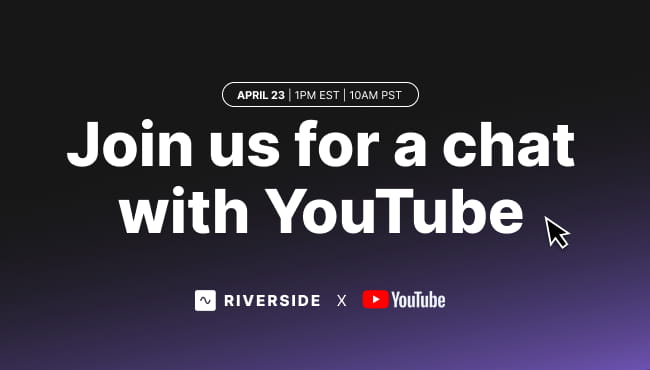
The platform’s recognition of this dynamic is underscored by an upcoming free webinar scheduled for April 23rd. This event will feature Chris Schremp, Managing Director of YouTube Content Partnerships & Partner Development, who will dissect the "YouTube playbook" that successful creators inherently understand. The webinar, hosted by Riverside, a prominent platform supporting numerous top podcasts and video shows, aims to equip brands with the insights necessary to harness creator-native content, interpret audience signals effectively, and optimize platform distribution for maximum impact. This initiative reflects YouTube’s commitment to fostering a more creator-aligned ecosystem, recognizing that the future of brand success on the platform lies in embracing the very strategies that have propelled individual creators to prominence.
The Creator Advantage: Authenticity and Audience Connection
The core of the creator advantage on YouTube lies in their inherent ability to connect with audiences on a more personal and authentic level. Unlike polished brand advertisements, creator content often feels organic, relatable, and built on a foundation of shared interests and genuine passion. This authenticity fosters deep engagement, leading to higher watch times, increased subscriber growth, and a more loyal community. Brands that attempt to replicate this by producing overly produced or corporate-feeling content often struggle to resonate, as their messaging can be perceived as disingenuous or purely promotional.
Creator-native content, in essence, means producing content that feels native to the platform and its users. This involves understanding the nuances of YouTube’s culture, trends, and audience expectations. It means embracing formats that encourage interaction, such as Q&A sessions, behind-the-scenes glimpses, collaborative projects, and content that directly addresses viewer feedback and requests. Creators thrive on building a dialogue with their audience, and this two-way communication is a critical element that brands often overlook.
Understanding Audience Signals: Data-Driven Engagement
Beyond authenticity, creators are adept at interpreting and responding to audience signals. This includes paying close attention to comments, likes, dislikes, watch history, and subscriber demographics. These data points are not merely metrics; they are direct indicators of what resonates with their audience, what sparks curiosity, and what prompts further engagement. Creators use this information to refine their content strategy, tailor their topics, and experiment with new formats, ensuring they remain relevant and captivating.
For brands, this translates to a more sophisticated approach to data analysis. Instead of focusing solely on vanity metrics like views or impressions, brands should delve deeper into audience retention, engagement rates, and sentiment analysis. Understanding why viewers watch, what they comment on, and how they interact with content provides invaluable insights for content creation and strategic planning. YouTube’s algorithms are designed to reward content that keeps users engaged, and creators have a natural instinct for fulfilling this requirement.
Platform Distribution: Maximizing Reach and Discoverability
The third pillar of the creator playbook is mastering platform distribution. Creators understand how to optimize their videos for discoverability through effective titles, descriptions, tags, and thumbnails. They also leverage YouTube’s various features, such as end screens, cards, and playlists, to guide viewers through their content and encourage further consumption. Furthermore, successful creators actively engage with the broader YouTube community, collaborating with other creators and participating in trending conversations to expand their reach.
Brands can learn from this by adopting a proactive approach to SEO on YouTube. This involves conducting keyword research relevant to their industry and target audience, crafting compelling meta-data, and designing eye-catching thumbnails that accurately represent the video content. Beyond on-platform optimization, brands should also consider cross-promotion strategies, sharing their YouTube content on other social media channels and their own websites to drive traffic and increase discoverability.
The Free Webinar: A Direct Line to YouTube’s Expertise
The forthcoming webinar on April 23rd presents a unique opportunity for brands to gain direct insights from YouTube’s own Content Partnerships team. Chris Schremp’s expertise in guiding creators and partners makes him an ideal resource for demystifying the platform’s inner workings. The format, a live Q&A, promises to be interactive, allowing brands to pose specific challenges and receive actionable advice tailored to their unique circumstances.
This initiative by YouTube highlights a strategic pivot. For years, the platform has benefited from the organic growth driven by creators. Now, it appears to be actively encouraging brands to adopt similar creator-centric strategies to unlock further growth and engagement. The emphasis on "creator-native content," "audience signals," and "platform distribution" directly mirrors the core competencies of successful YouTubers.
Background and Context: The Evolution of YouTube Marketing
YouTube’s journey from a video-sharing platform to a dominant force in digital marketing has been remarkable. Initially, brands primarily utilized the platform for traditional video advertising, placing pre-roll or mid-roll ads on popular videos. While this generated some reach, it often suffered from low engagement and high ad-blocker usage.

The rise of the creator economy, however, fundamentally altered the landscape. Individual creators, through their authentic voices and dedicated communities, demonstrated a far more effective way to capture audience attention and influence purchasing decisions. This led to the emergence of influencer marketing, where brands partnered with creators to promote their products or services.
However, the most successful brands on YouTube today are not just partnering with creators; they are increasingly thinking like creators. They are investing in in-house content creation teams that understand the nuances of YouTube storytelling, or they are collaborating with creators in deeper, more integrated ways that go beyond simple product placements. This webinar signifies YouTube’s formal acknowledgment and encouragement of this evolution.
Timeline of YouTube’s Brand Strategy Evolution:
- Early Days (Pre-2010): YouTube primarily as a platform for user-generated content and traditional video advertising. Brands focused on broad reach through pre-roll ads.
- The Rise of the Creator Economy (2010-2015): Emergence of individual creators gaining significant followings. Brands begin to explore influencer marketing and sponsored content.
- Creator-Centric Dominance (2015-Present): Creators become central figures in digital marketing. Brands increasingly adopt creator-like strategies for their own channels. YouTube invests in creator tools and monetization programs.
- Strategic Push for Brand Creator-Alignment (Present): YouTube actively promotes creator-native content and audience-centric strategies to brands, as evidenced by initiatives like the upcoming webinar.
Supporting Data and Analysis: The Power of Creator-Led Content
The impact of creator-led strategies on brand performance is increasingly evident in data. Studies consistently show that content created with a creator’s authentic voice and style often achieves significantly higher engagement rates than traditional brand advertising. For instance, Nielsen Catalina Solutions has reported that sponsored content featuring creators can lead to a substantial uplift in purchase intent and brand recall.
Furthermore, YouTube’s own internal data suggests a strong correlation between creator-style content and increased viewer retention. Videos that feel more conversational, engaging, and less overtly promotional tend to keep viewers watching for longer periods, which is a key metric for YouTube’s algorithm and overall platform health. This sustained attention translates into more opportunities for brands to communicate their message organically within the context of engaging content.

The implications of this trend are far-reaching. Brands that fail to adapt to this creator-centric paradigm risk becoming increasingly irrelevant on the platform. They may find their advertising budgets yielding diminishing returns, while competitors who embrace authenticity and audience engagement capture a larger share of consumer attention and loyalty. The webinar serves as a critical call to action, urging brands to re-evaluate their YouTube strategies and adopt the proven methodologies of successful creators.
Broader Impact and Implications: A New Era of Brand Storytelling
The shift towards a creator-centric approach on YouTube signifies a broader transformation in how brands connect with consumers in the digital age. It underscores the decline of interruptive advertising and the ascendance of content that entertains, educates, and inspires. Brands that successfully integrate this ethos into their strategy will not only see improved performance on YouTube but will also cultivate a more authentic and resonant brand identity across all digital touchpoints.
The hosting of the webinar by Riverside further emphasizes the interconnectedness of the digital content ecosystem. Riverside’s expertise in facilitating high-quality audio and video production for creators and brands alike positions them as a key enabler of this evolving landscape. Their involvement suggests a holistic approach to empowering content creators, whether they are individuals building their own channels or brands seeking to emulate their success.
In conclusion, the "YouTube playbook" that creators have naturally mastered is no longer a secret. It is a set of principles rooted in authenticity, audience understanding, and platform fluency. As YouTube continues to evolve, brands that are willing to embrace these principles, as advocated in initiatives like the upcoming webinar, will be best positioned to thrive in the dynamic world of digital video content. The era of purely promotional content is waning, making way for a more engaging, creator-informed approach to brand storytelling on the world’s largest video platform.
