

In the critical landscape of early childhood development, particularly concerning communication milestones, picture books have emerged as foundational resources within early intervention speech therapy. These seemingly simple literary tools are far more than mere entertainment; they are meticulously selected and strategically utilized by Speech-Language Pathologists (SLPs) to foster language acquisition, refine communication skills, and create an engaging, developmentally appropriate learning experience for young children experiencing delays. This comprehensive approach underscores a proactive philosophy, aiming to address speech and language challenges during the most malleable stages of brain development, thereby maximizing a child’s potential for effective communication and overall cognitive growth.
Understanding Early Intervention Speech Therapy: A Critical Window

Early intervention in speech therapy represents a targeted, proactive strategy to identify and address speech and language difficulties in young children as soon as they become apparent. This specialized field primarily serves children from birth through approximately three years of age, a period recognized by neurodevelopmental experts as a critical window for language acquisition and brain plasticity. During these formative years, children’s brains are exceptionally receptive to new information and experiences, making timely intervention profoundly impactful. SLPs collaborate closely with infants and toddlers, and crucially, their families, to mitigate the effects of speech and language delays or disorders. The overarching goal is to equip children with robust communication skills, laying a solid foundation for their future academic, social, and emotional success.
The significance of early intervention is underscored by research indicating that delays identified and treated promptly lead to significantly better long-term outcomes. Untreated language delays in early childhood can correlate with later difficulties in reading, writing, academic performance, and social interactions. According to data from the Centers for Disease Control and Prevention (CDC), approximately one in five children in the U.S. has a developmental delay or disability, with speech and language delays being among the most common. Recognizing these challenges at a nascent age allows speech therapists to implement highly targeted strategies, integrated into daily routines, to address specific needs, thereby enhancing a child’s communication abilities and overall developmental trajectory.
The Foundational Role of Language Development
Language is not merely a tool for communication; it is a fundamental pillar supporting cognitive development, social-emotional understanding, and even executive functions. From the earliest babbling to the formation of complex sentences, a child’s linguistic journey shapes their ability to understand the world, express their needs and desires, form relationships, and eventually engage with formal education. Delays in language development can manifest in various ways, including limited vocabulary, difficulty forming sentences, challenges in understanding spoken language, or issues with articulation. These difficulties can create barriers to learning and social interaction, potentially leading to frustration for the child and their caregivers.
The "word gap," a phenomenon where children from different socioeconomic backgrounds demonstrate significant disparities in vocabulary exposure by age three, highlights the critical importance of early and rich language environments. Picture books serve as a powerful equalizer and accelerant in this context, providing structured opportunities for language input and interaction that might otherwise be less frequent. They create a shared experience that encourages joint attention, a key precursor to language development, and facilitate the natural give-and-take of conversation, even before a child can verbally respond with words.
Picture Books: A Multidimensional Therapeutic Tool
The strategic incorporation of picture books into speech therapy sessions offers a wealth of benefits that extend beyond simple vocabulary expansion. These benefits are multifaceted, targeting various domains of language and cognitive development:
- Promoting Language and Vocabulary Development: Picture books immerse children in a rich tapestry of words, exposing them to new lexicon and reinforcing familiar concepts. Through repeated readings and guided discussions, SLPs can introduce new vocabulary in context, explain abstract ideas with visual aids, and encourage expressive language skills by prompting children to name objects, actions, and describe scenes. The visual cues in picture books are particularly vital for young learners, bridging the gap between spoken words and their corresponding meanings. Studies show that children exposed to more books early on develop stronger vocabularies and pre-literacy skills.
- Enhancing Storytelling and Narrative Skills: Engaging with narratives in books is crucial for cultivating storytelling abilities and developing narrative skills. As children follow the plot, track characters, and understand sequences of events, they implicitly learn about story structure, cause-and-effect relationships, and the logical progression of ideas. These foundational narrative skills are not only essential for effective communication but also form the bedrock for reading comprehension and academic success later in life. SLPs can guide children to retell stories, predict outcomes, and discuss character motivations, thereby strengthening their ability to construct coherent narratives.
- Stimulating Imagination and Creativity: Books are gateways to imaginative worlds, fostering creativity and critical thinking. They encourage children to visualize settings, characters, and events, promoting expressive language as they describe what they see, feel, and imagine. This process of visualization and description enhances descriptive language skills, allowing children to articulate more complex thoughts and ideas. Furthermore, engaging with imaginative scenarios can help children develop problem-solving skills and emotional understanding by identifying with characters’ experiences.
- Developing Social-Emotional Skills: Many picture books explore themes of friendship, emotions, problem-solving, and social interactions. Through characters and their experiences, children learn to identify and label emotions, understand social cues, and develop empathy. SLPs can use these stories to initiate discussions about feelings, appropriate social behaviors, and conflict resolution, thereby fostering crucial social-emotional intelligence alongside language development.
- Supporting Phonological Awareness: Repetitive rhymes, alliteration, and rhythmic language common in many picture books naturally enhance phonological awareness – the ability to recognize and manipulate the sounds of language. This skill is a strong predictor of future reading success. By emphasizing these auditory patterns, SLPs can help children tune into the sounds within words, a critical step for speech sound development and emergent literacy.
Strategic Selection: Tailoring Books to Therapeutic Goals
The efficacy of picture books in early intervention speech therapy hinges on thoughtful selection. SLPs carefully choose books based on a child’s developmental stage, specific language goals, and individual interests. The article highlights three key categories of books particularly well-suited for this age group:
1. Interactive Books:
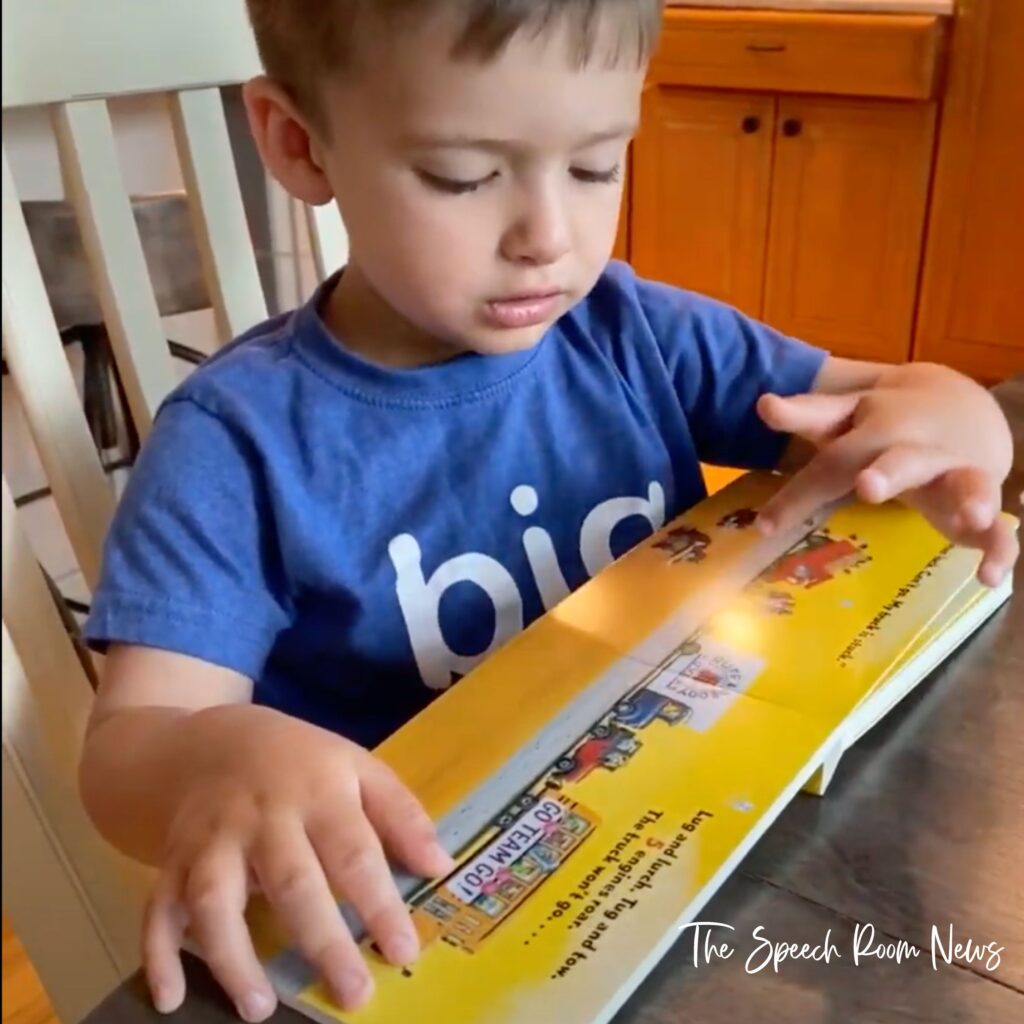
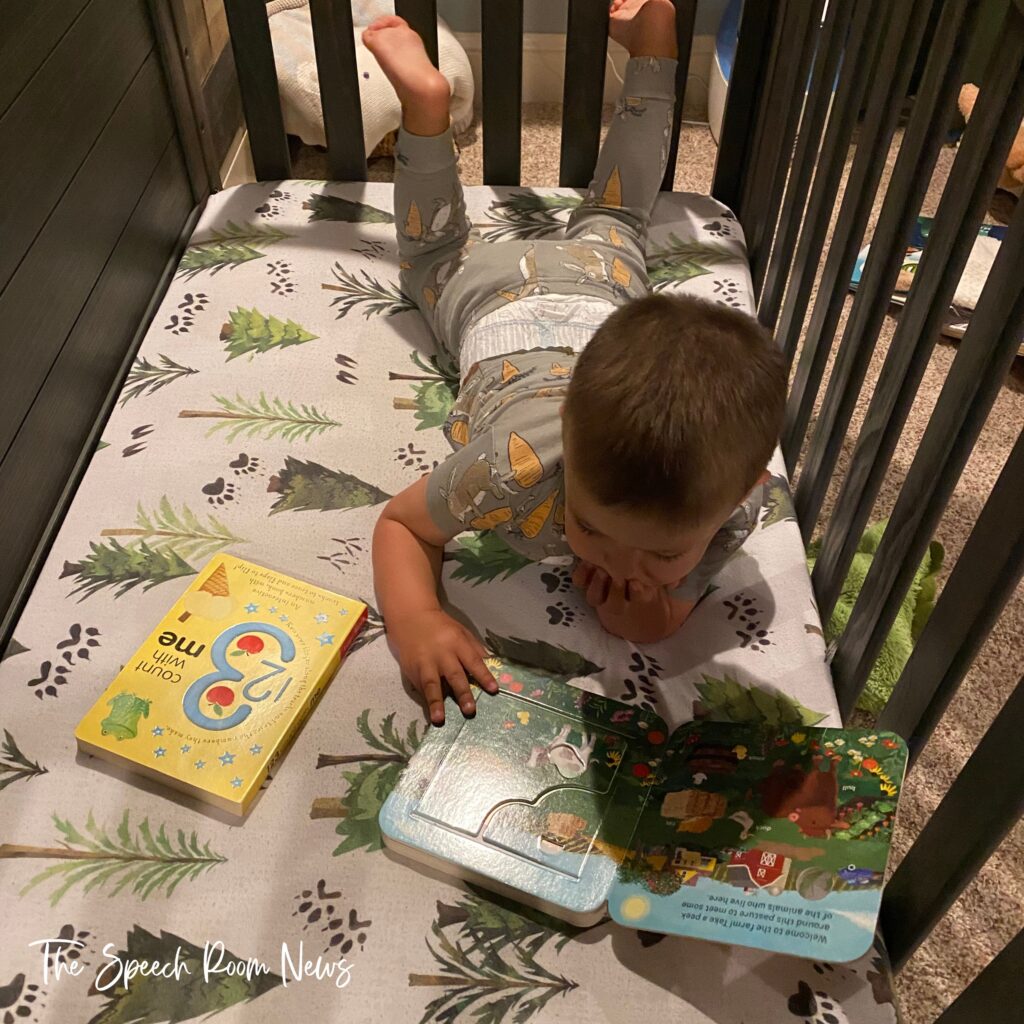
Interactive books are designed to engage children through tactile elements, lift-the-flaps, textures, and sounds. These features are invaluable for capturing and maintaining the attention of young children, who may have shorter attention spans or be less motivated by passive listening.
- Benefits:
- Increased Attention and Engagement: The sensory nature of these books naturally draws children in, providing a multisensory learning experience that is often more effective than purely auditory input.
- Vocabulary Development through Exploration: As children manipulate elements, they encounter new objects, animals, or actions, providing natural opportunities for SLPs to label and describe. For example, a "peek-a-boo" flap book can be used to practice "open," "close," "where’s the…?", and "there it is!"
- Encouraging Requesting and Turn-Taking: The interactive elements provide clear prompts for requesting (e.g., "open," "push," "more") and can be used to model and practice turn-taking skills during shared reading.
- Developing Fine Motor Skills: Manipulating flaps, sliders, or textures also contributes to the development of fine motor skills, which are often co-developing with speech and language.
2. Durable Books:
Durable books, often made of sturdy cardboard or fabric, are essential for early intervention because they can withstand the rigorous handling typical of infants and toddlers. This resilience ensures that the books remain intact for repeated use and exploration.
- Benefits:
- Longevity and Repeated Exposure: Their robust construction means they can be used over and over again, facilitating the repetition crucial for language learning. Repeated exposure to the same book allows children to internalize vocabulary, story sequences, and grammatical structures.
- Independence and Exploration: Children can handle these books independently without fear of damage, promoting self-directed exploration and fostering a positive relationship with books from a young age.
- Safety and Hygiene: Many durable books are also washable, which is a practical consideration in a therapy or home environment with young children.
- Focus on Content, Not Preservation: Therapists and parents can focus on the communicative interaction rather than worrying about the book being torn or damaged.
3. Board Books:
Board books are a cornerstone of early childhood literacy for their sturdy construction, but their unique features also make them exceptional tools for speech therapy.
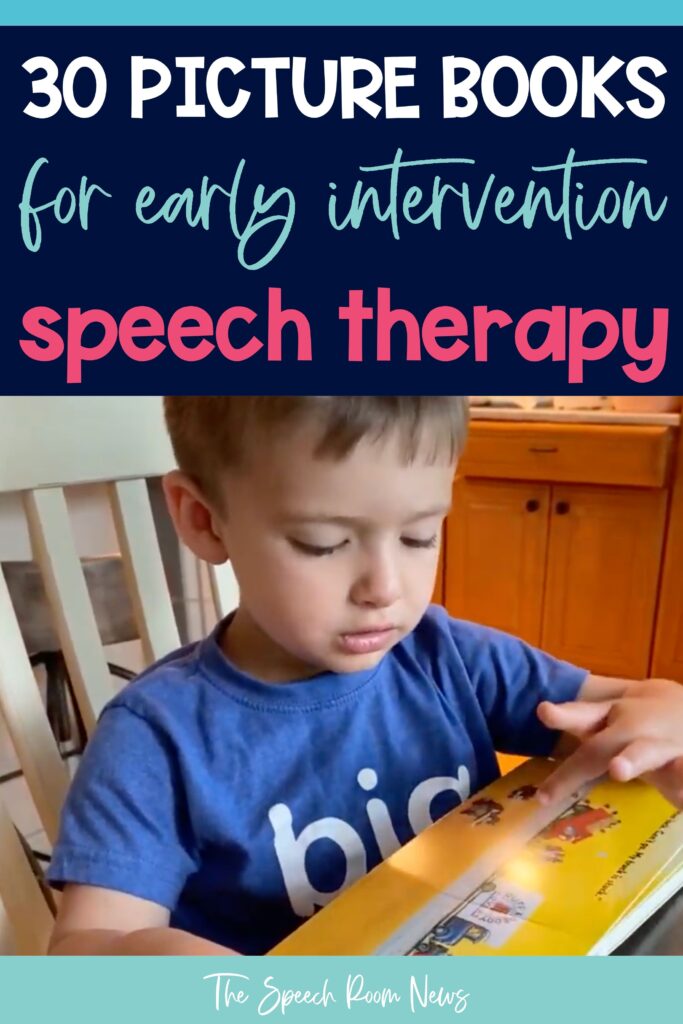
- Benefits:
- Sturdy Construction: Similar to durable books, their thick pages are ideal for small hands, resisting tears and bends, making them suitable for repeated, active use.
- Repetitive Text and Predictable Patterns: Many board books feature highly repetitive text, simple sentence structures, and predictable narratives. This predictability helps children anticipate words, fill in blanks, and learn new vocabulary with greater ease. Repetition is a powerful learning mechanism for language acquisition.
- Engaging Pictures: Board books are typically rich with vibrant, clear illustrations that directly support the text. These visuals are crucial for children who are still developing their auditory processing skills, providing concrete referents for new words and concepts.
- Potential for Incorporating Songs and Rhymes: Many board books are designed to be sung or read rhythmically, which naturally enhances phonological awareness, memory, and engagement. Singing incorporates prosody (intonation, rhythm, stress) which is a vital component of spoken language.
- Targeting Core Vocabulary: Often, board books focus on high-frequency, core vocabulary related to daily routines, objects, and actions (e.g., "up," "down," "eat," "sleep," "mommy," "daddy"), making them excellent for building a child’s foundational lexicon.
The Speech-Language Pathologist’s Expertise
The role of the Speech-Language Pathologist extends far beyond simply reading a book aloud. SLPs are trained experts in language development, communication disorders, and therapeutic techniques. They possess the nuanced understanding required to:
- Assess Individual Needs: Identify specific speech and language goals for each child, such as increasing single-word vocabulary, developing two-word phrases, improving articulation of certain sounds, or enhancing comprehension of basic concepts.
- Select Appropriate Books: Choose books that align perfectly with those individualized goals, considering factors like text complexity, visual support, interactive features, and thematic content.
- Implement Targeted Strategies: Utilize specific techniques during shared reading, such as modeling target words, expanding on a child’s utterances, asking open-ended questions, pausing for responses, and using gestures or sign language to supplement verbal communication.
- Monitor Progress: Continuously observe and assess a child’s responses and progress, adjusting the therapeutic approach and book selection as needed.
- Educate and Empower Families: Provide guidance to parents and caregivers on how to effectively use books at home to reinforce therapy goals and create a language-rich environment.
Empowering Families: The Home Environment as a Therapy Hub
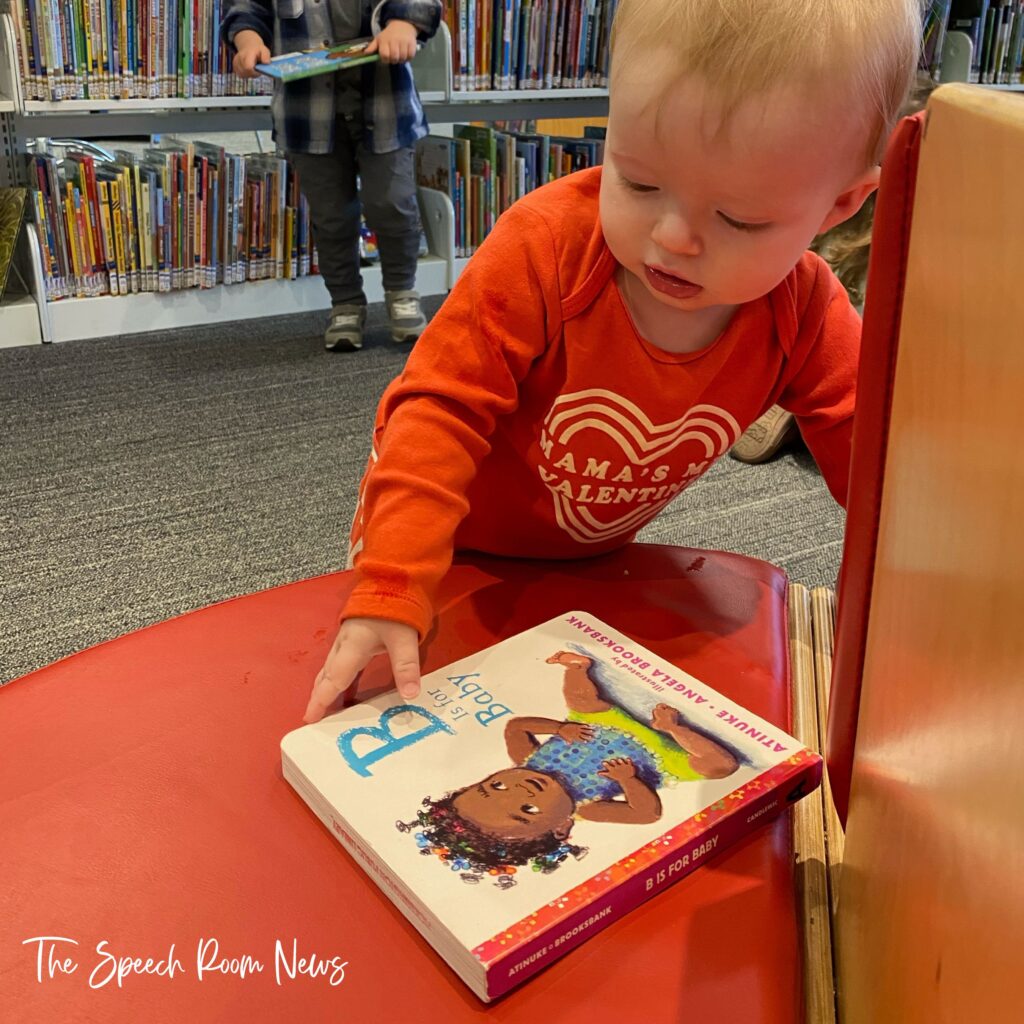
A cornerstone of effective early intervention is active family participation. Speech therapists collaborate extensively with parents and caregivers, recognizing that the home environment is the primary setting for a child’s learning and development. By integrating individualized treatment plans into daily routines, families become crucial partners in the therapeutic process. This includes:
- Modeling Reading Techniques: SLPs demonstrate how to read interactively, how to pause and prompt, how to expand on a child’s attempts at communication, and how to make reading a fun and engaging experience.
- Creating a Print-Rich Environment: Encouraging families to have a variety of books accessible at home, making reading a regular part of the daily routine, and demonstrating the value of literacy.
- Generalization of Skills: Helping families understand how to generalize the skills learned in therapy sessions to everyday interactions and activities, ensuring that language practice is ongoing and natural.
- Building Confidence: Empowering parents with strategies and knowledge to confidently support their child’s language development, reducing feelings of helplessness or frustration.
Measuring Success and Long-Term Impact
The successful integration of picture books into early intervention speech therapy yields measurable benefits. Children often demonstrate:
- Increased expressive and receptive vocabulary.
- Improved ability to follow directions and understand questions.
- Enhanced narrative skills, including retelling stories and sequencing events.
- Better articulation and clearer speech sounds.
- Greater engagement in communicative interactions.
- Stronger pre-literacy skills, such as phonological awareness and print awareness.
Beyond these immediate gains, the long-term implications are profound. Early and effective speech therapy, heavily supported by literacy exposure, can significantly reduce the need for more intensive interventions later in life. It fosters a love of reading, which is a powerful predictor of academic success across all subjects. Children who develop strong language skills early are better equipped to navigate social situations, express their emotions appropriately, and develop robust self-advocacy skills. This early investment in communication lays the groundwork for lifelong learning and participation in society, breaking down potential barriers to education and employment.
Challenges, Advancements, and the Future Landscape
Despite the proven benefits, challenges remain in ensuring universal access to high-quality early intervention speech therapy. These include geographic disparities in access to SLPs, funding limitations for early intervention programs, and a lack of awareness among some parents and healthcare providers about the signs of early language delays.

However, the field is continuously advancing. Telepractice (telehealth for speech therapy) has expanded access to services, particularly in rural areas. Research continues to refine best practices for integrating technology and diverse forms of media into therapy, always with the goal of enhancing engagement and effectiveness. The focus on culturally responsive materials, including diverse picture books, ensures that therapy is relevant and meaningful for all children.
In conclusion, picture books are not merely supplementary materials but indispensable tools in early intervention speech therapy. Their ability to simultaneously address multiple aspects of language development, foster imagination, and strengthen social-emotional skills makes them uniquely powerful. By leveraging these resources, speech-language pathologists, in partnership with dedicated families, are building robust communication foundations for young children, setting them on a trajectory for successful learning, social connection, and a lifetime of meaningful engagement with the world. This proactive and holistic approach ensures that every child has the opportunity to find their voice and articulate their place in the world.
