

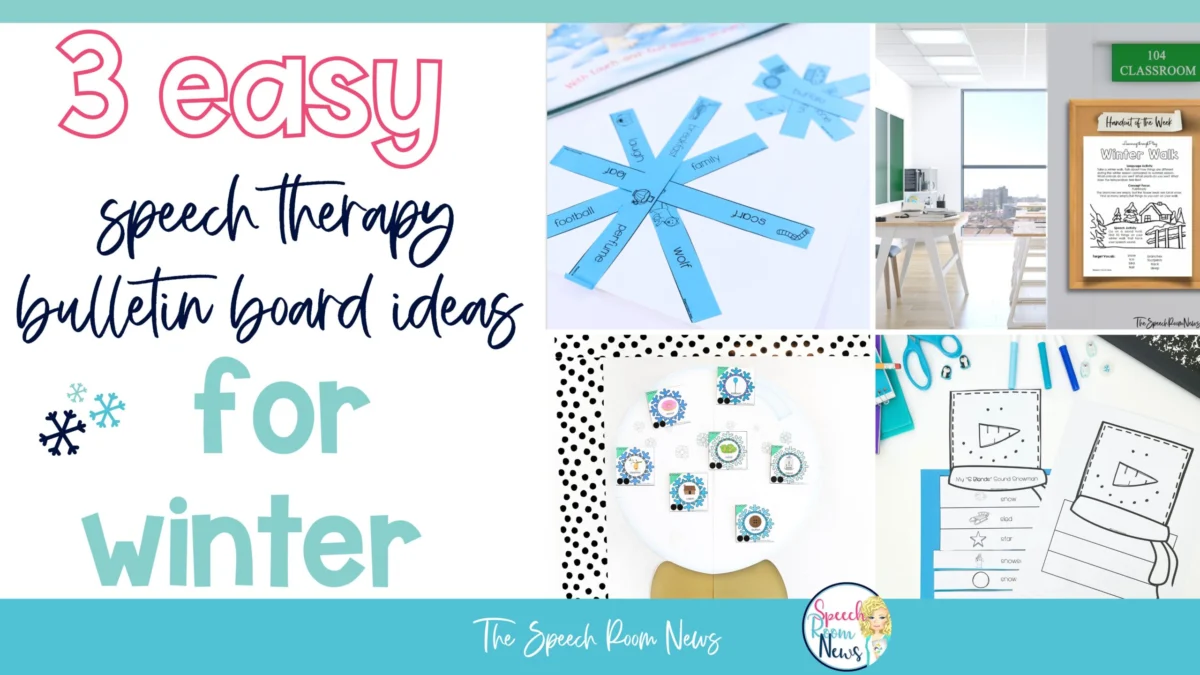
Speech-Language Pathologists (SLPs) are increasingly leveraging carefully designed bulletin boards as dynamic pedagogical tools, particularly during seasonal transitions like winter, to enhance therapeutic engagement and support communication development. Far from mere decoration, these visual aids are strategically categorized into demonstrative, interactive, and functional formats, each serving distinct yet complementary roles in the speech therapy environment. This structured approach allows SLPs to integrate therapeutic goals with an engaging visual landscape, fostering a more effective and welcoming space for students and their families. The deliberate planning behind these installations underscores a commitment to maximizing learning opportunities, reflecting a broader trend in specialized education towards multisensory and contextually relevant interventions.
The role of an engaging physical environment in specialized education, such as speech-language pathology, cannot be overstated. For children navigating speech and language disorders, the therapy room can be a crucial setting for development. According to the National Institute on Deafness and Other Communication Disorders (NIDCD), approximately 5% to 10% of children in the U.S. have a communication disorder, with a significant portion requiring SLP services. Creating a visually stimulating and therapeutically rich environment is paramount for these students, as it can reduce anxiety, increase motivation, and provide continuous exposure to target sounds and language concepts. Bulletin boards, when thoughtfully conceived, transform passive walls into active learning stations, providing visual anchors for abstract concepts and celebrating progress in tangible ways. The winter season, with its unique aesthetic and thematic elements, offers a fertile ground for creative and impactful bulletin board designs that resonate with students.
The Strategic Imperative: Beyond Aesthetics in SLP Environments
The integration of educational displays, such as bulletin boards, into therapy settings extends beyond aesthetic appeal; it is a strategic imperative for enhancing therapeutic efficacy. These visual tools serve multiple pedagogical functions: they can introduce new concepts, reinforce learned skills, provide visual cues, and create a sense of community and shared purpose within the therapy space. For SLPs, who often manage diverse caseloads with varying communication goals, the ability to adapt and utilize space effectively is crucial. By categorizing bulletin boards into demonstrative, interactive, and functional types, SLPs can ensure a balanced approach that addresses different facets of student learning and family involvement. This systematic planning aligns with best practices in educational design, advocating for environments that are both stimulating and supportive of specific learning objectives.

Core Methodologies: Three Pillars of SLP Bulletin Board Design
The framework of demonstrative, interactive, and functional bulletin boards provides a robust methodology for SLPs to develop comprehensive visual support systems. Each category is designed to target specific therapeutic and educational outcomes, contributing to a holistic approach to speech and language development.
1. Demonstrative Bulletin Boards: Showcasing Progress and Reinforcing Learning
Demonstrative bulletin boards are primarily dedicated to showcasing student achievements and reinforcing therapeutic concepts through visual representation. These boards serve as a gallery of progress, allowing students to see their efforts materialized and celebrated. The act of creating a physical artifact related to their therapy goals can significantly boost self-esteem and intrinsic motivation, critical components for sustained engagement in long-term therapy.
-
Pedagogical Rationale: The display of student-created work aligns with constructivist learning theories, where learners build knowledge through active engagement. It provides a tangible link between effort and outcome, fostering a sense of accomplishment. Furthermore, these displays can serve as peer models, subtly encouraging other students and demonstrating the application of learned skills in a creative context. For SLPs, these boards offer a quick visual reference to past therapy activities and the progress made on specific articulation or language targets.
-
Winter Craft Examples and Therapeutic Integration:
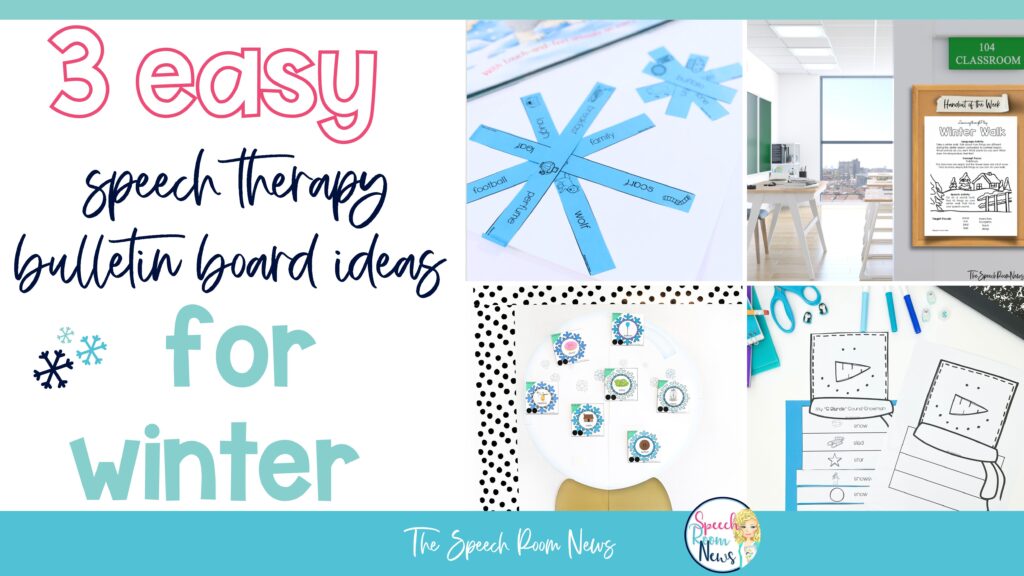
- Snowflake Paper Strip Craft: This "fake crafting" method emphasizes simplicity and low-prep for the SLP, while still providing a valuable therapeutic activity. Students engage in fine motor skills (cutting, gluing) while simultaneously practicing target words or phrases. Resources, often available through educational platforms, provide templates for such crafts, integrating articulation or language targets with creative expression. For instance, paper strips can be pre-printed with target words, and as students practice each word, they cut and assemble the strips into a snowflake. The tactile experience of manipulating paper combined with auditory repetition enhances multisensory learning, particularly beneficial for articulation and phonological awareness goals. The choice of cardstock over regular paper for students with fine motor difficulties exemplifies an adaptive practice, ensuring accessibility.
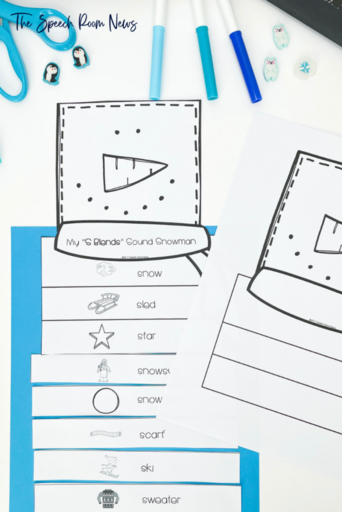
- Snowman Articulation Chop: Similar to the snowflake craft, the snowman articulation chop integrates cutting and assembly with targeted speech practice. Students practice specific words or sentences as they "chop" (cut) strips of paper, which are then assembled to form a snowman. This craftivity can be customized for various articulation goals, from initial sound production to complex sentence structures. The visual representation of the snowman, combined with the kinesthetic action of cutting and pasting, creates a memorable and enjoyable therapy experience. Adding simple elements like a colored carrot nose or a construction paper hat further enhances the creative aspect, making the therapeutic task feel less like work and more like play.
-
Implications: These demonstrative boards not only celebrate individual student progress but also transform the therapy room into a vibrant, student-centered space. They communicate to students that their efforts are valued and visible, reinforcing positive behavior and commitment to therapy goals. For parents and other school staff, these displays offer a window into the activities and achievements within the speech room, fostering a greater understanding of the therapy process.
2. Interactive Bulletin Boards: Fostering Active Participation and Multisensory Engagement
Interactive bulletin boards are designed to actively engage students, allowing them to manipulate elements, practice skills, and receive immediate feedback. These boards move beyond passive viewing, transforming into dynamic learning stations that can be utilized during therapy sessions, as transitional activities, or even by students waiting for their turn.
-
Pedagogical Rationale: Research consistently highlights the effectiveness of interactive and multisensory learning approaches, especially for individuals with communication disorders. Active participation promotes deeper processing, better retention of information, and the development of self-monitoring skills. The ability to physically interact with therapeutic materials can also reduce cognitive load and make abstract concepts more concrete, which is particularly beneficial for children with apraxia or phonological processing difficulties.

-
Winter Interactive Examples and Therapeutic Integration:
- Falling Flakes: Apraxia Snowflakes: This interactive set targets childhood apraxia of speech (CAS), a motor speech disorder that makes it difficult for children to produce sounds, syllables, and words in the correct order. Each snowflake card features an image and a word, critically including black dots in the corner to represent the number of syllables. Students touch these dots as they produce the sound or word, providing multisensory (visual, auditory, tactile) feedback. The cards are organized by color and syllable pattern, allowing for systematic practice. By attaching these snowflake cards with Velcro to a poster-sized snow globe on the bulletin board, students can physically add or remove flakes as they practice, transforming the board into a flexible, self-correcting activity. This tactile manipulation supports motor planning and sequencing, which are central to apraxia therapy.
- Falling Flakes: Phonology Activities: This set focuses on phonological disorders, which involve patterns of sound errors. Utilizing minimal pairs (words that differ by only one sound, e.g., "fan" vs. "pan"), these snowflake cards help students differentiate and produce target sounds. Similar to the apraxia set, cards are color-coded and patterned for easy organization. The interactive component involves attaching these minimal pair snowflakes to a poster-sized globe using Velcro. Students can select specific pairs, practice them, and then attach them to the board, reinforcing their understanding of sound contrasts. The inclusion of various winter-themed posters allows for thematic rotation, maintaining student interest throughout the season.
-
Data and Context: The principles behind these interactive boards are rooted in evidence-based practices for speech therapy. Multisensory cues, such as touching syllable dots, have been shown to be effective in improving speech motor planning for children with CAS. Similarly, the use of minimal pairs is a well-established intervention for phonological disorders, helping children reorganize their sound systems. These boards empower students to take an active role in their therapy, fostering independence and self-correction.
-
Implications: Interactive bulletin boards transform waiting areas or transition times into valuable learning moments. They provide opportunities for repeated practice in an engaging format, reducing the monotony often associated with drill-based therapy. Furthermore, they allow for differentiated instruction, as SLPs can tailor the cards on the board to target specific student needs, making the resource versatile and impactful across a diverse caseload.
3. Functional Bulletin Boards: Bridging Therapy and Home Environment
Functional bulletin boards are designed to extend the reach of therapy beyond the clinic or school setting by providing practical resources and information for parents and caregivers. These boards serve as vital communication hubs, empowering families to support their child’s communication development in everyday contexts.
-
Pedagogical Rationale: Effective speech-language therapy relies heavily on carryover and generalization of skills into daily life. Parents and caregivers are primary facilitators of this process. Functional bulletin boards, by offering accessible handouts and activity ideas, bridge the gap between structured therapy sessions and naturalistic learning environments at home. This approach supports a family-centered model of care, recognizing parents as key partners in their child’s therapeutic journey.
-
Winter Functional Examples and Therapeutic Integration:
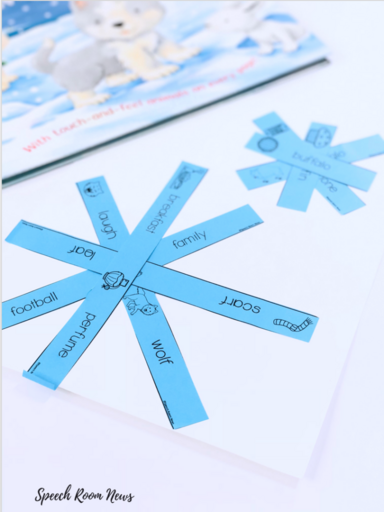
- Winter Speech and Language Packet: Learning Through Play: This resource exemplifies the core principle of functional boards: providing actionable strategies for home practice. Handouts from this packet suggest ways to integrate speech and language targets into common winter activities. For instance, during a "snowball fight," parents can encourage descriptive language ("soft," "cold," "fast"), practice articulation sounds embedded in winter vocabulary, or work on sequencing skills (e.g., "first, we pack the snow; next, we throw it"). Activities such as building a snowman, sledding, making snow angels, preparing hot chocolate, or even simply discussing winter clothing, are transformed into opportunities for communication practice.
- Activity Examples and Skill Targeting:
- Snowball Fight: Articulation practice (e.g., /s/ blends in "snow," "slide"), descriptive language, turn-taking.
- Snowman Building: Sequencing (first, next, last), body parts, size concepts.
- Hot Chocolate Preparation: Following directions, vocabulary related to food and actions, requesting.
- Winter Walk: Identifying objects, describing observations, prepositions (under, over, next to).
- Inclusivity and Accessibility: The availability of these packets in multiple languages, such as Spanish, highlights a commitment to culturally and linguistically responsive practices. This ensures that a broader range of families can access and utilize the resources effectively, fostering equitable support for all students.
-
Implications: Functional bulletin boards strengthen the home-school connection, empowering parents with practical tools and confidence to facilitate their child’s communication growth. By integrating therapy goals into routine activities, these boards promote a more natural and sustained learning process, leading to better generalization of skills. This proactive dissemination of information also positions the SLP as a valuable resource for the entire family unit.
The Broader Impact: Beyond the Therapy Room
The strategic deployment of these diverse bulletin board types contributes significantly to the overall effectiveness and perception of speech-language pathology services within an educational institution.
- SLP Professionalism and Pedagogical Approach: Thoughtfully designed bulletin boards reflect an SLP’s commitment to creating a dynamic, evidence-based, and student-centered learning environment. They demonstrate a pedagogical approach that integrates visual learning, active participation, and family involvement, aligning with professional standards set by organizations like the American Speech-Language-Hearing Association (ASHA).
- School Community Engagement: A vibrant and informative SLP room, showcased through its bulletin boards, can enhance the entire school community’s understanding of speech and language services. It makes the therapy space more welcoming for students, parents, and other educators, fostering collaboration and open communication.
- Mental Health and Well-being: For many students, therapy can be challenging. A visually stimulating and engaging environment can significantly reduce anxiety, making the therapy room a safe and inviting space. The celebration of achievements and the provision of interactive elements contribute positively to students’ emotional well-being and their overall attitude towards therapy.
Challenges and Considerations for SLPs
While the benefits of strategic bulletin board use are clear, SLPs often face practical challenges, including time constraints, limited budgets for materials, and the need for adaptable solutions across varied student needs. The emphasis on "easy prep" and "reusable templates" in the original context highlights the professional need for efficient resource management. Therefore, resources that offer versatility and minimal setup time are particularly valuable for busy practitioners.
Future Directions and Innovation
As technology continues to evolve, future innovations might see a blend of traditional physical bulletin boards with digital interactive displays, offering even greater flexibility, personalization, and data tracking capabilities. However, the fundamental principles of demonstrative, interactive, and functional design will likely remain central to effective environmental enrichment in speech-language pathology. The human touch, creativity, and direct engagement fostered by physical boards will always hold a unique and invaluable place in the therapeutic process.
In conclusion, the strategic implementation of demonstrative, interactive, and functional bulletin boards represents a powerful and often underestimated component of effective speech-language pathology. By transforming static walls into dynamic learning canvases, SLPs can significantly enhance student engagement, reinforce therapeutic goals, and empower families, ultimately contributing to improved communication outcomes. These winter-themed ideas exemplify how seasonal aesthetics can be thoughtfully integrated into a comprehensive and impactful therapeutic environment, underscoring the innovative and adaptable nature of speech-language pathology practice.
