

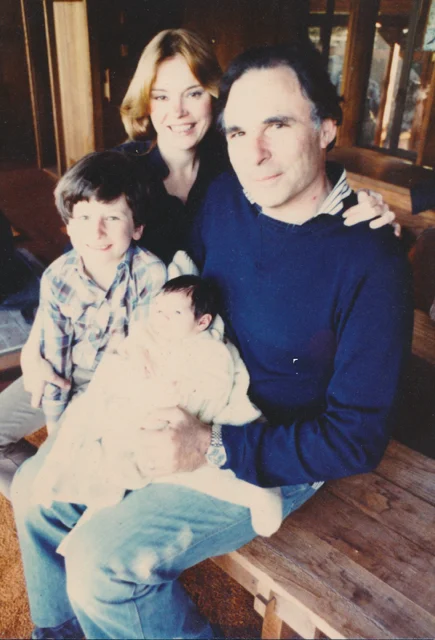
San Francisco, CA, November 17, 2025 – The world of psychology and affective science mourns the loss of Dr. Paul Ekman, a towering figure whose relentless curiosity and rigorous research fundamentally reshaped our understanding of human emotion, facial expressions, deception, and compassion. Dr. Ekman passed away peacefully at his home in San Francisco at the age of 91, leaving behind a legacy that has permeated academic disciplines, law enforcement, entertainment, and the global conversation on emotional well-being. His passing was confirmed by the Paul Ekman Group and his family, who are deeply saddened by this profound loss.
For over six decades, Dr. Ekman’s intellectual journey was dedicated to unraveling the intricate tapestry of human emotional experience. His seminal work began with an ambitious quest to determine if certain emotional expressions were universally recognized, a concept that challenged prevailing anthropological theories of cultural relativism. Journeying to remote corners of the globe, including Papua New Guinea, Dr. Ekman conducted groundbreaking fieldwork that provided compelling evidence for the universality of six basic emotions: happiness, sadness, anger, fear, surprise, and disgust. This research, often conducted with minimal resources and against significant logistical hurdles, laid the foundation for a new era in emotion research, demonstrating that specific facial configurations corresponded with distinct physiological responses and were understood across vastly different cultural contexts.
The implications of this discovery were far-reaching. Prior to Dr. Ekman’s work, many believed that emotions were solely a product of social conditioning and cultural norms. His findings suggested a biological undergirding to human emotional expression, a shared heritage that transcended geographical and cultural boundaries. This opened up new avenues for research in psychology, anthropology, neuroscience, and even evolutionary biology. The ability to identify universal emotional signals provided a critical tool for understanding intergroup relations, cross-cultural communication, and the fundamental nature of human connection.
A Legacy of Innovation: FACS and Microexpressions
Perhaps Dr. Ekman’s most enduring scientific contribution is the development of the Facial Action Coding System (FACS). Created in collaboration with Dr. Wallace Friesen, FACS is a comprehensive, anatomically based system for describing all observable muscular movements of the face. By breaking down complex facial expressions into their constituent "action units" (AUs), FACS provided a standardized, objective method for quantifying and analyzing facial behavior. This revolutionary tool transformed the study of emotion from subjective interpretation to rigorous, measurable science. FACS allowed researchers to meticulously document the subtle nuances of facial expression, revealing how even fleeting, involuntary movements could betray underlying emotional states.
Building upon the framework of FACS, Dr. Ekman’s research delved into the realm of microexpressions – brief, involuntary facial expressions that occur within fractions of a second and can reveal a person’s true emotions, even when they are attempting to conceal them. His development of Micro Expression Training Tools (METT) has empowered countless professionals, from law enforcement officers and intelligence analysts to therapists and negotiators, with the ability to detect these subtle cues. The ability to identify deception, or at least emotional incongruence, became a critical skill in fields where truthfulness and accurate assessment are paramount. The widespread adoption of FACS and microexpression analysis underscores Dr. Ekman’s commitment to translating complex scientific findings into practical, actionable tools.
Bridging Science and the Public Sphere
Dr. Ekman’s influence extended far beyond the academic ivory tower. He possessed a rare gift for communicating complex scientific concepts to a broad audience, making the intricacies of human emotion accessible and engaging. His bestselling books, including "Emotions Revealed" and "Telling Lies," became essential reading for anyone interested in understanding themselves and others. These works demystified the science of emotion, offering practical insights into recognizing emotional cues, managing destructive emotions, and fostering genuine connection.
The acclaimed television series "Lie to Me," inspired by Dr. Ekman’s research, brought the science of microexpressions and deception detection into millions of homes worldwide. While fictionalized, the series served as a powerful vehicle for popularizing the underlying scientific principles and sparking public fascination with the subtle language of facial expressions. Dr. Ekman’s role as a scientific advisor for the series, and earlier for Pixar’s animated hit "Inside Out," further cemented his impact on popular culture, demonstrating his commitment to sharing his knowledge across diverse platforms and age groups. "Inside Out," in particular, was lauded for its accurate and sensitive portrayal of distinct emotions as characters within a child’s mind, a testament to Dr. Ekman’s influence in shaping how emotions are understood and depicted.
A Commitment to Compassion and Ethical Application
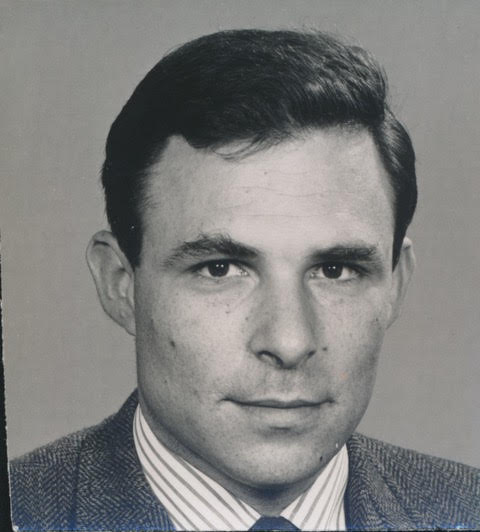
In the latter part of his career, Dr. Ekman increasingly focused on the application of his scientific insights to cultivate compassion and promote ethical behavior. This pivot was significantly influenced by his long-standing friendship and intellectual collaboration with His Holiness the Dalai Lama. Their shared interest in the science of well-being and the alleviation of suffering led to joint projects, including a co-authored book and webisode series titled "Developing Global Compassion." This collaboration explored how scientific understanding of emotions could be harnessed to foster greater empathy and understanding on a global scale.
This partnership also marked the beginning of a significant professional collaboration with his daughter, Dr. Eve Ekman, a contemplative social scientist. Together, they spearheaded the development of the Atlas of Emotions, an interactive online tool designed to expand emotional vocabulary and promote emotional insight. This ambitious project, a collaboration with the University of California, San Francisco, and the University of British Columbia, aimed to provide individuals with a framework for understanding the complex landscape of their emotional lives. Furthermore, they co-developed the Cultivating Emotional Balance (CEB) program, an educational initiative that integrates contemplative practices with scientific understanding to enhance emotional regulation and well-being.
"My dad’s commitment to rigorous science, love of discovery, and dedication to alleviating pain from destructive emotions were at the very core of his brilliant mind and accomplishments," shared Dr. Eve Ekman, who now directs the Paul Ekman Group. "However, his huge heart and ability to vulnerably share his own struggles with emotions were what made him beloved by so many. He was an incredibly loving dad – a lover of life and unrelentingly curious."
Robert W. Levenson, Ph.D., a colleague and professor in the Department of Psychology at the University of California, Berkeley, reflected on Dr. Ekman’s profound impact on the field. "Paul brought his remarkable intellect, observational skills, and unflagging energy to illuminate the ways we express and feel our emotions and how they are embodied in our physiology," Levenson stated. "His research, theorizing, and ideas for how emotions could be harnessed in service of the greater good galvanized what was a small niche area of research into a vibrant and thriving research area that will continue to be hugely influenced by his work and vision."
A Continuing Mission
The Paul Ekman Group, under the leadership of Dr. Eve Ekman, will continue to advance Dr. Paul Ekman’s mission. The organization is dedicated to making emotional awareness, empathy, and truthfulness accessible worldwide through science-based education and training. This ensures that his groundbreaking work will continue to inform and inspire future generations of researchers, practitioners, and individuals seeking to cultivate a deeper understanding of human emotion.
Dr. Ekman is survived by his children, Eve Ekman and Tom Ekman, and a vast and loving community of colleagues, students, and friends who were touched by his intellect, his kindness, and his unwavering dedication to understanding the human heart.
Honoring a Scientific Titan
As the world reflects on Dr. Ekman’s monumental contributions, plans are underway to further celebrate his life and scientific legacy. A documentary celebrating his journey is currently in development, aiming to capture the breadth and depth of his impact. Those wishing to support the completion of this film can find more information and contribute through a dedicated portal.
The Paul Ekman Group is also inviting colleagues, students, and readers from around the globe to share their reflections, stories, photographs, films, and messages of appreciation. These contributions will be compiled on a memorial page dedicated to honoring Dr. Ekman’s enduring influence and celebrating his remarkable life.
Dr. Paul Ekman’s passing marks the end of an era in the study of human emotion. Yet, his foundational research, innovative tools, and profound insights will continue to shape our understanding of ourselves and each other for decades to come. His legacy is not merely in the scientific papers he published or the systems he created, but in the countless individuals whose lives have been enriched by his lifelong pursuit of truth and his unwavering belief in the power of emotional intelligence.
