

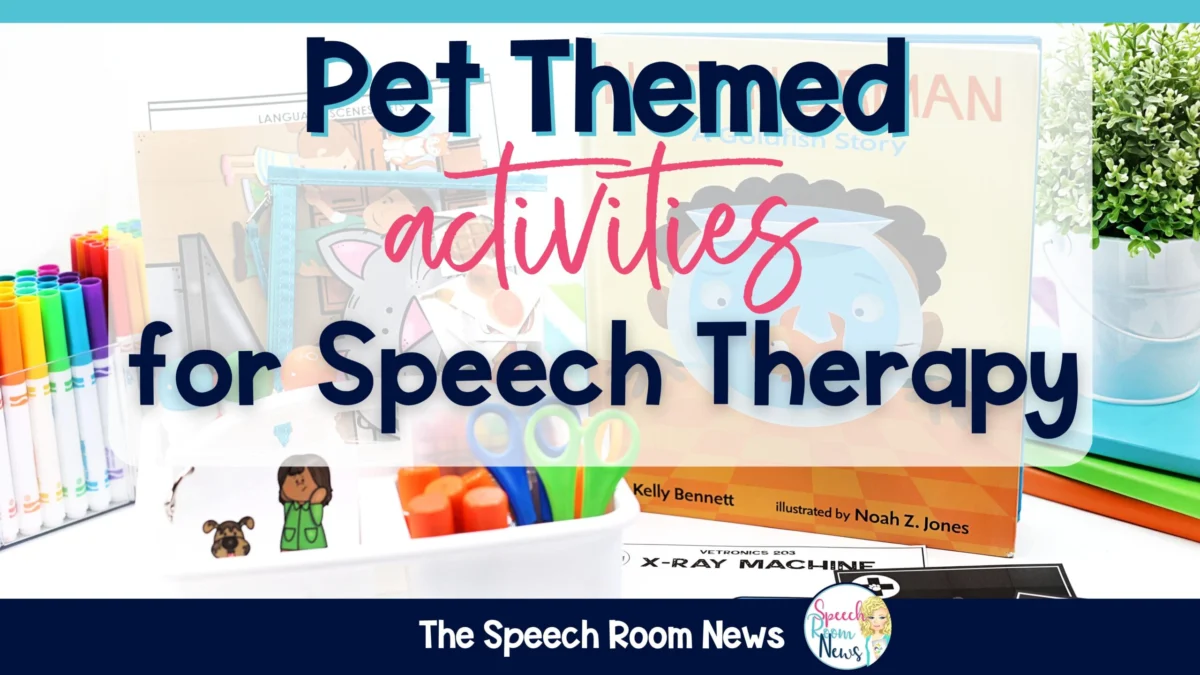
The integration of year-round thematic units, particularly those centered on beloved topics like pets, is increasingly recognized as a cornerstone for effective and engaging speech and language therapy. This pedagogical shift addresses critical needs within the field of Speech-Language Pathology (SLP), offering significant benefits in terms of student engagement, therapist efficiency, and the overarching efficacy of therapeutic interventions. By crafting lessons around universally appealing subjects such as animals, speech-language pathologists can cultivate a more dynamic, accessible, and enjoyable learning environment for children grappling with communication challenges. This approach not only streamlines lesson planning but also fosters deeper cognitive connections and improves the generalization of newly acquired language skills across various contexts.
The Foundational Importance of Thematic Learning in Early Intervention
The concept of thematic instruction is deeply rooted in child development psychology, recognizing that children learn most effectively when information is presented in a cohesive, interconnected manner. For speech and language therapy, this principle is particularly potent. Instead of isolated drills, thematic units weave together vocabulary, grammar, articulation practice, and social communication skills into a rich tapestry of related activities. This holistic approach mimics natural learning processes, where new concepts are absorbed within meaningful contexts rather than as discrete, abstract elements. For children with speech and language disorders, who often struggle with abstract reasoning and attention, a consistent theme provides a predictable structure that reduces cognitive load and enhances comprehension.
Research consistently demonstrates that engagement is a primary predictor of therapeutic success in pediatric populations. When children are genuinely interested in the content, their motivation to participate, attend, and apply learned skills dramatically increases. A "pets theme," for instance, capitalizes on children’s innate fascination with animals, transforming therapy sessions from potentially daunting tasks into exciting explorations. This intrinsic motivation is crucial for sustained progress, especially for young learners who may have limited attention spans or previous negative experiences with academic or therapeutic settings.

Addressing the Professional Demands of Speech-Language Pathologists
Speech-Language Pathologists often manage diverse caseloads, requiring them to tailor interventions for a wide spectrum of disorders, age groups, and developmental levels. The demand for novel, engaging materials that can be quickly adapted is immense. Traditional lesson planning can be time-consuming, diverting valuable hours from direct client care or professional development. The adoption of pre-designed, year-round thematic kits offers a strategic solution to this professional challenge.
By providing ready-to-use activities, themes like "pets" significantly reduce preparation time. Unlike holiday-specific themes that have limited seasonal applicability, a pet theme can be revisited multiple times throughout the year, maximizing the return on investment for materials and therapist effort. This efficiency allows SLPs to dedicate more time to individualized assessment, progress monitoring, and consultation with parents and educators, ultimately enhancing the quality of care. Furthermore, the versatility of non-holiday themes ensures that therapy remains culturally sensitive and inclusive, avoiding potential conflicts with diverse family traditions or beliefs.
A Deep Dive into the "Pets Theme" Curriculum: Books, Songs, and Interactive Play
The "pets theme" lends itself to a wealth of multi-modal activities designed to target a comprehensive range of speech and language goals. From receptive and expressive vocabulary to articulation, narrative skills, and social pragmatic abilities, the engaging nature of pets provides an organic springboard for learning.

Literacy Integration: Building Vocabulary and Narrative Skills
Reading aloud is a cornerstone of language development. Pet-themed books offer rich opportunities for vocabulary acquisition, story comprehension, and narrative sequencing. For instance, "Not Norman by: Kelly Bennett" introduces the concept of unmet expectations and the value of unique qualities, fostering discussions around emotions and descriptive language. Children can explore adjectives like "cool," "fun," and "cuddly," contrasting them with Norman’s perceived lack thereof, before realizing his true worth. This narrative arc is excellent for teaching story structure (beginning, middle, end), character development, and problem/solution identification.
"Some Pets by: Angela DiTerlizzi" is invaluable for expanding vocabulary related to animal types, actions, and care, while also promoting diversity and inclusivity through its depiction of varied children and their companions. The vibrant illustrations naturally invite descriptive language practice. "Lola Gets a Cat by: Anna McQuinn" delves into the responsibilities of pet ownership, providing a context for teaching verbs related to caretaking (e.g., feed, brush, clean) and discussing cause-and-effect relationships (e.g., "If you don’t feed the cat, it will be hungry"). These stories also serve as excellent prompts for predicting outcomes and retelling, critical skills for academic success.
An Interactive Vocabulary Book about Pets further solidifies understanding by allowing children to actively engage with pet-related terms. Such books are typically designed to target specific vocabulary sets, aiding in both receptive identification and expressive naming of animals, their features, and associated items. This interactive format is particularly beneficial for children with limited verbal output or those who require concrete visual supports.
Auditory Skills and Phonological Awareness Through Music

Songs are a powerful tool in speech therapy, leveraging rhythm and repetition to enhance auditory processing, phonological awareness, and articulation. Pet-themed songs like "I Have a Pet," "Do You Have a Pet?," "I Love Dogs," and "Wag Your Tail" are strategically chosen for their simple, repetitive lyrics and catchy melodies. These songs facilitate:
- Animal Sounds: Encouraging imitation and production of various animal vocalizations (e.g., "woof," "meow," "squeak"), which can be pre-cursors to more complex speech sounds.
- Word Patterns: Reinforcing common grammatical structures and sentence patterns through repetition.
- Action Words (Verbs): Introducing and practicing verbs associated with pets (e.g., wag, bark, purr, play).
- Basic Vocabulary: Solidifying core pet-related nouns and adjectives.
- Following Directions: Incorporating actions into songs that require children to follow simple commands.
The multi-sensory experience of singing, often combined with gestures, strengthens memory and makes language acquisition more natural and enjoyable.
Gamified Learning: Engaging Activities for Targeted Skills
Games infuse therapy with an element of fun and friendly competition, boosting motivation and attention. "Color and Play Pets Bingo" is a versatile tool that can target multiple goals:
- Articulation: Children articulate target sounds as they identify pet-themed pictures.
- Vocabulary: Naming and identifying various pets and pet accessories.
- Following Directions: Playing the game involves listening for specific calls and marking squares, enhancing auditory processing and compliance.
- Social Communication: Turn-taking, expressing excitement, and problem-solving within a group setting.
Digital resources like "Feed the Dog Articulation Boom Cards" harness technology to create highly interactive and reinforcing articulation practice. The immediate auditory feedback of a "crunch" sound upon feeding the dog a target word makes the activity intrinsically motivating. This digital format also allows for easy tracking of responses and can be adapted for teletherapy, expanding accessibility.

Therapeutic Play: Toys as Tools for Language Development
Play is the natural language of childhood, and incorporating pet-themed toys transforms therapy into purposeful play. The "Critter Clinic Toy Vet Set" is an exceptionally rich resource for fostering imaginative play and targeting diverse language goals. Its components—doors to open, locks to manipulate, stuffed animals, and veterinary tools—create a mini-world for role-playing.
- Vocabulary Expansion: Naming veterinary tools (e.g., stethoscope, syringe), body parts of animals, and actions (e.g., examine, heal, diagnose).
- Prepositions: "The dog is in the cage," "The cat is under the blanket."
- Following Directions: "Give the dog a shot," "Put the bandage on the cat’s leg."
- Social Communication/Narrative Skills: Children engage in pretend play, developing scenarios, taking on roles (vet, pet owner), and explaining actions, thereby building narrative complexity and social scripting.
- Problem-Solving: Discussing what might be wrong with the animal and how to help it.
The "Hape Family Pet Houses" set, with its small pieces and various animal figures, is ideal for similar language opportunities, particularly for prepositions, descriptive language, and imaginative storytelling. Children can describe where each pet lives, what they are doing, and interact with the different elements of the pet houses.
Creative Expression: Crafts and Sensory Play
Creative activities like crafts and sensory bins offer a tactile and visual dimension to learning, catering to different learning styles and enhancing fine motor skills alongside language goals. A Clifford the Big Red Dog craft (e.g., using paper plates) connects to beloved literary characters, allowing children to discuss colors, shapes, and animal features while developing fine motor coordination.

Sensory bins themed around pets provide a unique opportunity for descriptive language and tactile exploration. Filling a bin with soft bedding, plastic pet toys, and small animal figures creates an engaging environment. The task of finding a "hidden" pet encourages the use of descriptive attributes: "I see a pointy black ear," "I feel something soft and furry." This targets inferencing, attribute identification, and expressive vocabulary.
The Comprehensive "Pet Themed Speech Therapy Kit": A Strategic Asset
For Speech-Language Pathologists seeking a streamlined, comprehensive solution, a dedicated "Pet Themed Speech Therapy Kit" offers an invaluable resource. Such kits are designed to provide a full month (four weeks) of lessons and activities, meticulously planned to cover a broad spectrum of speech and language goals. These kits typically include:
- Therapy Printables: Worksheets, flashcards, and visual aids for various targets.
- Interactive Play Resources: Materials to complement the toys and games mentioned.
- Circle Time Lessons: Structured activities for group therapy, fostering shared attention and group participation.
- Parent Handouts: Resources to facilitate carryover of skills into the home environment, bridging the gap between therapy and daily life.
- Crafts and Book Companions: Pre-planned activities that integrate with popular pet-themed literature and creative expression.
The availability of such a kit signifies a maturation in the speech therapy resource landscape, moving towards comprehensive, ready-to-implement curricula that support evidence-based practice while significantly alleviating therapist workload. This ensures that SLPs can consistently deliver high-quality, engaging therapy without the constant burden of starting from scratch.
Broader Implications and the Future of Thematic Therapy

The widespread adoption of thematic teaching in speech and language therapy carries significant implications for the profession and for the children it serves. For therapists, it fosters a more creative and less stressful work environment, potentially reducing burnout and increasing job satisfaction. The ability to reuse and adapt materials across the year makes therapy more sustainable and cost-effective.
For children, thematic therapy transforms the learning experience. By making therapy more akin to play and exploration, it reduces anxiety, increases intrinsic motivation, and promotes a positive association with communication and learning. The naturalistic context provided by themes facilitates the generalization of skills, meaning children are more likely to use their new communication abilities in real-world situations, which is the ultimate goal of any therapeutic intervention.
The success of the "pets theme" also highlights the potential for other universally appealing themes—such as "farm animals," "ocean life," "transportation," or "space"—to be similarly developed into comprehensive kits. This trend underscores a broader movement in education and therapy towards child-centered, play-based, and contextually rich learning experiences. As technology continues to evolve, the integration of digital resources like Boom Cards will further enhance the accessibility and interactivity of thematic therapy, ensuring that speech-language pathology remains at the forefront of innovative and effective intervention strategies. The focus on themes represents a strategic investment in both the efficiency of therapeutic practice and, more importantly, the joyful and effective development of communication skills in children.
