

Understanding Early Intervention: A Foundational Approach
Early intervention refers to a system of services provided to children from birth to age three who have, or are at risk for, a developmental delay or disability. When specifically applied to speech and language, it involves a range of therapeutic techniques and strategies designed to support children in developing communication skills. The rationale behind early intervention is rooted in neuroscientific understanding: a child’s brain undergoes its most rapid development during the first three years of life, making this period a critical window for learning and intervention. During this phase, neural pathways are highly malleable, meaning targeted support can significantly impact a child’s developmental trajectory.
Statistics underscore the prevalence and necessity of these services. The American Speech-Language-Hearing Association (ASHA) reports that approximately 1 in 12 children aged 3-17 years has a disorder of speech, voice, language, or swallowing. Furthermore, around 10-15% of two-year-olds are identified as "late talkers," meaning they have a limited vocabulary for their age without other developmental delays. While some late talkers may eventually catch up to their peers without formal intervention, a significant portion (estimated to be 40-50%) continue to experience language difficulties that can impact literacy, academic performance, and social interactions later in life. This data highlights not only the frequency of speech and language challenges but also the compelling argument for proactive rather than reactive strategies.
The Evolving Role of the Speech-Language Pathologist
Speech-language pathologists are central figures in the early intervention landscape. Their expertise encompasses the assessment, diagnosis, and treatment of communication disorders. For an SLP, the journey with a child and their family typically begins with a comprehensive evaluation to identify specific areas of concern, such as receptive language (understanding), expressive language (speaking), articulation, fluency, or social communication. This initial assessment often involves standardized tests, observational play, and detailed history-taking from parents.
However, the role of an SLP extends far beyond direct therapy sessions. In early intervention, a significant emphasis is placed on family-centered practice and coaching. This model recognizes parents and caregivers as the primary facilitators of a child’s development, equipping them with the knowledge, strategies, and confidence to integrate therapeutic techniques into daily routines. An SLP’s guidance empowers parents to become active participants in their child’s language development, transforming everyday activities—from mealtime to bathtime—into rich opportunities for learning and practice. This collaborative approach maximizes the child’s exposure to language-rich environments and reinforces learned skills in natural contexts, leading to more sustainable progress.
The Parent’s Perspective: From Concern to Empowerment
The journey for parents of a child with a speech delay often begins with subtle observations, evolving into growing concerns as their child misses developmental milestones. The experience can be uniquely challenging, particularly for parents who may feel isolated or unsure of how to best support their child. As articulated by many SLPs who are also parents, the shift from professional knowledge to personal experience can offer profound insights. One SLP, reflecting on her own child’s late talking, shared, "As a speech pathologist, I was thrilled to observe my children’s language development. I meticulously planned to document every babble, first word, and phrase. However, when my first child didn’t babble as expected and those first words were significantly delayed, I found myself on the other side of the table. The clinical lens transformed into a deeply personal one, driving me to create practical tools to track his progress and share with our early intervention therapist." This sentiment underscores the universal parental desire to understand and support their child’s growth.
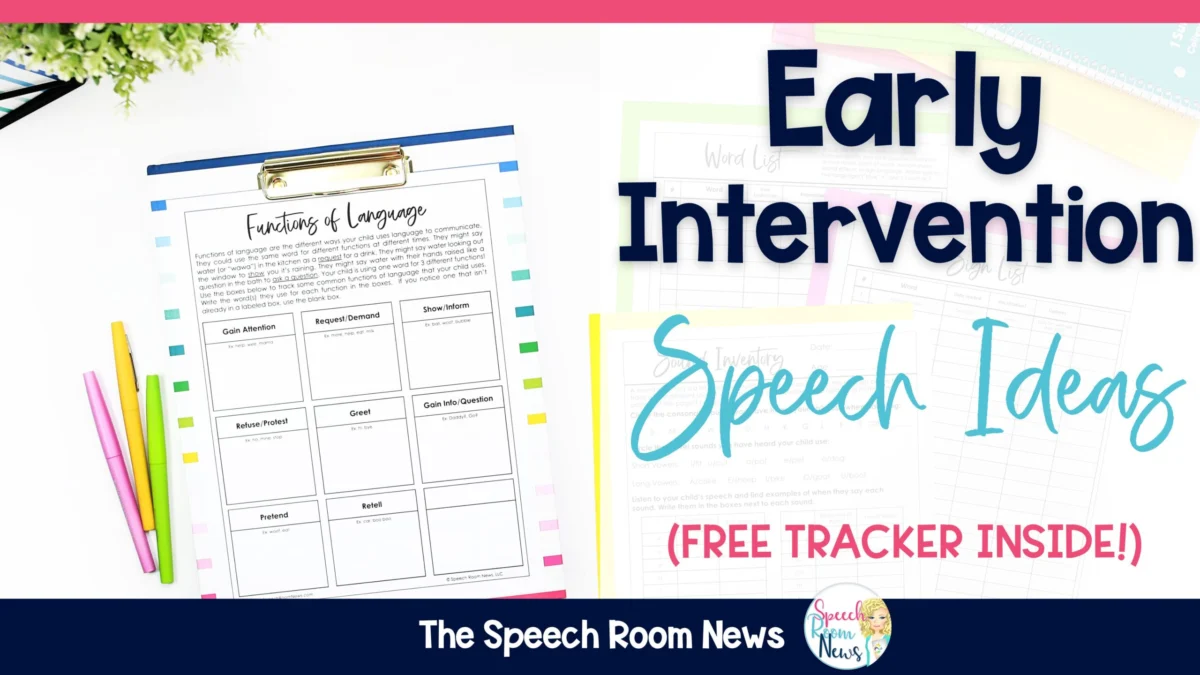
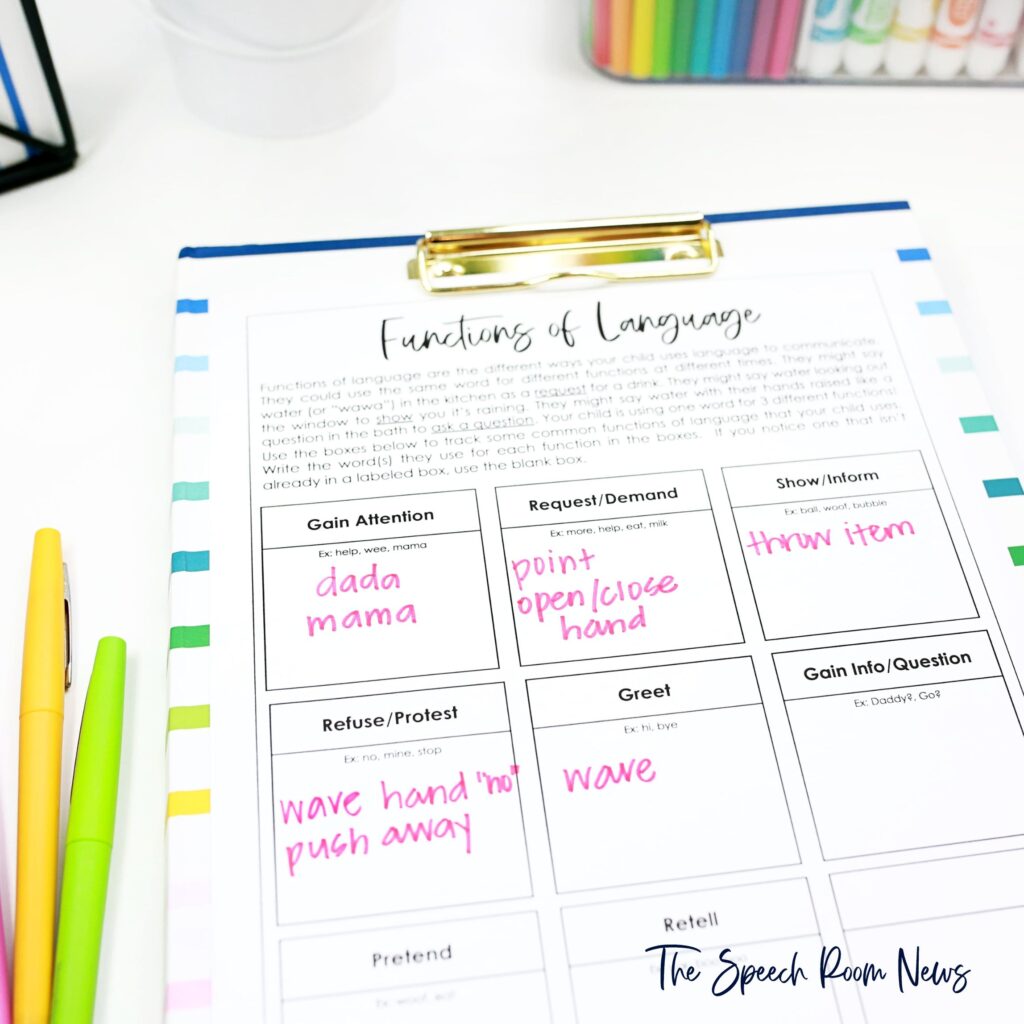
This personal experience highlights the critical need for systematic tracking of a child’s early speech sounds and words. Parents are often the first to notice deviations from typical development, and their detailed observations are invaluable to SLPs. Tracking provides concrete data that helps professionals understand the child’s unique communication profile, identify patterns, and measure progress over time. Beyond its clinical utility, documentation can alleviate parental anxiety by providing a tangible record of growth, no matter how incremental. It removes the guesswork, allowing parents to confidently report specific examples of new sounds, word approximations, and emerging syllable shapes (e.g., consonant-vowel (CV) words like "mama," vowel-consonant (VC) words like "up," or more complex CVCV/CVC structures). Tools like a "First Words Tracker" empower parents to become active data collectors, fostering a sense of control and collaboration in the therapeutic process.
Navigating Speech Development Milestones and Identifying "Late Talkers"
Understanding typical speech and language milestones is crucial for both parents and professionals. While every child develops at their own pace, there are general benchmarks that indicate healthy progress.
- Birth to 6 months: Cooing, babbling (vowel sounds), turning to sounds, responding to voices.
- 6 to 12 months: Babbling with consonant-vowel combinations ("dada," "mama"), understanding "no," responding to their name, making gestures (waving, pointing).
- 12 to 18 months: Saying first words (typically 1-3 words by 12 months, increasing to 10-20 by 18 months), imitating sounds and words, following simple directions.
- 18 to 24 months: Using 50 or more words, combining two words ("more juice," "bye-bye mommy"), pointing to pictures in a book when named.
- 24 to 36 months: Using 2-3 word phrases, asking simple questions, understanding basic concepts (in/on), using a variety of consonants.
A child is often considered a "late talker" if they have fewer than 50 words and no two-word combinations by 24 months of age. While some late talkers do catch up, it is essential to consult a pediatrician or an SLP if concerns arise. Red flags might include:
- Lack of babbling by 12 months.
- No gestures by 12 months.
- No single words by 16 months.
- No two-word spontaneous phrases by 24 months.
- Loss of any language or social skills at any age.
- Difficulty understanding simple commands.
- Limited variety of sounds.
Pediatricians consistently advocate for early screening and open communication from parents. Dr. Elena Rodriguez, a developmental pediatrician, emphasizes, "Parents are our most valuable partners in early detection. If a parent expresses a concern, regardless of whether a child ‘looks fine,’ it warrants investigation. Trusting parental instincts and initiating referrals promptly can significantly alter a child’s developmental trajectory." This highlights the importance of not adopting a "wait and see" approach, which can delay critical intervention.
Integrating Speech Therapy into Daily Routines: Practical Strategies for Home

One of the most effective ways to foster language development in young children, especially late talkers, is by weaving speech therapy strategies into daily routines. These predictable patterns offer consistent opportunities for repeated exposure to vocabulary, social expectations, and actions, making learning natural and meaningful.
1. Eating a Snack: A Communication Temptation
Snack time provides a rich context for encouraging word imitation and requesting. Instead of offering a full meal, use a bowl of highly desired snacks.
- Model Language: As you pour the snack, describe the action and the food: "Look, I’m pouring some crackers into the bowl! Yum! I love to eat crackers. You like to eat crackers too. Mmmm, crackers."
- Create a Communication Opportunity: Offer a small amount, then hold back the rest. Ask, "Do you want more?" or "Do you want crackers?"
- Wait and Respond: Look expectantly at your child and wait for a response. Celebrate any attempt at communication, whether it’s a word approximation (e.g., "ka-ka" for cracker), a gesture (reaching), or eye contact. The goal is to provide numerous models and create a need for communication.
2. Brushing Teeth: Building Social Routines and Vocabulary
Time spent in front of the mirror during tooth brushing offers excellent opportunities for connection and language building.
- Explain and Engage: Describe each step of the routine and its purpose. "It’s time to brush your teeth! We brush and clean our teeth so they stay healthy. We want healthy teeth so we can eat all kinds of yummy foods!"
- Incorporate Positional Words: "Let’s get your green toothbrush. Can you find the toothpaste? Squeeze just a little bit out. Now what do we do? Yes! Let’s brush the front. Now what? Yes—time to brush the back! You brushed your teeth. Now let mommy brush them too. I am brushing the front and the back. I go up and down and make sure I get all your teeth. We did it! Time to rinse our teeth and our brush so they stay clean."
- Encourage Imitation: Make silly faces, open wide, and prompt the child to imitate sounds or actions related to brushing.
3. Play-Based Learning: Child-Led Engagement
Child-led play is paramount. Follow your child’s lead and interests, narrating their actions and expanding on their utterances.
- Observe and Join: Watch what your child is doing and join their play, rather than directing it. If they are pushing a car, you might say, "Vroom, vroom! The car is fast! Go car!"
- Expand Utterances: If your child says "Ball," you can expand it to "Yes, it’s a big red ball!" or "The ball is bouncing!"
- Offer Choices: "Do you want the red ball or the blue ball?"
4. Reading Books: Fostering Pre-Literacy Skills
Reading together is a fundamental activity for language development.
- Interactive Reading: Point to pictures, ask questions ("What’s that?"), and encourage your child to turn pages or make animal sounds.
- Repetitive Books: Choose books with repetitive phrases or simple stories that allow children to anticipate and participate.
These strategies, when consistently applied, transform ordinary moments into powerful learning experiences, reinforcing the language skills targeted in therapy and fostering a rich communicative environment at home.
Accessing Early Intervention Services: A Step-by-Step Guide
For parents concerned about their child’s speech development, taking the first step is crucial.
- Consult Your Pediatrician: This is often the initial point of contact. Your pediatrician can perform a preliminary developmental screening, offer guidance, and provide referrals to specialists.
- Contact Your Local Early Intervention Program: Every state in the U.S. has an Early Intervention program as part of the Individuals with Disabilities Education Act (IDEA), Part C. These services are often free or low-cost and are designed to support children from birth through age three. They typically involve an evaluation to determine eligibility. In many regions, you can self-refer without a doctor’s referral.
- Contact Your Local School District: For children nearing their third birthday, services transition from early intervention to the school system (IDEA Part B). School districts are mandated to provide evaluations and, if eligible, special education services, including speech therapy, for children aged three and older.
- Seek Private Speech Therapy: Parents may also opt for private speech therapy services, either as a supplement to public programs or as a primary source of intervention, often covered by health insurance.
Long-Term Impact and Societal Benefits
The implications of early intervention extend far beyond a child’s ability to articulate words. Research consistently demonstrates that timely and effective speech therapy can significantly mitigate potential long-term challenges. Children who receive early intervention for speech and language delays show improved outcomes in:

- Academic Achievement: Strong oral language skills are foundational for literacy development. Children with untreated speech delays are at a higher risk for reading difficulties, writing challenges, and overall academic underperformance. Early intervention helps build the phonological awareness and vocabulary necessary for successful schooling.
- Social-Emotional Development: Communication is key to forming relationships, expressing needs, and managing emotions. Children struggling with speech may experience frustration, social isolation, anxiety, or behavioral issues. Early intervention empowers them with the tools to connect with peers and adults, fostering healthy social-emotional growth.
- Future Employment and Quality of Life: The ability to communicate effectively is a critical skill in virtually all professions. By addressing delays early, children are better positioned for future educational and vocational success, contributing positively to their overall quality of life and societal participation.
From a broader societal perspective, investing in early intervention yields substantial economic benefits. Studies suggest that every dollar invested in early childhood programs can save between $4 and $9 in future costs related to special education, welfare, and crime prevention. By preventing more severe and entrenched communication difficulties, early intervention reduces the need for more intensive and costly services later in a child’s life.
In conclusion, the journey of speech development is a complex and vital aspect of early childhood. The power of early intervention speech therapy, driven by the expertise of SLPs and the unwavering dedication of parents, serves as an indispensable catalyst for unlocking a child’s full communicative potential. By embracing early detection, consistent tracking, and integrated home-based strategies, families and professionals can collectively build a robust foundation for children to thrive, ensuring that every child has the voice they deserve.
