


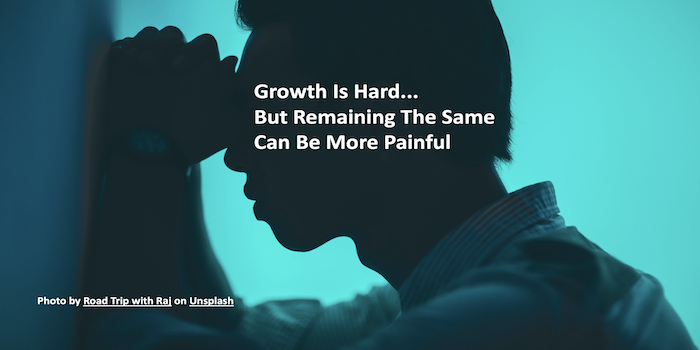
The pursuit of growth, whether in the physical realm or the complex landscape of personal development, is an endeavor intrinsically linked with discomfort and, at times, profound pain. This fundamental truth, often observed in the developmental stages of childhood, resonates throughout the entirety of human experience, shaping our capabilities, relationships, and ultimately, our character. While the superficial observer might focus on the outward achievements of those who have excelled, a deeper examination reveals a consistent pattern: significant progress is rarely, if ever, a painless journey.
The Physical Crucible: Forging Strength Through Strain
The most tangible manifestation of growth often occurs within the physical domain. Consider the burgeoning child, experiencing "growing pains" that, while a source of distress, signify an essential biological process of skeletal expansion. This parallels the rigorous training regimens adopted by athletes across disciplines. For instance, the world of competitive powerlifting and bodybuilding is a testament to this principle. Athletes push their bodies to extreme limits, engaging in workouts that can induce nausea and exhaustion. The relentless pursuit of increased strength and muscle mass demands a level of physical exertion that frequently borders on the unbearable.
Similarly, the training required for endurance events like marathons presents a stark illustration of growth through suffering. Marathon runners, aiming to achieve peak physical condition, commit to thousands of miles of running, demanding early morning sacrifices, enduring persistent muscle soreness, and confronting the ever-present risk of injury. There are countless days when the mental fortitude to continue is tested by the sheer physical toll. The data on athletic performance consistently underscores the correlation between training volume, intensity, and the development of physiological adaptations that lead to improved endurance and power. Studies in sports science indicate that progressive overload, a cornerstone of athletic training, inherently involves pushing physiological boundaries, which can manifest as discomfort and pain. For example, research published in the Journal of Applied Physiology frequently details the micro-tears in muscle fibers that occur during strenuous exercise, a necessary precursor to muscle hypertrophy and strength gains. This process, while beneficial in the long term, is acutely felt during and immediately after the training sessions.
Beyond the Biceps: The Deeper Pain of Personal Evolution
While physical growth demands discomfort, the most profound and often most challenging growth occurs within the personal sphere. Developing as a spouse, parent, leader, friend, or individual with a spiritual conviction frequently involves emotional and psychological challenges that far surpass the physical demands of a demanding workout. These are the areas where the stakes are higher, the feedback is more nuanced, and the capacity for resilience is truly tested.
Navigating the Labyrinth of Relationships
The intricacies of human relationships serve as a potent breeding ground for personal growth, often accompanied by significant emotional friction. In marital bonds, few phrases carry as much weight and require as much personal fortitude as admitting fault: "I’m sorry." The act of uttering these words necessitates a profound act of humility, demanding the relinquishment of pride and the willingness to confront the painful reality of having caused hurt. This process of acknowledging one’s missteps and experiencing remorse is a crucial component of relational maturation.
Conversely, the act of offering forgiveness, "I forgive you," can be even more challenging. It requires an acknowledgment of having been wounded, a vulnerability that many perceive as a sign of weakness. However, from a psychological perspective, true forgiveness is not about condoning the offense but about releasing oneself from the burden of resentment. This act of courageous authenticity, as observed by experts in interpersonal psychology, is essential for the health and longevity of relationships. Research from institutions like the Gottman Institute consistently highlights the importance of effective conflict resolution and empathetic communication in successful marriages, both of which often involve navigating difficult emotions and expressing vulnerability. The ability to offer and receive apologies, and to grant and seek forgiveness, are foundational skills that require significant personal growth.
The Spiritual Ascent: Faith Forged in Fire
The spiritual dimension of human experience also underscores the principle that growth is often intertwined with hardship. A careful examination of religious scriptures reveals a recurring narrative: individuals who developed the deepest connections with the divine rarely followed an easy path. Prophets, apostles, and countless historical figures encountered significant adversity, including disappointment, rejection, and suffering. Their faith was not a passive inheritance but a hard-won attribute, forged through trials that tested their resolve and deepened their understanding.
The biblical accounts of figures like Job, Abraham, and Moses, for instance, are replete with narratives of immense personal suffering and unwavering faith. Job’s story, in particular, details profound loss and physical affliction, yet his enduring commitment to his beliefs serves as a powerful testament to the idea that spiritual growth can be a product of enduring immense pain. This historical context provides a backdrop against which contemporary spiritual journeys can be understood. The challenges faced by individuals in their pursuit of faith are often less dramatic than those of ancient prophets, but the underlying principle remains the same: spiritual development is frequently catalyzed by moments of doubt, struggle, and a conscious decision to persevere in the face of adversity.
The Crucial Calculus: Pain Today for Gain Tomorrow
Across all facets of life—pursuing better health, cultivating stronger relationships, developing leadership capabilities, or deepening one’s faith—there arrives a critical juncture. This is the moment of decision, where one must weigh the immediate pain against the potential for future gain. This calculus requires a significant degree of faith, a belief in a positive outcome that transcends the current discomfort. The data on habit formation and behavior change, as studied in behavioral economics and psychology, consistently demonstrates that short-term discomfort is often a prerequisite for long-term rewards. For example, studies on delayed gratification show that individuals who can resist immediate impulses for larger future rewards tend to achieve greater success in various life domains.
Looking back at personal and professional trajectories, the answer to whether the pain of growth was worth it has, for many, been a resounding yes. The most impactful individuals are often not those who avoided difficult situations, but rather those who allowed challenging experiences to fundamentally reshape their character. This resilience, born from overcoming adversity, is what ultimately builds trust and credibility.
Influence Through Adversity: Character as the Cornerstone
The field of influence, a key area of expertise for many thought leaders, consistently highlights a powerful dynamic: people are most drawn to those whose character has been forged through adversity. While competence may initially capture attention, it is character that ultimately earns trust and fosters lasting influence. The fusion of well-developed character and demonstrable competence creates individuals perceived as credible authorities, a status that endures and forms the bedrock of genuine influence. This concept is supported by extensive research in social psychology and leadership studies, which consistently identify integrity, resilience, and authenticity—qualities often honed through hardship—as critical components of effective leadership and influence.
This does not imply that the journey of growth becomes effortless. Each athletic competition necessitates another demanding training cycle; every significant relationship milestone requires further difficult conversations; every advancement in leadership demands a willingness to confront new challenges. The pain itself may not disappear, but the confidence to navigate it grows. Experience teaches that the reward of growth lies just beyond the present struggle.
The Arena of Effort: Embracing the Challenge
The enduring wisdom of historical figures, such as Theodore Roosevelt, resonates deeply in this context. His iconic "Man in the Arena" speech serves as a powerful reminder that true credit belongs to those who dare to step into the arena of life, willing to risk failure, endure hardship, and relentlessly strive for improvement. The ultimate defeat is not stumbling or falling; it is the decision to deem the cost of growth too high, thereby forfeiting the potential for personal transformation.
The fundamental reality remains: growth is arduous because it frequently involves pain. However, the alternative—stagnation—carries a far greater, and more permanent, cost. The question that lingers, therefore, is not whether growth will be painful, but rather which seasons of difficult growth we are most grateful we did not abandon. The stories of resilience and transformation, etched into the fabric of human history and individual lives, are a testament to the profound value found at the end of a challenging, yet ultimately rewarding, journey.
