


Father’s Day, observed annually on the third Sunday of June, is a time dedicated to honoring the paternal figures who play a significant role in our lives. While many families embrace this occasion with celebrations and expressions of gratitude, the experience of Father’s Day is far from uniform. For a considerable segment of the population, the holiday carries a complex emotional weight, often stemming from difficult or absent relationships with their fathers. This reality, though somber, underscores a profound truth: the influence of fathers is immense, extending far beyond societal recognition.
The challenges associated with Father’s Day are deeply rooted in personal experiences. For some, the concept of a divine "Father" can evoke pain due to negative encounters with their earthly fathers. These experiences can range from never knowing their paternal figure to enduring neglect, abandonment, abuse, or a pervasive emotional distance. Such histories can complicate sentiments of love and respect, making a day that is meant for celebration a reminder of unmet needs and unresolved pain. This widespread complexity is not merely anecdotal; it reflects a societal underestimation of the profound and lasting impact fathers have on their children’s development and well-being.
The Undeniable Influence of Fathers: Research and Reality
The absence or strained presence of fathers has been consistently linked to adverse outcomes in children. Extensive research in developmental psychology and sociology highlights these correlations. For boys, father absence is often associated with an increased likelihood of engaging in antisocial behaviors and academic difficulties. Studies, such as those published in the Journal of Family Psychology, have indicated that boys who grow up without consistent paternal involvement may exhibit higher rates of delinquency and aggression.
Girls, too, are significantly affected by their fathers’ presence or absence. Research suggests that a father’s involvement can positively influence a daughter’s self-esteem, body image, and overall mental health. Conversely, fatherlessness in girls has been correlated with a greater risk of depression, anxiety, and difficulties in forming healthy romantic relationships later in life. A 2018 report by the National Fatherhood Initiative cited data indicating that children in father-absent homes are more likely to experience poverty, educational failure, and teenage pregnancy.
Regardless of whether a father is actively engaged, detached, supportive, or critical, his presence leaves an indelible mark. This influence, whether positive or negative, is an unavoidable aspect of childhood development. The father’s role extends beyond mere provision; it encompasses the transmission of values, the modeling of behavior, and the shaping of a child’s perception of themselves and the world.
The Home as the First Arena of Influence
The science of influence, a field explored for decades by experts like Robert Cialdini, often conjures images of boardroom negotiations, marketing strategies, or political campaigns. However, the foundational principles of influence are established long before individuals enter the professional sphere. They begin within the intimate confines of the home, with parents serving as the primary influencers in a child’s life. Fathers, in particular, occupy a unique position in shaping a child’s self-perception, their understanding of social interactions, and their overall worldview.
This understanding of parental influence is not a recent revelation. For instance, Brian Ahearn, a seasoned educator in the science of influence, reflects on his own parenting journey. Having authored blog posts on parenting for over 17 years, Ahearn began his writing during his daughter Abigail’s early teenage years. His early work often centered on parenting advice, a direct reflection of his and his wife Jane’s conscious efforts to be intentional in their approach to raising their daughter. This intentionality stemmed from a thoughtful examination of their own upbringings.
Generational Impact: Learning from the Past, Shaping the Future
Like many parents, Ahearn and his wife engaged in a critical self-reflection, asking themselves: "What were the positive aspects of our own parents’ influence that we wanted to emulate, and what were the mistakes we hoped to avoid?" This introspective process is a cornerstone of effective parenting, aiming to build upon familial strengths while mitigating weaknesses. Such a deliberate approach, proponents argue, is one of the most effective ways to contribute to societal betterment, fostering positive change across generations, one child and one family at a time.
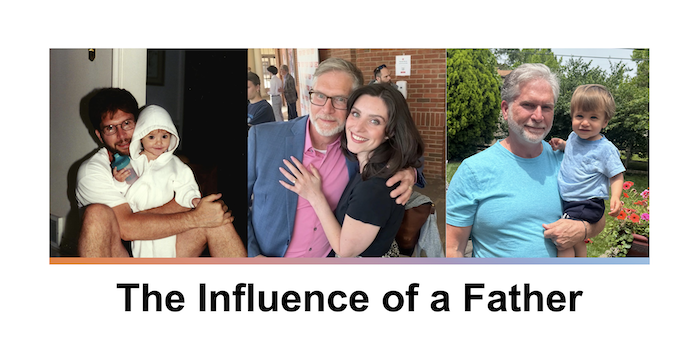
The fruits of this intentional parenting are evident in the lives of their children. Abigail, now 30 years old, is described by her father as a person who surpasses his own achievements and character at the same age. This sentiment is often echoed by parents who witness their children mature into more well-rounded and capable individuals. Such positive development, Ahearn emphasizes, does not occur by chance; it is the result of consistent effort and mindful guidance.
Children are innate observers, constantly absorbing lessons from their environment. They learn by watching how their parents navigate adversity, by listening to the tone and content of their conversations, and by scrutinizing the alignment between their parents’ words and actions. This process mirrors Robert Cialdini’s principle of consistency, a fundamental aspect of influence. When parents demonstrate consistency between their stated values and their behavior, they build credibility in the eyes of their children. Conversely, inconsistencies can erode trust and undermine the authority of their teachings. Long before children grasp the abstract concept of influence, they are internalizing its most potent form: the demonstration of authenticity and integrity.
The Evolving Role of Fatherhood: From Parent to Grandparent
The experience of fatherhood often evolves with time. Ahearn now embraces the role of grandfather to his 15-month-old grandson, Emmett. Living a mere ten minutes away from his daughter Abigail and her husband Tyler, Ahearn enjoys frequent and extended visits with Emmett. This new perspective offers a poignant reminder of the profound influence adults wield over the lives of children. Every smile, every word of encouragement, every moment of shared attention contributes to a child’s developing sense of self and their understanding of the world.
This heightened awareness of influence also underscores the significance of missed opportunities. For fathers, the message is clear: their impact is far greater than they might perceive. Children are constantly observing, even when they appear disengaged. A father’s presence, his words, his example, and most importantly, his love, are all powerful forces shaping a child’s life trajectory.
The ideal of fatherhood is not about achieving perfection, a state unattainable by any human. Instead, it is about intentionality. Fathers have the power to shape memories, cultivate beliefs, and instill habits that can endure a lifetime. The critical question is not whether a father will influence his children, but what kind of influence he will exert. This ongoing reflection is central to the enduring legacy of fatherhood.
Broader Societal Implications and Policy Considerations
The insights gleaned from personal experiences and psychological research have significant implications for public policy and societal well-being. The consistent link between father absence and negative outcomes for children underscores the importance of initiatives that support and encourage paternal involvement. These can include programs that promote responsible fatherhood, provide resources for single fathers, and foster stronger family connections within communities.
Organizations like the National Fatherhood Initiative advocate for policies that recognize and support the role of fathers in child development. Their research consistently highlights the economic and social costs associated with fatherlessness, including increased crime rates, higher rates of poverty, and lower educational attainment. Conversely, studies have also shown that when fathers are actively involved in their children’s lives, children tend to perform better academically, exhibit fewer behavioral problems, and have better long-term life outcomes.
The conversation around Father’s Day, therefore, extends beyond individual families. It touches upon critical issues of social equity, child welfare, and the fundamental building blocks of a healthy society. Understanding and valuing the multifaceted influence of fathers is essential for fostering environments where all children can thrive. By acknowledging the complexities and celebrating the profound impact of paternal figures, society can move towards a more supportive and nurturing landscape for families across the nation.
