

The practice of debreathing in voice-over production is a nuanced technique often misunderstood, leading to inconsistent application and potentially detrimental effects on the final audio. This article delves into the intricacies of debreathed audio, exploring its historical context, technical execution, and crucial considerations for professional voice artists and producers. The aim is to demystify the process, clarifying when and why it is appropriate, and more importantly, when it should be avoided to preserve the integrity and human quality of vocal performances.
Understanding the Technique: What is Debreathing?
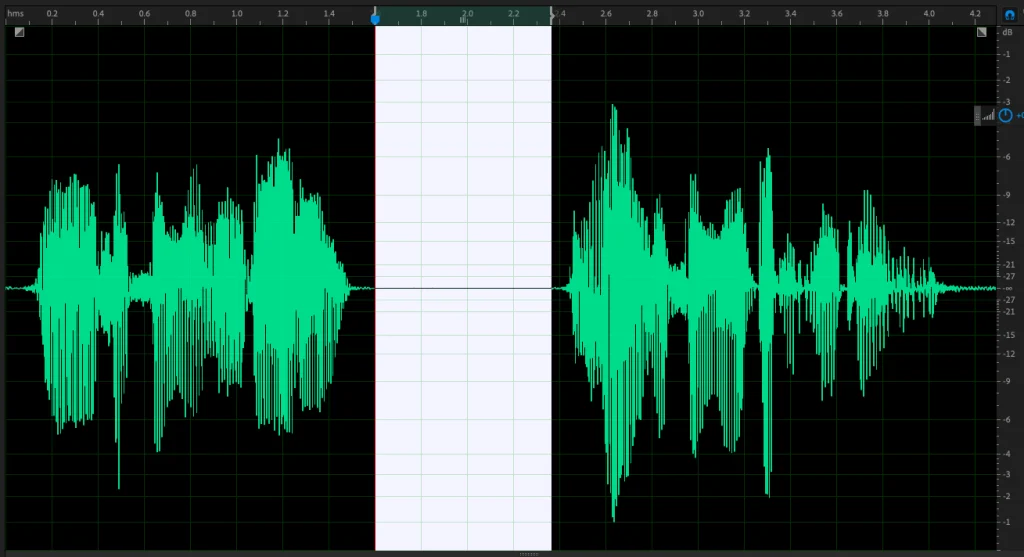
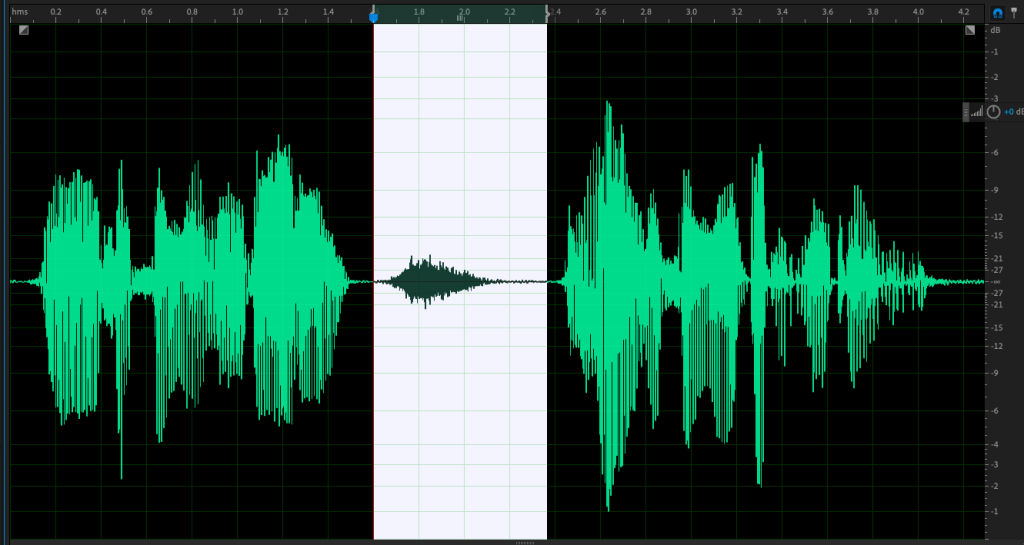
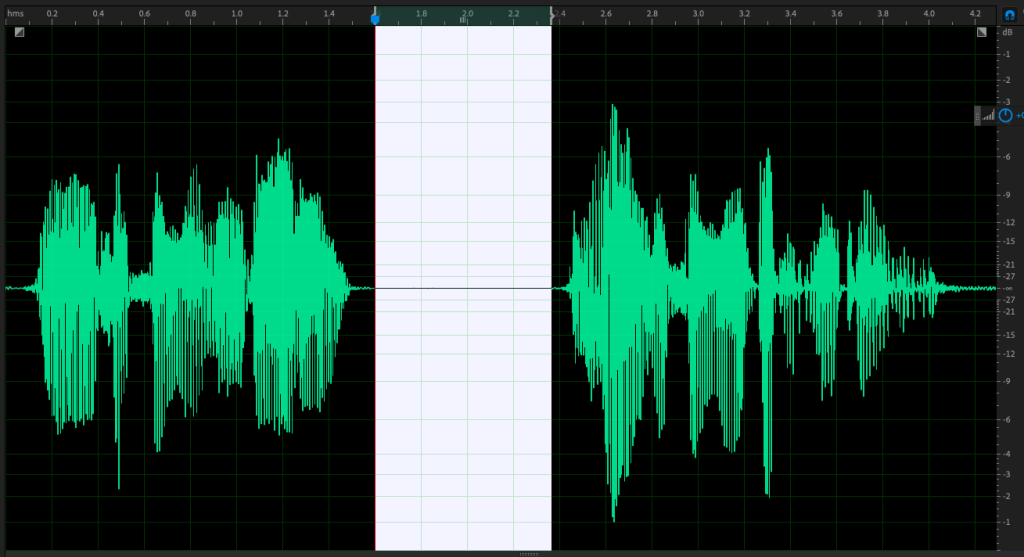
Debreathing, in essence, is the deliberate removal or silencing of audible breaths within a recorded vocal performance. This process typically involves identifying the specific sound waves corresponding to an inhale or exhale and then either attenuating them to an inaudible level (silencing) or completely excising them from the audio timeline, leaving a void. Digital audio workstations (DAWs) like Adobe Audition, Pro Tools, or Logic Pro are commonly used for this purpose, allowing editors to visually pinpoint and manipulate these breath sounds within the waveform.
For instance, a breath sound often appears as a distinct spike or cluster of activity in the audio spectrogram, usually occurring between spoken words or phrases. The decision to silence versus remove entirely is a critical one. Silencing a breath, while leaving the temporal space intact, generally results in a smoother transition and preserves the natural pacing of speech. Conversely, complete removal of the breath and its associated silence can create abrupt edits, disrupting the flow and potentially sounding unnatural if not handled with extreme care. This distinction is paramount in achieving a polished yet authentic vocal recording.
Historical Context and Traditional Application
Historically, the practice of debreathing voice-over recordings has been most prevalent in the realm of commercial advertising. The underlying rationale stems from a desire to create a seamless, distraction-free listening experience, ensuring that the advertising message is delivered with maximum impact and clarity. In this context, breaths were often perceived as interruptions that could detract from the core message or the overall polished aesthetic expected of broadcast commercials.
The prevalence of music beds, sound effects, and rapid-fire delivery in many advertisements meant that the absence of audible breaths was less likely to be noticed by the listener. The focus was on a clean, direct, and often energetic vocal performance designed to capture and hold attention. This tradition, rooted in the technical limitations and aesthetic preferences of early broadcast media, has persisted for decades.
The Evolving Definition of "Commercial" Voice-Over
A significant point of confusion arises from the dual interpretation of the term "commercial voice-over." On one hand, it can refer to any paid voice-over work, encompassing corporate narration, e-learning modules, and even internal company videos. On the other hand, and more traditionally, it refers to advertisements intended for public broadcast—television commercials, radio spots, cinema ads, and online video advertisements.
The critical distinction for voice artists lies in understanding which definition is intended by the client or production. While debreathing might be a standard practice for actual advertisements (the second definition), it is often inappropriate and counterproductive for other forms of paid voice-over work. Many voice artists, by default, debreath all "commercial" work, a practice that is increasingly being challenged and re-evaluated in the industry. The consensus among many seasoned professionals is that breaths should only be removed from actual advertisements unless explicitly instructed otherwise.
Why Debreathing Can Be Detrimental in Non-Advertising Contexts
The argument against debreathing voice-over recordings outside of advertisements is multi-faceted and grounded in human perception and the evolving landscape of audio production.
-
The Naturalness Factor: Humans are inherently accustomed to hearing others breathe during conversation. It is an integral part of natural human speech. When breaths are systematically removed from a vocal performance, especially in contexts where the voice is the sole or primary audio element, the result can feel artificial, sterile, and even unsettling. Listeners may subconsciously perceive an absence, creating a sense of unease or an expectation for a breath that never comes, leading to a feeling of being rushed or stressed. This effect is particularly pronounced in longer narrative pieces or corporate narrations where the pacing is intended to be more measured and conversational.
-
The Role of Breaths as Pauses: Audible breaths, even subtle ones, serve a crucial function as natural pauses. These pauses allow listeners time to process information, internalize the spoken words, and form their own thoughts or conclusions. In educational content, e-learning, or documentaries, these moments of reflection are vital for comprehension and retention. When breaths are removed, the speech can become a continuous, unrelenting stream of words, potentially overwhelming the listener and hindering their ability to fully absorb the content. This can lead to a diminished recall of the information presented, defeating the purpose of the recording.
-
The Trend Towards Naturalism: The current trend in voice-over is towards authenticity and natural delivery. Clients are increasingly seeking performances that sound less like a read script and more like a genuine human interaction. Removing breaths, by its very nature, strips away an element of this naturalness. It can transform a warm, engaging performance into something robotic, undermining the very human connection that voice-over aims to foster. This is particularly relevant when considering the rise of AI-generated voices, which, while improving, often lack the nuanced human qualities that audible breaths contribute.
-
Historical Evolution of Text-to-Speech: Even historically sophisticated text-to-speech systems, such as early versions of Siri or Google Assistant, were often criticized for their lack of audible breathing, contributing to their perceived artificiality. More recent advancements in AI vocal synthesis have begun to incorporate breathing sounds, recognizing their importance in creating more lifelike and relatable audio. This technological evolution underscores the human need for these natural vocal cues.
The Unintended Consequences of Noise Reduction Tools
A significant pitfall for many voice artists, particularly those working with less-than-ideal recording environments, is the accidental removal of breaths through the misuse of noise reduction tools. Software like noise gates and expanders are designed to attenuate or eliminate background noise during periods of silence in a vocal track. However, if these tools are set too aggressively, they can also inadvertently silence or remove the audible breaths that occur within those silences.
While the intention might be to clean up a noisy recording environment, the consequence is the same as deliberate debreathing: the human element of the performance is compromised. This approach is often seen as a shortcut or a "fudge" to compensate for poor acoustics rather than addressing the root cause. Professionals emphasize the importance of optimizing the recording environment first, rather than relying on post-production tools that can degrade the quality of the vocal performance.
Best Practices and Professional Recommendations
In light of these considerations, the following guidelines are recommended for voice artists and audio professionals:
-
Clarify Client Instructions: Always seek explicit clarification from clients or producers regarding their preferences for debreathing. If the project is an advertisement, it is generally safe to assume debreathing might be expected, but confirmation is still advised. For all other voice-over genres (corporate, narrative, e-learning, gaming, etc.), assume breaths should be left in unless specifically requested otherwise.
-
Prioritize Naturalness: Unless the context dictates otherwise (i.e., actual advertisements), aim for a natural and authentic vocal delivery. This includes allowing natural breaths to remain as part of the performance.
-
Master Audio Editing Techniques: For instances where debreathing is required, ensure proficiency in audio editing software. Practice silencing breaths rather than outright removing them to maintain the natural flow and pacing of the speech. Understand the visual cues in waveforms and spectrograms to accurately identify breath sounds.
-
Optimize Recording Environments: Invest in creating a well-treated recording space to minimize background noise. This proactive approach eliminates the need for aggressive noise reduction techniques that can compromise vocal quality.
-
Embrace Humanity in the Age of AI: As AI-generated voices become more sophisticated, the unique human qualities of voice-over artists—including their natural breathing patterns—become even more valuable differentiators. Embracing and retaining these human elements can be a significant advantage.
Analysis of Implications: A Shifting Industry Standard
The ongoing discussion around debreathing reflects a broader shift in the voice-over industry towards greater authenticity and a deeper understanding of human auditory perception. As technology advances and audience expectations evolve, the traditional practices of audio production are being scrutinized and refined.
The implications of this evolving standard are significant. For voice artists, it means a greater emphasis on natural delivery and a more nuanced approach to post-production. For clients, it highlights the importance of clear communication and understanding the impact of technical choices on the overall quality and effectiveness of their audio content. The move away from indiscriminate debreathing signifies a growing appreciation for the subtle, yet crucial, elements that define a human voice and make it relatable and engaging. Ultimately, the breath, once seen as a flaw to be eliminated, is increasingly recognized as an integral and defining characteristic of authentic human vocalization.
