

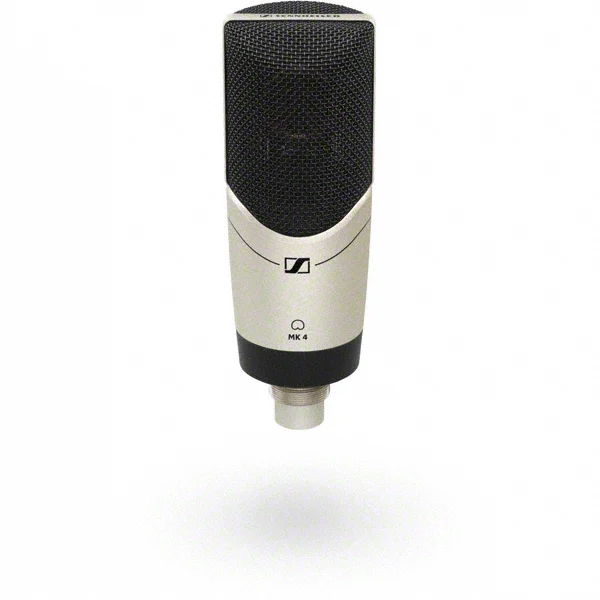
The pursuit of sonic excellence in voice over work necessitates a deep understanding of the tools that translate spoken word into compelling audio. For aspiring and seasoned voice actors alike, the microphone stands as the cornerstone of their recording setup. This comprehensive guide delves into the intricacies of selecting the optimal microphone, meticulously examining options across various budget tiers, from the entry-level beginner to the advanced professional. We will explore the fundamental technical aspects, dissect the pros and cons of different microphone types, and present a curated list of highly regarded models that cater to a diverse range of needs and financial commitments.
Understanding the Foundation: Essential Voice Over Recording Equipment
Before embarking on the microphone selection journey, it’s crucial to establish a baseline understanding of the necessary equipment for quality voice recordings. A well-rounded setup typically includes:
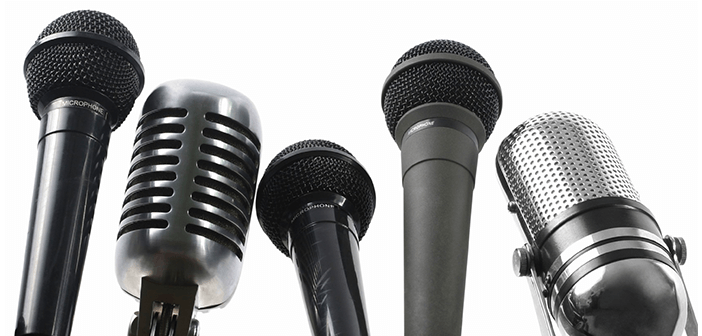
- Microphone: The primary device for capturing sound.
- Audio Interface: Connects the microphone to your computer and handles analog-to-digital conversion.
- Pop Filter/Windscreen: Essential for mitigating plosive sounds (P’s and B’s) and sibilance.
- Microphone Stand: Provides stable and adjustable positioning for the microphone.
- Headphones: For accurate monitoring of audio during recording and playback.
- Acoustic Treatment: While not always a primary purchase, managing your recording space’s acoustics is vital for professional sound.
This foundational knowledge empowers voice actors to formulate a realistic budget and prioritize investments, ensuring they are equipped for producing high-quality demo reels and audition materials.
Demystifying Microphone Technology: Types and Characteristics
The world of microphones can seem complex, but understanding the fundamental types and their operational principles is key to making an informed decision.
Phantom Power: The Unseen Energy Source
Many professional microphones, particularly condenser microphones, require an external power source to operate. This power is known as "phantom power," typically delivered through an XLR cable from an audio interface or mixer. It provides the necessary voltage for the microphone’s internal electronics, enabling it to convert subtle sound waves into a usable electrical signal. Fear not, as engaging phantom power is a straightforward process found on most modern audio interfaces and does not pose a risk to dynamic microphones, which do not utilize it.
The Versatility of USB Microphones
For beginners and those with limited technical expertise, USB microphones offer an appealing entry point.
-
USB Microphone Pros:
- Simplicity: Direct plug-and-play functionality with most computers, eliminating the need for additional audio interfaces.
- Portability: Often compact and self-contained, making them ideal for on-the-go recording.
- Cost-Effectiveness: Generally more affordable than traditional XLR microphone setups.
-
USB Microphone Cons:
- Limited Upgrade Path: Once a USB microphone is purchased, upgrading often means replacing the entire unit, unlike the modularity of XLR systems.
- Potential for Latency: In some cases, USB connections can introduce slight audio latency, though this is becoming less common with advancements in technology.
- Sound Quality Ceiling: While capable of good quality, they may not reach the same peak fidelity as high-end XLR microphones for critical professional applications.
Dynamic Microphones: Robust and Reliable
Dynamic microphones are known for their durability and straightforward design, making them a popular choice for various audio applications, including voice over.
-
Dynamic Mic Pros:
- Durability: Built to withstand rugged handling and high sound pressure levels, making them ideal for less controlled environments.
- No External Power Required: They do not require phantom power, simplifying setup.
- Excellent for Loud Sources: Well-suited for capturing loud instruments or handling strong vocal performances without distortion.
- Cost-Effective: Many excellent dynamic microphones are available at reasonable price points.
-
Dynamic Broadcast Voice Over Mic Cons:
- Lower Sensitivity: Generally less sensitive than condenser microphones, meaning they may require more gain from your preamp.
- Less Detail: May not capture the subtle nuances and high-frequency detail as effectively as condenser microphones.
- Bulkier Design: Some broadcast-style dynamic mics can be quite large and heavy.
Large Diaphragm Condenser Microphones: The Standard for Vocal Clarity
Large diaphragm condenser (LDC) microphones are widely considered the gold standard for vocal recording, including voice over, due to their sensitivity and ability to capture intricate details.
-
Large Diaphragm Condenser Pros:
- Exceptional Sensitivity: Capable of picking up the most subtle vocal inflections and nuances.
- Detailed and Rich Sound: Offer a broad frequency response and a warm, full-bodied sound often desired for voice work.
- High Fidelity: Known for their ability to reproduce sound with remarkable accuracy and clarity.
-
Large Diaphragm Condenser Cons:
- Fragility: More sensitive to physical shock and environmental factors like humidity.
- Requires Phantom Power: Necessitates an audio interface or mixer capable of supplying phantom power.
- Can Be More Expensive: Generally represent a higher investment compared to dynamic microphones.
- Susceptible to Background Noise: Their high sensitivity means they can pick up more ambient noise if not used in a well-treated environment.
Understanding Polar Patterns: The Microphone’s Directionality
A microphone’s polar pattern dictates its sensitivity to sound coming from different directions. This is a critical factor in isolating your voice and minimizing unwanted background noise.
-
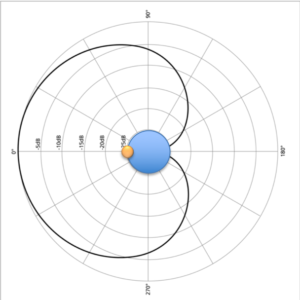
Cardioid: The most common pattern for voice over, cardioid microphones primarily pick up sound from the front, rejecting sound from the rear and sides. This directional focus is crucial for isolating the voice talent and reducing room echo. A perfectly cardioid pattern would reject all sound from the rear, but in practice, there’s often some pickup at 180 degrees off-axis. The diagram illustrates the heart-shaped sensitivity, emphasizing the front pickup.
-
Omnidirectional: These microphones pick up sound equally from all directions. While useful for capturing a room’s ambiance or for multiple speakers in a discussion, they are generally not ideal for isolated voice over work due to their susceptibility to room reflections.
-
Bidirectional (Figure-8): Bidirectional microphones pick up sound equally from the front and the rear, while rejecting sound from the sides. This pattern is often used for interviews when two people are facing each other with the microphone between them, or for capturing the sound of an instrument from both sides.
-
Hypercardioid: A tighter version of the cardioid pattern, hypercardioid microphones offer even greater side rejection but have a small lobe of sensitivity directly at the rear. This pattern can be beneficial in very noisy environments but requires precise positioning to avoid rear-facing noise.
For most voice over artists, a cardioid polar pattern is the essential requirement. Some high-end microphones, like the renowned Neumann U87, offer switchable polar patterns, providing greater flexibility.
Understanding Technical Features: Pads and Connectors
Beyond polar patterns, certain technical features can influence a microphone’s suitability for specific applications.
Pads: Managing Input Levels
A "pad" is a switch on a microphone that attenuates (reduces) the incoming audio signal. This is particularly useful when recording extremely loud sound sources, such as guitar amplifiers or very powerful vocals, to prevent distortion. For typical voice over applications, where vocal levels are usually managed through microphone technique and preamp gain, pads are less critical but can offer an additional layer of protection against clipping.
Jack vs. XLR Connectors: The Link to Your System
The type of connector a microphone uses is directly related to its signal transmission and power requirements.
-
XLR Connectors: These are the standard for professional microphones, characterized by their three-pin design. XLR cables are "balanced," meaning they employ a system that actively cancels out electromagnetic interference and noise picked up along the cable’s length. This balanced transmission, combined with the ability to carry phantom power, makes XLR the preferred choice for high-fidelity audio recording. Microphones requiring phantom power will invariably use XLR connections.
-
Jack Connectors (1/4" or 1/8"): Commonly found on consumer-grade microphones and instruments, jack connectors are typically unbalanced. While sufficient for many applications, they are more susceptible to noise and interference, especially over longer cable runs. For professional voice over work, microphones relying solely on jack connectors are generally considered a compromise and often indicate a less professional-grade piece of equipment.
Key Considerations When Choosing Your Voice Over Microphone
Selecting the ideal microphone involves a multifaceted approach, balancing technical specifications with your unique vocal characteristics and career aspirations.
The Interplay of Voice and Microphone
The fundamental principle is to find a microphone that captures your voice with minimal technical hurdles and the highest possible sound quality. Consider the natural timbre and frequency range of your voice. Some microphones have a "flat" frequency response, meaning they reproduce sound accurately without altering it. Others have inherent tonal characteristics that can either complement or detract from your voice. For instance, a microphone with a pronounced high-frequency lift might make a female voice sound overly sibilant (harsh "s" sounds), while a microphone with a warmer character might add desirable richness to a deeper male voice.
Budget as a Driving Factor
While the allure of top-tier, expensive microphones is undeniable, the "best" microphone for your voice isn’t always the most costly. Establishing a clear budget is paramount. This guide will present options that cater to various financial capacities, demonstrating that excellent voice over recordings are achievable across a spectrum of price points.
Beyond the Microphone: The Importance of the Ecosystem
It’s crucial to remember that the microphone is just one component of your recording chain. The quality of your audio interface, the acoustics of your recording space, and your microphone technique all play significant roles in the final sound. Investing in a high-quality microphone while neglecting these other areas can limit your results.
A Curated Selection of Voice Over Microphones by Budget Tier
The following list presents a range of microphones, recognized for their performance and suitability for voice over work, categorized loosely by their typical price points.
Entry-Level to Mid-Range Options (Approx. $100 – $400)
These microphones offer excellent value, providing professional-grade sound quality suitable for beginners and intermediate voice actors.
-
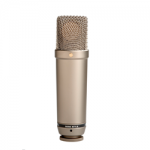
Rode NT1/NT2 (~$249/£200): The Rode NT1 and its successor, the NT2, have long been lauded as superb introductory microphones for voice over. They boast a quiet, neutral sound profile with impressive resonance and a wide dynamic range, making them capable of producing high-quality recordings. While seasoned audio engineers might detect a subtle "Rode sound," for newcomers, this microphone represents a robust and accessible option. Its low self-noise ensures clean recordings, and it’s a popular choice for those starting their journey.
-
Sennheiser MK4 (~$350/£300): A standout recommendation for any working voice artist, the Sennheiser MK4 offers exceptional performance for its price. Developed with insights from the same team behind the legendary Neumann U87, its diaphragm capsule delivers a sound that rivals microphones in higher price brackets. This cardioid-only microphone produces a wonderfully balanced sound suitable for both male and female voices. Its solid build quality and reliability make it a durable and long-term investment, offering outstanding value.
-
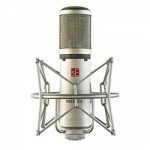
sE Electronics sE2200a II C ($299): This versatile large-diaphragm condenser microphone provides a clear, upfront sound that is highly desirable for voice over. It features a high-pass filter and a 10dB pad, offering valuable sound-shaping capabilities and contributing to its low self-noise. Its versatility makes it an excellent choice for new voice actors looking for a microphone that can adapt to various vocal styles.
-
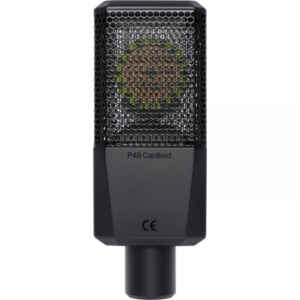
Lewitt LCT 440 Pure (£245): A more recent entrant to the voice over microphone market, the Lewitt LCT 440 Pure has garnered attention for its clear and crisp sound. This large-diaphragm cardioid condenser features an innovative open-front design, a magnetic pop shield, and an included shock mount. Its 1-inch condenser capsule delivers impressive clarity, making it a compelling option at its competitive price point.
-
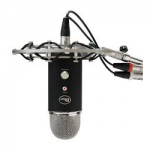
Blue Yeti Pro ($249.00): For those prioritizing USB connectivity and a budget-conscious approach, the Blue Yeti Pro stands out. While USB microphones are not typically the first choice for professional studios, the Yeti Pro offers a higher bit recording capability and the option for XLR connectivity, bridging the gap between consumer and professional audio. It’s a capable starting point for aspiring voice actors.
Professional Grade Options (Approx. $300 – $800)
These microphones represent a significant step up in sonic fidelity and are often found in semi-professional and professional studios.
-
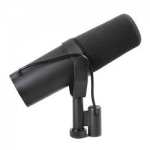
Shure SM7B ($349): A legendary microphone, particularly in broadcast radio, the Shure SM7B is a dynamic cardioid microphone celebrated for its exceptionally clear sound with a natural presence and warmth. Its broad frequency response can be tailored with a high-frequency boost option. Ideal for home studios, its integrated swing mount allows for precise positioning. While it excels in radio applications, its punchy, clear sound makes it a strong contender for voice over, especially for those who appreciate its robust, no-nonsense performance. It often requires a good quality preamp or a Cloudlifter to achieve optimal gain.
-
Audio-Technica AT4033 ($399): The AT4033 is a highly respected cardioid condenser microphone known for its excellent transient response and clean output signals. It features an 80Hz high-pass filter that can be switched between a flat frequency response and a low-end roll-off, effectively reducing ambient noise and plosives in close vocal applications. This makes it a versatile tool for capturing clean and articulate vocal performances.
-
Rode NTK ($529): Building on Rode’s reputation for quality, the NTK is a valve (tube) condenser microphone that delivers a warm, clear, and rich sound. Its rugged construction ensures durability, and the vacuum tube imparts a characteristic sonic warmth often sought after in vocal recordings. It offers a distinct tonal quality that can add a polished sheen to voice over work.
-
Audio Technica AT4047 ($699): Designed for a variety of professional audio applications, the AT4047 is a large-diaphragm condenser microphone that captures sonic characteristics reminiscent of vintage FET studio microphones. Its transformer-coupled output and specially tuned element contribute to its distinct sound. With low self-noise, a wide dynamic range, and high SPL capability, it offers excellent stability and sensitivity, making it a reliable choice for demanding voice over sessions.
High-End and Industry Standards (Approx. $800+)
These microphones are considered benchmarks in the industry, offering unparalleled sonic quality, versatility, and longevity.
-
Miktek C7 ($899): The Miktek C7 is a large-diaphragm FET condenser microphone that offers an exceptionally pleasing sound. Its versatility is enhanced by three selectable pickup patterns: cardioid, omnidirectional, and bidirectional. This allows for a wide range of recording possibilities, including capturing two sources simultaneously for interviews or dual-voiceovers, making it a highly adaptable tool for diverse voice over projects.
-
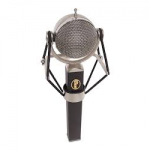
Blue Dragonfly ($400-$500 range depending on source): One of Blue Microphones’ more affordable, yet highly capable offerings, the Dragonfly provides a sweet, vintage-inspired sound that evokes the character of classic Neumann and AKG microphones. Its unique capsule design allows for extensive positioning flexibility relative to the sound source, opening up a world of sonic exploration for voice over artists seeking a distinctive tonal signature.
-
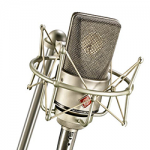
Neumann TLM 103 ($1,099): While not explicitly designed for voice work, the Neumann TLM 103 has become a highly recommended microphone by numerous voice actors. Its transformerless circuit design results in very low self-noise and a wide dynamic range. The cardioid capsule is finely tuned for acoustic balance and effective phase cancellation from the rear. A potential consideration is its inherent high-frequency lift, which can sometimes accentuate sibilance in higher female vocal ranges.
-
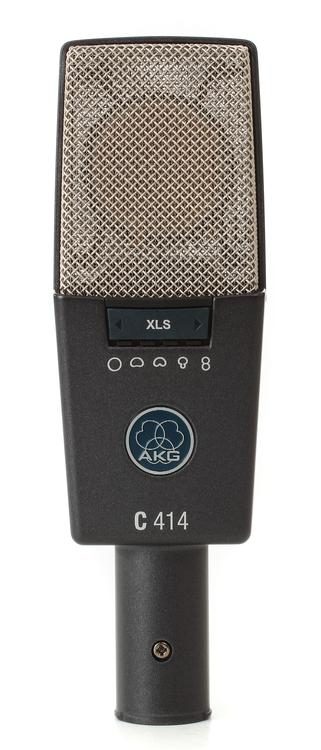
AKG C414 (Various Models, e.g., XLS, ~$1100): The AKG C414 is a studio workhorse and a professional benchmark. It offers an impressive pickup range with a beautifully flat frequency response, ensuring accurate sound reproduction. This robust microphone features switchable polar patterns and a pad setting, providing exceptional versatility for various recording scenarios. For any serious voice artist, the C414 is an investment that promises professional results.
-
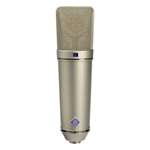
Neumann U87 ($3,180/£2,500): The Neumann U87 is arguably the most iconic microphone in professional recording studios worldwide. Its reputation as one of the finest vocal recording microphones is well-earned, reflected in its impeccable build quality, outstanding performance, and premium price tag. Featuring switchable polar patterns and a pad, it delivers a consistently flat response, making it exceptionally well-suited for both male and female voices. While a significant investment, it is an exceptional microphone that represents the pinnacle of vocal capture technology. For those seeking a similar sonic character at a fraction of the cost, the Sennheiser MK4 is often cited as a remarkable alternative.
-
Sennheiser MKH 416 (Circa $700/£550): The Sennheiser MKH 416 is one of the most ubiquitous microphones found in professional voice over studios globally. It’s a hypercardioid microphone, requiring careful on-axis positioning to achieve optimal results. While not originally designed for voice over, its unique characteristic is an incredibly punchy and clear commercial sound when used in close proximity. Its rugged construction makes it an ideal travel microphone. Many professional voice actors who own a 416 also possess a large-diaphragm condenser microphone to cover all recording eventualities, highlighting its specialized yet powerful application.
Conclusion: Making the Right Choice for Your Voice Over Career
The selection of the best microphone for voice over work is a deeply personal decision, contingent upon your budget, the specific demands of your voice, and the types of projects you aim to undertake. By understanding the fundamental differences between microphone types, their technical specifications, and the nuanced characteristics of each model, you can make an informed investment that will serve your career for years to come.
Remember to consider the entire recording chain, including your audio interface and acoustic treatment, as these elements are integral to achieving professional-grade sound. For those seeking further guidance on building a home recording studio and mastering the art of vocal capture, comprehensive resources such as dedicated courses are available to support your journey. Ultimately, the right microphone is not merely a piece of equipment; it is a partner in bringing your vocal talents to life.
