

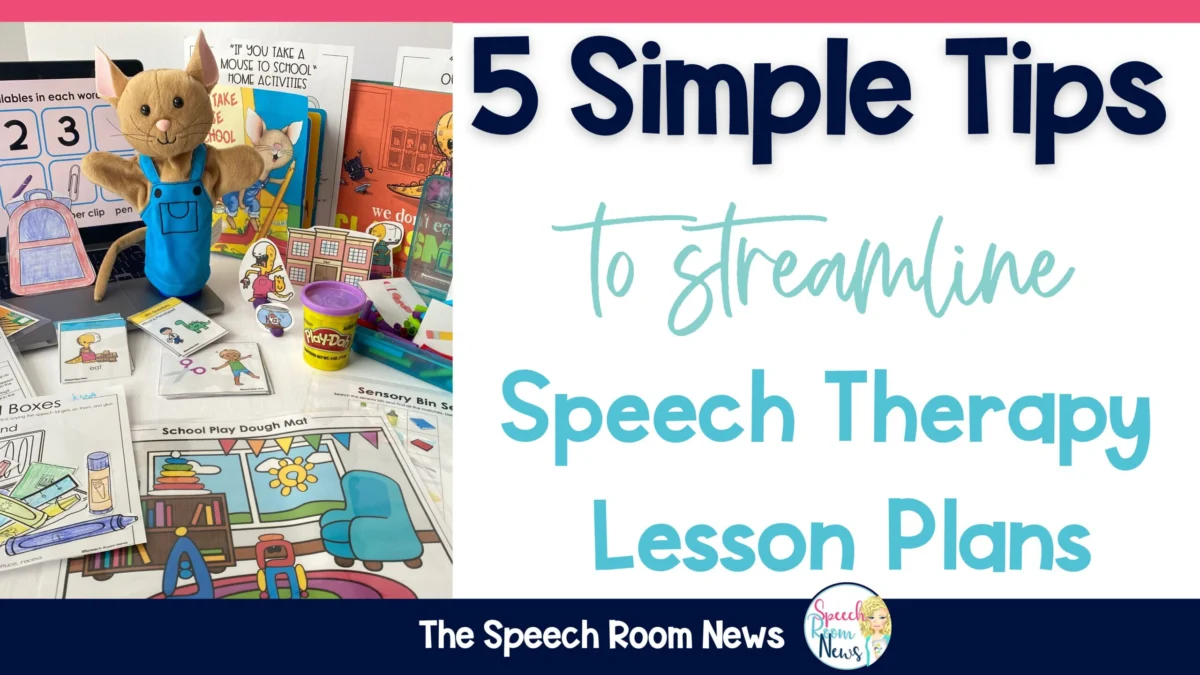
Speech-Language Pathologists (SLPs) in educational settings frequently navigate complex caseloads, diverse student needs, and demanding administrative responsibilities, necessitating highly efficient lesson planning to maximize therapeutic impact and minimize professional burnout. The initial overwhelm experienced by many new SLPs, often tasked with preparing individualized materials for dozens of students with varied goals, underscores a pervasive challenge within the field. However, a growing body of evidence and practical experience points towards a suite of strategic planning approaches that can significantly streamline the process, transforming extensive preparation into manageable, impactful interventions. These methods not only conserve valuable time for SLPs but also enhance the quality and consistency of therapy, fostering improved communication and academic success for students.
The demanding nature of a school-based SLP role is well-documented. Caseloads can range from 40 to 80 students, each with unique Individualized Education Program (IEP) goals spanning articulation, language comprehension and expression, social communication, fluency, and augmentative and alternative communication (AAC). Traditional planning, which might involve creating 50 distinct lessons per student per week, is simply unsustainable. This resource-intensive approach can lead to significant time spent on material preparation rather than direct student interaction, data analysis, or collaborative team meetings. The advent of more structured, adaptable planning frameworks offers a viable solution, allowing SLPs to leverage multi-purpose materials and integrate therapy seamlessly with broader educational curricula.
Strategic Frameworks for Modern Speech Therapy Planning
The evolution of speech therapy practices emphasizes adaptability and integration, moving away from isolated skill-and-drill exercises towards holistic, context-rich interventions. This shift has given rise to several effective planning paradigms that not only streamline an SLP’s workflow but also promote deeper learning and generalization of skills for students.
1. Embracing Theme-Based Therapy Planning
One of the most impactful strategies for consolidating lesson preparation is the adoption of a theme-based therapy plan. This approach involves selecting a central theme for a week or month – such as "fall harvest," "ocean animals," or "community helpers" – and then coordinating all therapeutic materials and activities around that singular concept. By aligning books, toys, worksheets, and crafts to a consistent theme, SLPs can address a multitude of student goals within a cohesive and engaging context. For instance, an "ocean animals" theme could be used to target:
- Articulation: Practicing /sh/ sounds with "sharks," /f/ sounds with "fish," or /s/ blends with "starfish."
- Language: Developing vocabulary related to marine life, describing attributes of different animals, sequencing events from a story about a whale, or following multi-step directions to create an ocean craft.
- Social Communication: Engaging in turn-taking during a themed game, discussing preferences for ocean creatures, or role-playing a visit to an aquarium.
The primary advantage of themed therapy plans lies in their reusability and progressive development. Once a comprehensive set of materials for a particular theme is assembled, it can be adapted and enhanced year after year, significantly reducing future planning time. Furthermore, themes readily align with classroom curricula, facilitating carryover of skills and reinforcing academic concepts. This alignment can also strengthen collaboration between SLPs and classroom teachers, fostering a more integrated educational experience for students. Anecdotal reports from experienced SLPs suggest that themed planning can reduce weekly preparation time by up to 30-40% compared to individualized lesson creation for each student.
2. Implementing Literacy-Based Therapy Plans
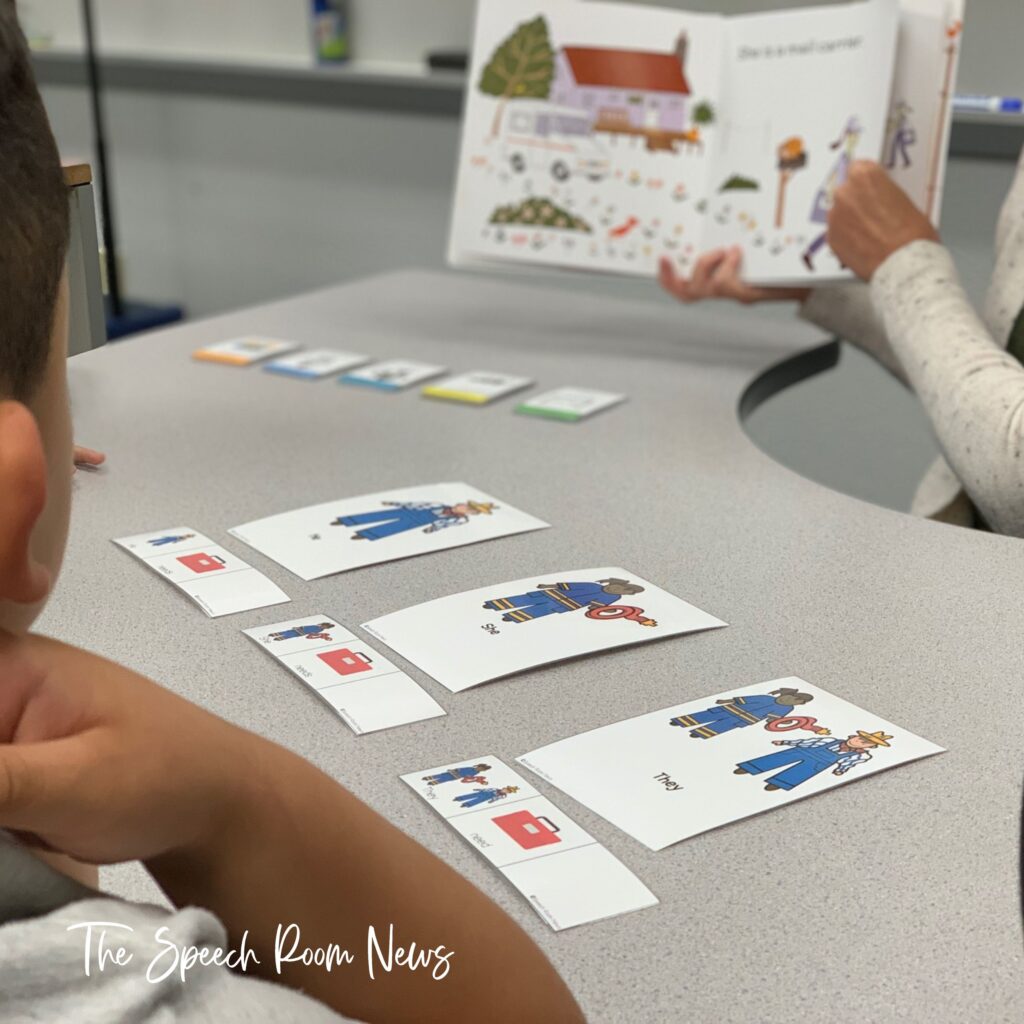
Integrating high-quality picture books into therapy sessions forms the cornerstone of a literacy-based therapy plan. This approach is highly effective for targeting a broad spectrum of speech and language goals within a natural, meaningful context, particularly beneficial for mixed groups. Picture books provide rich opportunities for vocabulary development, narrative skills, comprehension, and critical thinking, all while maintaining student engagement. Many pre-made materials are available online for popular children’s books, further reducing preparation time.
A typical literacy-based intervention framework includes:
- Pre-story knowledge activation: Encouraging students to predict, make connections, and recall prior experiences related to the book’s theme.
- Shared story reading: Engaging in interactive reading, pausing to discuss vocabulary, character motivations, and plot points.
- Focused-skill activities: Targeting specific IEP goals derived from the book. For example, using character dialogue to practice articulation, identifying story elements for narrative recall, or inferring feelings based on illustrations.
- Post-story comprehension discussion: Reviewing the story, summarizing key events, and extending learning through related activities.
The strategic reuse of books and associated materials over multiple sessions or even weeks amplifies the efficiency of this method. By selecting books that resonate with classroom topics, SLPs can directly support academic curriculum goals, demonstrating the functional relevance of speech and language skills. This interdisciplinary approach not only strengthens student learning but also elevates the SLP’s role as a vital member of the educational team, contributing directly to literacy development across grade levels, even into secondary education where adapted chapter books can serve a similar purpose.
3. Adopting a Narrative Language Approach
While sharing similarities with literacy-based therapy, the narrative language approach distinctively focuses on teaching storytelling skills as a primary vehicle for targeting broader speech and language objectives. This method recognizes that strong narrative abilities are foundational for academic success, influencing reading comprehension, written expression, and social interaction.
In a narrative language intervention, SLPs typically present various stories, often with similar structures or themes, over a series of sessions. The emphasis is on developing students’ abilities in story retelling and story generation tasks, employing a deep dive into story grammar (e.g., characters, setting, initiating event, internal response, plan, attempt, consequence, resolution) and advanced linguistic elements like complex syntax and rich vocabulary.
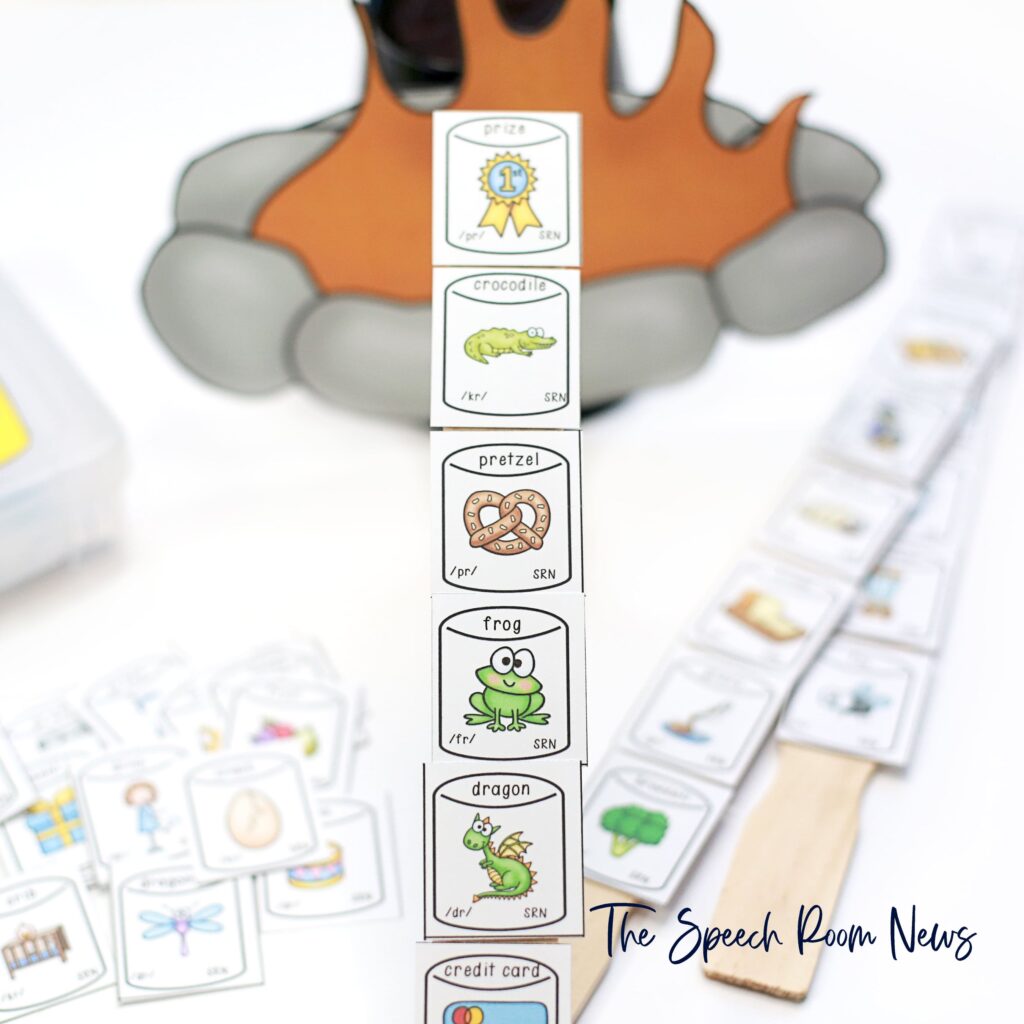
The significant benefit of this approach is its direct impact on curriculum success. By improving narrative skills, students are better equipped to understand and produce academic texts, follow classroom instructions, and participate effectively in discussions. The carryover of skills from the therapy room to the classroom is often more pronounced, as narrative competence is a pervasive requirement across all subjects. Resources such as visual story grammar icons can be invaluable tools, providing students with a concrete framework to deconstruct and construct stories, thereby supporting their language organization and expression. This approach is particularly effective for students with language impairments who struggle with the coherence and structure of spoken and written narratives.
4. Maximizing a Single Therapy Toy or Game for Diverse Goals
Perhaps the most universally appealing and time-saving strategy involves leveraging a single, versatile toy or game to target an array of speech and language goals. This method epitomizes low-prep, high-impact therapy, requiring minimal advanced planning and maximal creativity during the session. The inherent engagement of play-based learning naturally motivates students and provides abundant opportunities for spontaneous communication.
Consider classic games or common classroom items:
- Candyland: Beyond its original gameplay, Candyland can be transformed into a dynamic therapy tool. Custom cards can be created to target articulation sounds (e.g., "Say /k/ 5 times to move"), vocabulary (e.g., "Name 3 sweet things to move"), concepts (e.g., "Describe something big to move"), sequencing (e.g., "What happens after you land on the gingerbread man?"), or even social skills (e.g., "Ask your friend for help to move"). Bundled companion sets, often available from educational resource providers, further expand its utility across various IEP goals.
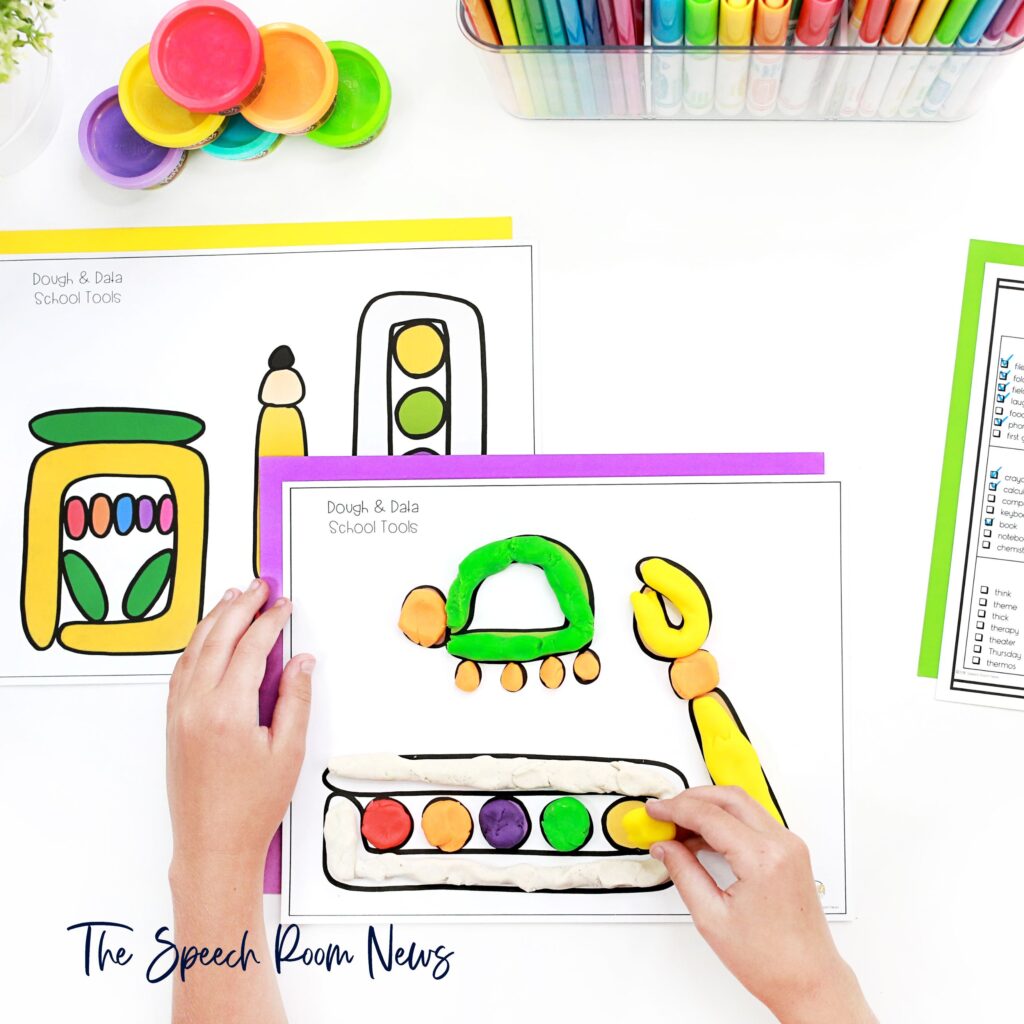
- Play-Doh: This malleable medium offers endless therapeutic possibilities. Beyond fine motor development, Play-Doh facilitates:
- Descriptive Language: "Make a long, thin snake." "Squish the red blob."
- Following Directions: "Roll two balls and put them on top."
- Vocabulary: Naming colors, shapes, actions.
- Articulation: Practicing target sounds while shaping objects.
- Progress Monitoring: Using "Dough Data" mats allows SLPs to integrate data collection seamlessly into play, where students trace shapes or create items while practicing specific skills, providing a naturalistic measure of progress without interrupting engagement.
- Mini Objects: These small, tangible items are a goldmine for speech therapy. Their portability, novelty, and concrete nature make them ideal for:
- Vocabulary Building: Naming, categorizing, describing.
- Articulation Practice: Selecting objects containing target sounds.
- Prepositional Concepts: "Put the car under the box."
- Sentence Formulation: "The dog is on the rug."
- Story Retell/Generation: Using objects as props for narrative creation.
- Memory Games: Matching or recalling objects.
Mini objects integrate well with sensory bins, play scenes, or simple sorting tasks, keeping sessions fresh and motivating.
- Themed Toys (e.g., Crocodile Dentist, Ice Cream Shop): Specific toys can anchor entire thematic units. For instance, the "Crocodile Dentist" game can be used during a dental health theme to practice target sounds related to teeth or doctors, discuss dental hygiene vocabulary, or sequence steps for brushing. The "Melissa & Doug Ice Cream Shop" is excellent for:
- Vocabulary: Flavors, toppings, cones, scoops.
- Verbs/Prepositions: "Put on," "take off," "on top of," "under."
- Following Multi-step Directions: "Put chocolate on the vanilla, then add sprinkles."
- Social Language: Role-playing ordering, turn-taking, making requests.
- Preschool Evaluations: Provides a natural context for assessing spontaneous language, vocabulary, and play skills. Pairing these toys with related books (e.g., "Should I Share My Ice Cream?" by Mo Willems) further enriches the learning experience.
The power of a single toy or game lies in its ability to be a flexible scaffold, adaptable to the varying needs and goals of students in a mixed therapy group, making each session productive and engaging.
5. Standardizing AAC Core Word of the Week Lessons
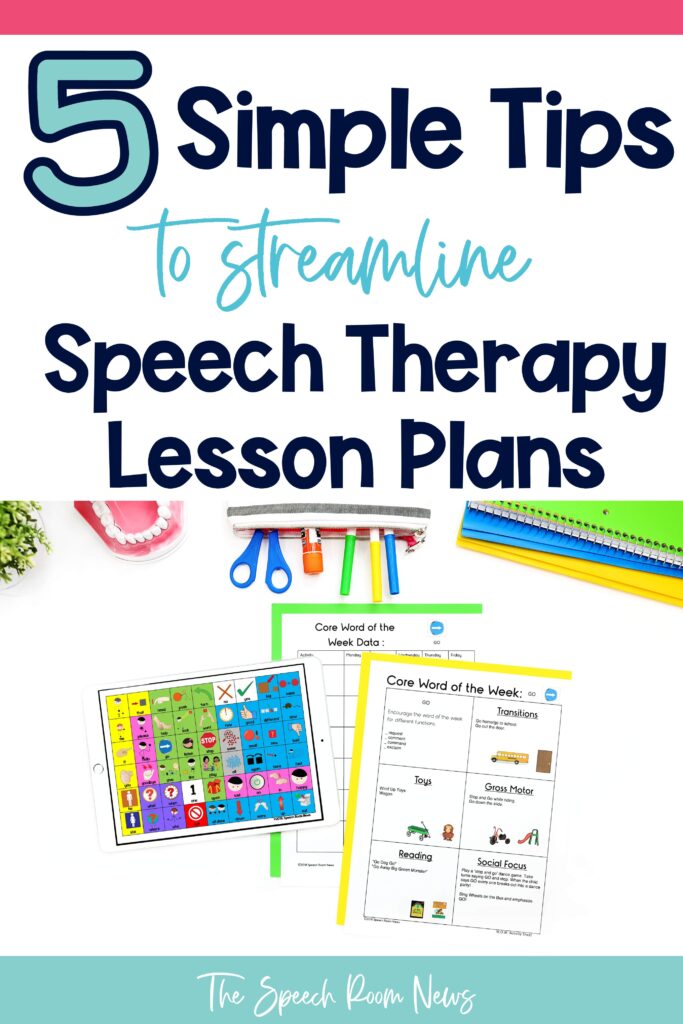
For students utilizing Augmentative and Alternative Communication (AAC), a structured "Core Word of the Week" (WOW) approach significantly simplifies planning and promotes consistent vocabulary acquisition. Core words are high-frequency words that comprise the majority of daily communication (e.g., "go," "want," "more," "stop"). By focusing on a small set of core words each week, SLPs can:
- Provide Systematic Instruction: Ensures consistent exposure and practice across various contexts.
- Facilitate Generalization: Promotes the use of these essential words in diverse situations.
- Enhance Collaboration: Provides a clear framework for all support staff (teachers, paraprofessionals, parents) to reinforce the target words, fostering a truly inclusive communication environment.
AAC Core Word WOW lessons typically include a comprehensive packet that can be printed or customized digitally. These packets often contain a month’s worth of instruction, targeting 4-5 core words at a time. Elements may include visual aids, activity ideas for different settings, suggestions for modeling the words, and parent letters to encourage home practice. This standardized approach ensures that instruction is cohesive and that all members of a student’s IEP team are working towards common communication goals. The systematic introduction and repeated exposure to core vocabulary are crucial for developing communicative independence and reducing the cognitive load on SLPs who no longer need to invent new ways to teach these fundamental words each week.
Bonus Tip: Cultivating a "Grab and Go" Material Inventory
Beyond structured planning frameworks, maintaining a readily accessible collection of "Grab and Go" materials is an indispensable strategy for any SLP. These pre-prepped resources serve as invaluable backups for unexpected schedule changes, impromptu sessions, substitute SLPs, or simply as versatile fillers when a primary activity concludes earlier than anticipated. This inventory acts as a safety net, ensuring that therapy sessions remain productive even when time for elaborate preparation is scarce.
Essential "Grab and Go" items often include:
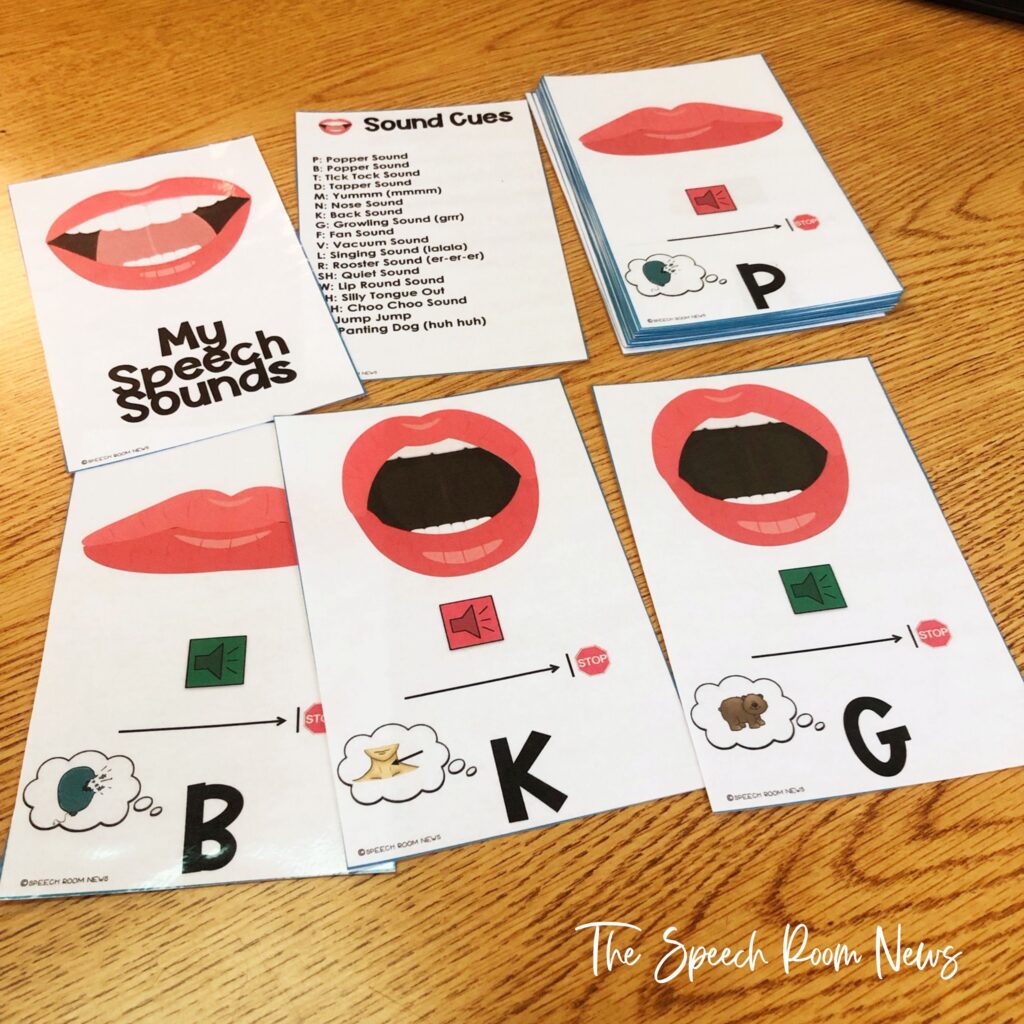
- Speech Helpers: Mini-books or posters illustrating articulators (tongue, teeth, lips) and their functions, useful for articulation therapy across age groups.
- Behavior Supports: Visual schedules, first/then boards, token boards, and social stories to assist with classroom management and reinforce positive behaviors. These are crucial for creating a predictable and supportive therapeutic environment.
- Articulation Cards: Comprehensive sets of cards targeting various phonemes at different word positions and complexity levels. These are fundamental for articulation and phonological therapy.
- Speech Sound Articulation Posters: Visual aids for common speech sounds, serving as quick references during therapy and for teaching phonemic awareness.
- Print & Go Articulation and Phonology Home Packets: Ready-to-send packets for parents to facilitate home practice, promoting generalization and maximizing therapy outcomes.
The strategic accumulation of these basic, highly adaptable materials significantly reduces stress and last-minute scrambling. It empowers SLPs to maintain consistency in their practice, even amidst the unpredictable nature of school-based work.
Broader Implications and Future Outlook
The implementation of these streamlined lesson planning strategies extends far beyond mere time-saving. They represent a paradigm shift towards more effective, evidence-based, and sustainable speech therapy practices. By reducing the administrative burden, SLPs can dedicate more energy to direct student intervention, detailed data collection, progress monitoring, and meaningful collaboration with educators and families. This, in turn, can lead to:
- Improved Student Outcomes: Consistent, well-planned therapy delivered in engaging contexts fosters stronger skill acquisition and generalization.
- Enhanced SLP Well-being and Retention: Reduced planning stress contributes to lower burnout rates, increased job satisfaction, and a more stable workforce in a profession often challenged by high demands.
- Greater Educational System Efficiency: Optimized SLP workflows contribute to a more effective special education department, demonstrating responsible use of resources and maximizing the impact of specialized services.
- Stronger Home-School Connection: Standardized materials and clear communication frameworks facilitate greater parent involvement and support for therapy goals at home.
As educational environments continue to evolve, the need for adaptable and efficient practices in speech-language pathology will only grow. Embracing these planning methodologies is not just about making an SLP’s job easier; it is about elevating the quality of care, fostering stronger communication skills in students, and ensuring the long-term sustainability and impact of this vital profession. The ongoing sharing of innovative strategies and resources within the SLP community remains crucial for continuous improvement and collective success in serving students with communication needs.
