

In an increasingly busy world, parents of children facing speech and language developmental delays often struggle to find dedicated time for crucial therapeutic practice. However, a growing body of research and expert consensus points to the untapped potential within routine daily activities, particularly the ubiquitous car commute, as an ideal environment for fostering these essential communication skills. This strategic utilization of "found time" not only maximizes valuable developmental opportunities but also transforms potentially mundane journeys into engaging, distraction-free learning experiences that significantly contribute to a child’s linguistic growth.
The Critical Importance of Early Speech and Language Intervention
Speech and language development are foundational pillars of a child’s overall cognitive and social growth. Delays in these areas, which affect an estimated 8-12% of preschool-aged children and up to 1 in 5 children between the ages of 3 and 17, can have far-reaching implications. Untreated speech sound disorders can lead to difficulties in reading and writing, academic underachievement, and social isolation. Language delays, encompassing challenges with understanding (receptive language) or expressing (expressive language) thoughts, can impact a child’s ability to form relationships, follow instructions, and succeed in educational settings. Early intervention is paramount, with studies consistently showing that children who receive timely support demonstrate significantly better outcomes than those whose difficulties are addressed later. The consistency of practice, both in formal therapy settings and at home, is a critical factor in the efficacy of these interventions, making the integration of learning into daily routines a strategic imperative for parents and caregivers.
The Car: An Unexpectedly Optimal Learning Environment
While often perceived as a period of passive travel or a prime opportunity for screen time, the car interior presents several unique advantages for speech and language practice. Firstly, it offers a relatively distraction-free environment. Unlike a bustling home filled with toys, television, or siblings, the confined space of a vehicle naturally limits external stimuli, allowing for more focused interaction between parent and child. This dedicated attention can be particularly beneficial for children with attention deficits or those easily overstimulated.
Secondly, car conversations naturally foster a back-and-forth rhythm of communication. Parents are physically close to their children, facilitating eye contact and active listening. This promotes turn-taking, an essential pragmatic skill, and encourages sustained dialogue. Furthermore, the dynamic scenery outside the car windows provides a rich, natural context for vocabulary expansion. Road signs, passing vehicles, buildings, and natural landscapes offer countless opportunities to introduce new words, describe actions, categorize objects, and discuss concepts in a real-world setting. This organic exposure to language, tied directly to observable phenomena, enhances comprehension and retention. Beyond developmental benefits, engaging in these activities also serves a practical purpose: it can significantly alleviate "boredom" during commutes, replacing passive consumption of media with active, meaningful engagement, thereby reducing common behavioral challenges associated with long car rides.
Expert Endorsement: Bridging the Gap Between Therapy and Home Life
Speech-Language Pathologists (SLPs) universally advocate for the crucial role of parental involvement in a child’s therapeutic journey. While structured therapy sessions are vital, the true measure of success often lies in the child’s ability to generalize learned skills to various environments and integrate them into everyday communication. This concept, known as "carryover," is where home-based practice becomes indispensable. Experts emphasize that consistent, short bursts of practice throughout the day are often more effective than infrequent, lengthy sessions, particularly for young children.
"The daily car ride is an invaluable, often overlooked, window for communication development," states Dr. Evelyn Reed, a pediatric Speech-Language Pathologist with over two decades of experience. "Parents frequently express concern about finding enough time to practice. By providing them with simple, engaging strategies for the car, we empower them to become active participants in their child’s progress, transforming mundane moments into powerful learning opportunities. It demystifies speech therapy and shows parents that language learning doesn’t just happen in a clinic; it happens everywhere." Such practical, accessible methods help to alleviate the stress parents often feel about supporting their child’s therapy goals amidst their already packed schedules, demonstrating that effective intervention can be subtly woven into the fabric of daily life.
Strategic Games for On-the-Go Development
Leveraging the unique environment of the car, several simple yet highly effective games can be employed to target specific speech and language goals. These activities are designed to be low-prep, require no special materials, and are adaptable to various age groups and developmental levels.
1. The Grocery Game: Cultivating Question Formation and Categorization
Description: This game focuses on developing question formation skills, a critical component of both receptive and expressive language, as well as higher-order thinking. One player secretly selects an item typically found in a grocery store. Other players take turns asking yes/no questions to deduce the item. The game’s structure naturally prompts the use of correct word order for interrogative sentences (e.g., "Is it in the freezer aisle?", "Do you drink it?", "Can you eat it for breakfast?").
Targeted Skills and Benefits:
- Question Formation: Directly addresses the grammatical structure of questions, moving beyond simple declarative sentences. This is crucial for information gathering, social interaction, and academic inquiry.
- Vocabulary Expansion: Encourages the use of descriptive adjectives (e.g., "Is it crunchy?", "Is it sweet?"), verbs (e.g., "Do you slice it?", "Do you cook it?"), and nouns related to food and store departments.
- Categorization: Players implicitly (and explicitly) use categories to narrow down choices (e.g., "Is it a fruit?", "Is it a dairy product?"). This skill is fundamental for organizing information and developing semantic networks.
- Functions and Associations: Questions like "Does it melt?" (function) or "Does it go on bread?" (association) encourage children to think about an object’s purpose and its relationships with other items, enhancing their understanding of the world.
- Inferencing and Problem-Solving: Children must use the answers to previous questions to make logical deductions, fostering critical thinking.
- Memory and Auditory Processing: Players must remember previously asked questions and answers to avoid repetition and efficiently narrow down the possibilities.
Adaptations: For younger children, the adult can provide a visual cue or a simpler category. For older children, introduce more abstract items or allow for more complex "wh-" questions (e.g., "What color is it?", "Where in the store would you find it?").
2. Red Light Race: Enhancing Articulation Through Auditory Bombardment
Description: This dynamic game is designed to boost articulation skills and phonological awareness. During stops at red lights, players take turns naming as many items as possible that contain a specific "target sound" within a chosen category. One person counts the named items. The adult player should prominently model the target sound to provide "auditory bombardment," a technique where the child hears the target sound frequently and accurately, helping them to focus on and internalize its correct production.
Targeted Skills and Benefits:
- Articulation Practice: Provides high-frequency repetition of target sounds in a natural, engaging context, reinforcing correct tongue and lip placement. This is particularly effective for children working on specific speech sounds (e.g., /s/, /r/, /l/, /th/).
- Auditory Bombardment: By hearing the target sound repeatedly and correctly from the adult, children’s auditory systems are primed to recognize and discriminate the sound, a crucial step before they can produce it accurately themselves.
- Phonological Awareness: Encourages children to actively listen for and identify sounds within words, a foundational skill for literacy development.
- Vocabulary Retrieval and Categorization: Children must quickly access vocabulary words from a specific category that also contain the target sound, improving their semantic organization and word retrieval speed.
- Turn-Taking and Fluency: The rapid-fire nature of the game promotes quick thinking and fluent speech within a social interaction.
Example Categories (with potential target sounds):
- "S" sound: Things you see (sun, sign, street, school, store), animals (snake, seal, horse), food (soup, salad, sausages).
- "R" sound: Things that are red (rose, fire truck, stop sign), animals (rabbit, rat, reindeer), things you can read (book, newspaper, letter).
- "L" sound: Things that are long (road, rope, ladder), animals (lion, lamb, lizard), things you like (love, listen, laugh).
- "K" sound: Things in the kitchen (cup, knife, fork, cookie), animals (cat, cow, chicken), things you can kick (ball, can, rock).
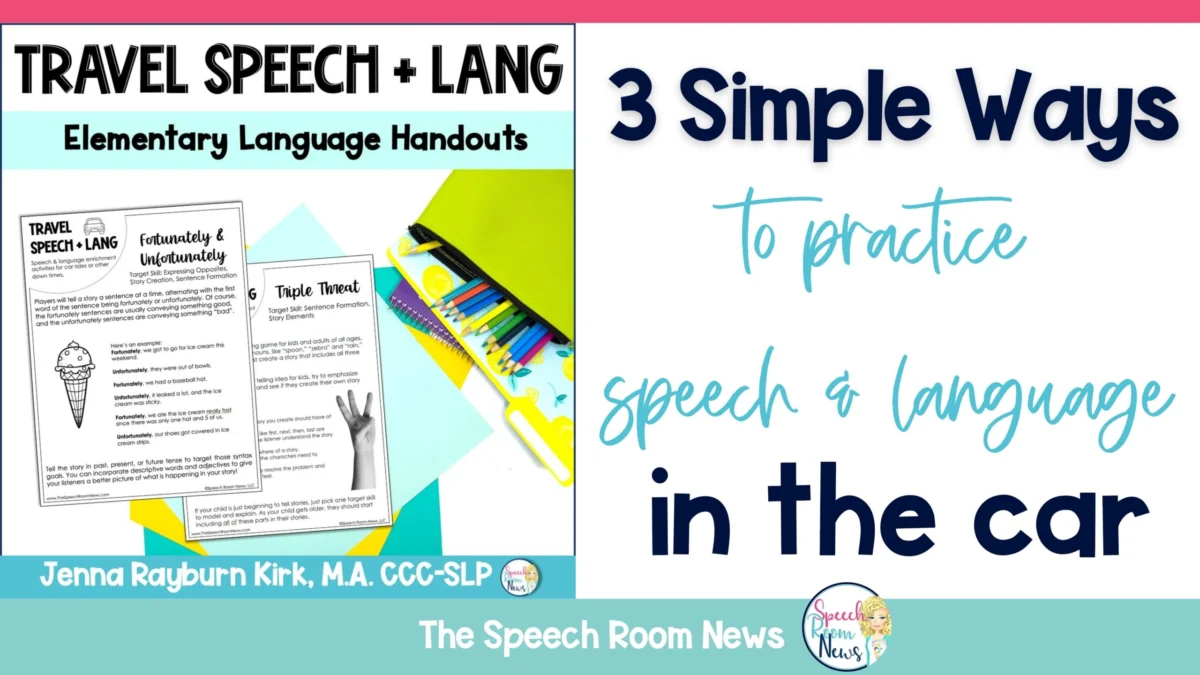
3. Triple Threat: Fostering Narrative Skills and Sentence Complexity
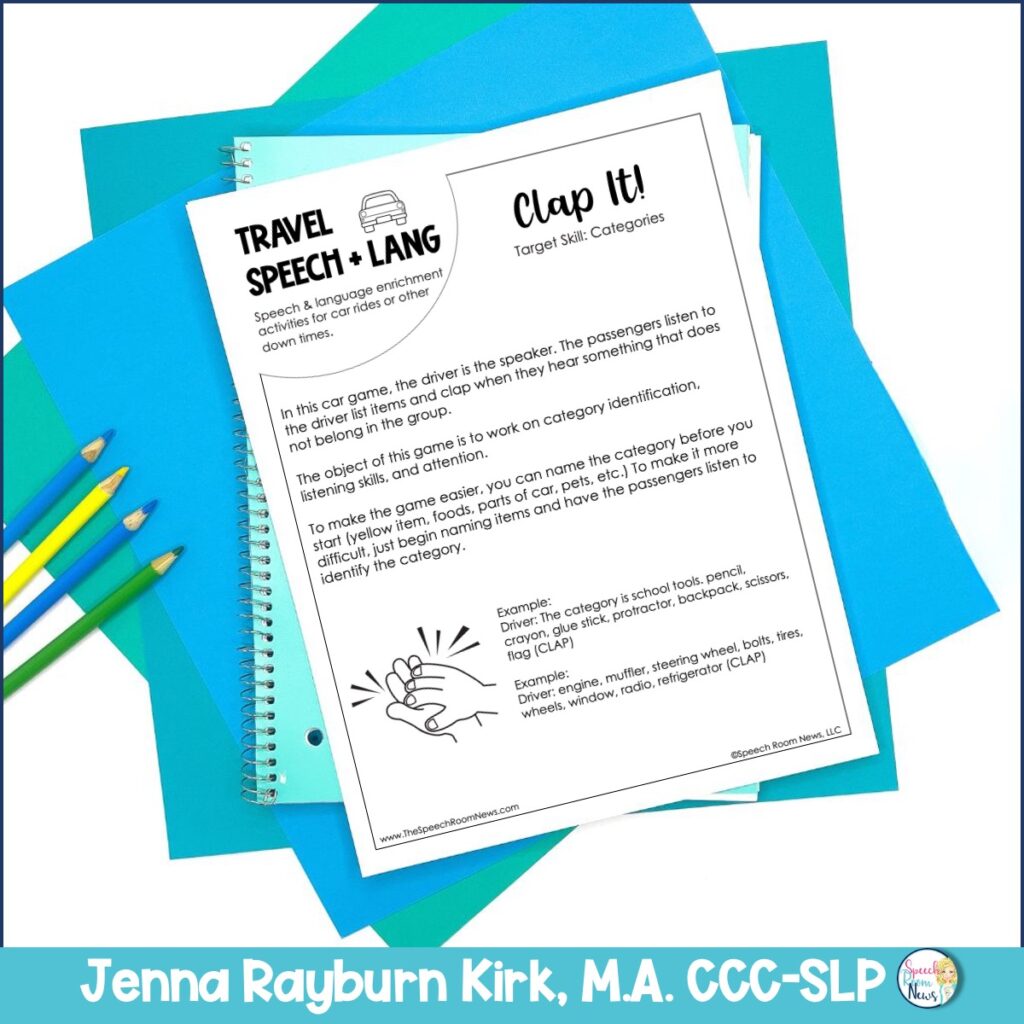
Description: This imaginative game encourages creative thinking, complex sentence formation, and narrative construction. An adult provides three unrelated nouns (e.g., "dog," "milk," and "bike"). The child’s task is to create a short story that incorporates all three items. The sillier the story, the more fun it often becomes, reducing pressure and encouraging free expression.
Targeted Skills and Benefits:
- Sentence Formation and Grammar: Children must construct grammatically correct and increasingly complex sentences to link the disparate elements into a coherent narrative. This can involve using conjunctions, adverbs, and varied sentence structures.
- Story Retell and Narrative Skills: This activity directly develops the ability to sequence events, identify characters, settings, and plot points, and build a cohesive story arc. Narrative skills are vital for reading comprehension, written expression, and social communication.
- Vocabulary Integration: Encourages children to use a wider range of vocabulary to describe the nouns, actions, and emotions within their story.
- Imagination and Creativity: The challenge of connecting unrelated items stimulates imaginative thought and divergent thinking, crucial for problem-solving and innovation.
- Logical Cohesion and Coherence: While the stories can be silly, the underlying task is to make them logically flow, even if the logic is fantastical. This helps children understand cause-and-effect and temporal sequencing.
- Perspective-Taking: Depending on the story, children might explore different points of view or character motivations.
Example Combinations:
- "Cloud," "shoe," "banana"
- "Robot," "tree," "pencil"
- "Ocean," "hat," "music"
Empowering Parents with Structured Resources
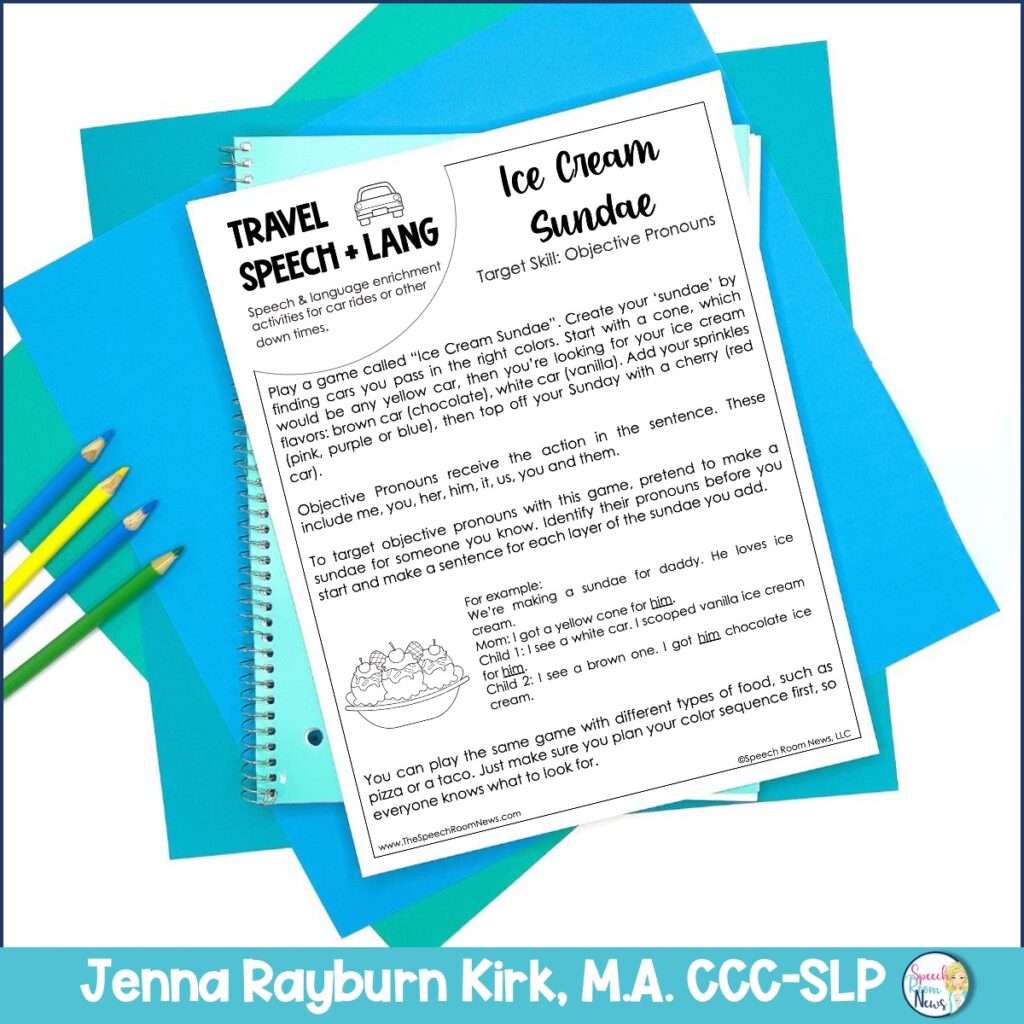
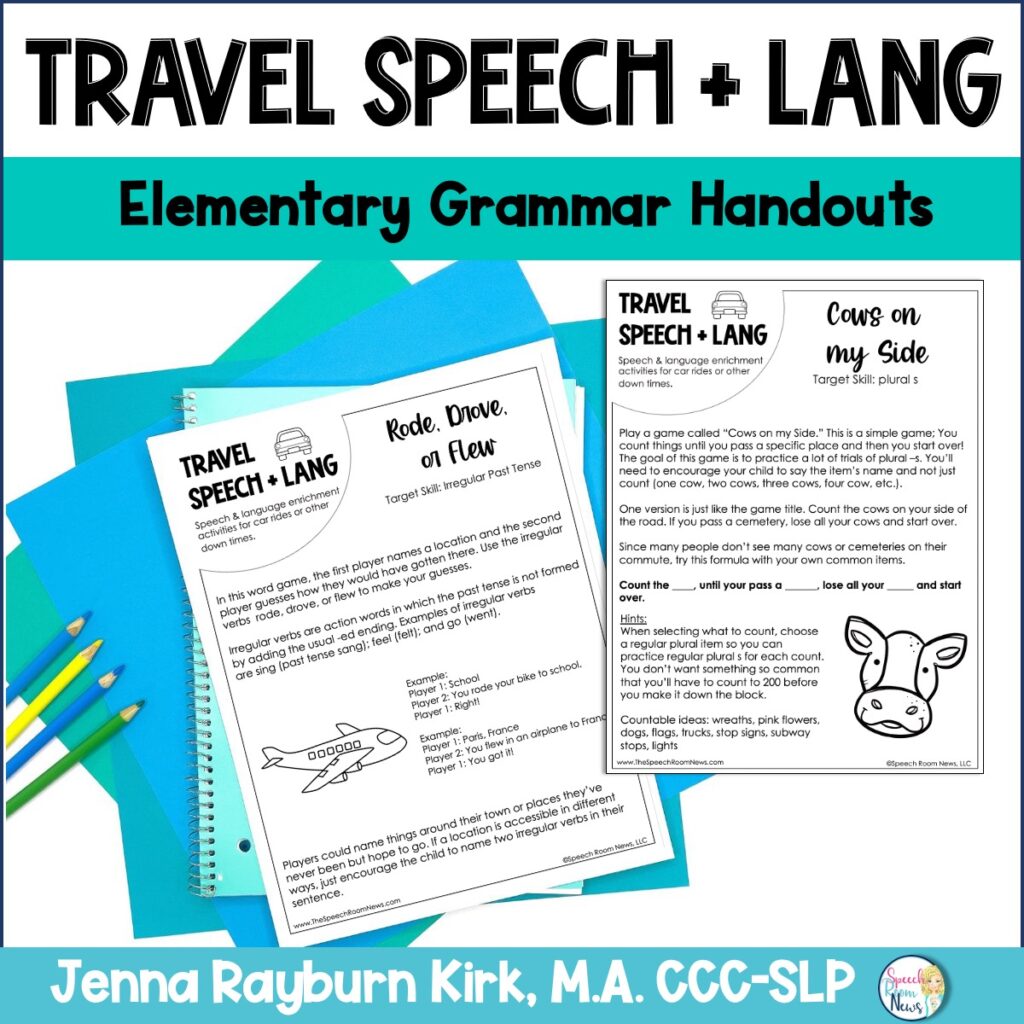
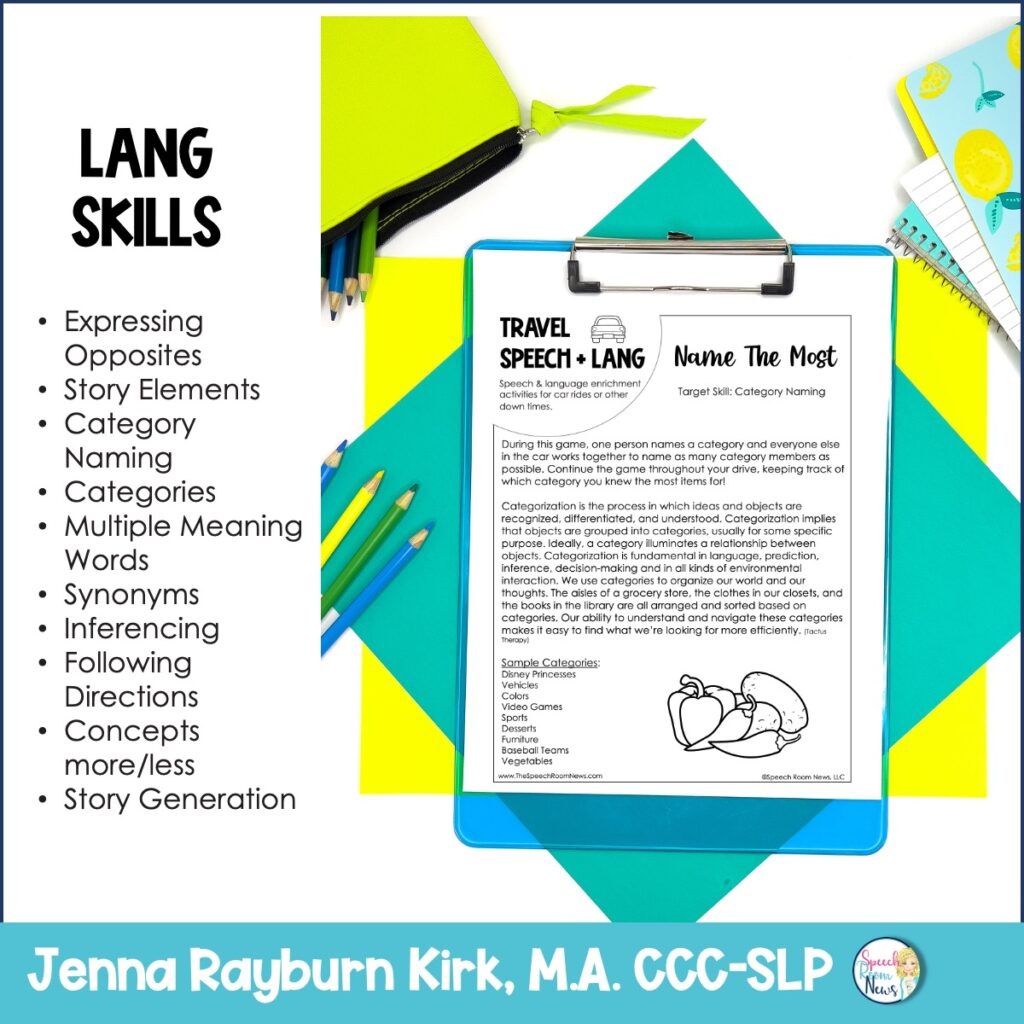
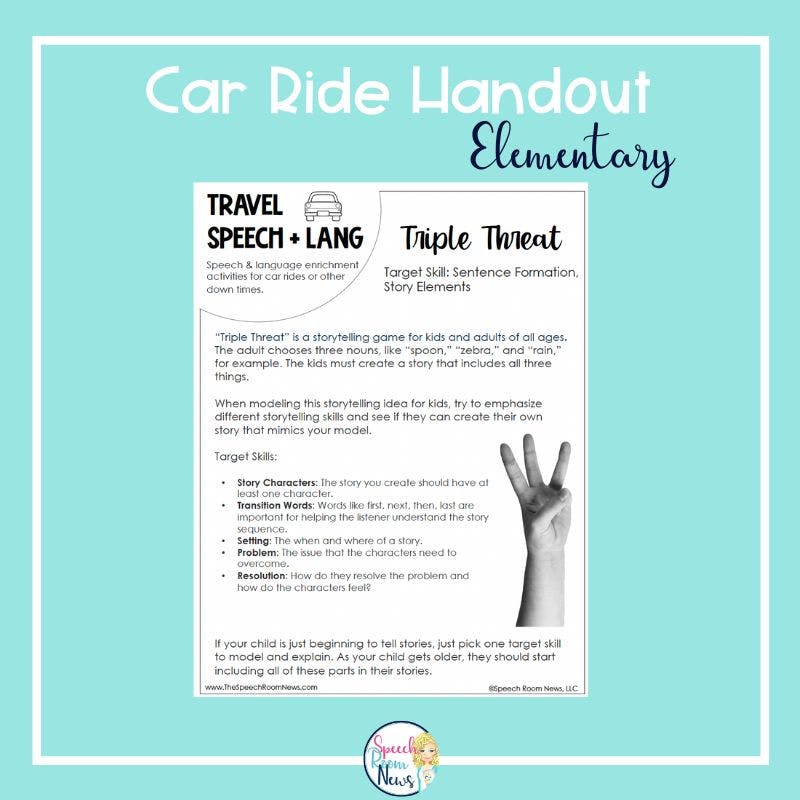
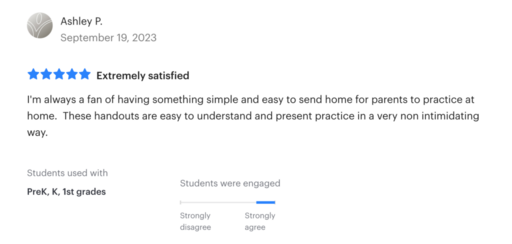
Recognizing the widespread need for accessible and effective home practice strategies, resources like "The Travel Bundle for Speech and Language" have emerged. These comprehensive tools provide parents and Speech-Language Pathologists with structured handouts detailing various activities, complete with explanations and practical examples. Such bundles often contain 30 or more distinct activities, ensuring variety and catering to a wide range of speech and language goals. For SLPs, these bundles serve as invaluable resources for parent education, offering tangible, easy-to-implement strategies to send home with families. They simplify the complex task of integrating therapy into daily life, allowing parents to confidently support their child’s development in a practical and engaging manner. Testimonials from SLPs highlight the utility of these resources in facilitating carryover and enhancing parental engagement, underscoring their critical role in the broader intervention ecosystem.
Conclusion: The Enduring Impact of Intentional Interaction

The daily car commute, often viewed as merely a means to an end, holds profound potential as a dynamic classroom for speech and language development. By intentionally integrating simple, engaging games into these routine journeys, parents can transform otherwise passive travel time into active learning experiences. This strategic approach not only maximizes opportunities for crucial practice but also fosters stronger parent-child bonds through shared interaction and play. In a world where screens increasingly dominate children’s attention, leveraging the distraction-reduced environment of the car for meaningful communication stands as a powerful testament to the enduring impact of direct, intentional interaction on a child’s linguistic, cognitive, and social growth. The benefits extend far beyond the car ride itself, laying a robust foundation for lifelong communication success and academic achievement.
