

The strategic incorporation of picture books stands as a cornerstone in early intervention speech therapy, serving as an invaluable resource for fostering language development and refining communication skills in young children. These carefully selected literary tools offer a dynamic and engaging pathway to address a spectrum of speech and language goals, thereby enhancing therapeutic outcomes for children from birth to approximately three years of age. The benefits extend beyond mere vocabulary acquisition, encompassing critical areas such as narrative development, cognitive stimulation, and the crucial establishment of social-emotional connections.
Understanding Early Intervention in Speech Therapy

Early intervention (EI) in speech therapy represents a proactive and critical approach to identifying and addressing speech and language difficulties as soon as they emerge in a child’s developmental trajectory. This period, typically spanning from birth to three years, is recognized by neuroscientists and developmental psychologists as a critical window for brain development, particularly concerning language acquisition. During these formative years, the brain exhibits remarkable plasticity, making it exceptionally receptive to new learning experiences and interventions. The primary objective of early intervention is to support and enhance a child’s communication abilities during this pivotal time, thereby maximizing their developmental potential and mitigating the long-term impact of identified delays or disorders.
Speech-Language Pathologists (SLPs) are central to this process, working with infants and toddlers who may present with a range of challenges, including delayed babbling, limited vocabulary, difficulty forming sentences, articulation issues, or pragmatic language deficits. EI aims to address these challenges promptly through individualized treatment plans. These plans are not confined to clinical settings but are often integrated into the child’s daily routines and natural environments, with families serving as active and indispensable participants in the therapeutic journey. This collaborative model, which empowers parents and caregivers with strategies to reinforce therapeutic goals at home, is a hallmark of effective early intervention.
The Foundational Role of Picture Books in Therapy
Picture books are more than just entertainment; they are sophisticated educational instruments within the context of speech and language therapy. Their multi-modal nature, combining visual imagery with spoken or read language, creates a rich learning environment that caters to diverse learning styles and developmental stages. The integration of books into therapy sessions is supported by extensive research highlighting the profound impact of early literacy experiences on overall cognitive and linguistic development.
1. Promoting Language and Vocabulary Development:
Books serve as a primary conduit for exposing children to an expansive array of words and sentence structures that they might not encounter in everyday conversation. As SLPs read aloud and engage children in discussions about the story, they can introduce new vocabulary, reinforce conceptual understanding, and elicit expressive language. For instance, a book about animals can introduce specific animal names, sounds, actions, and habitats, building semantic networks. Dialogic reading techniques, where the therapist or caregiver asks open-ended questions, prompts the child to elaborate, and models correct language, are particularly effective. This interactive process supports both receptive language (comprehension) and expressive language (production), fostering the development of a robust lexicon and grammatical competence.
2. Enhancing Storytelling and Narrative Skills:
Engaging with narrative picture books is fundamental for cultivating storytelling abilities and narrative skills, which are crucial for effective communication and academic success. As children follow a plot, observe character interactions, and understand sequences of events, they begin to grasp story structure – including setting, characters, initiating events, rising action, climax, and resolution. This understanding is foundational for developing logical thought, cause-and-effect reasoning, and the ability to recount personal experiences or fictional tales coherently. These pre-literacy skills are strong predictors of later reading comprehension and written expression.
3. Stimulating Imagination and Creativity:
Picture books transport children to diverse imaginative worlds, fostering creativity and critical thinking. They encourage children to visualize and describe scenes, characters, and events, thereby promoting expressive language and descriptive skills. When children are asked to predict what might happen next or to imagine themselves as a character, they engage in higher-order thinking, which strengthens their cognitive flexibility and problem-solving abilities. This imaginative play, often sparked by story content, is also vital for social development and emotional regulation.
4. Cultivating Phonological Awareness:
Many picture books, especially those designed for younger children, incorporate rhyming, alliteration, and repetitive sound patterns. These features are instrumental in developing phonological awareness, which is the ability to recognize and manipulate the sounds of spoken language. Skills like identifying rhymes, segmenting words into syllables, and recognizing initial sounds are critical precursors to literacy, laying the groundwork for reading and spelling. SLPs can leverage these aspects of books to target specific phonological goals.
Strategic Selection: Tailoring Books for Therapeutic Goals
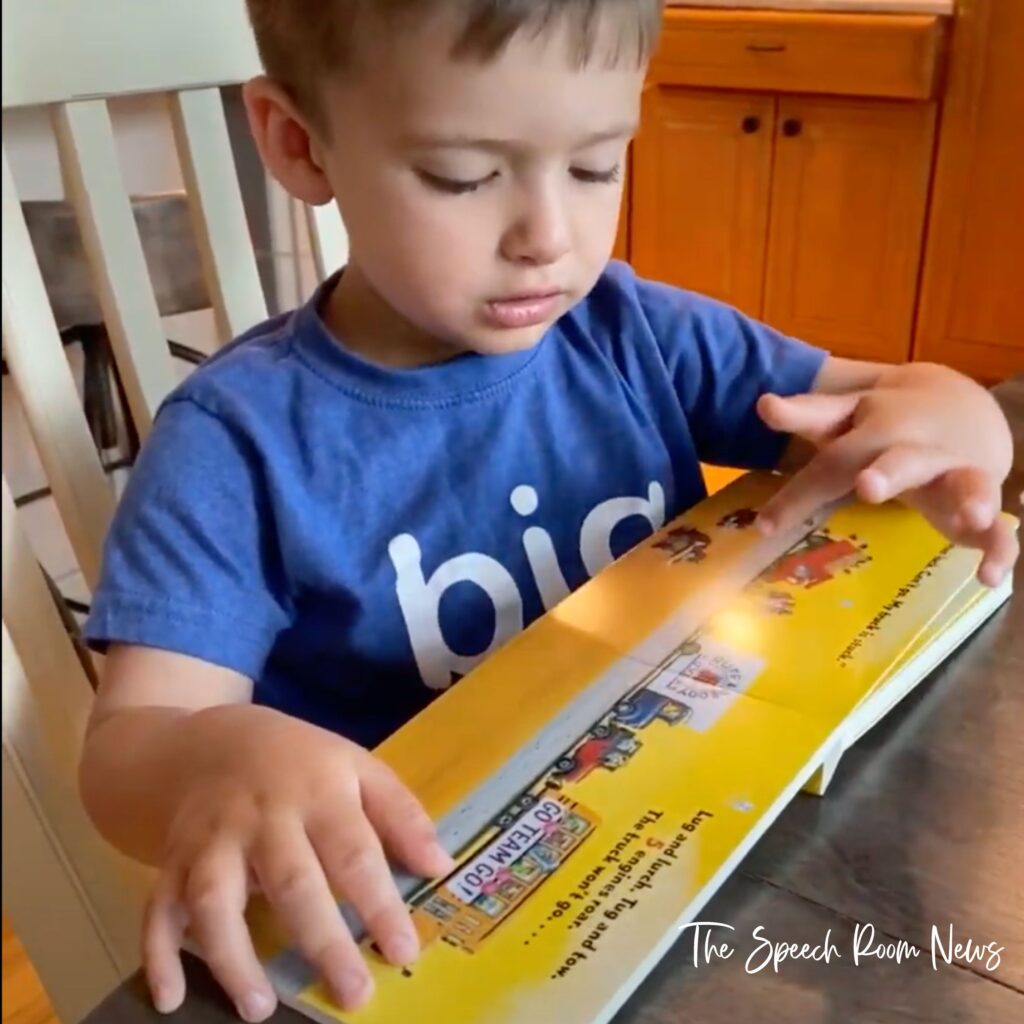
The effectiveness of picture books in early intervention speech therapy is significantly amplified by the careful and strategic selection of titles that align with specific therapeutic objectives. Not all books are created equal for this purpose; therapists consider various characteristics to maximize engagement and learning.
1. Interactive Books:
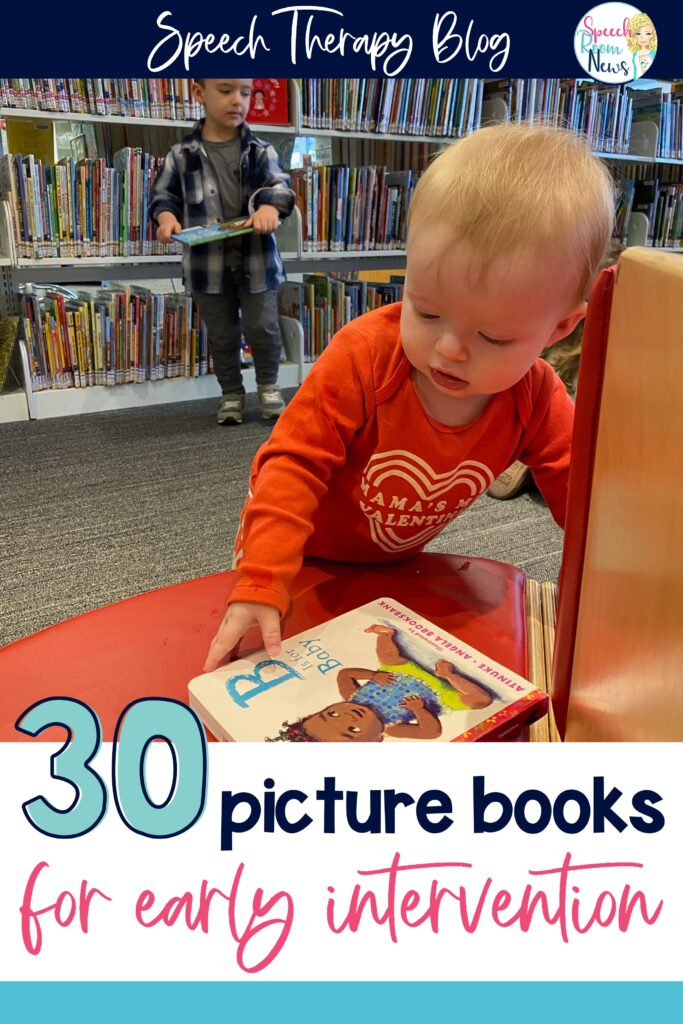
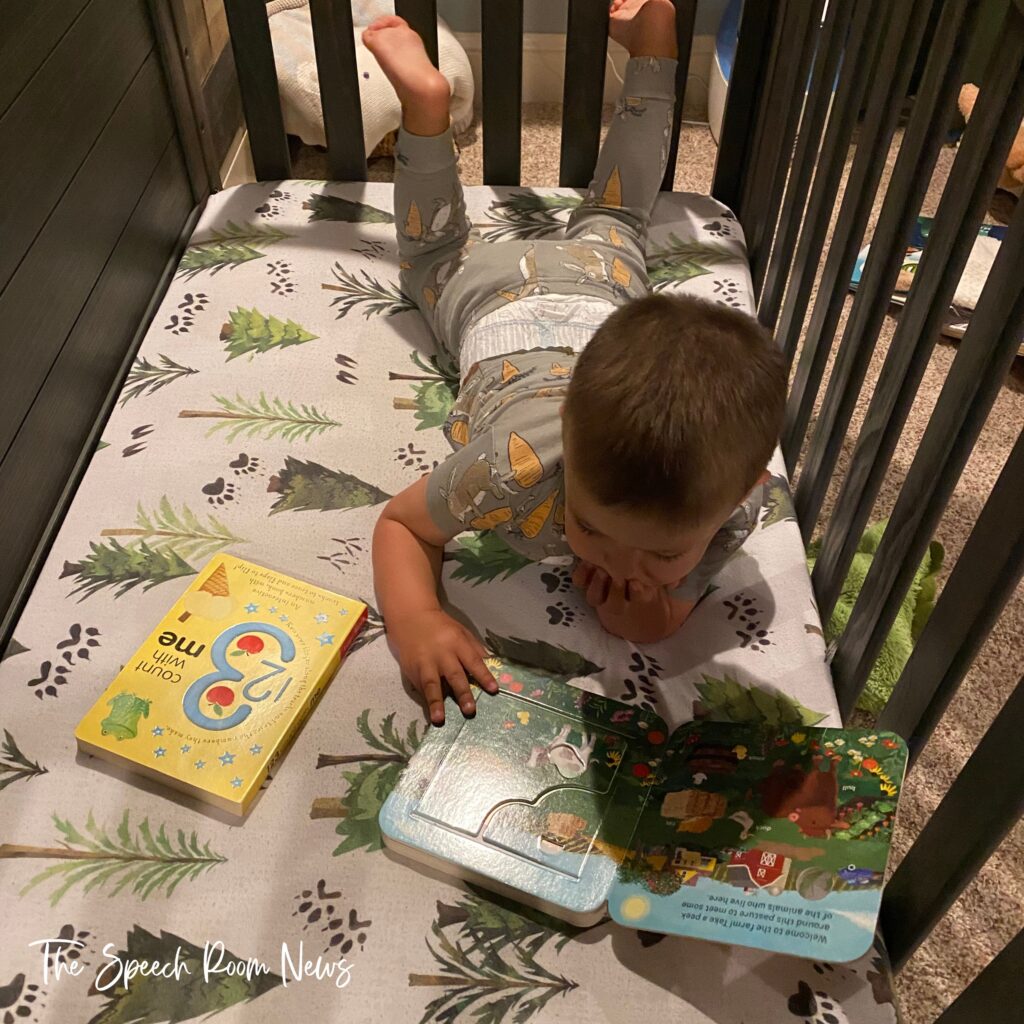
Books that invite tactile engagement and direct interaction are particularly valuable for young children, who learn best through multi-sensory experiences. Lift-the-flap books, touch-and-feel books with various textures, and pop-up books capitalize on a child’s natural curiosity. These books provide valuable opportunities to increase attention span, promote vocabulary development through discovery (e.g., "What’s under the flap? A dog!"), and engage multiple senses simultaneously. They can also facilitate early requesting (e.g., "Open!") and commenting.
2. Durable Books (Board Books):
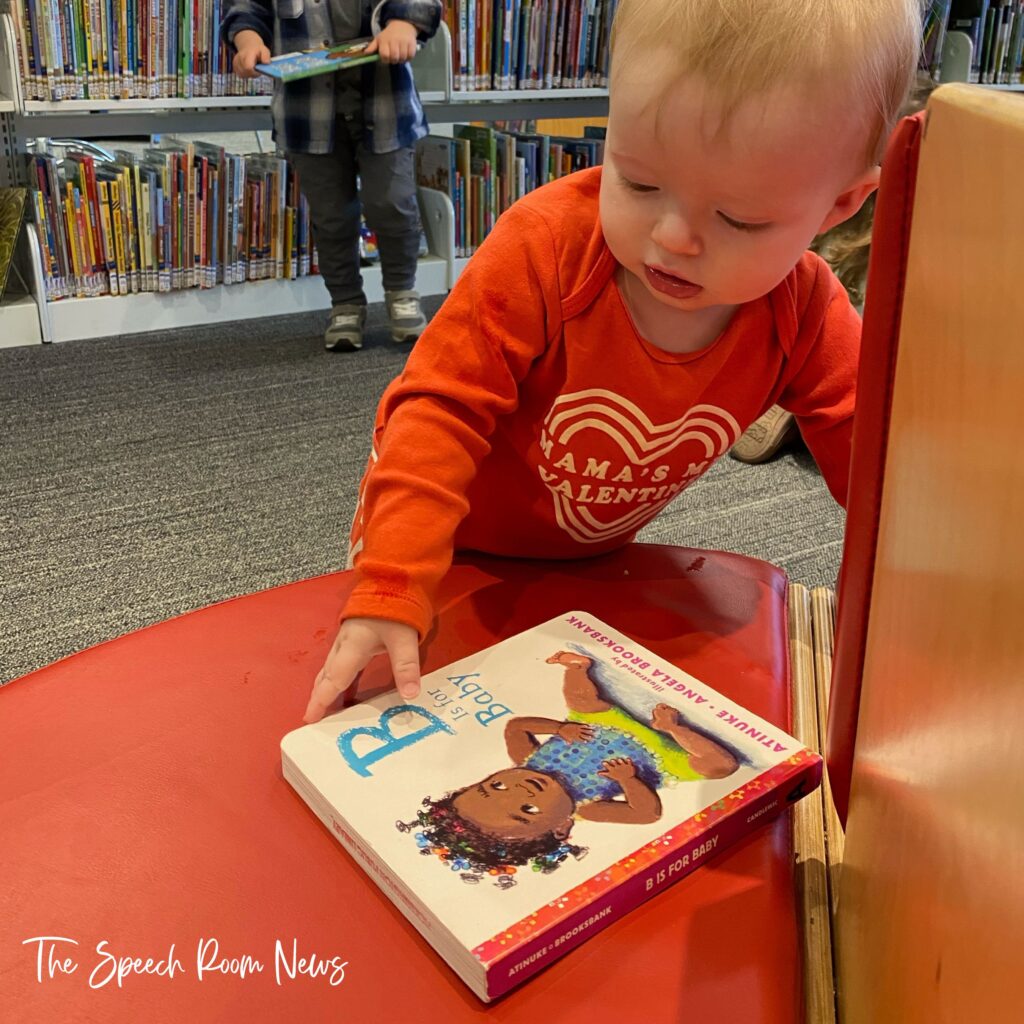
For children in the birth-to-three age range, durability is paramount. Board books, with their thick, sturdy pages, are designed to withstand enthusiastic handling, chewing, and repeated exploration. This robustness ensures that the books can be used repeatedly without damage, allowing for consistent exposure to concepts and vocabulary, which is crucial for reinforcement and learning. Their resilience encourages independent exploration without fear of tearing.
3. Books with Repetitive Text and Predictable Stories:
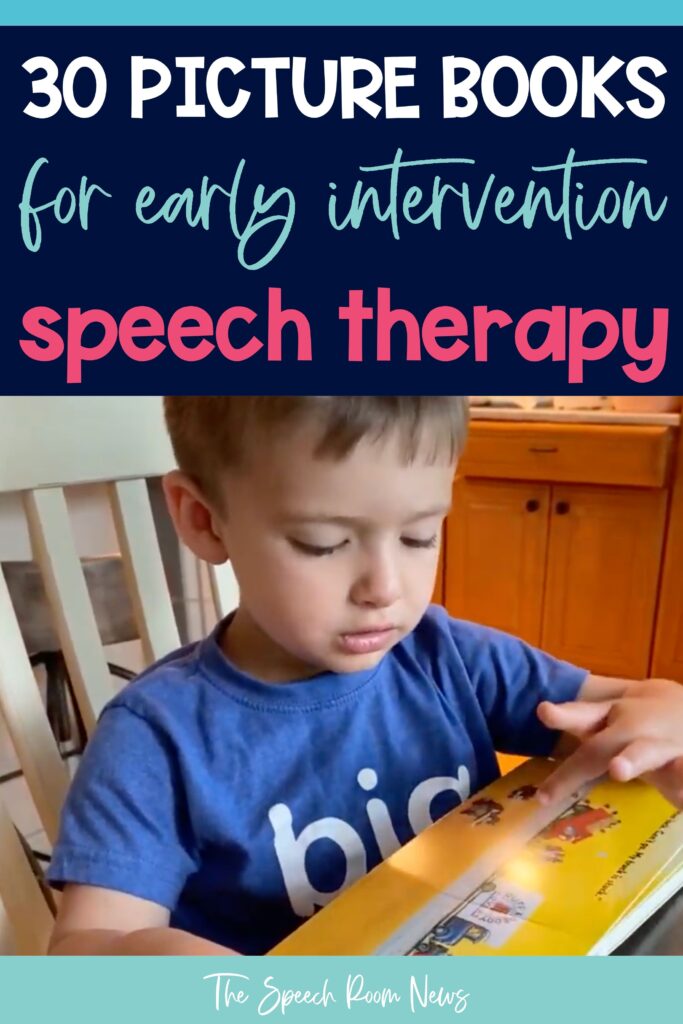
Books featuring predictable storylines, repetitive phrases, and rhythmic text are highly effective in early intervention. The repetition helps children anticipate words and phrases, building confidence and encouraging them to "read along" or fill in missing words. This predictability supports memory, aids in sequencing events, and provides a scaffold for language production. Examples include classic nursery rhymes or stories with a clear, cyclical narrative.
4. Concept Books:
Books focused on specific concepts like colors, shapes, numbers, animals, or actions are excellent for direct vocabulary teaching and concept development. They often feature clear, isolated illustrations that highlight the target concept, making it easier for children to understand and internalize. These books are ideal for targeting early identification, labeling, and categorization skills.
5. Books with Simple, Clear Illustrations:
Overly busy or abstract illustrations can be distracting for young children with developing attention spans. Books with simple, clear, and engaging illustrations allow children to focus on key elements of the story or concept, making it easier to link visuals with spoken words. This clarity supports comprehension and reduces cognitive load, allowing more mental energy to be directed towards language processing.
6. Books with Songs or Rhythmic Text:
The musicality of language, when presented through songs or rhythmic text, can significantly enhance engagement and memory. Incorporating songs into story time helps children develop auditory processing skills, recognize sound patterns, and encourages vocalization. The rhythm and melody can make new vocabulary and phrases more memorable and easier to imitate.
Integrating Books into Therapy Sessions: Practical Application
SLPs employ a range of evidence-based strategies to integrate picture books effectively into therapy sessions. This extends beyond simply reading aloud; it involves active engagement and tailored intervention.
- Active Reading Strategies: Therapists utilize techniques such as dialogic reading, where the child is encouraged to actively participate by asking questions, making comments, and retelling parts of the story. They might use "pause time" to allow the child to initiate communication or fill in a word.
- Goal-Oriented Selection: Each book is chosen with specific Individualized Family Service Plan (IFSP) or Individualized Education Program (IEP) goals in mind. For a child working on requesting, a book with clear, desirable objects might be used. For a child targeting verb acquisition, a book rich in action words would be selected.
- Modeling and Expansion: SLPs model appropriate language, expand on the child’s utterances, and provide opportunities for imitation. For example, if a child points to a car and says "car," the therapist might expand with "Yes, a big red car is going fast!"
- Connecting to Real-World Experiences: Therapists link the content of the book to the child’s personal experiences, making the learning more relevant and meaningful. This helps generalize learned concepts and vocabulary beyond the therapy room.
- Play-Based Learning: Books often serve as springboards for related play activities. After reading about farm animals, children might engage in imaginative play with toy animals, further reinforcing vocabulary and narrative skills in a naturalistic context.
The Indispensable Role of Family Engagement
A cornerstone of early intervention is the active involvement of parents and caregivers. SLPs recognize that families are a child’s first and most influential teachers. Therefore, a significant aspect of therapy involves empowering families with strategies to use picture books effectively at home. Therapists model interactive reading techniques, explain the rationale behind specific book choices, and provide guidance on how to incorporate reading into daily routines. This not only reinforces therapeutic goals but also fosters a love of reading and strengthens the parent-child bond. Creating a print-rich environment and making reading a regular, enjoyable activity at home significantly amplifies the impact of clinical interventions.
Empirical Evidence and Professional Guidelines
The efficacy of early literacy interventions, including the use of picture books, is well-documented in speech and language pathology research. Studies consistently demonstrate that early exposure to books and interactive reading practices correlates with improved language outcomes, enhanced cognitive development, and stronger pre-literacy skills. Professional organizations, such as the American Speech-Language-Hearing Association (ASHA), advocate for early intervention and emphasize the importance of family-centered, evidence-based practices that often incorporate shared book reading. The long-term implications of robust early communication skills are profound, impacting academic success, social competence, and overall quality of life.
Long-Term Impact and Conclusion
The journey through early intervention speech therapy is a foundational one, with picture books serving as compassionate guides and powerful tools. By fostering language growth, stimulating imagination, and building critical communication skills during these formative years, therapists and families lay a solid groundwork for lifelong learning and successful social interaction. The investment in these early literacy experiences yields significant dividends, equipping children with the expressive and receptive language abilities necessary to navigate their world, articulate their thoughts and feelings, and connect meaningfully with others. Picture books, therefore, are not merely supplementary materials but indispensable components of a comprehensive and effective early intervention strategy, continuing to enrich and empower young learners one story at a time.
