


The ubiquitous challenge of mouth clicks in voiceover recordings, a persistent nuisance for audio professionals and a potential career impediment for vocal artists, is a phenomenon that has long plagued the industry. While often dismissed as an unavoidable artifact of the human vocal apparatus, akin to a minor cosmetic flaw, a closer examination reveals that the prevalence and audibility of these clicks are largely influenced by technique, hydration, and post-production amplification. This in-depth analysis explores the multifaceted nature of mouth clicks, their impact on professional voiceover work, and, crucially, offers actionable strategies for their eradication at the source, transforming a common audio pitfall into a mastered skill.
The Silent Saboteur: Understanding Mouth Clicks
Mouth clicks, also referred to as "clicky mouth," "dry mouth," or simply "mouth noise" within the voiceover community, are the sharp, percussive sounds that can punctuate speech. These auditory interruptions stem from the interplay of the tongue, teeth, and saliva, creating minor pops and clicks as air is expelled. While these sounds are a natural byproduct of human speech and are typically filtered out by the brain during casual conversation, their prominence in recorded audio can be significantly amplified.
The consequences of unchecked mouth clicks for voiceover artists are substantial. Industry professionals report that excessive mouth noise can be a disqualifying factor in auditions, preventing artists from securing initial opportunities. More critically, it can lead to a loss of repeat business. Anecdotal evidence from within the field suggests that the cost and time involved in meticulously editing out persistent mouth clicks can outweigh the expense of re-recording an entire session with a different artist. One prominent voiceover coach recounted an instance where a five-hour recording session had to be redone due to the excessive mouth noise of the original artist, highlighting the significant financial and logistical ramifications. This underscores the imperative for voiceover professionals to address this issue proactively.
The Dehydration Dilemma: A Primary Culprit
A significant contributor to the increased incidence of mouth clicks is dehydration. Factors commonly associated with a drier oral environment, such as smoking and excessive consumption of caffeinated beverages like coffee, are directly linked to this phenomenon. Both cigarettes and caffeine act as diuretics, effectively drawing moisture from the body. When the body is dehydrated, saliva production decreases, leading to a stickier, less lubricating oral environment. This stickier saliva adheres more readily to the tongue and palate, increasing the likelihood of clicks and pops during speech.

However, the relationship between hydration and mouth clicks is not as straightforward as simply needing more water. Ironically, over-hydration, or more accurately, the rapid consumption of large volumes of water in a short period, can also contribute to increased mouth noise. When a voiceover artist gulps down excessive water in an attempt to compensate for perceived dryness, the excess moisture in the mouth can create a different kind of impediment for the tongue and lips, still leading to clicks and pops as the vocal tract maneuvers. This creates a delicate balance, where both too little and too much readily available water can lead to the same undesirable outcome.
The Amplification Effect: Recording and Post-Production’s Role
A crucial aspect of understanding mouth clicks lies in recognizing how the recording and post-production process inherently amplifies them. When a voiceover artist speaks into a microphone, the raw audio signal is captured. This signal then undergoes post-production, most notably through a process called compression.
Compression, in audio engineering, is used to reduce the dynamic range of a signal – the difference between the loudest and quietest parts. It effectively "squashes" the waveform, bringing the peaks closer to the valleys. While this process is essential for ensuring that vocal recordings are consistently audible and can be effectively mixed with other audio elements (such as music or sound effects), it has a specific and detrimental effect on mouth clicks.
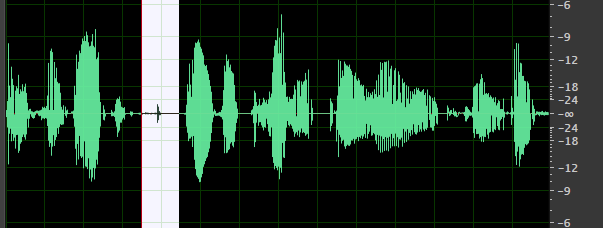
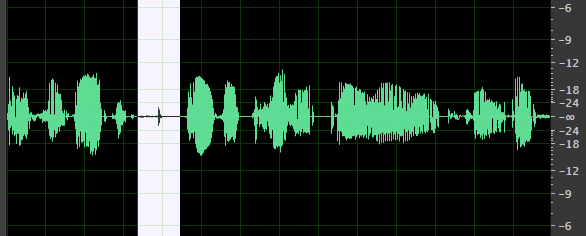
Consider a typical voiceover waveform. A mouth click, being a transient sound, often registers as a sharp, brief spike in volume. Before compression, this spike might be noticeable but not overpowering relative to the rest of the speech. However, once compression is applied, the overall volume of the recording is reduced, and then often "normalized" or increased to a standard listening level. This normalization process boosts all elements of the audio signal, including the previously less prominent mouth clicks. The result is that a click that might have been a minor annoyance in the raw recording becomes significantly louder and more pronounced in the final, compressed, and normalized output. This amplification effect means that even a minimal number of clicks produced during recording can become a distracting issue in the finished product, necessitating laborious editing.
Strategies for Eradication: A Proactive Approach
Given that the recording and post-production process inherently amplifies mouth clicks, the most effective strategy for combating them is to eliminate them at the source during the recording phase. This requires a multi-pronged approach focusing on preparation, technique, and consistent management during the session.

Step 1: Master Hydration – The Foundation of a Click-Free Voice
Proper hydration is paramount. The key is not to chug water immediately before a session, but to initiate a consistent hydration regimen at least two hours prior to recording. The body requires time to effectively absorb and distribute water. Downing large volumes of water in a short span will result in excess water in the mouth without adequately hydrating the entire system, paradoxically leading to dryness and clicks.
It is crucial to emphasize that "hydration" in this context specifically refers to plain water. Beverages containing diuretics, such as coffee, tea, sodas (including diet versions), and even dairy products, can counteract hydration efforts and contribute to dryness. A common misconception is that any liquid intake counts towards hydration. However, for optimal vocal performance and to combat mouth clicks, pure water is the only effective choice.
Furthermore, consistent hydration is not only beneficial for saliva production but also for the health of the vocal cords themselves. The vocal cords are delicate mucous membranes that vibrate at high speeds. Dehydration can lead to increased friction between these cords, resulting in hoarseness, a deeper vocal timbre, and potential throat irritation. For early morning sessions, it is advisable to begin hydrating the night before, as water loss occurs during sleep.
Step 2: Optimize Microphone Placement and Vocal Projection
The distance between the voice artist and the microphone, coupled with vocal projection, plays a significant role in managing mouth noise. Imagine speaking at a normal volume from a distance of 30 feet versus whispering directly into someone’s ear. In the former scenario, the volume of your speech would far outweigh any subtle mouth noises. In the latter, the proximity would amplify even the quietest sounds, including clicks.
In a recording environment, this translates to maintaining an appropriate distance from the microphone. A common recommendation is to position oneself approximately 7 to 8 inches from the microphone. While close-miking can create a desired intimate or "bass-proximity" effect for certain commercial applications, it significantly increases the likelihood of prominent mouth clicks, necessitating more extensive post-production. For general voiceover work, a slightly further distance, combined with a projected, yet controlled, vocal delivery, allows for a healthy balance. The input gain on the recording equipment can then be adjusted to achieve optimal recording levels without excessively amplifying the noise floor or any incidental mouth sounds. In essence, backing off the microphone and projecting effectively helps to ensure that the voice signal is strong relative to any subtle mouth noises.
Step 3: Sip Strategically Throughout the Session
The act of speaking itself leads to a reduction in saliva and mucus, causing the mouth to dry out over time, even with proper pre-session hydration. This is why consistent sipping of water during the recording session is critical. Voiceover artists can experience a noticeable increase in mouth clicks within 30 to 45 minutes of starting a session, particularly in climate-controlled studio environments that can further contribute to dryness.
A professional approach involves taking small sips of water every 10 to 15 lines of dialogue. While this may necessitate more frequent trips to the restroom during breaks, it is a small price to pay for maintaining a consistently moist oral environment and delivering clean audio. This practice is often considered a hallmark of a seasoned professional, and voice directors frequently observe and appreciate artists who come prepared with water bottles.
Step 4: Re-evaluating the Green Apple Myth
The common anecdotal remedy of eating half a green apple to combat mouth clicks is based on the citric acid’s ability to cleanse the mouth and reduce saliva stickiness. While this may offer temporary relief, particularly for those experiencing severe dehydration (perhaps due to a hangover), it is not a sustainable or professional solution for regular voiceover work. Relying on such quick fixes distracts from the fundamental practices of proper hydration and technique that are essential for consistent, high-quality audio. The focus should remain on mastering the foundational steps – consistent hydration before and during sessions, and appropriate microphone technique.
The Broader Impact and Future Implications
The issue of mouth clicks, while seemingly minor, has significant implications for the voiceover industry. For artists, mastering the control of these sounds is not merely a technical skill but a professional necessity that directly impacts their employability and reputation. It signifies a commitment to delivering polished, high-quality audio that minimizes post-production burdens for clients.
For production houses and clients, the prevalence of mouth clicks can lead to increased editing costs and project delays. The ability of a voiceover artist to deliver clean takes without excessive mouth noise is therefore a valuable asset, streamlining the production workflow and ensuring client satisfaction.
As voiceover technology continues to advance, so too does the sophistication of audio analysis and editing tools. While these tools can aid in the removal of unwanted sounds, the principle of "garbage in, garbage out" remains. The most efficient and professional approach will always be to minimize the problem at its origin. Therefore, continued emphasis on vocal health, proper hydration techniques, and refined recording practices will remain critical for voiceover artists seeking to excel in a competitive and technically demanding field. The pursuit of click-free recordings is not just about sound quality; it is about professionalism, efficiency, and ultimately, career longevity.
