

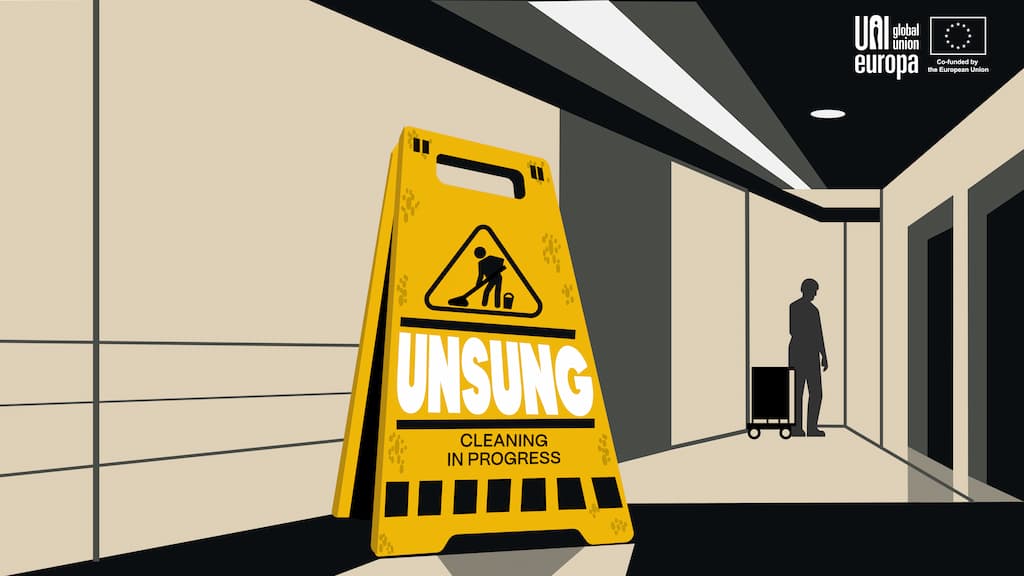
A groundbreaking documentary podcast, "Unsung: Cleaners," has launched, aiming to amplify the often-unheard voices of cleaning professionals across the European continent. Produced by UNI Europa, the podcast delves into the human stories behind one of the world’s most essential, yet frequently marginalized, professions. Through personal narratives, "Unsung: Cleaners" explores the realities of invisible labor, the challenges of night shifts, the pursuit of dignity, and the crucial efforts of cleaners organizing for better working conditions and fair recognition.
The podcast’s release is strategically timed, coinciding with a significant overhaul of the European Union’s public procurement rules. These revised regulations govern an estimated €2,000 billion in annual spending and have a direct, profound impact on the daily lives and employment terms of millions of cleaners. These individuals, while employed by private companies, are instrumental in delivering public services, making the procurement rules a critical determinant of their working environments.
"Unsung: Cleaners" features a diverse range of individuals, offering a powerful glimpse into their experiences. Among those sharing their stories is Hayat Elhore, a cleaner at the European Parliament in Brussels, a position that places her at the heart of European policymaking, yet often renders her invisible within its corridors. Another compelling voice is Lisa Stenson, a hospital cleaner in Ireland who was tasked with working in the frontline COVID-19 wards during the pandemic. Her testimony highlights the immense personal risk and dedication demonstrated by cleaning staff in healthcare settings, a contribution that became undeniably evident during the global health crisis.
A recurring theme throughout the podcast is the disproportionate representation of individuals from migrant backgrounds within the cleaning sector in many European nations. The podcast posits that this is not a random occurrence but a direct consequence of systemic factors. These include discriminatory immigration policies that create barriers to entry in other sectors, labor market disadvantages, and a persistent failure to adequately recognize and value qualifications and skills acquired in other countries. The narrative strongly advocates for cleaners to be recognized as skilled professionals who deserve equitable pay and respectful treatment.
The podcast’s production by UNI Europa, with co-funding from the European Commission, underscores the growing recognition of the importance of this workforce and the need to address their working conditions. The organization’s advocacy efforts have long focused on improving the rights and recognition of service workers, including cleaners, across various industries and public spaces.

Background: The European Public Procurement Landscape
Public procurement refers to the process by which public authorities, such as governments and local councils, purchase works, goods, or services from companies. In the EU, these processes are governed by a set of directives designed to ensure fair competition, transparency, and efficiency. However, these rules have often been criticized for prioritizing the lowest bid, which can inadvertently lead to the exploitation of workers in service sectors like cleaning. Companies vying for lucrative public contracts may be incentivized to cut costs by suppressing wages, reducing benefits, or imposing precarious working conditions on their employees.

The €2,000 billion figure represents a substantial portion of the EU’s annual economic activity, illustrating the immense leverage that public procurement holds. Historically, the focus has been on the economic efficiency of the procurement process itself. However, there has been a growing awareness and push to incorporate social considerations, such as fair labor standards and environmental sustainability, into procurement criteria. The current overhaul of these rules signifies a potential shift towards a more socially responsible approach to public spending.
The Voices of the Unsung: Personal Narratives and Collective Action

"Unsung: Cleaners" is structured as a four-part series, allowing for a deep exploration of the multifaceted experiences of cleaners. Each episode likely delves into specific aspects of their work, from the physical demands and the psychological toll of working in isolation during night shifts to the solidarity built amongst colleagues and the drive to advocate for change.
The inclusion of individuals like Hayat Elhore, working within the European Parliament, is particularly poignant. It highlights the paradox of cleaners working in institutions that shape policies affecting millions, yet often being overlooked within those same institutions. Their presence underscores the interconnectedness of all labor and the vital role that even seemingly invisible jobs play in the functioning of society.

Lisa Stenson’s experience as a hospital cleaner during the COVID-19 pandemic brings a stark reminder of the frontline nature of cleaning work, particularly in healthcare. Cleaners are essential for maintaining hygiene and preventing the spread of infections, a fact that was thrown into sharp relief during the pandemic. Their bravery and dedication, often undertaken with minimal personal protective equipment in the initial stages, deserve significant recognition.
The podcast’s emphasis on organizing for change is a critical element. It showcases the agency of cleaners, who are not merely passive recipients of their working conditions but active participants in seeking improvements. Trade unions and worker cooperatives play a vital role in empowering these individuals to collectively bargain for better wages, secure contracts, and demand respect. The stories within "Unsung: Cleaners" likely illustrate the power of collective action in transforming precarious employment into dignified work.

Analysis: Implications of the EU Procurement Rule Overhaul
The timing of "Unsung: Cleaners" is highly relevant given the ongoing reforms to the EU’s public procurement framework. The potential impact of these changes on the cleaning sector could be transformative. If the revised rules effectively integrate robust social criteria, they could:

- Mandate Fair Wages and Benefits: Public contracts could stipulate minimum wage requirements that exceed national minimums, alongside provisions for sick pay, paid leave, and pension contributions.
- Promote Secure Employment: The rules might discourage the practice of frequent contract re-tendering, which often leads to job insecurity for cleaners as new contractors are brought in. Longer-term contracts could offer greater stability.
- Improve Working Conditions: Procurement criteria could include requirements for adequate training, proper equipment, safe working environments, and reasonable working hours, including limitations on excessive night shifts.
- Address Discrimination: The reforms could include provisions to combat discrimination against migrant workers, ensuring equal treatment and opportunities for all.
- Encourage Ethical Sourcing: By placing greater emphasis on social value, the EU could encourage public bodies to contract with companies that demonstrate a strong commitment to ethical labor practices.
However, the effectiveness of these reforms will depend on their precise wording, the rigor of their enforcement, and the willingness of public authorities to prioritize social outcomes alongside economic considerations. There remains a risk that loopholes could be exploited or that the lowest bid will continue to dominate, undermining the intended social benefits.
Broader Societal Impact and Recognition

The "Unsung: Cleaners" podcast serves a dual purpose: it informs the public about the realities of cleaning work and advocates for policy change. By humanizing the profession, it aims to foster greater empathy and understanding among listeners. This, in turn, can contribute to a broader societal shift in how essential workers are perceived and valued.
The podcast highlights a fundamental issue of social justice: that all work, regardless of its perceived status, contributes to the functioning of society and deserves to be compensated and respected accordingly. The systematic undervaluation of cleaning work has contributed to its feminization, its association with low-skilled labor, and its precarious nature, particularly for migrant women.

The narratives within the podcast are likely to resonate with a wide audience, not only those directly involved in the cleaning sector but also policymakers, business leaders, and the general public. By shining a light on the "invisible" labor that underpins our daily lives, "Unsung: Cleaners" encourages a critical examination of our societal priorities and the structures that perpetuate inequality. The podcast is a call to action, urging listeners to consider the dignity and rights of all workers and to support initiatives that promote fair and equitable working conditions across Europe.
Listeners can access "Unsung: Cleaners" on platforms such as Spotify, and further information can be found on the UNI Europa website. The podcast is a significant contribution to the ongoing dialogue about labor rights, social justice, and the recognition of essential workers in the European Union and beyond. Its impact is expected to extend beyond its initial broadcast, fostering continued discussion and driving demand for tangible improvements in the lives of cleaners across the continent.
