

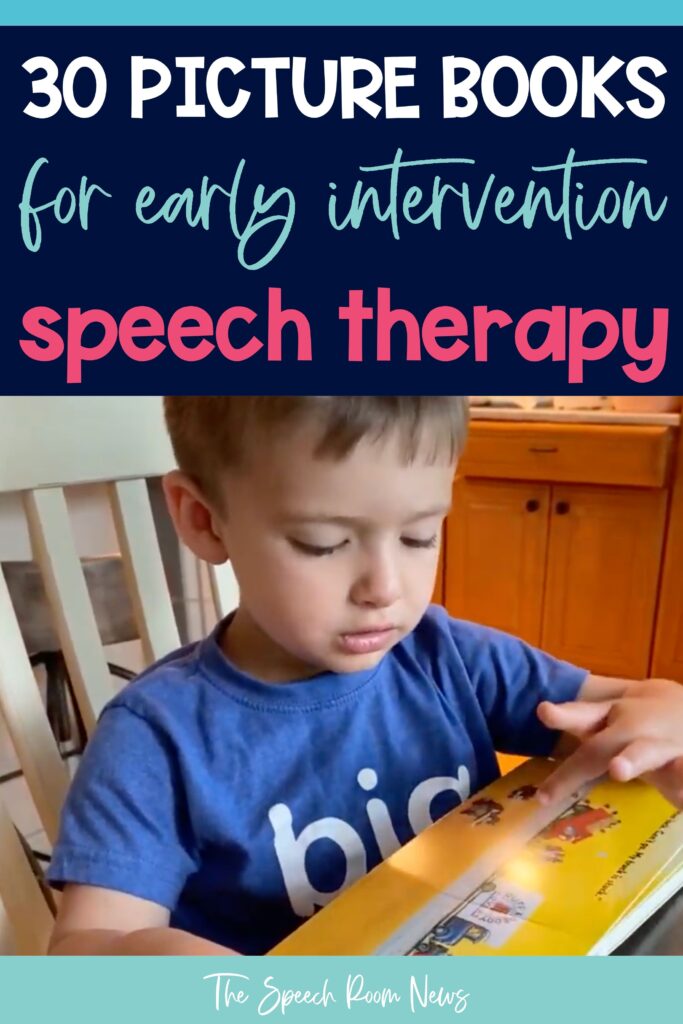
In early intervention speech therapy, picture books serve as invaluable resources to support language development and enhance communication skills in young children. Incorporating picture books for early intervention speech therapy can significantly enhance language development, improve communication skills, and create an engaging learning experience, laying a critical foundation for future academic and social success. This comprehensive overview explores the multifaceted benefits of integrating picture books into therapeutic practices, detailing their application, the rationale behind their effectiveness, and their broader implications for children aged birth to three.
Understanding Early Intervention in Speech Therapy
Early intervention in speech therapy represents a proactive and crucial approach to addressing speech and language difficulties in young children as soon as they are identified. This specialized form of therapy primarily targets children from birth to approximately three years of age, a period widely recognized as a critical window for neurological development and language acquisition. During these formative years, the brain exhibits remarkable plasticity, making it exceptionally receptive to learning and intervention. Speech-language pathologists (SLPs) work diligently with infants and toddlers who may be exhibiting developmental delays or disorders in communication, aiming to support and enhance their emerging communication skills. The overarching goal is to address these challenges as early as possible, thereby maximizing a child’s developmental potential and mitigating potential long-term impacts on learning, social interaction, and emotional well-being.

The process of early intervention typically begins with a thorough assessment to identify specific areas of need, followed by the creation of individualized treatment plans. These plans are not merely clinical exercises; they are deeply integrated into the child’s daily life, with families acting as active and essential participants in the therapeutic process. Speech therapists collaborate closely with parents and caregivers, equipping them with strategies and techniques that can be seamlessly incorporated into daily routines, from meal times and play to bedtime stories. This family-centered approach is paramount, as consistent exposure and practice in natural environments significantly enhance a child’s progress and the generalization of newly acquired skills. By recognizing and addressing communication challenges at such a young age, early intervention endeavors to prevent more significant delays, improve speech and language outcomes, and foster a robust communicative foundation for life.
The Science Behind Early Language Development
The efficacy of early intervention is deeply rooted in neuroscientific principles, particularly concerning brain development during infancy and toddlerhood. Research indicates that the first three years of life are characterized by rapid brain growth and the formation of billions of neural connections. This period, often termed a "critical window" or "sensitive period" for language acquisition, highlights the brain’s heightened capacity to absorb and process linguistic information. Exposure to rich language environments during this time directly influences the architecture of the developing brain, shaping neural pathways responsible for speech, comprehension, and expressive language. Delays in language exposure or processing during this critical period can lead to significant challenges that may be harder to remediate later in life.
Studies have consistently shown a strong correlation between early language skills and future academic success, literacy development, and social-emotional competence. Children who receive timely and effective early intervention for speech and language delays often demonstrate improved outcomes in these areas compared to those whose difficulties go unaddressed. For instance, data from the National Institute on Deafness and Other Communication Disorders (NIDCD) suggests that approximately 5% of U.S. children have a speech disorder by first grade, and many more experience language delays, with estimates for language delay prevalence ranging from 7-10% in preschool-aged children. Early identification and intervention can significantly reduce the prevalence and severity of these issues. Picture books, in this context, serve as highly effective tools for capitalizing on this critical developmental window, providing structured and engaging opportunities for linguistic input and interaction.
The Unparalleled Power of Picture Books in Therapy
Picture books are exceptionally powerful tools in speech and language therapy, offering a multitude of benefits for children undergoing intervention. Their structured format, engaging visuals, and often repetitive text create an ideal environment for targeting diverse speech and language goals. The incorporation of picture books into therapy sessions is not merely supplemental; it is a fundamental strategy that enhances language development, improves communication skills, and creates a highly engaging and motivating learning experience for young learners.
Promoting Language and Vocabulary Development: Books serve as rich linguistic reservoirs, exposing children to an expansive array of words, grammatical structures, and semantic concepts far beyond what might be encountered in typical daily conversations. By reading aloud, SLPs can deliberately introduce new vocabulary, define unfamiliar terms in context, and reinforce previously learned words. The visual cues provided by illustrations aid comprehension, allowing children to connect words with their meanings more concretely. Therapists can pause during reading to ask open-ended questions, prompt descriptive language, and encourage children to use new words in their responses, thereby fostering both receptive (understanding) and expressive (speaking) language skills. This active engagement transforms passive listening into an interactive language-building exercise.
Enhancing Storytelling and Narrative Skills: Engaging with books is foundational for nurturing storytelling abilities and developing narrative skills, which are essential for effective communication and academic success. As children follow the plot, track characters, and understand sequences of events, they implicitly learn about story structure, cause-and-effect relationships, and temporal concepts. SLPs can use books to model narrative elements such as setting, characters, problem, and resolution. They can guide children in retelling stories, predicting outcomes, and discussing character motivations, which strengthens their ability to organize thoughts, sequence ideas, and articulate coherent narratives—skills critical for both spoken and written communication.
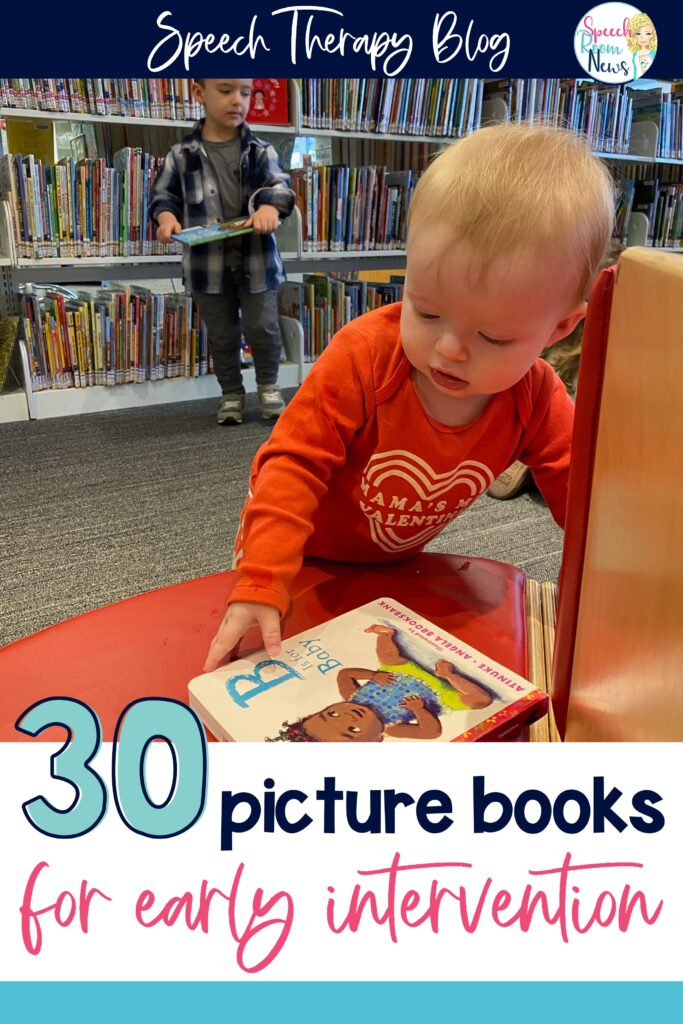
Stimulating Imagination and Creativity: Books transport children to imaginative worlds, fostering creativity and critical thinking. The visual richness of picture books encourages children to visualize and describe scenes, characters, and events, promoting expressive language and descriptive skills. Beyond simply labeling objects, children are encouraged to infer emotions, imagine alternative scenarios, and articulate their own interpretations of the story. This imaginative play stimulated by books helps develop cognitive flexibility and problem-solving skills, while simultaneously providing abundant opportunities for language practice in a fun and low-pressure environment.
Facilitating Joint Attention and Social Interaction: For many young children with communication delays, developing joint attention—the shared focus of two individuals on an object—is a primary therapeutic goal. Picture books naturally facilitate joint attention as the child and therapist (or parent) share focus on the book’s pages, pointing to illustrations, and discussing the story. This shared experience fosters turn-taking, eye contact, and reciprocal communication, which are foundational social-communicative skills.
Targeting Specific Speech Sounds and Phonological Awareness: Picture books with repetitive phrases or rhyming schemes are excellent for targeting specific speech sounds and developing phonological awareness. SLPs can emphasize target sounds, model correct articulation, and encourage children to imitate sounds and words within the context of the story. Rhyming books, in particular, enhance a child’s awareness of sound structures in language, a crucial pre-reading skill.
Selecting the Right Tools: Categories of Books for Therapy
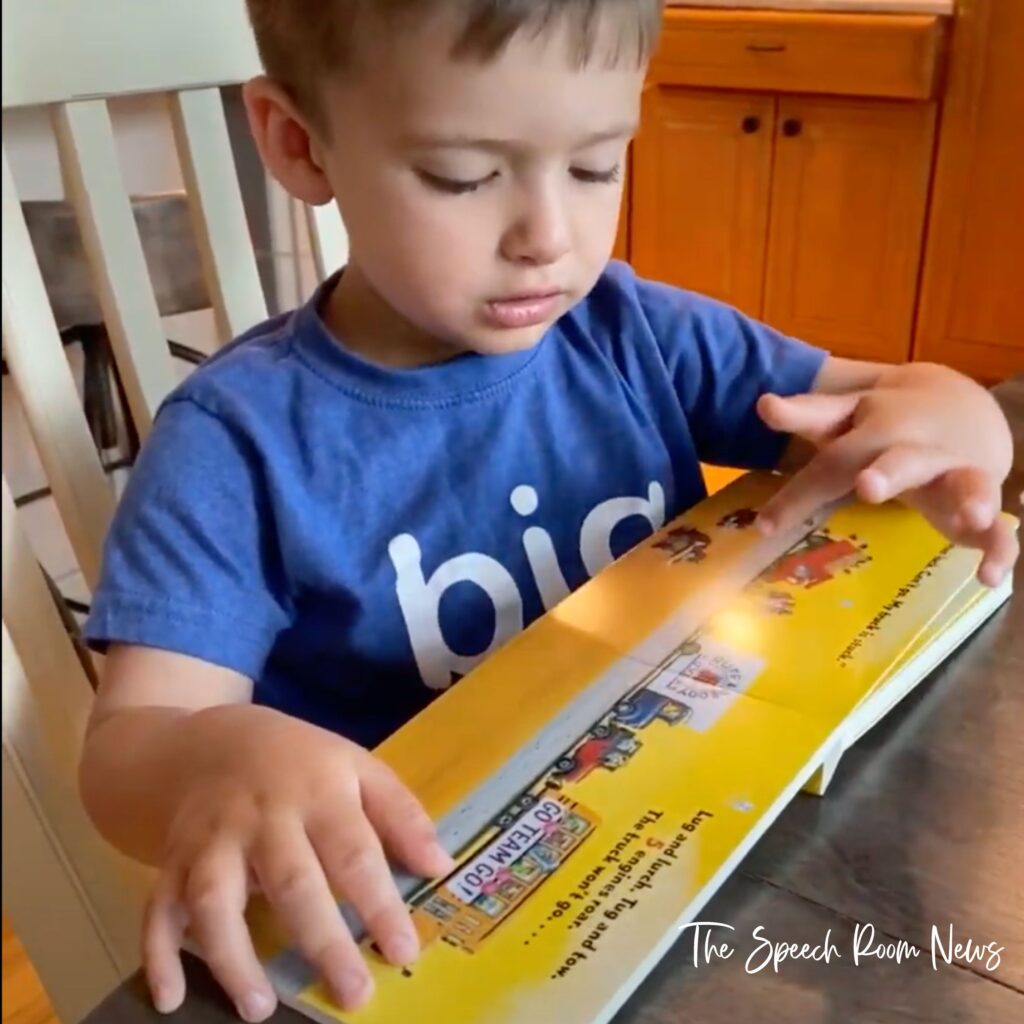
Not all picture books are created equal for therapeutic purposes. SLPs carefully select books based on a child’s developmental level, specific therapy goals, and engagement potential. Three categories of books are particularly valuable in early intervention speech therapy: interactive books, durable books, and board books.
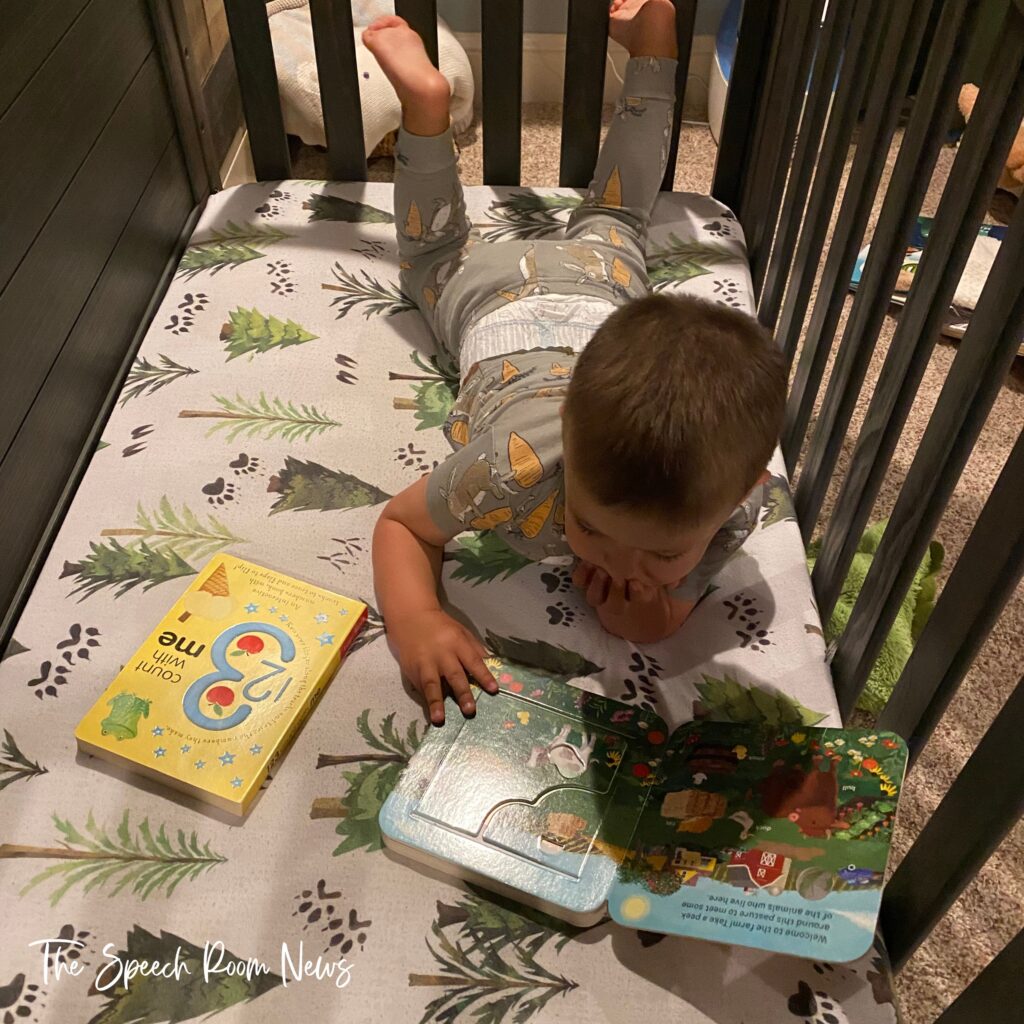
Interactive Books: These books are designed to encourage touch, manipulation, and active participation, providing invaluable opportunities to increase attention, promote vocabulary development, and engage multiple senses. Examples include lift-the-flap books, touch-and-feel books with various textures, pop-up books, and books with movable parts or sound buttons.
- Therapeutic Benefits: Interactive elements capture and sustain a child’s attention, which can be particularly challenging for children with developmental delays. They provide concrete opportunities for requesting ("open," "push," "more"), commenting ("soft," "big"), and identifying objects or actions. The tactile and kinesthetic engagement strengthens sensory processing and creates memorable learning experiences, aiding in word retention and concept formation. For instance, a lift-the-flap book might target "where is…?" questions and "found it!" exclamations, while a touch-and-feel book can build descriptive vocabulary (e.g., "bumpy," "smooth," "fuzzy").
Durable Books: Built to withstand the rigorous handling often characteristic of young children, durable books are perfect for early intervention speech therapy settings. These typically include board books, cloth books, or books with extra-thick pages.
- Therapeutic Benefits: Their robust construction allows for repeated use without damage, which is important for practicing repetitive language structures and revisiting stories. Children in the birth-to-three age range are still developing fine motor skills and may be prone to tearing paper pages. Durable books enable independent exploration and reduce the stress of potential damage, encouraging children to engage more freely. This fosters a positive relationship with books and reading from an early age, mitigating potential frustration for both child and therapist.
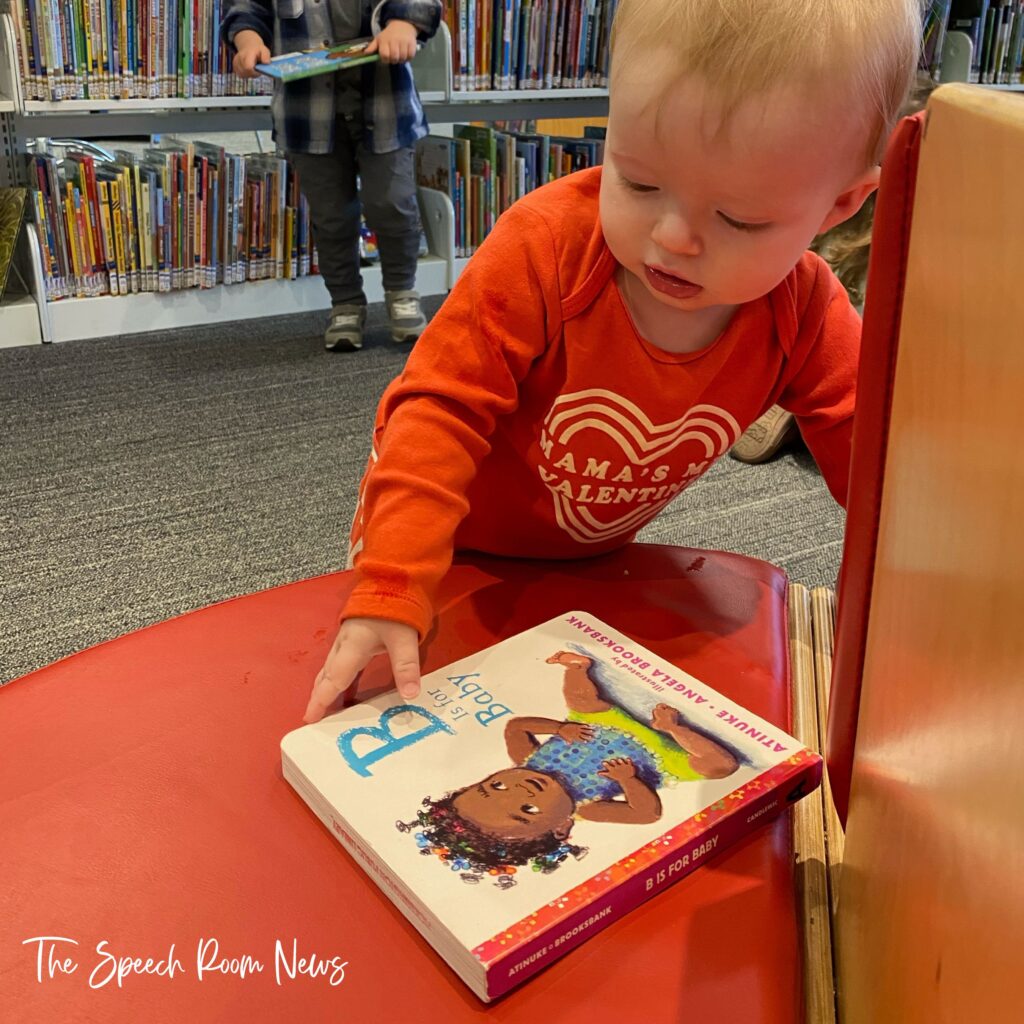
Board Books: Board books are perennially popular choices in early intervention speech therapy due to their sturdy construction, repetitive text, engaging pictures, and potential for incorporating songs and actions.
- Therapeutic Benefits:
- Sturdy Construction: Similar to durable books, their thick cardboard pages make them resilient to chewing, bending, and enthusiastic page-turning, allowing for prolonged and repeated use.
- Repetitive Text: Many board books feature simple, predictable, and repetitive language patterns. This predictability is highly beneficial for language acquisition, as it allows children to anticipate words, participate in reading by filling in missing words, and internalize grammatical structures. Repetition also supports memory and strengthens auditory processing skills, which are crucial for developing phonological awareness.
- Engaging Pictures: Bright, clear, and simple illustrations are crucial for young children. They provide strong visual cues that support comprehension, help children connect words to objects and actions, and hold their attention. The simplicity often reduces cognitive load, allowing the child to focus on specific language targets.
- Potential for Incorporating Songs and Actions: Many board books are based on familiar nursery rhymes or songs, or lend themselves easily to actions (e.g., "Pat-a-Cake," "Wheels on the Bus"). Integrating songs and actions adds a multi-sensory dimension to therapy, enhancing engagement, memory, and the development of motor imitation skills, which are often precursors to verbal imitation. The rhythmic and melodic aspects of songs can also facilitate speech fluency and prosody.
The Collaborative Approach: Parents and Caregivers as Co-Therapists
A cornerstone of effective early intervention is the active involvement of parents and caregivers. SLPs recognize that therapy sessions, while vital, are limited in duration. The real magic happens when therapeutic strategies are integrated into the child’s daily life by those who spend the most time with them. Picture books serve as excellent vehicles for this collaboration, empowering parents to become active "co-therapists."
SLPs often model specific reading techniques during sessions, demonstrating how to pause for child responses, ask open-ended questions, expand on a child’s utterances, or use specific vocal intonations to highlight new vocabulary. Parents are then encouraged to replicate these strategies at home. This approach not only provides consistent language input but also strengthens the parent-child bond through shared reading experiences. For instance, a therapist might guide a parent on how to use a "pause time" technique during reading, waiting expectantly for the child to fill in a word from a repetitive text, thereby eliciting spontaneous communication. Providing parents with a curated list of appropriate books and guidance on how to use them effectively transforms the home environment into a continuous learning space. This collaborative model ensures that the gains made in therapy are reinforced and generalized across various contexts, maximizing the child’s progress and fostering a rich, language-supportive home environment.
Measuring Success and Long-Term Impact
The success of early intervention speech therapy, particularly when incorporating tools like picture books, is typically measured by observable improvements in a child’s communication skills. This includes an increase in vocabulary (both receptive and expressive), improved articulation, enhanced narrative abilities, greater social interaction, and a reduction in communication-related frustrations. SLPs use standardized assessments, observational checklists, and parent report to track progress against individualized goals, often reviewing progress at regular intervals to adjust strategies as needed.
The implications of successful early intervention extend far beyond immediate speech improvements. Children who overcome communication delays early in life are better prepared for kindergarten, demonstrating stronger pre-literacy skills, improved social-emotional regulation, and greater confidence in academic settings. Research consistently shows that children with strong early language skills are more likely to achieve higher literacy levels, perform better in school, and develop robust social relationships. Conversely, unaddressed speech and language delays can lead to cascading challenges, including reading difficulties, academic underachievement, social isolation, and behavioral issues. By fostering language growth through engaging and accessible means like picture books, early intervention lays a robust foundation for lifelong learning, positive social engagement, and overall well-being, yielding significant individual and societal benefits.
Challenges and Future Directions
Despite the proven benefits, challenges remain in the provision and accessibility of early intervention speech therapy. These include ensuring equitable access for all families, particularly those in underserved communities, addressing workforce shortages of qualified SLPs, and adapting interventions to meet the diverse linguistic and cultural backgrounds of families. The ongoing evolution of technology also presents opportunities for innovative approaches, such as tele-therapy, which can expand reach and flexibility, though the core value of tangible books persists.
Future directions in the field will likely emphasize further integration of evidence-based practices, personalized intervention models informed by genetic and neurological research, and continued exploration into the most effective methods for promoting early language development. The role of picture books, however, is likely to remain central. As accessible, versatile, and highly engaging tools, they are indispensable for cultivating communication skills, fostering a love of reading, and building a strong foundation for children’s developmental journeys. The commitment to leveraging these simple yet profound resources underscores the dedication of speech-language pathologists to empowering every child to find their voice and connect with the world around them.
Conclusion
Incorporating picture books into early intervention speech therapy sessions provides numerous and profound benefits for children with communication difficulties. From expanding vocabulary and fostering narrative skills to stimulating imagination and facilitating crucial social interactions, these carefully selected literary tools are cornerstones of effective therapy. By leveraging interactive, durable, and board books, therapists can address a wide range of speech and language goals in an engaging and developmentally appropriate manner. This collaborative approach, which actively involves parents and caregivers, ensures that the positive impact of therapy extends beyond the clinic into the child’s daily life. Ultimately, through the thoughtful integration of picture books, speech-language pathologists foster language growth, stimulate imagination, and create a robust foundation for lifelong learning and communication, truly empowering young minds.
