


Growth, a fundamental human pursuit, is often characterized by discomfort, a reality that extends far beyond childhood growing pains. This inherent difficulty is not merely a transient phase but a pervasive element across all facets of life, from personal development and physical exertion to interpersonal relationships and spiritual journeys. The willingness to endure this discomfort, to embrace the "pain" of growth, is what ultimately shapes character, builds resilience, and cultivates lasting influence. This principle, while universally applicable, is particularly evident in the lives of individuals who have pushed their boundaries, whether in competitive athletics, demanding professions, or profound personal transformations.
The Universal Nature of Growth-Induced Discomfort
The analogy of childhood growing pains serves as a potent metaphor for the physical sensations of discomfort associated with development. As children’s bodies rapidly expand, they experience aches and pains, often without understanding the underlying biological processes. This primal experience of growth being intrinsically linked to a degree of suffering sets a precedent for how we perceive and navigate growth throughout our lives.
This connection between growth and discomfort is amplified in areas demanding significant physical exertion and discipline. For instance, the world of competitive athletics, as exemplified by powerlifting and marathon training, vividly illustrates this point. Athletes often push their bodies to extreme limits, experiencing nausea during intense workouts or enduring the persistent soreness of muscles after grueling sessions. Training for marathons, a feat requiring thousands of miles of running, involves early mornings, aching limbs, and the ever-present temptation to quit when exhaustion sets in. These physical trials are not simply incidental but are integral to achieving peak performance and physical transformation. Data from sports science consistently shows that progressive overload, a cornerstone of athletic training, inherently involves pushing muscles and cardiovascular systems beyond their current comfort zones to stimulate adaptation and improvement. A study published in the Journal of Strength and Conditioning Research indicated that athletes who regularly incorporate high-intensity interval training, a method known for its demanding nature, experience significant improvements in aerobic capacity and performance metrics.
However, the author posits that the most profound and challenging forms of growth are not physical but personal and interpersonal. This assertion highlights the nuanced understanding that while physical discomfort is quantifiable and often goal-oriented, the emotional and psychological toll of personal growth can be far more intricate and deeply felt.
The Deeper Wounds of Personal and Relational Growth
The journey of personal development, encompassing roles such as a spouse, parent, leader, friend, or spiritual adherent, often presents a more formidable challenge than any physical regimen. This is because it necessitates confronting vulnerabilities, shedding ingrained ego, and engaging in emotional labor that can be significantly more taxing than physical exertion.
Within the context of marital relationships, for example, the simple act of uttering "I’m sorry" can be an arduous undertaking. This admission requires a profound act of humility, forcing an individual to set aside pride and confront the remorse stemming from having caused hurt. The psychological barrier to admitting fault is substantial, often rooted in a societal perception that such admissions equate to weakness. Conversely, the act of offering forgiveness, as in saying "I forgive you," can be even more emotionally demanding. This statement necessitates acknowledging one’s own woundedness, a vulnerability that many find difficult to expose. The courage required for authentic forgiveness, therefore, is significant, as it involves confronting past hurts and choosing a path of reconciliation over resentment. Research in social psychology, such as studies on interpersonal conflict resolution, indicates that the capacity for empathy and the willingness to engage in difficult conversations are critical predictors of relationship longevity and satisfaction. A 2022 meta-analysis in the Journal of Marriage and Family found a strong correlation between couples’ ability to effectively manage conflict and their overall relationship quality, underscoring the importance of these challenging conversations.
This principle extends into the spiritual realm. A review of religious scriptures across various traditions reveals a consistent pattern: individuals who achieve profound spiritual connection and influence rarely tread an easy path. Prophets, apostles, and countless other figures of faith endured immense hardship, including disappointment, rejection, and suffering. Their unwavering faith, often admired from a distance, was not born in comfort but forged in the crucible of adversity. Historical accounts of religious leaders, such as the trials faced by early Christian martyrs or the ascetic practices of Buddhist monks, illustrate this arduous path. The economic and social implications of religious persecution, for example, have been well-documented throughout history, demonstrating the tangible costs borne by those committed to their beliefs. The development of foundational religious texts themselves often involved periods of intense persecution and upheaval for their adherents, suggesting that the very formation of these spiritual frameworks was intertwined with suffering.
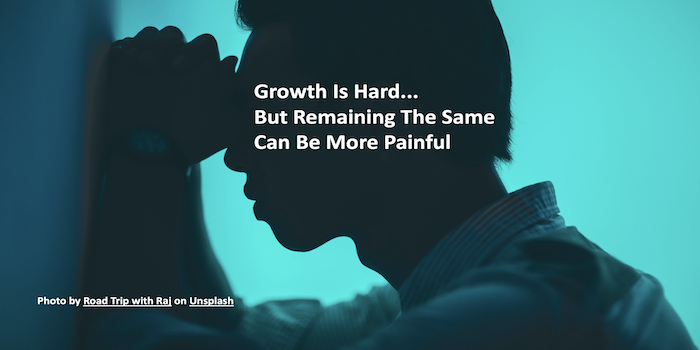
The Price of Progress: Evaluating Pain Against Gain
The decision to persevere through challenging growth, whether physical, personal, or spiritual, invariably involves weighing the immediate pain against the anticipated future gain. This calculation requires a significant degree of faith and foresight. For individuals who have successfully navigated these journeys, the answer to the question of whether the pain was worth it has consistently been a resounding yes. This perspective is echoed by those who have achieved significant influence. The most impactful individuals are not those who meticulously avoided discomfort but rather those who allowed difficult experiences to fundamentally reshape their character.
In the realm of influence and leadership, a key lesson learned is that people are drawn to individuals whose character has been tempered by adversity. While competence can attract initial attention, it is character that ultimately earns trust. The potent combination of well-developed character, honed through overcoming challenges, and demonstrable competence creates individuals who are perceived as credible authorities. This enduring credibility, a constant presence rather than a fleeting attribute, forms the bedrock of lasting influence. Studies in organizational psychology, such as those exploring leadership effectiveness, often highlight the importance of resilience and adaptability, traits directly cultivated through experiencing and overcoming setbacks. Data from leadership assessment firms frequently shows that leaders who have navigated significant crises are often rated higher in terms of trustworthiness and strategic foresight.
The author acknowledges that embracing growth does not eliminate future challenges. Each new athletic goal, each marital milestone, and each leadership endeavor necessitates further commitment and the willingness to confront new forms of discomfort. The pain associated with growth may not disappear, but the individual’s confidence in their ability to navigate it grows. This evolved confidence stems from the experiential knowledge that growth and its associated rewards lie on the other side of hardship. This cyclical nature of growth and challenge is a constant in human development.
The Arena of Adversity: Embracing the Struggle
The enduring wisdom of Theodore Roosevelt’s "Man in the Arena" speech resonates deeply with this philosophy. Roosevelt’s powerful oration champions the individual who dares to step into the arena, to risk failure, endure hardship, and persistently strive for their goals. The true defeat, in this context, is not stumbling or falling, but rather deciding that the cost of growth is too high, thereby opting for stagnation.
The proposition that growth is intrinsically linked to pain, while potentially unsettling, offers a more realistic and ultimately more empowering perspective than the pursuit of an effortless existence. The alternative to enduring the pain of growth is a far greater cost: the cost of unrealized potential, of unfulfilled relationships, and of a life lived without the profound satisfaction that comes from overcoming significant challenges. This perspective challenges the common desire for ease and comfort, suggesting that true fulfillment is often found on the other side of struggle.
Reflecting on the Crucible of Growth
The question then turns to the individual: When reflecting on one’s own life, what season of painful growth stands out as a moment of profound gratitude for not having quit? This introspective inquiry invites a personal assessment of past challenges and the recognition of the transformative power of perseverance. The enduring impact of these moments of grit and determination often forms the narrative of our personal journeys, shaping who we become and the legacy we leave behind.
The process of growth, therefore, is not a linear progression towards ease but a dynamic engagement with difficulty. It is in the willingness to face and overcome these challenges that true development, resilience, and ultimately, meaningful influence are cultivated. The uncomfortable truth is that the most rewarding aspects of life are often those that require the greatest effort and the deepest courage to pursue.
Authorial Context and Expertise
Brian Ahearn, Chief Influence Officer at Influence PEOPLE and a faculty member at the Cialdini Institute, brings a wealth of experience to these observations. As a Cialdini Method Certified Trainer, personally endorsed by Robert Cialdini, he possesses a deep understanding of the psychological principles underpinning influence and persuasion. His work as an author, TEDx presenter, international speaker, coach, and consultant consistently emphasizes the application of ethical influence in achieving tangible results. His bestselling books, including Influence PEOPLE, Persuasive Selling, and Influenced from Above, along with his widely viewed LinkedIn courses and TEDx Talk on pre-suasion, underscore his expertise in navigating complex human interactions and driving impactful outcomes. Ahearn’s background in athletic pursuits, as mentioned in his personal reflections, further grounds his insights in the practical realities of pushing personal boundaries and the inherent challenges of striving for excellence. His commentary on growth and adversity is thus informed by both academic rigor and lived experience.
