

The pursuit of sonic excellence in voice-over work necessitates a deep understanding of the tools that shape auditory experiences. This comprehensive guide delves into the critical considerations for selecting the optimal microphone, catering to a diverse spectrum of voice actors, from burgeoning talents to seasoned veterans. By dissecting microphone types, technical specifications, and a curated selection of industry-favored models, aspiring and established professionals can navigate the complex landscape of audio equipment with confidence, ensuring their vocal performances are captured with unparalleled clarity and fidelity.
Understanding the Fundamentals of Voice Over Microphones
At the core of professional voice-over recording lies the microphone, the primary transducer that converts acoustic energy into electrical signals. The effectiveness of a voice actor’s performance is inextricably linked to the quality of the microphone used, influencing everything from subtle vocal nuances to the overall presence and warmth of the final product. This section will explore the foundational elements that distinguish microphones and their relevance to voice-over applications.
Essential Voice Over Equipment: A Foundational Overview
Before delving into specific microphone recommendations, it’s crucial to establish a baseline understanding of the necessary equipment for a functional voice-over setup. A well-rounded studio, even at an entry level, typically includes:
- Microphone: The central component for capturing vocal performances.
- Audio Interface/Preamp: This device amplifies the microphone’s signal and converts it into a digital format that a computer can process. Many audio interfaces include preamplifiers.
- Headphones: Closed-back studio headphones are essential for accurate monitoring of audio during recording, preventing bleed into the microphone.
- Pop Filter/Windscreen: A crucial accessory to mitigate plosive sounds (like "p" and "b") and sibilance, ensuring a cleaner vocal track.
- Microphone Stand: Provides stable and adjustable positioning for the microphone.
- Cables: Appropriate cables (often XLR for professional microphones) to connect the microphone to the audio interface.
- Acoustically Treated Recording Space: While not a piece of equipment, minimizing ambient noise and controlling room reflections is paramount for professional audio.
This basic setup serves as the bedrock for creating high-quality demo reels, audition recordings, and professional voice-over projects. For individuals entirely new to the field, an initial assessment of vocal suitability for the industry is a prudent first step, often involving vocal coaching or self-assessment through practice.
Differentiating Microphone Technologies for Voice Work
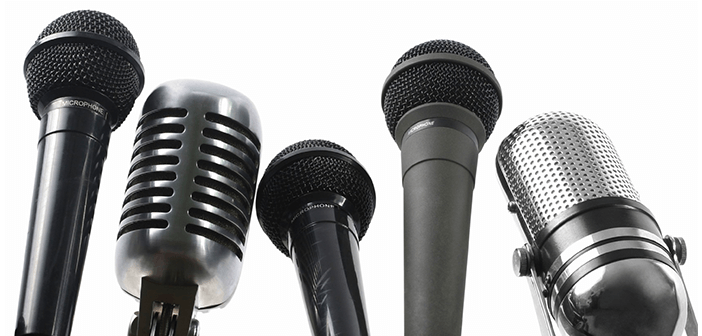
The audio industry employs several primary microphone technologies, each with distinct characteristics that lend themselves to specific recording scenarios. For voice-over artists, understanding these differences is key to making an informed equipment choice.
The Role of Phantom Power
A significant distinction among microphones is their power requirements. Condenser microphones, renowned for their sensitivity and detailed sound reproduction, typically require an external power source known as "phantom power." This is a +48-volt direct current supplied through the microphone cable, usually from the audio interface or mixing console. Phantom power energizes the microphone’s internal circuitry, enabling the diaphragm to vibrate and convert sound waves into electrical signals. The process is generally straightforward and should not deter users, as it is a standard feature on most professional audio interfaces.
The Convenience of USB Microphones
USB microphones have gained considerable popularity, particularly among beginners, due to their plug-and-play simplicity. They integrate the microphone capsule and analog-to-digital converter into a single unit, connecting directly to a computer via a USB port.
USB Microphone Advantages:
- Simplicity: Easy setup and operation, requiring no separate audio interface.
- Portability: Compact and ideal for on-the-go recording or limited studio space.
- Cost-Effectiveness: Often more affordable than traditional XLR microphone setups.
USB Microphone Disadvantages:
- Limited Upgrade Path: Often tied to the computer’s USB capabilities, offering less flexibility for future expansion.
- Potential for Latency: While modern USB interfaces have improved, some users may experience slight delays (latency) in audio monitoring.
- Sound Quality Constraints: While improving, some USB microphones may not offer the same level of sonic detail and nuance as professional XLR condenser microphones.
Dynamic Microphones: Robust and Reliable
Dynamic microphones operate on the principle of electromagnetic induction. Sound waves cause a diaphragm to move a coil within a magnetic field, generating an electrical current. They are known for their durability and ability to handle high sound pressure levels (SPLs) without distortion.
Dynamic Microphone Advantages:
- Durability: Built to withstand rough handling, making them ideal for live performance and less controlled environments.
- High SPL Handling: Can capture loud sources without clipping or distortion.
- No Phantom Power Required: Self-sufficient and do not need an external power source.
- Excellent for Isolating Sound: Often have a more focused pickup pattern, reducing background noise.
Dynamic Microphone Disadvantages:
- Lower Sensitivity: Generally less sensitive than condenser microphones, requiring more gain from the preamplifier.
- Less Detailed High-Frequency Response: May not capture the subtle nuances and airiness of a vocal performance as effectively as condensers.
- Bulkier Design: Often larger and heavier than condenser microphones.
Large Diaphragm Condenser Microphones: The Voice Over Standard
Large diaphragm condenser (LDC) microphones are the cornerstone of professional voice-over studios. Their larger diaphragms are more sensitive to subtle acoustic variations, resulting in a rich, detailed, and natural sound reproduction.
Large Diaphragm Condenser Microphone Advantages:
- Exceptional Detail and Clarity: Capture the full spectrum of vocal frequencies with remarkable accuracy.
- Warmth and Presence: Often impart a pleasing warmth and forwardness to the voice.
- Wide Dynamic Range: Capable of reproducing both soft and loud passages with fidelity.
- Versatility: Suitable for a wide range of vocal styles and applications.
Large Diaphragm Condenser Microphone Disadvantages:
- Require Phantom Power: Necessitate an audio interface or preamp capable of supplying +48V.
- More Sensitive to Environment: Can pick up more ambient noise and room reflections if the recording space is not adequately treated.
- Delicate Construction: Generally more fragile than dynamic microphones and require careful handling.
Decoding Microphone Specifications: Polar Patterns and Beyond
Beyond the fundamental microphone types, understanding specific technical characteristics is crucial for optimizing your recording setup.
Understanding Polar Patterns: Where the Sound Comes From
Polar patterns define a microphone’s directional sensitivity—how it picks up sound from different directions. This is arguably the most critical specification for voice-over work, directly impacting how much of the room and desired vocal performance is captured.
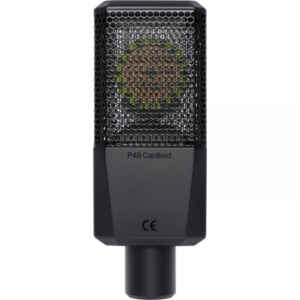
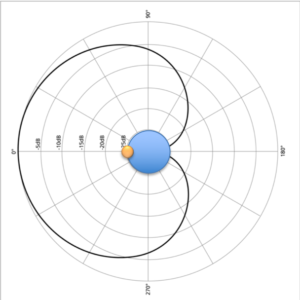
- Cardioid: The most common and essential pattern for voice-over artists. It picks up sound primarily from the front, with significant rejection from the rear and sides. This pattern effectively isolates the voice and minimizes unwanted room noise and background sounds. An ideal cardioid pattern minimizes plosives and captures 100% of the dialogue from the front, with a noticeable reduction in sensitivity at approximately 20 degrees off-axis.
- Supercardioid/Hypercardioid: These patterns offer even tighter front-facing pickup but also have a small rear lobe of sensitivity. They provide greater rejection from the sides than a standard cardioid but require more precise positioning.
- Omnidirectional: Picks up sound equally from all directions. While useful for capturing a natural room ambiance or multiple sound sources, it is generally not recommended for isolated voice-over work due to its susceptibility to ambient noise.
- Bidirectional (Figure-8): Picks up sound equally from the front and rear, with maximum rejection from the sides. This pattern is useful for interviews or capturing two distinct sound sources facing each other.
Many high-end microphones, such as the Neumann U87, feature switchable polar patterns, offering greater flexibility. However, for most voice-over applications, a reliable cardioid pattern is the fundamental requirement.
The Function of Pads and High-Pass Filters
- Pads: Pad switches on microphones are attenuators that reduce the incoming signal level by a set amount (e.g., -10dB or -20dB). They are primarily used to prevent distortion when recording extremely loud sound sources, such as close-miking a guitar amplifier. For typical voice-over recording, where sound levels are managed through microphone placement and gain staging, pad switches are less critical but can be a useful feature for extreme vocal performances or unexpected loud noises.
- High-Pass Filters (HPF) / Low-Cut Filters: These filters progressively reduce the level of low-frequency sounds below a certain cutoff point (e.g., 80Hz or 100Hz). This is highly beneficial for voice-over work as it helps to minimize low-frequency rumble from HVAC systems, traffic noise, or proximity effect (an exaggerated bass boost when speaking very close to the microphone). Many microphones incorporate a switchable HPF, offering a valuable tool for sound shaping.
The Critical Distinction: XLR vs. Jack Connectors
The type of connector used on a microphone and its associated cable plays a vital role in signal integrity and functionality.
- XLR Connectors: These are the standard for professional audio microphones, featuring a robust, three-pin design. XLR cables are "balanced," meaning they use a differential signaling system that cancels out electromagnetic interference picked up along the cable’s length. This results in a cleaner signal with less noise, crucial for professional recording. Furthermore, XLR connections are the conduit for delivering phantom power to condenser microphones.
- Jack Connectors (TRS/TS): While common in the music industry for instruments and line-level signals, standard jack connectors are typically "unbalanced" (though some are balanced). Unbalanced cables are more susceptible to noise interference over longer distances. Microphones that only feature a jack output are generally not considered professional-grade for voice-over work and may indicate a lower-quality device.
Selecting the Ideal Microphone for Your Voice Over Career
The "best" microphone for voice acting is ultimately subjective, dependent on individual vocal characteristics, desired sound profile, and budget. However, a methodical approach can illuminate the optimal choice.
Key Considerations for Voice Actor Microphone Selection
- Your Unique Voice: Every voice is different. Some microphones complement certain vocal frequencies better than others. A microphone with a subtle high-frequency lift might enhance a thinner voice, while one with a smoother top end might tame a voice prone to sibilance.
- Target Voice Over Genre: The demands of commercial narration differ from those of audiobook recording or character animation. While many microphones are versatile, some excel in specific areas. For instance, a microphone known for its warmth and presence might be ideal for commercial reads, while one offering extreme detail might suit audiobook narration.
- Budget Allocation: Microphone prices range from under $100 to several thousand dollars. Establishing a realistic budget is the first step in narrowing down options. It’s important to remember that the most expensive microphone is not always the best fit; value and suitability are paramount.
- Technical Considerations: As discussed, understanding phantom power requirements, polar patterns, and connector types ensures compatibility with your existing or planned audio interface and recording environment.
- Frequency Response: Microphones have a frequency response curve that illustrates how they reproduce different frequencies. A "flat" response aims to capture the sound source accurately without coloration. However, some microphones have intentionally shaped frequency responses that can add desirable character to a voice. For example, a microphone with an artificial lift in the high frequencies, like the Neumann TLM193 (though not primarily designed for voice-over), can sometimes make female voices sound artificially sibilant or harsh.
A Curated Selection of Voice Over Microphones Across Price Points
This curated list presents a range of microphones recognized for their performance in voice-over applications, categorized loosely by their typical price points. Prices are approximate and can vary based on retailer and region.
Mid-Range Excellence: The Foundation of Professional Sound (Approx. $200 – $500)
This segment offers microphones that provide exceptional value, delivering professional-grade sound quality suitable for serious voice-over work without a prohibitive investment.
-
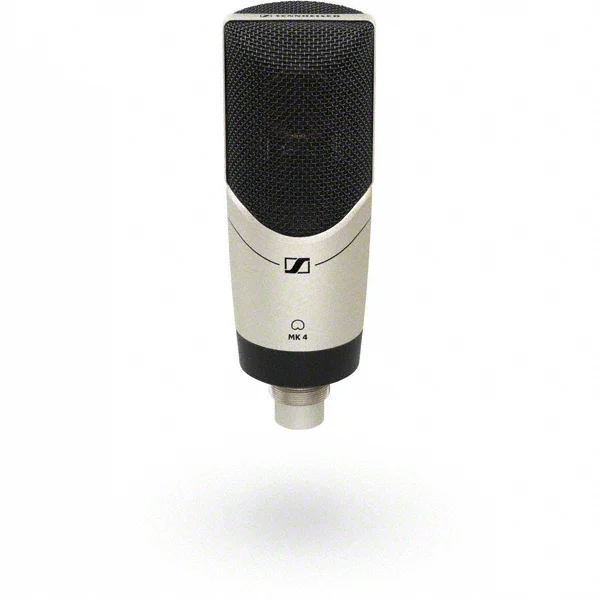
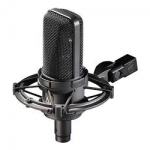
Sennheiser MK4 (~$350/£300): Often cited as a top recommendation for working voice artists, the MK4 benefits from its lineage, with its diaphragm capsule designed by the team behind the revered Neumann U87. It’s a cardioid-only microphone, prioritizing purity of sound. Its robust build and consistent performance with both male and female voices make it a standout in its price category, offering superior sound quality and durability. Its value proposition is so strong that it’s a featured product in many professional audio stores.
-
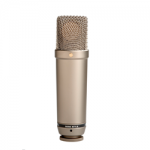
Rode NT1/NT2 (~$249/£200): These Rode microphones are excellent entry points for aspiring voice actors. They offer good resonance and a frequency response comparable to other professional voice mics. Known for their quiet operation and neutral sound, they produce high-quality recordings with a wide dynamic range. While some seasoned professionals might detect a subtle "Rode sound" that distinguishes it from more transparent microphones, for newcomers, it represents a solid and accessible choice.
-
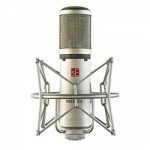
sE Electronics sE2200a II C ($299): This versatile large-diaphragm condenser microphone delivers a strong, upfront sound ideal for first-time voice actors. It features a high-pass filter and a 10dB pad, offering valuable sound-shaping capabilities and a low self-noise rating.
-
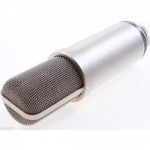
Lewitt LCT 440 Pure (£245): A relatively newer entrant that has garnered attention, the LCT 440 Pure is a large-diaphragm cardioid condenser. Its distinctive design includes an open front, magnetic pop-shield, and an included shock mount. Tests reveal a clear and crisp sound output thanks to its 1-inch condenser capsule, making it a compelling option at its price point.
-
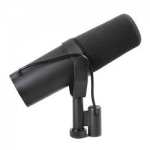
Shure SM7B ($349): While primarily a dynamic microphone, the Shure SM7B is a legendary workhorse found in radio and sound studios worldwide. Its exceptionally clear sound, coupled with impressive presence and warmth, makes it a favorite for many voice-over artists, especially those working in less-than-ideal acoustic environments due to its excellent rejection of background noise. It features a broad frequency response that can be tailored with an optional high-boost switch for added presence. Its integrated swing-mount facilitates precise positioning.
-
Audio-Technica AT4033 ($399): The AT4033 offers excellent transient response and clean output signals. This cardioid condenser microphone includes an 80Hz high-pass filter, switchable between a flat frequency response and a low-end roll-off to diminish ambient noise and plosives in close vocal recording.
-
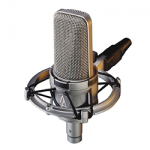
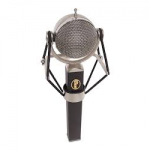
Blue Microphones Dragonfly: Positioned as one of Blue’s more affordable offerings, the Dragonfly provides a sweet, vintage-inspired sound reminiscent of classic Neumann and AKG microphones. Its unique capsule design allows for extensive angle adjustments relative to the sound source, opening up a world of sonic possibilities for voice artists seeking a distinctive character.
-
Rode NTK ($529): Another strong contender from Rode, the NTK is a vacuum tube condenser microphone that delivers a warm, clear, and robust sound. Its rugged construction ensures longevity, making it a reliable choice for professional use.
Upper Mid-Range and Professional Grade: Elevating Your Sound (Approx. $500 – $1,000)
These microphones represent a significant step up in sonic fidelity, offering a level of detail, clarity, and refinement that defines professional broadcast and recording standards.
-
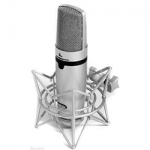
Audio Technica 4047 ($699): This microphone is engineered for versatility. Its transformer-coupled output and specially tuned element evoke the sonic characteristics of early FET studio microphone designs. It boasts low self-noise, a wide dynamic range, and high SPL capability. The precision-machined brass body enhances stability and sensitivity, making it a robust choice for demanding applications.
-
Miktek C7 ($899): The C7 is a large-diaphragm FET condenser microphone known for its pleasing sonic profile. It offers three selectable pickup patterns: cardioid, omnidirectional, and bidirectional (figure-8). This versatility makes it exceptionally useful for various recording scenarios, including interviews and general voice-over work where capturing multiple sound sources might be necessary.
-
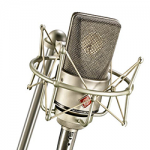
Neumann TLM 103 ($1,099): While the TLM series is characterized by its transistorless circuitry (TLM stands for Transistorless Microphone), the TLM 103 is a highly recommended microphone by numerous voice actors. It features a transformerless circuit, resulting in very low self-noise and a wide dynamic range. Its cardioid polar pattern capsule is expertly tuned for acoustic balance and effective phase cancellation from the rear. A notable characteristic is its slight lift in high frequencies, which can sometimes accentuate sibilance in higher female voices, requiring careful EQ.
-
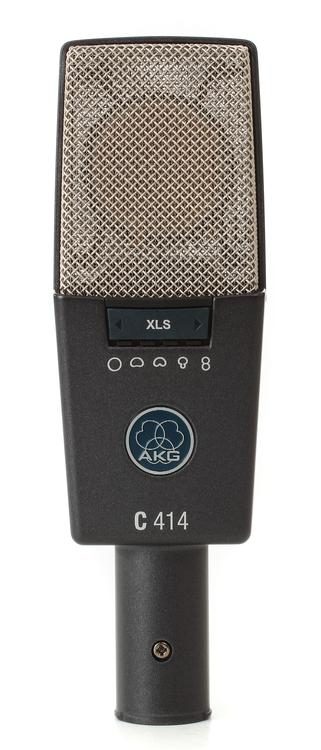
AKG C414 ($1,100): The AKG C414 is a legendary studio microphone renowned for its exceptional quality, broad pickup range, and beautifully flat frequency response. It is a professional, robust microphone that features switchable polar patterns and a pad setting, offering significant versatility for any working voice artist. Its mid-range price point for its professional capabilities makes it a highly attractive option.
The Pinnacle of Performance: Investment-Grade Microphones (Over $1,000)
These microphones represent the highest tier of audio capture, often considered industry standards and generational investments.
-
Neumann U87 ($3,180/£2,500): The Neumann U87 is arguably the most iconic and widely used microphone in professional recording studios globally. It has long held a reputation as one of the finest microphones for voice recording, a status reflected in its exceptional build quality, performance, and price. While a significant investment, it offers switchable polar patterns, a pad, and a remarkably flat response, making it exceptionally well-suited for both male and female voices across a vast array of applications. For those with the financial capacity, it is an unparalleled choice, though the Sennheiser MK4 is often cited as a comparable alternative at a fraction of the cost.
-
Sennheiser MKH 416 (Circa $700/£550): Despite its mid-range price point relative to some of the other high-end options, the MKH 416 is a ubiquitous microphone in the voice-over industry, particularly for commercial work. It is a hypercardioid microphone, demanding precise on-axis positioning. While its design was originally for capturing distant sounds, when used up close, it produces a distinctively punchy and clear commercial sound. Its exceptional ruggedness and durability make it the go-to travel microphone for professionals. Many seasoned voice actors own both a 416 for its specific sonic characteristics and a large-diaphragm condenser for broader versatility.
-
Blue Yeti Pro ($249.00): While the article generally advises against USB microphones for professional use, the Blue Yeti Pro is highlighted as a better-performing option within the USB category, especially for budget-conscious beginners. The Pro version offers higher recording fidelity and the ability to use an XLR connection, bridging the gap between entry-level convenience and professional standards.
Summary and Moving Forward
Choosing the right microphone for voice-over work is a foundational decision that significantly impacts the quality and professionalism of your recordings. The journey begins with a clear understanding of your budget and the specific sonic characteristics you aim to achieve. The microphones listed above represent a spectrum of industry-recognized tools, each offering distinct advantages for various budgets and needs.
For those seeking to deepen their understanding of studio setup and microphone techniques, comprehensive resources such as home recording studio courses are invaluable. These programs often provide detailed insights into acoustic treatment, signal flow, and best practices for capturing pristine audio.
Ultimately, the pursuit of the perfect voice-over microphone is an ongoing exploration, balanced by technical knowledge, practical application, and a commitment to sonic excellence.
