

The practice of "debreathing" in voice-over recordings, a seemingly technical post-production process, has emerged as a nuanced and often debated topic within the industry. While the concept itself—the selective removal or silencing of vocal breaths—appears straightforward, its application carries significant implications for the perceived authenticity, emotional resonance, and overall effectiveness of voice performances across various media. This article delves into the historical context, technical nuances, industry standards, and the evolving understanding of debreathing, aiming to provide a comprehensive overview for professionals and stakeholders alike.
Defining Debreathing: Beyond Simple Silence
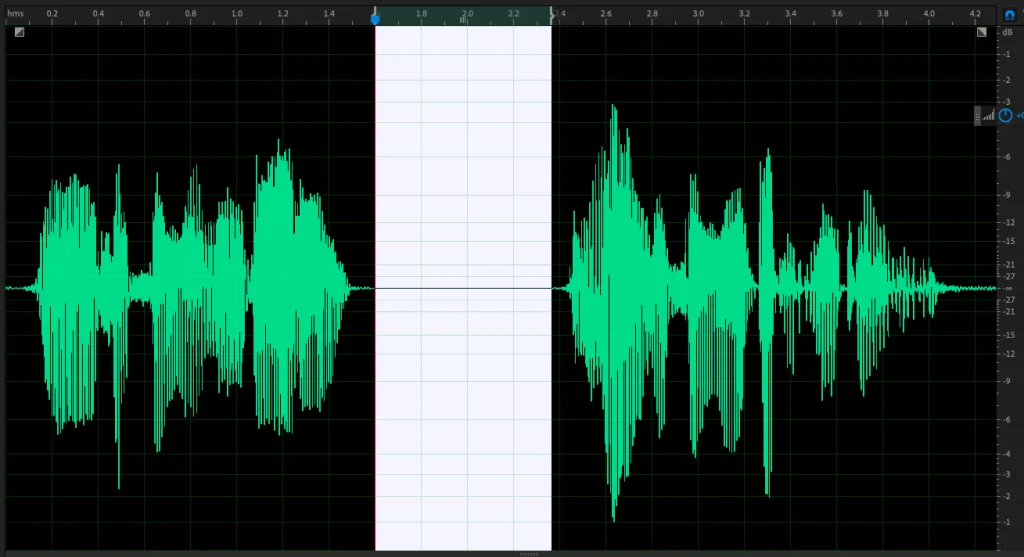
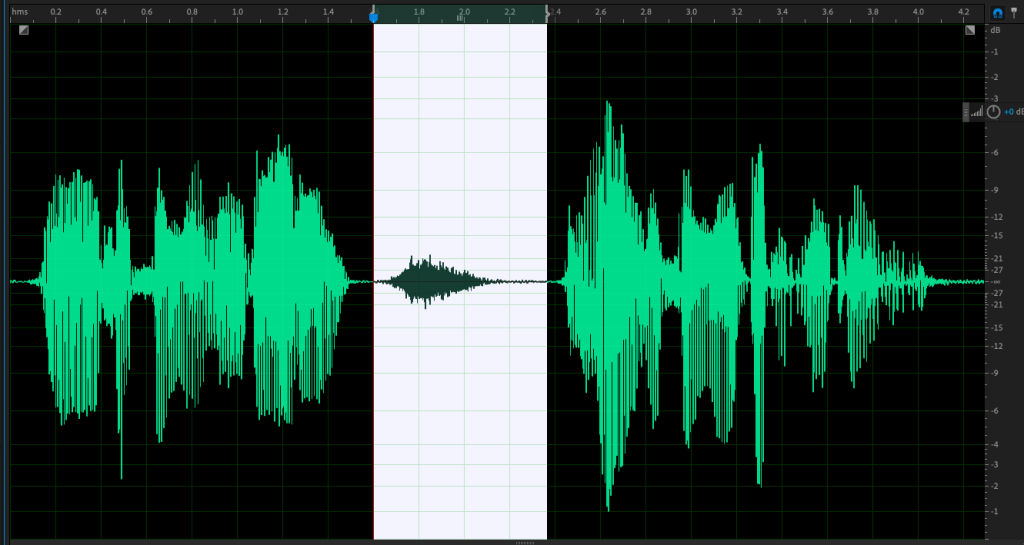
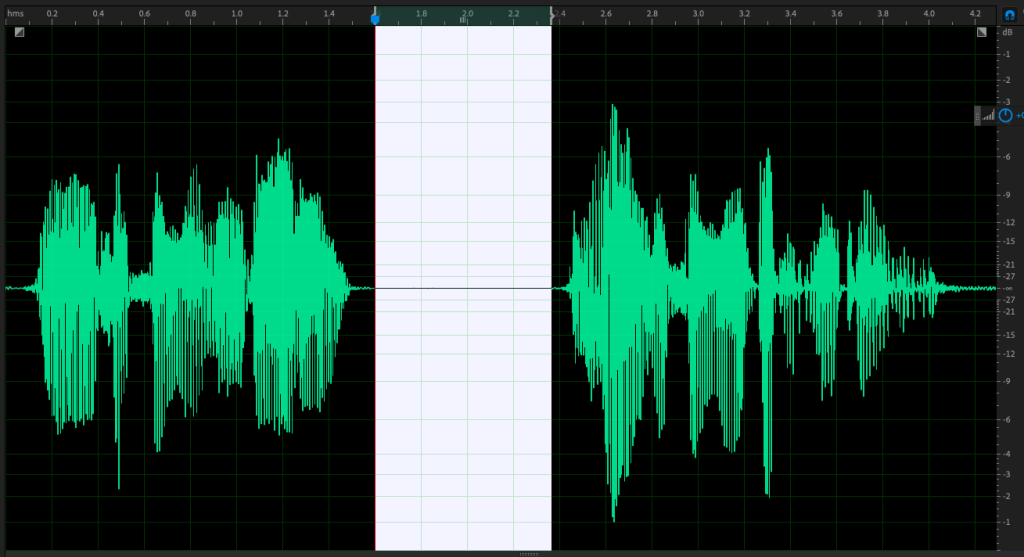
At its core, debreathing involves the meticulous identification and manipulation of audible breaths within a recorded vocal performance. This can manifest in two primary ways: silencing the breath, which renders it inaudible while retaining the original timing of the performance, or outright removing the breath and the temporal space it occupied, creating a more condensed delivery. The distinction is crucial, as illustrated by visual representations of audio waveforms. In Adobe Audition, for instance, a recorded breath appears as a distinct spike. Silencing this spike mutes the sound, whereas removing it also eliminates the segment of the timeline, subtly altering the pacing.
Historically, the impulse to debreath stemmed from a desire for pristine audio clarity, particularly in early broadcasting and recording technologies where background noise and vocal imperfections were more pronounced. The goal was to present a polished, uninterrupted vocal track that could seamlessly integrate with music and sound effects.
The Traditional Domain: Commercial Advertising
The conventional wisdom in the voice-over industry has long dictated that commercial advertisements are the primary candidates for debreathing. The rationale behind this practice is rooted in the fundamental objective of advertising: to convey a message with maximum impact and minimal distraction. In this context, breaths can be perceived as interruptions, potentially diverting the listener’s attention from the core selling proposition.
For decades, voice-over artists have been trained to debreath their commercial takes, assuming it a standard quality control measure. The prevailing sentiment was that commercial voice-overs needed to be hyper-focused, delivering information with a precision that left no room for natural human vocalizations that might detract from the message. This approach aimed to create an almost superhuman vocal presence, designed to command attention and adhere strictly to tight broadcast schedules where every second counted.
Unpacking the Nuance: The Ambiguity of "Commercial"
However, the definition of "commercial voice-over" itself presents a layer of complexity that often leads to misunderstandings and misapplications of the debreathing technique. Broadly, the term can be interpreted in two ways:
- Commercially Produced Voice-Over: This refers to any voice-over work for which a professional voice artist is compensated, regardless of the ultimate medium or purpose. This encompasses corporate narration, e-learning modules, video game characters, and more.
- Voice-Over for Advertisements: This specifically targets audio and visual content designed for promotional purposes, such as television commercials, radio spots, cinema advertisements, and online ad campaigns.
The industry’s traditional practice often conflated these two definitions, leading many voice artists to debreath all "commercial" work, regardless of its specific application. This, according to contemporary industry understanding, is where the practice often goes astray. The prevailing consensus now suggests that debreathing should ideally be reserved for the second category—actual advertisements—where the singular focus on message delivery is paramount. In these instances, the presence of music and sound effects often masks the absence of breaths, allowing the debreathing to serve its intended purpose without creating an unnatural listening experience.
The Case Against Ubiquitous Debreathing: Reclaiming Naturalism
The argument against debreathing voice-over recordings outside of strict advertising contexts is multifaceted and increasingly supported by research into human perception and the evolving landscape of audio content. Several key factors underscore this perspective:
The Human Element and Perceived Naturalness
Humans are biologically wired to expect and process vocal breaths in natural speech. The absence of these breaths, particularly in extended spoken passages, can create a subtle but pervasive sense of unease for the listener. Without the familiar rhythm of inhalation and exhalation, a performance can sound artificial, robotic, or even unsettling. This phenomenon is particularly pronounced in solo vocal deliveries where there is no accompanying music or soundscape to provide sonic context. The listener, unconsciously anticipating a breath, may experience a form of auditory tension, waiting for a natural pause that never arrives.
This observation is further supported by the evolution of text-to-speech (TTS) technologies. Early iterations of virtual assistants and synthesized voices, such as those found in early versions of Siri or Google Assistant, often lacked audible breathing. While technically proficient, these voices were frequently criticized for their lack of naturalness. More recent advancements in TTS have deliberately incorporated breathing sounds, recognizing that their inclusion enhances realism and creates a more human-like auditory experience. This technological shift mirrors a broader industry trend towards valuing authentic, human-centered vocal performances.
The Role of Breath in Cognitive Processing
Beyond mere sound, breaths serve a critical functional role in communication. They act as natural punctuation marks, providing listeners with crucial pauses to process information, assimilate new ideas, and form their own thoughts and conclusions. When breaths are systematically removed from non-advertisement content, this essential cognitive downtime is curtailed. The result can be a performance that feels rushed and overwhelming, leading to diminished comprehension and retention by the audience. Anecdotal evidence suggests that heavily debreathed corporate narration or documentary voice-overs can leave listeners feeling disengaged and unable to recall key details, as the constant, unyielding vocal delivery leaves no mental space for absorption.
The Trend Towards Natural Delivery
In contemporary voice-over production, there is a strong and growing preference for naturalistic delivery styles. This trend prioritizes authenticity, relatability, and an approachable vocal persona. Breathing is an intrinsic component of natural human speech. By removing it, voice artists inadvertently strip away a fundamental element of that naturalness, transforming a potentially nuanced and engaging performance into something sterile and less compelling. The very quality that makes a voice human—its imperfections, its organic rhythms, its breath—is often what connects with an audience on an emotional level. Eliminating these aspects can diminish the emotional impact and relatability of the voice-over.
The Perils of Accidental Debreathing
Compounding the debate around intentional debreathing is the issue of accidental breath removal through the indiscriminate use of audio processing tools. Techniques such as noise gates and expanders, often employed to clean up recordings in less-than-ideal acoustic environments, can have the unintended consequence of suppressing or eliminating vocal breaths along with ambient noise.
While these tools might superficially improve the perceived "cleanliness" of a recording by reducing background hiss or room tone, they do so at the expense of the vocal performance’s natural human qualities. This approach is often characterized as a workaround for poor recording conditions rather than a solution. Professionals increasingly advocate for addressing acoustic challenges at the source—improving the recording environment—rather than attempting to "fudge" the audio in post-production with tools that fundamentally alter the character of the vocal track. This distinction is crucial, separating amateurish attempts to mask deficiencies from a considered and professional approach to audio engineering.
Navigating the Future: A Call for Clarity and Client Consultation
In conclusion, the practice of debreathing in voice-over is not a one-size-fits-all solution. While it retains a specific, albeit niche, application in the realm of traditional advertising where the singular focus is on immediate message delivery, its broader application is increasingly being re-evaluated.
The prevailing professional advice is clear: do not debreath voice recordings unless specifically instructed to do so for commercial advertising purposes. Even in such cases, it is imperative to seek explicit confirmation from the client, employer, or hiring party. The breath is an undeniable marker of our humanity, a fundamental aspect of human expression that we instinctively expect and need. In an era where the capabilities of artificial intelligence are rapidly advancing, highlighting and embracing our natural human qualities, including vocal breaths, becomes a critical differentiator for human voice talent.
For other sectors of the voice-over industry, including corporate narration, gaming, dramatic performances, and documentary work, preserving the natural rhythm and authenticity of the vocal performance is paramount. These performances thrive on relatability and human connection, elements that are intrinsically linked to the presence of vocal breaths.
Ultimately, the decision to debreath should be a deliberate, informed choice driven by the specific requirements of the project and clear client directives. As the industry continues to evolve, a greater emphasis on naturalism and authenticity will likely further solidify the understanding that, for most applications, a voice performer’s breath is not a flaw to be corrected, but a vital component of their humanity and their craft. The ability to breathe, to pause, and to convey emotion through these organic vocalizations is a distinct advantage that human voice artists bring to the table, particularly in contrast to increasingly sophisticated AI-generated voices. Therefore, unless explicitly directed otherwise, preserving these natural elements is not only professionally sound but also a strategic way to underscore the unique value of human performance.
