

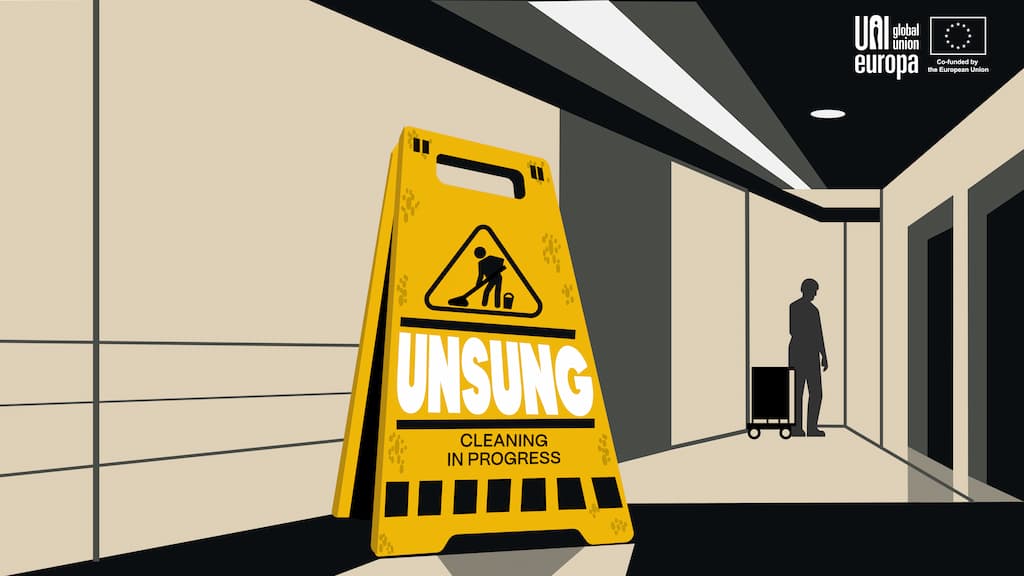
A new documentary podcast, "Unsung: Cleaners," is shedding light on the often-invisible yet vital work of cleaning professionals across the European continent. Produced by UNI Europa, the podcast aims to amplify the voices of these essential workers, bringing their personal experiences, challenges, and aspirations to the forefront. The release of this four-part series coincides with a pivotal moment for the sector, as the European Union undertakes a significant overhaul of its public procurement rules, which directly impact the working conditions of millions of cleaners employed through public contracts.
The initiative seeks to humanize a profession frequently relegated to the shadows, highlighting the dedication and resilience of individuals who maintain the hygiene and functionality of public spaces, workplaces, and essential services. By sharing their stories in their own words, "Unsung: Cleaners" endeavors to foster greater understanding, appreciation, and ultimately, improved conditions for this workforce.
The Human Element: Stories from the Frontlines
"Unsung: Cleaners" features a diverse array of individuals from various European nations, each with a unique narrative. Among those sharing their experiences is Hayat Elhore, a cleaner at the European Parliament in Brussels. Her story, like many others, speaks to the daily realities of often performing labor that is unseen but critical to the functioning of major institutions. The podcast delves into the nuances of this work, including the prevalence of night shifts, the physical and emotional toll it can take, and the persistent struggle for recognition and dignity.
Another compelling voice is that of Lisa Stenson, a hospital cleaner in Ireland. Her contribution to the podcast is particularly poignant, as she recounts her experiences working on the frontlines of the COVID-19 pandemic, assigned to the very first wards designated for infected patients. Her testimony underscores the immense pressure and risks faced by cleaning staff in healthcare settings, a reality that was brought into sharp focus during the global health crisis. These personal accounts serve as a powerful testament to the indispensable role cleaners play, especially during times of crisis.
A Critical Juncture: EU Public Procurement Reforms
The timing of "Unsung: Cleaners" release is not coincidental. The European Union is currently in the process of revising its public procurement rules, a legislative framework that governs an estimated €2,000 billion in annual spending. These regulations are instrumental in shaping the terms of contracts awarded to private companies that provide services to public bodies, including cleaning services. Consequently, the reform process holds significant implications for the working conditions, wages, and overall welfare of millions of cleaners across the EU.
Public procurement policies often dictate the cost-effectiveness of bids, which can inadvertently lead to a race to the bottom in terms of labor costs. This can result in precarious employment, low wages, and inadequate benefits for cleaning staff. By bringing the human stories of these workers to the forefront, UNI Europa hopes to influence the ongoing policy discussions and advocate for procurement rules that prioritize fair labor practices and decent working conditions. The podcast aims to demonstrate that investing in the well-being of cleaners is not merely a matter of social justice but also an investment in the quality and reliability of public services.

The Intersection of Migration and Labor
A recurring theme within the podcast is the disproportionate representation of individuals from migrant backgrounds within the cleaning sector across many European countries. The narrative presented in "Unsung: Cleaners" suggests that this demographic concentration is not a random occurrence but rather a systemic outcome shaped by a confluence of factors. Discriminatory immigration policies, labor market barriers that limit access to other professions, and a consistent failure to recognize qualifications and skills acquired in other countries contribute to the channeling of many migrants into low-wage, often precarious, service sector jobs.
The podcast argues that cleaners are skilled workers who possess valuable expertise and contribute significantly to society. However, they are frequently undervalued and underpaid. The systematic failure to recognize their skills, coupled with the social and economic disadvantages faced by many migrant workers, creates a cycle of disadvantage. UNI Europa’s initiative seeks to challenge these perceptions, advocating for a paradigm shift where cleaning is recognized as a skilled profession deserving of fair remuneration and respect, regardless of the worker’s background.

Background and Context: The Evolution of Public Procurement
Public procurement has long been a tool for governments to acquire goods and services. Over the decades, its scope has expanded to encompass a wide range of services, including those in the social and environmental spheres. The European Union has a comprehensive framework governing public procurement, designed to ensure fair competition, transparency, and efficiency. However, concerns have been raised about the extent to which these rules have effectively promoted social considerations, such as fair wages and decent working conditions.
Historically, procurement has often prioritized the lowest bid, leading to a focus on cost reduction above all else. This has created an environment where companies competing for public contracts may feel pressured to cut costs in ways that negatively impact their workforce. In recent years, there has been a growing recognition of the need to integrate social and environmental criteria into procurement decisions. This includes promoting fair labor standards, supporting local economies, and encouraging sustainable practices. The current review of EU public procurement rules presents an opportunity to embed these principles more robustly into the system.

The €2,000 billion figure associated with EU public procurement highlights its immense economic significance. This vast sum represents public money spent on everything from infrastructure projects and defense contracts to healthcare services and public sector employment. The decisions made regarding how this money is spent have a profound impact on the lives of millions of citizens, including those in the workforce. For cleaners, the implications are direct and tangible, influencing their daily earnings, job security, and overall quality of life.
Timeline and Chronology of the Initiative
While the exact timeline for the development and release of "Unsung: Cleaners" is not detailed in the provided text, the podcast’s launch signifies the culmination of efforts by UNI Europa to advocate for cleaning workers. UNI Europa, as a pan-European trade union federation, has a long history of campaigning for the rights of workers in the service sector. This podcast represents a strategic approach to raising awareness and mobilizing public support for their cause.

The concurrent review of EU public procurement rules provides a crucial window of opportunity for such advocacy. The legislative process for reforming EU directives is often lengthy, involving consultations with stakeholders, parliamentary debates, and eventual adoption. UNI Europa’s engagement in this process, amplified by initiatives like "Unsung: Cleaners," aims to ensure that the voices of affected workers are heard and considered by policymakers. The podcast’s release serves as a timely intervention, designed to inform and influence the final shape of the new procurement regulations.
Broader Impact and Implications
The implications of "Unsung: Cleaners" extend beyond the immediate context of EU policy. By humanizing the profession of cleaning, the podcast contributes to a broader societal conversation about the value of all types of work. In many societies, jobs that are essential for daily life but do not require higher education or specialized technical skills are often devalued and associated with lower social status. This can create a self-perpetuating cycle of low wages and poor working conditions.

The podcast’s emphasis on the skills and professionalism of cleaners aims to challenge these ingrained perceptions. It suggests that recognizing the dignity and worth of all workers, regardless of their occupation, is fundamental to building more equitable and just societies. Furthermore, by highlighting the links between discriminatory immigration policies and the concentration of migrant workers in low-wage sectors, the podcast contributes to a more nuanced understanding of social justice issues within the EU.
The success of "Unsung: Cleaners" could pave the way for similar initiatives aimed at giving voice to other often-overlooked workforces. It demonstrates the power of storytelling and media to effect social change and advocate for policy reform. The podcast’s call to action, urging listeners to engage with the stories and consider the implications for policy, is a vital component of its strategy. By encouraging active listening and informed engagement, UNI Europa hopes to foster a more supportive and appreciative environment for cleaning professionals throughout Europe.
Official Responses and Stakeholder Perspectives

While the provided article does not include direct statements from EU officials or representatives of private cleaning companies, the context of the EU’s public procurement reform process implies ongoing dialogue and debate among various stakeholders. Trade unions, such as UNI Europa, are key participants in these consultations, advocating for the interests of workers. They typically engage with national governments, European institutions, and sometimes directly with employers’ organizations.
Private companies that provide cleaning services under public contracts would also have a vested interest in the outcome of the procurement reforms. Their responses would likely focus on the economic feasibility of proposed changes, the potential impact on their competitiveness, and their capacity to meet higher labor standards. It is probable that industry associations representing these companies would be actively involved in the consultation process, presenting their perspectives on the challenges and opportunities presented by new regulations.
The European Commission, as the executive arm of the EU, plays a central role in proposing and implementing legislation. Their stated aim in revising public procurement rules is often to promote efficiency, innovation, and sustainability, alongside social and environmental considerations. The success of UNI Europa’s advocacy, and the broader impact of initiatives like "Unsung: Cleaners," will depend on their ability to effectively influence the Commission’s proposals and the subsequent negotiations within the European Parliament and the Council of the EU.

The podcast itself, co-funded by the European Commission, suggests a degree of alignment between UNI Europa’s objectives and the Commission’s broader policy goals concerning social inclusion and fair working conditions within the single market. This co-funding indicates a recognition by the Commission of the importance of addressing the issues highlighted by the podcast.
Conclusion
"Unsung: Cleaners" emerges as a powerful audio document, meticulously crafted to illuminate the lives and experiences of a workforce that forms the backbone of countless public and private institutions. By offering a platform for cleaners to share their narratives in their own voices, the podcast transcends mere reporting; it fosters empathy and understanding. The strategic timing of its release, coinciding with critical EU public procurement reforms, amplifies its potential to effect tangible change. As the EU grapples with how to spend trillions of euros in public funds, the stories within this podcast serve as a potent reminder that behind every contract lies a human being whose well-being and dignity are paramount. The podcast’s success will be measured not only in listenership but in its contribution to shaping a future where the essential work of cleaning is finally accorded the respect, recognition, and fair treatment it so undeniably deserves.
