


Curriculum Night, a longstanding tradition in educational institutions, serves as a crucial interface between schools and families, offering a window into the academic journey of students. For Speech-Language Pathologists (SLPs), this event transcends a mere formality; it represents a vital opportunity to illuminate their indispensable role within the educational ecosystem, foster robust parent-professional partnerships, and ultimately, enhance student outcomes. This evening provides a unique platform to demystify speech and language therapy, showcase its profound impact, and empower parents as active participants in their child’s developmental progress.
Understanding the Educational Nexus: Curriculum Night’s Enduring Purpose
Historically, Curriculum Night, often held at the outset of the academic year, was conceived as a foundational event to bridge the home-school divide. Its primary aim is to familiarize parents with the school’s educational philosophy, introduce them to their child’s teachers, and provide a comprehensive overview of the curriculum and expectations for the coming months. This proactive engagement is predicated on the understanding that active parental involvement is a significant predictor of student success. From elementary schools showcasing foundational literacy and numeracy to high schools detailing advanced coursework and college preparatory programs, the event underscores a school’s commitment to transparency and collaboration.
In the context of special education and related services, Curriculum Night takes on an added layer of complexity and significance. Federal legislation such as the Individuals with Disabilities Education Act (IDEA) mandates parent participation in the educational decision-making process for students with disabilities. For disciplines like speech-language pathology, which often operate outside the traditional classroom structure, effectively communicating their services during this event is not just good practice but a critical component of fulfilling these mandates and building trust.

In many progressive districts, like one described in a previous model, specialized programs, particularly at the preschool level, have innovatively structured Curriculum Night to allow parents to opt into sessions covering topics of particular interest. This tailored approach, offering distinct groups focused on communication, play, behavior, sensory integration, home routines, or fine motor skills, has proven exceptionally effective in fostering communication and collaboration. Such models recognize the diverse needs and concerns of parents of children receiving special education services, enabling SLPs to directly address pertinent issues.
The Indispensable Role of the Speech-Language Pathologist in Education
Speech-language pathologists are often considered the "hidden gems" of the educational landscape, providing specialized support that underpins academic achievement and social integration. Unlike classroom teachers whose roles are generally well-understood, the breadth and depth of an SLP’s responsibilities can be less immediately apparent to the uninitiated parent. SLPs address a wide spectrum of communication disorders, including articulation, phonology, fluency (stuttering), voice, receptive and expressive language, social communication (pragmatics), cognitive-communication, and even feeding and swallowing difficulties. These challenges, if left unaddressed, can profoundly impact a child’s ability to learn, interact with peers, and navigate the world.
Statistical data underscores the prevalence and importance of these services. According to the National Institute on Deafness and Other Communication Disorders (NIDCD), approximately 5% of children aged 3–17 years in the United States have a speech disorder, and 8% have a language disorder. Furthermore, studies by the American Speech-Language-Hearing Association (ASHA) indicate that speech, language, and communication are foundational to literacy development and academic success across all subjects. For instance, a child struggling with language comprehension will invariably face difficulties in reading, writing, and understanding classroom instructions. An SLP’s intervention can significantly mitigate these challenges, promoting academic progress and enhancing overall quality of life.
Therefore, Curriculum Night offers SLPs a unique opportunity to step into the spotlight and articulate the critical value they bring. It’s a chance to move beyond the confines of individualized education program (IEP) meetings and provide a broader context for their work, demonstrating how speech and language therapy is not merely a supplementary service but an integral component of a child’s comprehensive education.

Strategic Topic Selection: Addressing Real Parental Concerns
The foundation of an impactful Curriculum Night presentation for an SLP lies in the judicious selection of a topic that genuinely resonates with parents. This is not merely about showcasing the SLP’s professional competencies but about identifying and addressing the tangible challenges and concerns that parents may harbor regarding their child’s communication development. An effective topic acts as a bridge, transforming abstract clinical practices into relatable, problem-solving strategies.
For example, while an SLP might be deeply invested in the nuances of phonological processes, a parent might be more concerned about why their child isn’t speaking in full sentences or struggles to make friends. Choosing topics that directly respond to these parental anxieties — such as "Understanding Speech and Language Milestones for School Success," "Practical Strategies for Boosting Communication at Home," or "Navigating Social Communication Challenges" — can instantly capture attention and foster engagement. This approach aligns with the core principles of family-centered practice, where the needs and perspectives of the family guide intervention strategies.
When considering potential topics, SLPs should reflect on frequently asked questions during IEP meetings, common areas of struggle observed in students, or general developmental concerns prevalent in their school population. For instance, if a significant number of students are struggling with executive functioning skills impacting their ability to follow multi-step directions, a session on "Supporting Organizational and Listening Skills Through Language Strategies" could be highly beneficial. The goal is to ensure parents leave the presentation feeling informed, empowered, and equipped with actionable steps they can implement immediately. This proactive problem-solving approach builds trust and reinforces the SLP’s role as a valuable resource and partner in the child’s educational journey.
The Imperative of Accessible Communication: Speaking Parent-Friendly Language
One of the most critical, yet often overlooked, aspects of an effective Curriculum Night presentation is the deliberate use of parent-friendly language. The field of special education, including speech-language pathology, is replete with specialized jargon, acronyms, and technical terminology (e.g., "IEP," "LRE," "AAC," "phonological awareness," "pragmatics," "dysarthria"). While these terms are essential for professional discourse, their use with parents can create a significant barrier to understanding and engagement. As the saying goes, "There is nothing more frustrating than sitting in a presentation feeling completely lost and overwhelmed."
The analogy of explaining complex concepts to a fifth grader serves as an excellent guide. This doesn’t imply condescension but rather a commitment to clarity, simplicity, and accessibility. Parents, regardless of their educational background, may be entirely new to the world of speech and language therapy. They are often navigating a sea of information, anxieties, and new terminology. The SLP’s role is to act as a clear, guiding professional, demystifying the process and making information digestible.
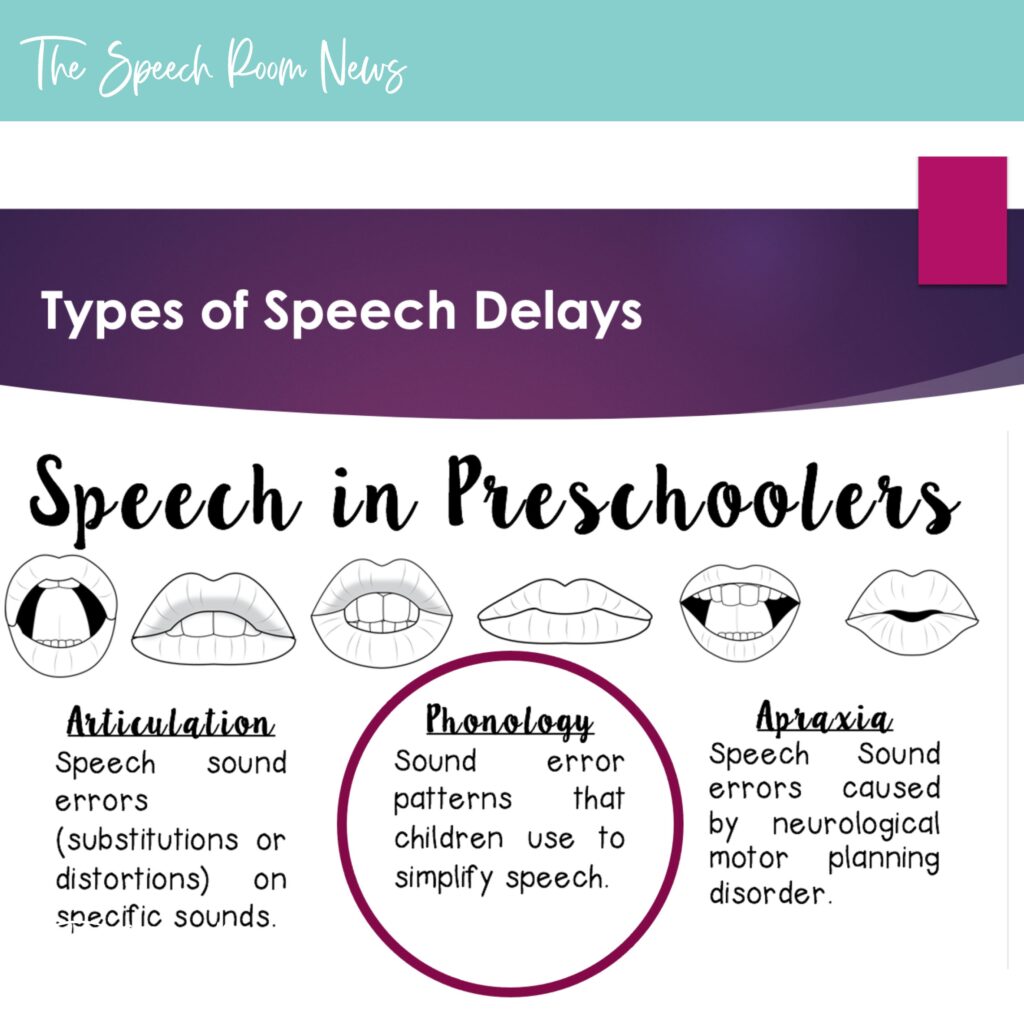
This means consciously avoiding abbreviations without immediate, plain-language explanations. It entails breaking down complex therapeutic goals into understandable, real-world applications. For instance, instead of discussing "targeting velar fronting," an SLP might explain how they help a child learn to say "car" instead of "tar." Instead of "improving receptive language skills," they might talk about "helping your child understand directions better." This approach not only enhances comprehension but also fosters a sense of inclusivity and respect, ensuring that parents feel valued and understood rather than alienated by technical language. Furthermore, in increasingly diverse school communities, considering linguistic and cultural backgrounds, and potentially offering materials in multiple languages, can significantly enhance accessibility and engagement.
Interactive Engagement: The "Make and Take" Concept
Beyond didactic presentations, incorporating an interactive "Make and Take" activity can significantly elevate the impact of a Curriculum Night session. This hands-on approach transforms passive listening into active participation, leaving parents with tangible tools and a deeper understanding of practical strategies. The psychological principle at play is that active learning leads to greater retention and a stronger sense of ownership.
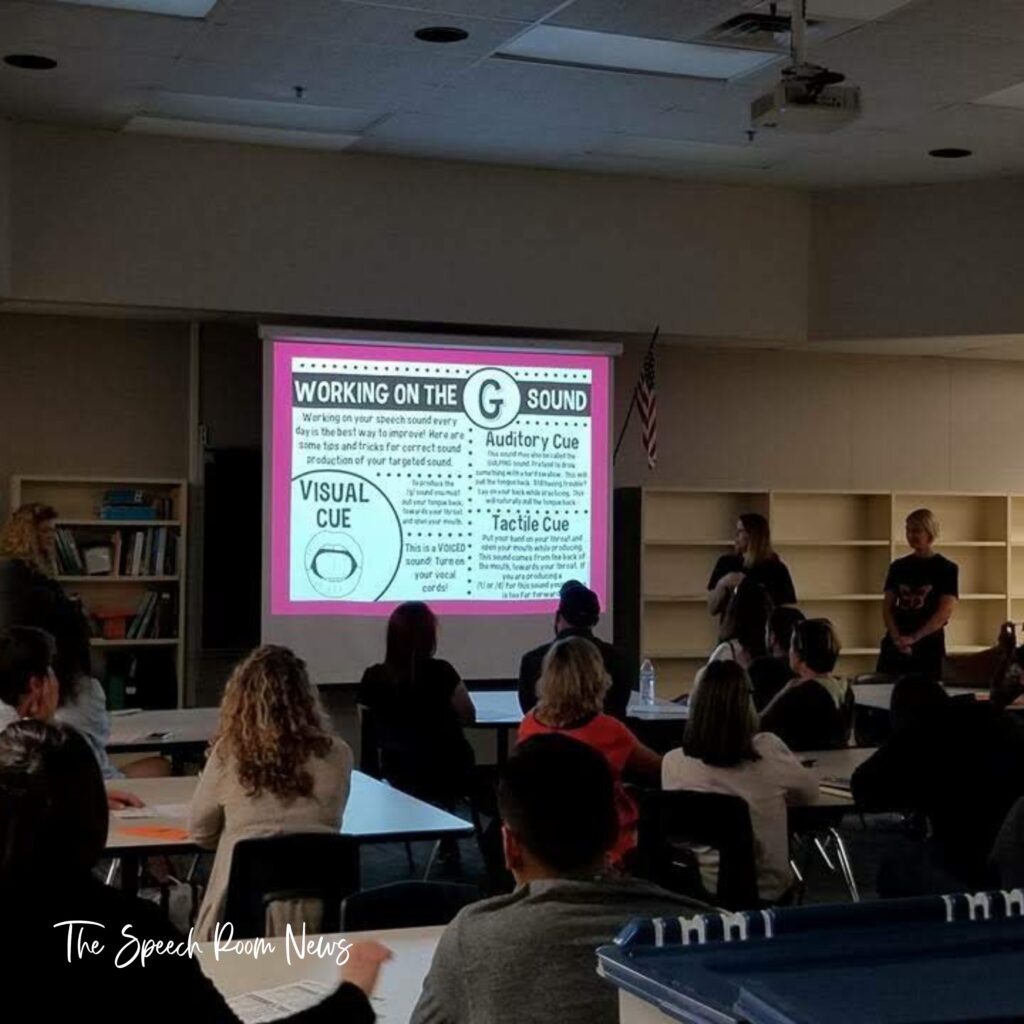
A "Make and Take" activity can be tailored to various communication goals. For instance, an SLP might guide parents in creating:
- Simple Communication Boards: Using visual aids for daily routines or choice-making, demonstrating the principles of Augmentative and Alternative Communication (AAC).
- Articulation Practice Cards: Parents could laminate and cut out cards featuring target sounds, learning correct pronunciation cues in the process.
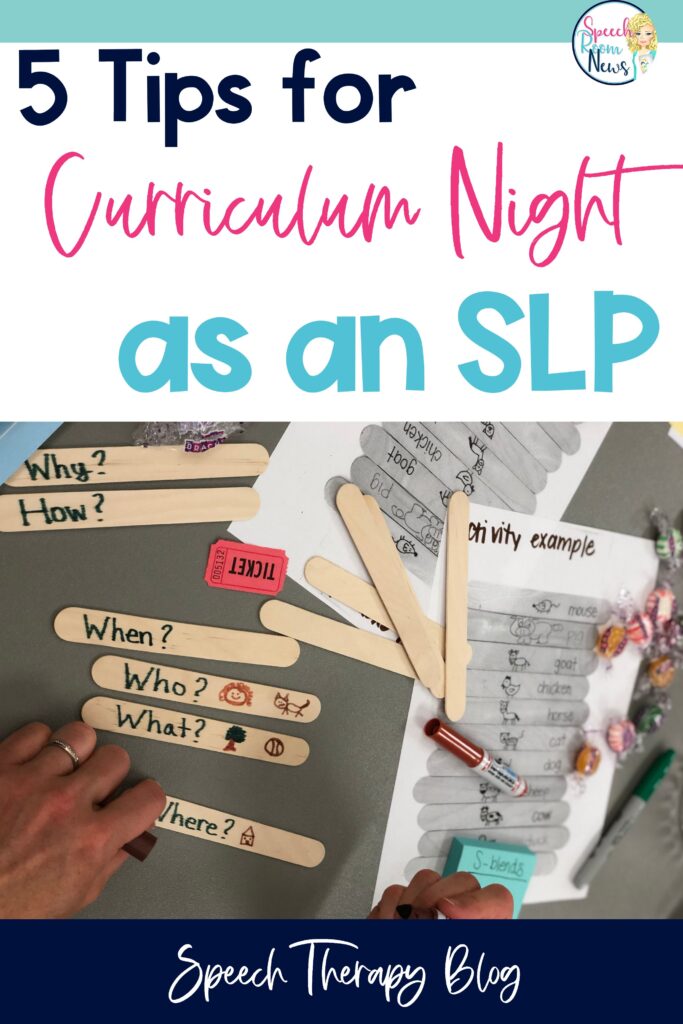
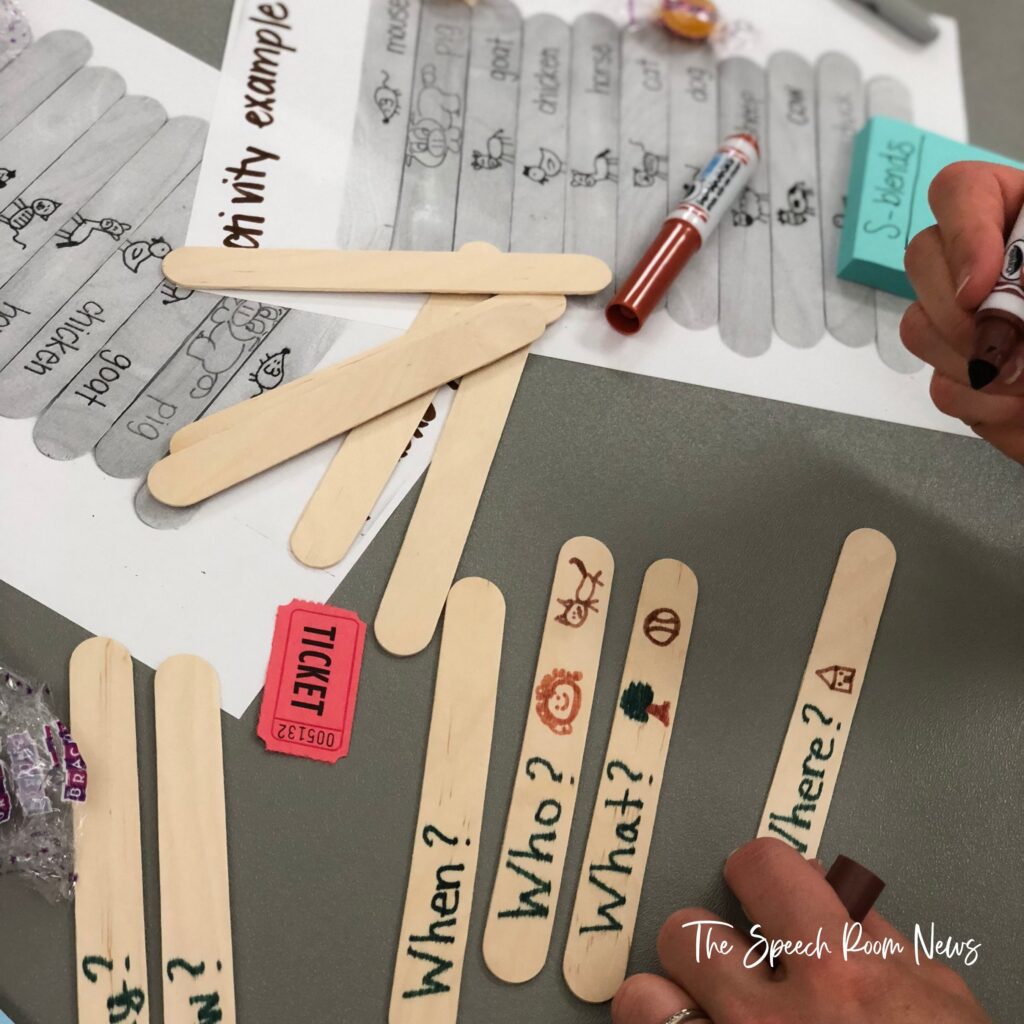
- "Wh-Question Sticks": Crafting simple sticks with question words (who, what, where, when, why) to facilitate language stimulation games at home, as suggested in the original article.
- Mini Visual Schedules: Helping parents design a basic visual schedule for morning routines, illustrating how visual supports can aid comprehension and reduce behavioral challenges.
- Story Retelling Prompts: Providing templates for creating story maps or character descriptions to encourage narrative skills.
The benefits of such an activity are multifaceted. It empowers parents by giving them concrete resources they can immediately integrate into their home environment. It reinforces the importance of their role in the therapeutic process, demonstrating that therapy extends beyond the school walls. Moreover, it creates a memorable experience, fostering a positive association with the SLP and the school’s commitment to collaborative support. This practical engagement builds confidence and provides a clear pathway for parents to actively contribute to their child’s progress.
Sustaining Engagement: The Power of Informative Handouts
Even the most engaging presentation can fade from memory without a tangible reference point. This is where informative handouts become indispensable. Providing parents with well-designed, concise handouts serves as a powerful takeaway, acting as a reminder of key discussion points, practical strategies, and essential resources.
Effective handouts should be:
- Concise and Visually Appealing: Avoid dense text; use bullet points, clear headings, and relevant graphics.
- Actionable: Include specific, easy-to-implement tips and strategies for home practice. For example, "Model target sounds during play" or "Ask open-ended questions during story time."
- Resource-Rich: List recommended books, websites, apps, or community programs that can further support speech and language development.
- Contact Information: Crucially, include the SLP’s name, email, and best contact method for follow-up questions or concerns. This reinforces accessibility and ongoing support.
Handouts can take various forms, from simple printed sheets to digital versions accessible via QR codes or school websites. The choice often depends on school policy and parent preference. Regardless of format, the goal is to provide a comprehensive yet digestible summary that parents can refer to in the days and weeks following Curriculum Night. This resource not only demonstrates the SLP’s commitment to supporting families but also extends the impact of the presentation beyond the allotted time, ensuring that the valuable information shared has lasting utility. Specialized handouts, like those often available through professional resources such as TeachersPayTeachers, can provide ready-made, high-quality materials tailored to specific topics.
Inferred Statements and Broader Implications
The effective engagement of SLPs at Curriculum Night carries significant implications for various stakeholders within the educational community.
From the Perspective of School Administration: "Curriculum Night is a cornerstone of our school’s community engagement strategy. When specialists like our Speech-Language Pathologists are able to clearly articulate their vital contributions, it not only enriches parental understanding but also fosters a more integrated and supportive learning environment for all students. Their active participation is crucial for demonstrating our holistic approach to student well-being and academic success."
From the Perspective of Parents: "Before attending the SLP’s session, I only had a vague idea of what speech therapy involved. It was often hard to understand the jargon in IEP meetings. But tonight, I learned practical strategies I can use at home, and I feel much more connected and equipped to help my child. It’s empowering to know what to look for and how to support them."
From the Perspective of Professional Organizations (e.g., ASHA): "The active participation of Speech-Language Pathologists in events like Curriculum Night is paramount to advocacy and public education. It elevates the profession’s visibility, demystifies our scope of practice, and reinforces the critical link between communication development and overall educational achievement. This direct engagement helps build stronger communities of support for individuals with communication disorders."
The broader impact of a well-executed Curriculum Night presentation by an SLP extends far beyond the immediate event:
- Enhanced Student Outcomes: When parents are informed and equipped with strategies, they become more effective partners in reinforcing therapeutic goals at home, leading to better generalization of skills and accelerated progress for students.
- Empowered Families: Parents feel less isolated and more confident in their ability to support their child’s communication needs, reducing anxiety and fostering a stronger sense of collaboration with the school.
- Elevated Professional Standing: SLPs gain greater recognition and appreciation for their specialized expertise, demonstrating their value not just as therapists but as integral educators and family support professionals.
- Strengthened School Community: A more informed parent body leads to greater understanding and support for special education services, fostering a more inclusive and collaborative school culture. This can also lead to earlier identification and intervention for communication challenges, ultimately benefiting more students.
In conclusion, Curriculum Night is far more than a routine school event for Speech-Language Pathologists; it is a powerful platform for advocacy, education, and partnership. By strategically selecting relevant topics, communicating in accessible language, providing interactive experiences, and offering lasting resources, SLPs can transform this evening into a truly impactful occasion. It is an opportunity to not only showcase the amazing work they do but to weave themselves more deeply into the fabric of the school community, empowering families and significantly contributing to the holistic success of every child.
