

Achieving a natural, engaging flow in voiceover delivery is paramount for effective communication, yet a common pitfall known as "blocking" can severely hinder this essential quality. This phenomenon, often prevalent among newcomers to the voiceover industry, creates an unnatural cadence that can alienate listeners and undermine the intended message. Understanding the root causes of blocking and implementing simple yet effective techniques to overcome it are crucial for any voiceover artist aiming for professional polish and listener connection.
Defining Voiceover Flow and the Menace of Blocking
At its core, voiceover flow refers to the seamless, rhythmic progression of spoken dialogue that mirrors natural human conversation. When we engage in casual conversation with friends, our speech is characterized by a dynamic interplay of pace, pauses, inflections, and breaths, all contributing to a fluid and comprehensible exchange. Listening to recorded conversations, whether personal or overheard in public, reveals a distinct pattern of natural speech. This pattern is not about perfect articulation or relentless speed, but rather about the organic ebb and flow of communication.
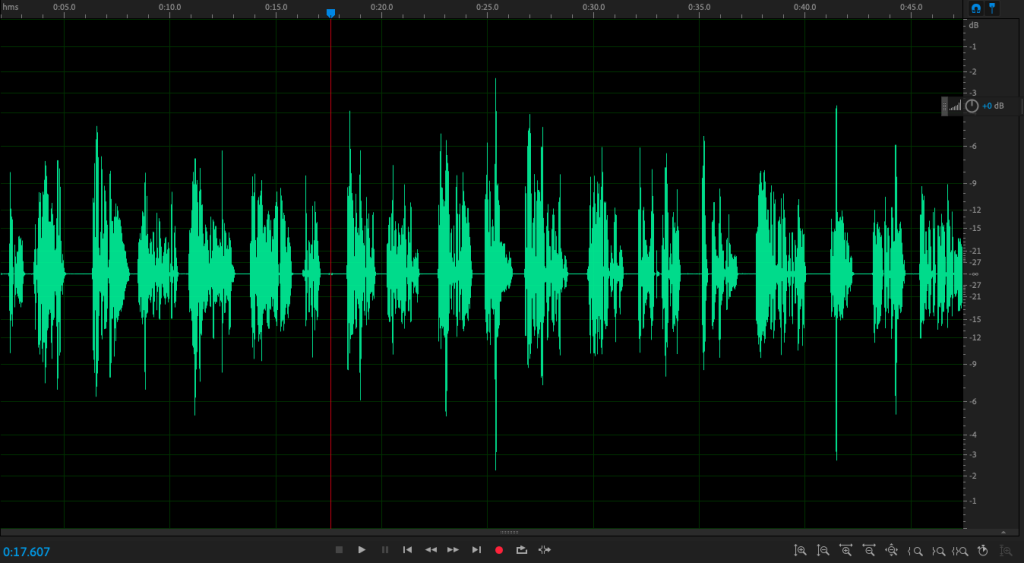
Conversely, blocking in voiceover is defined as an unnatural disruption in this inherent flow. The term originates from the visual representation of such deliveries in audio editing software. When a voiceover exhibits blocking, the waveform displays distinct, isolated "blocks" of sound separated by unnaturally long or abrupt silences. This visual anomaly directly correlates to an audible experience that is jarring and disjointed. Instead of a smooth narrative, the listener encounters a staccato, fragmented delivery that forces them to actively wait for the next segment of speech. This creates cognitive friction, making the listening experience laborious and unpleasant, significantly diminishing the effectiveness of the voiceover.

The Audible and Visual Manifestations of Blocking
The impact of blocking is twofold: it is both audibly detrimental and visually identifiable. An audio recording suffering from blocking sounds "choppy," lacking the legato quality that characterizes natural human speech. This disjointedness can make even simple sentences feel like a series of disconnected pronouncements, forcing the listener to work harder to process the information. This is in stark contrast to the desired "hairy caterpillar" appearance of a healthy waveform, which signifies continuous, albeit varied, vocal activity with appropriate natural pauses and inflections.
A visual examination of a blocked waveform reveals stark, rectangular segments of sound interspersed with significant expanses of silence. This pattern is a clear indicator that the delivery is not flowing organically. For instance, a narrative voiceover that exhibits blocking might present as a series of distinct sound bursts, each followed by a pause that feels too long or too deliberate. This visual cue serves as a diagnostic tool for editors and voiceover artists, highlighting areas where the natural rhythm has been disrupted.
The Nuances of Natural Flow in Voiceover
The concept of natural flow is not monolithic; it is intrinsically tied to the specific genre and purpose of the voiceover. Character work, for example, may involve exaggerated pauses, abrupt shifts in tone, or even deliberate vocalizations that contribute to a character’s unique persona. Similarly, e-learning modules might require a more measured and instructional pace, while corporate narrations often benefit from a polished and authoritative yet accessible tone. Animation often demands highly stylized and energetic vocal performances that can deviate significantly from everyday speech patterns.
However, irrespective of the genre, the fundamental principle of appropriate flow remains. This means ensuring that the delivery possesses the right blend of pace and space, allowing the listener to absorb the information without feeling rushed or bored. In many instances, this involves incorporating elements of "humanization"—subtle variations in pitch, rhythm, and emphasis that make the performance feel authentic and relatable. The ultimate goal is to create a delivery that is not only understood but also readily accepted by the listener, fostering a connection rather than an intellectual exercise. As noted, "It’s crucial that we deliver dialogue with a good, human flow to it, so that the listener doesn’t have to work to understand or accept it."

Understanding the Genesis of Blocking
Blocking, while often associated with novice voice actors, can affect even seasoned professionals if they are not mindful of its potential pitfalls. Several factors contribute to its occurrence:
- Over-Editing and Excessive Silence: One of the primary culprits is the tendency to insert overly long or frequent silences between phrases or words during the editing process. This can stem from a desire to ensure clarity or to give the impression of careful consideration, but it often results in a staccato delivery.
- Inconsistent Pacing: A lack of consistent pacing, where speech speeds up and slows down erratically without organic justification, can create a disjointed feel. This can be due to nervousness, unfamiliarity with the script, or an inability to find a natural rhythm.
- Lack of Breath Control: Inadequate breath control can lead to performers taking breaths at unnatural points or holding their breath for too long, disrupting the natural flow of speech.
- Focus on Individual Words Over Sentences: When a performer prioritizes enunciating each word perfectly rather than focusing on the overall sentence structure and meaning, the delivery can become segmented and lose its natural cadence.
- Technical Issues: While less common, issues with recording equipment or software settings can sometimes inadvertently contribute to unnatural pauses or disruptions that mimic blocking.
- Misinterpretation of Pauses: A misunderstanding of the function of pauses in speech can lead to their overuse or misuse. Pauses should serve to emphasize, allow for processing, or indicate a natural break in thought, not simply to fill silence.
- Performance Anxiety: For newcomers, performance anxiety can manifest as a rigid or unnatural delivery, leading to a loss of spontaneity and flow.
The Spectrum of Voiceover Delivery: Beyond Blocking
It is important to acknowledge that the opposite extreme of blocking is also detrimental. An over-edited, excessively de-breathed, or overly fast-paced delivery can be just as problematic. This scenario, where there is a complete absence of space for the listener to process information, can be exemplified by local radio advertisements that cram excessive dialogue into a limited time slot. The listener is overwhelmed with information, leaving them with no comprehension of what was communicated. This "too much information" scenario, while stemming from a different cause than blocking, results in a similarly poor listener experience. The key lies in finding the appropriate balance.
When Blocking Can Be a Deliberate Artistic Choice
While generally considered a technical flaw, blocking can, in certain contexts, be a deliberate artistic choice. This typically occurs in specific genres or for particular narrative effects. For example:
- Character Portrayals: Certain characters, such as those with neurological conditions, individuals experiencing extreme stress or shock, or even robots or artificial intelligences, might be intentionally portrayed with a staccato or fragmented delivery to convey their unique state.
- Stylized Narration: In some avant-garde or experimental audio productions, a fragmented delivery might be employed for stylistic reasons, to create a sense of unease, or to challenge conventional listening norms.
- Emphasis and Punctuation: In rare instances, a performer might intentionally use short, sharp pauses to emphasize specific words or phrases, creating a dramatic effect.
However, it is crucial to distinguish between intentional stylistic choices and the unintentional blocking that arises from a lack of skill or awareness. In professional voiceover, when a staccato delivery is employed intentionally, it is a conscious decision made by the artist to serve a specific narrative or character objective. The performer understands the impact of such a delivery and uses it as a tool.
Strategies for Eliminating and Preventing Blocking
Fortunately, rectifying blocking is an achievable goal with focused practice and an understanding of the underlying principles. The process involves cultivating an awareness of natural speech patterns and applying specific techniques:
- Listen to and Emulate Natural Conversation: The most effective way to grasp natural flow is to actively listen to and analyze real human conversations. Record yourself in casual conversations (with permission) and listen back, paying attention to the rhythm, pace, and pauses. Observe how people naturally connect their thoughts and phrases.
- Focus on the Meaning and Intent of the Script: Before recording, thoroughly understand the script’s message, tone, and intended emotional impact. This comprehension will guide your delivery and help you naturally connect words and phrases to convey meaning.
- Practice Sentence-Level Delivery: Instead of focusing on individual words, practice delivering entire sentences and even paragraphs as cohesive units. This encourages a more fluid and connected vocalization.
- Master Breath Control: Practice controlled breathing techniques to ensure you can take breaths at natural points in your speech without disrupting the flow. This involves learning to breathe efficiently and quietly.
- Utilize Appropriate Pauses: Understand that pauses are not voids but integral components of speech. They should be used strategically to emphasize, allow for listener comprehension, or indicate natural breaks. Experiment with different pause lengths and placements to find what feels most natural and effective.
- Record and Review Regularly: Consistent recording and self-critique are essential. Listen back to your takes, paying close attention to the waveform and the audible flow. Identify instances of blocking and work to smooth them out in subsequent recordings.
- Seek Feedback: Share your recordings with experienced voiceover coaches or peers who can offer objective feedback on your delivery and identify areas for improvement.
- Embrace the "Hairy Caterpillar": Aim for a waveform that exhibits continuous, organic vocal activity, interspersed with natural breaths and subtle variations. This visual representation is a strong indicator of good flow.
- Work with the Script’s Natural Rhythm: Read the script aloud several times, allowing its inherent rhythm to emerge. Avoid imposing an unnatural cadence or speed onto the text.
Conclusion: The Artist’s Control Over Delivery
Ultimately, the power to determine the delivery style rests with the professional voiceover artist. As the interpreter of the script and the conduit to the listener, the artist is responsible for making conscious choices about how to convey the message. Whether opting for a fast-paced, staccato, or naturalistic delivery, the crucial element is control. When an artist possesses a deep understanding of these delivery tools and can wield them with intent, their performance will be effective, engaging, and professional. Issues arise not from the chosen style itself, but from a lack of awareness or control over these fundamental aspects of vocal delivery. The ability to consciously shape the flow, avoiding unintentional blocking while maintaining artistic intent, is the hallmark of a skilled voiceover professional.
