


The ubiquitous issue of unwanted mouth clicks, often referred to as "clicky mouth," "dry mouth," or simply "mouth noise," presents a significant hurdle for voiceover artists aiming for pristine audio quality. Far from being an insurmountable physiological quirk, this common problem, if left unaddressed, can severely impact a voiceover artist’s career prospects, leading to missed auditions and a decline in re-engagement opportunities. While post-production editing can mitigate these sounds, it is a labor-intensive and often frustrating process. This in-depth analysis explores the root causes of mouth clicks, their amplification during the recording and post-production phases, and offers actionable strategies for voiceover professionals to achieve click-free recordings at the source.
Understanding the Anatomy of Mouth Clicks
Mouth clicks are characterized by subtle popping or clicking sounds that can occur before, during, or after spoken words. These noises are a natural byproduct of the human speech mechanism, stemming from the interplay of the tongue, teeth, and saliva. In everyday conversation, these minor auditory artifacts are typically filtered out by the listener’s brain as inconsequential. However, the professional recording environment amplifies these subtle sounds to a degree that renders them highly distracting and detrimental to the final product.
The financial repercussions of persistent mouth clicks can be substantial. Anecdotal evidence from industry professionals suggests that the cost of meticulously editing out excessive mouth clicks from a recording can exceed the expense of re-recording the entire session with a different artist. This stark reality underscores the critical importance of addressing mouth clicks proactively during the recording process itself.
The Dehydration Dilemma: A Double-Edged Sword
Dehydration is frequently cited as a primary culprit behind increased mouth clicks. When the body is insufficiently hydrated, saliva production diminishes, leading to a drier, stickier oral environment. This altered saliva consistency increases the likelihood of the tongue adhering to the palate and teeth, resulting in audible clicks and pops. This phenomenon is exacerbated by certain lifestyle choices:
- Smoking: Nicotine and other chemicals in cigarettes can significantly dry out the mouth and irritate oral tissues, contributing to increased saliva viscosity.
- Caffeine Consumption: Beverages like coffee and tea, while popular among professionals for their stimulant effects, are diuretics. Diuretics promote water loss from the body, thereby contributing to dehydration.
However, the relationship between hydration and mouth clicks is not as straightforward as simply "more water equals fewer clicks." Paradoxically, excessive water intake in a short period can also lead to an increase in mouth clicks. This occurs when a voiceover artist, attempting to combat perceived dehydration, gulps down large quantities of water immediately before or during a session. The resulting excess of fluid in the mouth can create a similar environment for clicks to form as the tongue moves against the palate and teeth, much like a sticky mouth.

The Amplification Effect: Recording and Post-Production
A fundamental reason why mouth clicks become so prominent in voiceover recordings lies in the technical processes involved in audio capture and refinement. While individuals may not consciously notice mouth clicks during casual conversation, the recording and post-production stages inherently amplify these subtle noises.
1. The Recording Process: Microphones, particularly those designed for professional voiceover work, are highly sensitive instruments. They are engineered to capture a wide range of frequencies and dynamic variations within the human voice. This sensitivity, while crucial for capturing nuanced vocal performances, also means that even minor oral sounds, such as the subtle displacement of saliva or the friction of the tongue against the teeth, can be faithfully recorded.
2. The Post-Production Process: Compression: The application of audio compression is a standard practice in voiceover production. Compression is a dynamic range processing technique that reduces the difference between the loudest and quietest parts of an audio signal. In essence, it "squashes" the audio waveform, bringing the peaks and troughs closer together.
-
Mechanism of Compression: When a compressor is applied, it analyzes the audio signal and, based on its settings (threshold, ratio, attack, release, makeup gain), reduces the level of the louder portions of the signal. This effectively makes the overall audio signal quieter. To compensate for this reduction and restore the perceived loudness to its original level, a process called "makeup gain" or "normalization" is applied.
-
The Amplification of Clicks: The critical consequence of compression for mouth clicks is that while the overall volume is reduced and then boosted, the quieter elements of the audio, including the noise floor and any subtle mouth noises, are also effectively amplified relative to the original dynamic range. Imagine the waveform being squeezed in a vise: the loud parts get closer to the quiet parts. When the entire signal is then turned up to a listenable level, the previously less prominent mouth clicks now stand out significantly more because their amplitude has been relatively increased. This means that a minor click present during recording can become a jarring, attention-grabbing sound in the final edited audio.
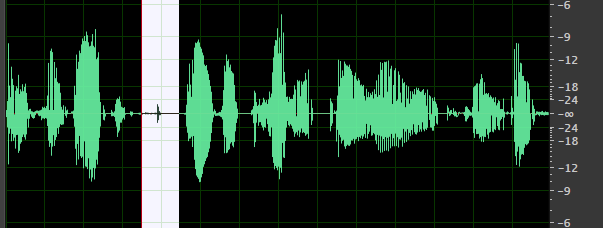
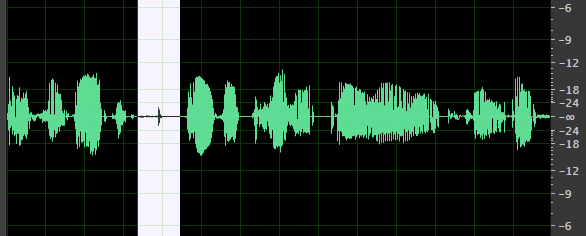
Visualizing the Impact: Audio editing software provides visual representations of sound waves. Before compression, a mouth click might appear as a small, sharp spike against the backdrop of spoken words. After compression and normalization, this same spike, relative to the rest of the waveform, will appear much larger and more pronounced, illustrating how the post-production process exacerbates the issue.

Strategies for Click-Free Voiceover Recordings
Recognizing that mouth clicks are amplified by the recording and post-production process, the most effective approach to mitigating them is to address the problem at its source. This requires a multi-faceted strategy that focuses on preparation, technique, and consistent practice.
Step 1: Proactive and Consistent Hydration
Proper hydration is paramount for maintaining optimal saliva consistency and preventing a dry, clicky mouth. However, the timing and method of hydration are crucial.
-
The Two-Hour Rule: Simply drinking a large quantity of water immediately before a recording session is largely ineffective. The body requires time to absorb and distribute water throughout its systems, including the salivary glands. Therefore, voiceover artists should begin hydrating at least two hours prior to their scheduled session. This allows the body to achieve a balanced state of hydration.
-
The Importance of Water: When discussing hydration, it is essential to emphasize that only pure water fulfills this need. Beverages containing caffeine, alcohol, or significant amounts of sugar act as diuretics and can actively contribute to dehydration. Even seemingly benign drinks like sodas or milk can have drying effects. The adage "drink water" is not merely a suggestion; it is a fundamental requirement for vocal health and audio quality.
-
Hydration and Vocal Health: Beyond preventing mouth clicks, adequate hydration is critical for maintaining the health of the vocal cords. These delicate mucous membranes require lubrication to vibrate efficiently and without friction. Dehydration can lead to increased friction, resulting in hoarseness, a sore throat, and a diminished vocal range.
-
Pre-Session Hydration Strategy: For early morning recording sessions, commencing hydration the evening before is advisable. Overnight, the body naturally loses water through respiration and perspiration. Failing to rehydrate adequately before an early session can lead to persistent dehydration throughout the morning.
Step 2: Mastering Microphone Placement and Vocal Projection
The physical relationship between the voiceover artist and the microphone, along with the manner in which they project their voice, plays a significant role in minimizing mouth noise.
-
Distance and Gain: The principle here is analogous to everyday conversation. If someone shouts at you from a distance, their mouth clicks will be imperceptible. Conversely, if someone whispers directly into your ear, even the slightest oral sounds will be highly audible. In a recording scenario, a closer proximity to the microphone, especially when combined with softer vocal projection, necessitates a higher input gain setting to achieve a suitable recording level. This increased gain amplifies not only the voice but also the background noise and any mouth clicks.
-
The "Back Off and Project" Strategy: To combat mouth clicks, voiceover artists are advised to position themselves further away from the microphone (typically 7-8 inches, a ruler can be a useful tool for consistency) and to project their voice slightly louder than their natural speaking volume. This allows for a lower input gain setting, resulting in a cleaner signal where the desired dialogue is prominent and the background noise, including mouth clicks, is relatively quieter.
-
The Proximity Effect Trade-off: It is important to acknowledge that certain commercial voiceover styles, such as those requiring a close-up, intimate "proximity effect" sound, inherently involve closer microphone placement. In these instances, voiceover artists must accept that a greater amount of post-production editing will be required to address increased mouth noise. The pursuit of a specific vocal aesthetic necessitates a trade-off with potential audio challenges.
Step 3: Consistent Sipping During Sessions
The process of speaking itself leads to a gradual dehydration of the oral cavity. Even with proper pre-session hydration, prolonged speaking can deplete the mouth’s moisture levels, leading to increased clickiness as the session progresses.
-
The Professional’s Habit: A professional voiceover artist understands the need for continuous hydration throughout a recording session. It is a mark of professionalism to see a voiceover artist arrive with a water bottle and to consistently take sips during breaks or between lines.
-
Sip Frequency: A recommended practice is to take small sips of water every 10-15 lines of dialogue. While this may necessitate more frequent trips to the restroom, especially in climate-controlled studio environments that can further contribute to dryness, it is essential for maintaining vocal clarity and preventing the onset of clicky mouth. This proactive approach ensures that the saliva balance is consistently maintained, thereby minimizing the risk of developing problematic mouth noise.
Step 4: Dispelling the Green Apple Myth
The common belief that consuming half a green apple can instantaneously eliminate mouth clicks is rooted in the citric acid’s abrasive and cleansing properties, which can indeed help to cut through sticky saliva. However, relying on this "myth" as a primary solution is ill-advised for several reasons.
-
Temporary Solution: While a green apple might offer temporary relief, it does not address the underlying causes of dehydration or improper technique. The effect is transient, and the clicks are likely to return once the immediate effect of the citric acid wears off.
-
Focus on Fundamentals: True click-free recordings are achieved through diligent adherence to proper hydration, microphone technique, and consistent sipping during sessions. These fundamental practices provide a sustainable and effective solution, rendering external aids like green apples largely unnecessary for most professional scenarios.
-
The Hangover Exception: The only scenario where a green apple or similar acidic food might offer a more significant benefit is in cases of severe dehydration due to a hangover. However, for professional voiceover artists striving for consistent, high-quality output, relying on such remedies suggests a lifestyle that is counterproductive to vocal performance and requires a fundamental re-evaluation of pre-session preparation.
Conclusion: The Path to Pristine Audio
The problem of mouth clicks in voiceover recordings is not an insurmountable obstacle. By understanding the interplay of physiological factors, recording technology, and post-production processes, voiceover artists can implement practical strategies to achieve clean, professional audio. Proactive and consistent hydration, judicious microphone placement and vocal projection, and the habit of sipping water during sessions are the cornerstones of click-free recording. While the allure of quick fixes like green apples may persist, true mastery lies in addressing the root causes and cultivating disciplined practices that ensure a consistently polished vocal performance, ultimately safeguarding and enhancing a voiceover artist’s career.
