

The pursuit of a professional voice over career hinges significantly on the quality of audio captured, with the microphone serving as the primary gateway for vocal performance. This comprehensive guide delves into the intricacies of selecting the best microphone for voice over work, catering to a spectrum of budgets from nascent beginners to seasoned professionals. Understanding the nuances of microphone technology, its application in voice acting, and the diverse array of available equipment is paramount for any aspiring or established voice artist. This article aims to demystify the technical jargon and provide actionable insights, empowering individuals to make informed decisions that will shape the trajectory of their vocal careers.
Understanding the Foundation: Essential Voice Over Recording Equipment
Before embarking on the journey of microphone selection, it is crucial to establish a foundational understanding of the essential equipment required for professional voice over recording. A well-equipped home studio, even a modest one, is the bedrock of producing high-quality audio. The typical setup includes:
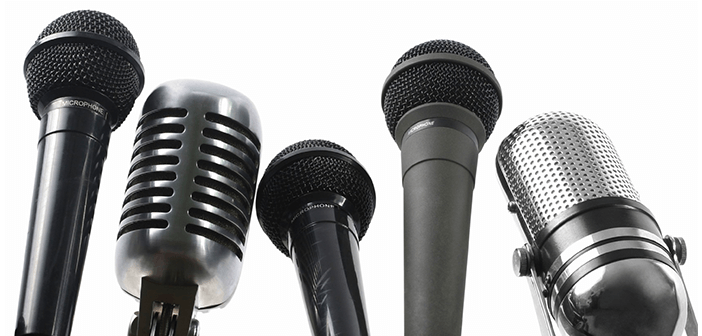
- Microphone: The central component for capturing vocal nuances.
- Audio Interface or Mixer: Converts the analog microphone signal into a digital format that a computer can process and record. It also often provides preamplification for the microphone.
- Headphones: Essential for monitoring audio during recording and playback, allowing for immediate detection of issues. Closed-back headphones are generally preferred to prevent sound bleed into the microphone.
- Pop Filter or Windscreen: Crucial for mitigating plosive sounds (like "p" and "b") that can cause unwanted audio artifacts.
- Microphone Stand: Provides stable and adjustable positioning for the microphone.
- XLR Cable (for most professional microphones): A balanced audio cable that transmits a clean signal and, in many cases, phantom power.
- Acoustically Treated Recording Space: Minimizing ambient noise and reverberation is as vital as the microphone itself. This can range from dedicated sound booths to carefully arranged home studios using acoustic panels or even blankets.
For individuals entirely new to the voice acting industry, an initial self-assessment of vocal suitability is often recommended. This involves understanding if one’s natural vocal qualities align with the demands and preferences of various sectors within the voice over market, such as commercial, animation, audiobook narration, or corporate explainer videos.
Decoding Microphone Technology: Types and Their Applications
The diverse landscape of microphones can be broadly categorized based on their operating principles, each offering distinct characteristics suitable for different recording scenarios.
Phantom Power: The Unseen Energy Source
A significant number of professional microphones, particularly condenser microphones, require an external power source to operate. This power is known as "phantom power." It is typically supplied by the audio interface or mixer via the XLR cable, hence the prevalence of XLR connections for these microphones. Phantom power energizes the internal circuitry of the microphone, enabling it to convert subtle sound waves into a usable electrical signal. It is a standard feature on most professional audio equipment and should not be a source of intimidation for aspiring voice artists.
The Convenience of USB Microphones
USB microphones have gained considerable popularity, especially among beginners, due to their plug-and-play simplicity and direct connection to computers.
-
USB Microphone Pros:
- Ease of Use: No external audio interface or preamplifier is typically required.
- Portability: Ideal for on-the-go recording or for those with limited space.
- Cost-Effective Entry Point: Often more affordable than traditional XLR microphone setups.
- Direct Computer Connection: Simplifies the recording chain.
-
USB Microphone Cons:
- Limited Upgrade Path: While convenient, they often represent a ceiling in terms of audio fidelity and professional flexibility.
- Potential for Latency: In some cases, direct USB connection can introduce slight recording delays.
- Less Control Over Signal Chain: Users have less control over preamplification and signal processing compared to XLR setups.
- Shared Power: The USB connection also provides power, which can sometimes be less stable than dedicated phantom power.
Dynamic Microphones: Robust and Versatile
Dynamic microphones operate on the principle of electromagnetic induction. They are generally more robust and less sensitive to ambient noise and background sounds compared to condenser microphones.
-
Dynamic Mic Pros:
- Durability: Built to withstand rough handling, making them ideal for live performances and demanding environments.
- Excellent for Loud Sources: Can handle high sound pressure levels without distortion.
- Less Prone to Background Noise: Their lower sensitivity helps in capturing cleaner audio in less-than-ideal acoustic spaces.
- No External Power Required: They do not need phantom power to operate.
- Warm and Present Sound: Often favored for broadcast and vocal applications requiring a rich, present tone.
-
Dynamic Broadcast Voice Over Mic Cons:
- Less Detailed High Frequencies: May not capture the very subtle nuances and air in a vocal performance as effectively as condensers.
- Lower Output Level: Often require more gain from the preamplifier, which can introduce noise if the preamplifier is not of high quality.
Large Diaphragm Condenser Microphones: The Studio Standard
Large diaphragm condenser microphones are the workhorses of professional recording studios for capturing vocals. They are known for their sensitivity, detailed frequency response, and ability to capture the subtle nuances of a performance.
-
Large Diaphragm Condenser Pros:
- Exceptional Detail and Clarity: Capable of capturing the full spectrum of vocal frequencies with remarkable accuracy.
- High Sensitivity: Can pick up quiet passages and subtle vocal inflections.
- Rich and Warm Tones: Often prized for their ability to impart a pleasing sonic character to vocals.
- Wide Dynamic Range: Can handle both soft and loud passages with fidelity.
-
Large Diaphragm Condenser Cons:
- Require Phantom Power: Need an external power source to function.
- More Sensitive to Room Acoustics: They will pick up more ambient noise and room reflections, necessitating a well-treated recording space.
- Fragile: Generally more delicate than dynamic microphones and require careful handling.
- Higher Cost: Typically more expensive than dynamic microphones.
Understanding Polar Patterns: Directivity of Sound Capture
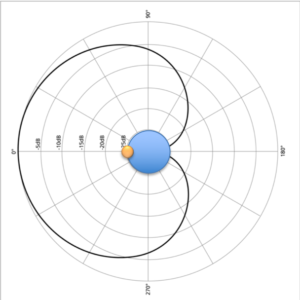
A fundamental characteristic of any microphone is its polar pattern, which describes the directionality of its sound sensitivity. This determines where the microphone "hears" best and where it rejects sound.
- Cardioid: The most common pattern for voice over work. It picks up sound primarily from the front, with significant rejection from the rear and sides. This directional focus helps in isolating the voice and minimizing unwanted room noise and bleed from other sound sources. A well-designed cardioid pattern offers excellent rejection of plosives at a slight off-axis angle while maintaining full dialogue capture.
- Omnidirectional: Picks up sound equally from all directions. While less common for typical voice over isolation, it can be useful for capturing natural room ambiance or in situations where the performer’s movement is extensive and unpredictable.
- Bidirectional (Figure-8): Picks up sound equally from the front and rear, with significant rejection from the sides. This pattern is often used for interviews when two people are speaking into opposite sides of the microphone or for specific creative recording techniques.
- Hypercardioid/Supercardioid: These patterns are tighter than cardioid, offering greater side rejection but with a small lobe of sensitivity directly at the rear. They require precise positioning to achieve optimal results.
For most voice over applications, a microphone with at least a cardioid polar pattern is essential. Some high-end microphones, like the Neumann U87 or AKG C414, offer switchable polar patterns, providing greater versatility for various recording scenarios.
Essential Microphone Features: Pads and Connectors
Beyond polar patterns, other features contribute to a microphone’s utility for voice over artists.
Microphone Pads
Pads are internal attenuators that reduce the input signal level, preventing distortion when dealing with very loud sound sources. While essential for instruments like guitar amplifiers, they are generally less critical for typical voice over work unless an artist has an exceptionally loud or dynamic vocal delivery that might overload the microphone’s preamp. Some microphones feature switchable pads, offering added flexibility.
Connectors: XLR vs. Jack
The type of connector a microphone uses is a critical indicator of its professional standing and capabilities.
- XLR Connectors: These are standard 3-pin connectors for professional audio. Microphones utilizing XLR connectors are typically balanced, meaning they employ a system to cancel out electromagnetic interference and noise picked up by the cable. This results in a cleaner, higher-quality audio signal. Crucially, XLR connectors are also used to transmit phantom power to condenser microphones.
- Jack Connectors (1/4" or 1/8"): While common in consumer audio and for instruments, jack connectors are generally not found on professional voice over microphones. If a microphone only offers a jack output, it is often a sign that it is not designed for professional voice over applications and may not deliver the required audio fidelity or connectivity options.
Key Considerations When Selecting a Voice Over Microphone
The "best" microphone is subjective and depends on a confluence of factors, including the artist’s unique vocal characteristics, the intended application of the voice over work, and, critically, the available budget.
- Vocal Profile: Different microphones complement different vocal types. Some may enhance warmth, while others bring out clarity and presence. Experimentation or seeking professional advice is often beneficial.
- Frequency Response: Microphones have varying frequency responses. A "flat" response means the microphone reproduces sound accurately across the audible spectrum. However, some microphones are designed with specific frequency boosts or cuts that can either enhance or detract from certain voices. For instance, a microphone with an artificial lift in the high frequencies might make a female voice sound excessively sibilant.
- Budget: Establishing a realistic budget is the first step. While high-end microphones can be prohibitively expensive, excellent options exist at various price points. It’s often a balance between achieving professional quality and affordability.
A Curated Selection of Voice Over Microphones Across Budgets
The following list presents a range of microphones highly regarded within the voice over industry, categorized by their approximate price points. These recommendations are based on their performance, reliability, and suitability for vocal capture.
Entry-Level to Mid-Range Options (Under $400)
These microphones offer excellent value for those starting their voice over journey or operating with a more constrained budget.
-
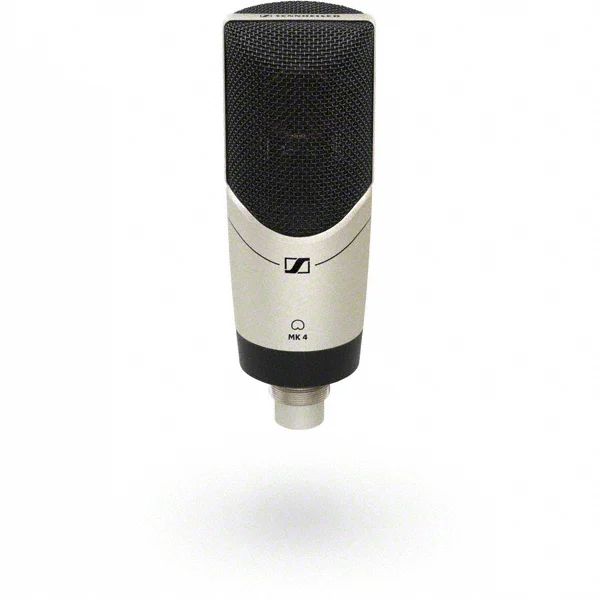
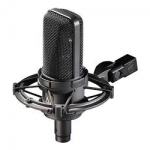
Sennheiser MK4 (~$350/£300): This large-diaphragm condenser microphone is a standout recommendation. Its diaphragm capsule was designed by the same team responsible for the legendary Neumann U87. It features a cardioid polar pattern and delivers exceptional sound quality for both male and female voices. Its robust build and reliable performance make it a durable and cost-effective choice, offering a sonic performance that rivals more expensive competitors.
-
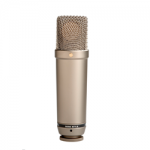
Rode NT1/NT2 (~$249/£200): The Rode NT1 and NT2 series are popular choices for new voice actors. They provide good resonance and a neutral frequency response, resulting in high-quality recordings with a wide dynamic range. While discerning ears might identify the characteristic "Rode sound," for newcomers, it represents a capable and affordable entry into professional vocal recording.
-
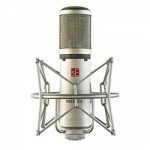
sE Electronics sE2200a II C ($299): This versatile condenser microphone offers an upfront and clear sound, making it an ideal choice for beginners. It features a high-pass filter and a 10dB pad for sound-shaping options, along with low self-noise for clean recordings.
-
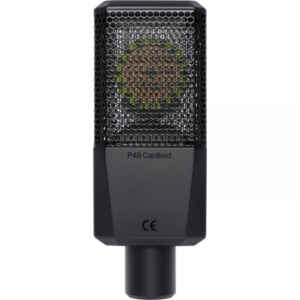
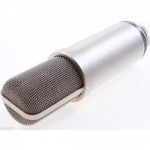
Lewitt LCT 440 Pure (£245): A more recent addition to the market, this large-diaphragm cardioid condenser microphone boasts an open design, an integrated magnetic pop shield, and an included shock mount. Its 1-inch condenser capsule produces a clear and crisp sound, offering strong value for its price.
-
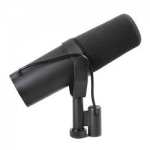
Shure SM7B ($349): A classic dynamic microphone, the SM7B is a staple in radio and broadcast studios. It delivers an exceptionally clear sound with warmth and presence. Its broad frequency response and optional high-boost switch make it versatile. While often used in radio, its robustness and excellent vocal characteristics make it a viable option for home studios, though it typically requires a high-gain preamplifier.
-
Audio-Technica AT4033 ($399): This cardioid condenser microphone excels in transient response and clean output. It features an 80Hz high-pass filter that can be switched between a flat response and a low-end roll-off to diminish ambient noise and plosives with close vocals.
-
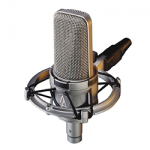
Blue Microphones Yeti Pro ($249.00): For those opting for the simplicity of USB, the Blue Yeti Pro is a notable contender. It offers higher bit recording and the flexibility of XLR output, distinguishing it from many standard USB microphones. While USB mics are not generally the first recommendation for professional audio, the Yeti Pro is considered one of the better options in its category.
Advanced and Professional Grade Microphones ($500+)
These microphones represent a significant investment but offer unparalleled audio fidelity, versatility, and professional-grade performance.
-
Rode NTK ($529): This vacuum tube condenser microphone is known for its rugged build and ability to produce a warm and clear vocal sound, making it a popular choice for voice over artists.
-
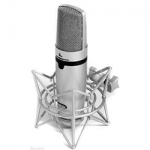
Audio Technica AT4047 ($699): Designed for a range of professional applications, the AT4047 features a transformer-coupled output and a specially tuned element that evokes the sonic characteristics of classic FET studio microphones. It offers low self-noise, a wide dynamic range, and high SPL capability, housed in a precision-machined brass body for stability and sensitivity.
-
Miktek C7 ($899): A large-diaphragm FET condenser microphone, the C7 is praised for its pleasing sound and versatility. It features three selectable pickup patterns: cardioid, omnidirectional, and bidirectional, making it suitable for various recording situations, including interviews and dual-source recordings.
-
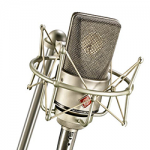
Neumann TLM 103 ($1,099): Despite not being originally designed for voice work (TLM stands for Transistorless Microphone), the TLM 103 is widely recommended by voice actors. Its transformerless circuit ensures low self-noise and a wide dynamic range. The cardioid capsule is tuned for acoustic balance and effective phase cancellation. A known characteristic is a slight high-frequency lift, which can occasionally accentuate sibilance in higher female voices.
-
AKG C414 ($1,100): This is a highly regarded professional microphone known for its exceptional pickup range and a desirable flat frequency response. It offers switchable polar patterns and a pad setting, making it a versatile and robust choice for any working voice artist. Its mid-range price point belies its professional-grade performance.
-
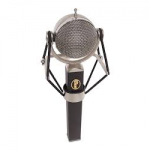
Blue Dragonfly: This microphone is noted for its sweet sound, reminiscent of vintage Neumann and AKG microphones. Its unique capsule positioning capabilities offer a wide range of sonic possibilities for voice over artists.
-
Neumann U87 ($3,180/£2,500): Often considered the industry standard, the U87 is a workhorse in professional recording studios worldwide. It boasts exceptional build quality, performance, and a reputation for capturing outstanding vocal performances. With switchable polar patterns, a pad, and a flat response, it excels for both male and female voices. While a significant investment, it represents the pinnacle of vocal microphone technology. The Sennheiser MK4 is often cited as a comparable, more affordable alternative.
-
Sennheiser MKH 416 (Circa $700/£550): This hypercardioid microphone is a ubiquitous tool in voice over work. Its tight pickup pattern requires precise positioning, making it less ideal for highly expressive character work where performers might move extensively. Originally designed for distant audio capture, it produces a remarkably punchy and commercial sound when used in close proximity. Its extreme ruggedness makes it a favored travel microphone. Many professionals use the MKH 416 in conjunction with a large-diaphragm condenser for maximum versatility.
Conclusion: Making the Informed Choice
Selecting the optimal microphone for voice over work is a critical decision that impacts the quality and marketability of one’s vocal performances. The journey begins with a clear understanding of one’s budget, followed by an exploration of microphone types, polar patterns, and essential features. The microphones listed above represent a spectrum of excellence, from accessible entry-level options to high-end professional tools.
While technological specifications are important, the ultimate test lies in how a microphone complements your unique voice and serves the specific demands of your voice over projects. Investing time in research, and if possible, testing microphones, will empower you to make a choice that will serve your voice acting career for years to come. For those seeking a deeper dive into studio setup and microphone techniques, specialized courses and resources, such as the Home Recording Studio Course offered by Gravy For The Brain, can provide invaluable guidance.
