

The practice of "debreathing" in voice-over production, the selective removal of vocal breaths from recorded audio, is a nuanced technique often misunderstood. While seemingly straightforward—identifying and silencing or deleting audible inhales—its application is fraught with historical context, industry standards, and a growing debate around authenticity in the age of artificial intelligence. This article delves into the intricacies of debreathing, exploring its traditional role, the pitfalls of its indiscriminate application, and its evolving significance for voice artists.
Understanding the Mechanics of Debreathing
At its core, debreathing involves the post-production manipulation of audio recordings. When a voice artist records dialogue, natural breathing is an inherent part of the performance. These breaths can manifest as audible inhales, sometimes more pronounced than others, depending on the artist’s technique, the microphone sensitivity, and the recording environment. In digital audio workstations (DAWs) such as Adobe Audition, these breaths appear as distinct waveforms, often characterized by a sharper, higher-frequency signature compared to vocal phonemes.
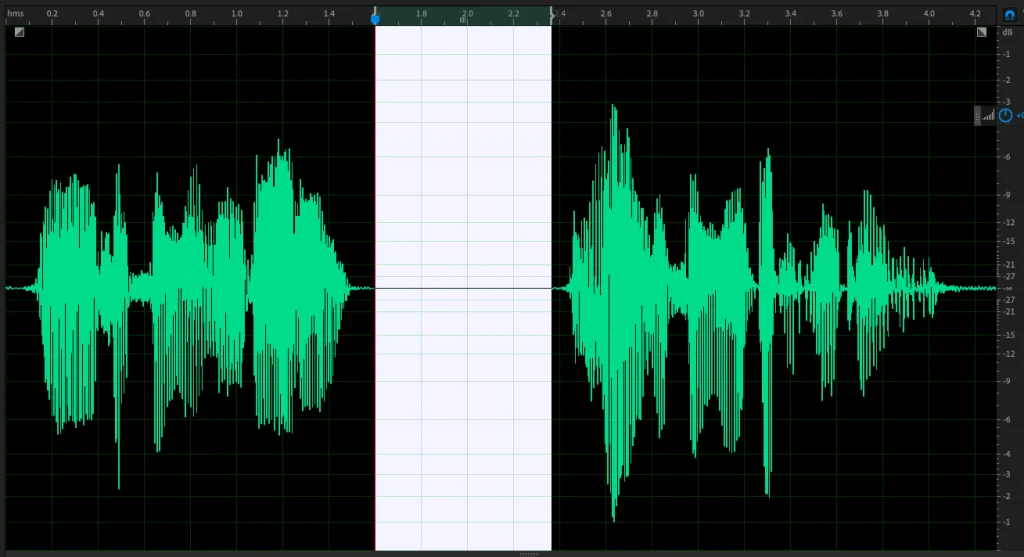
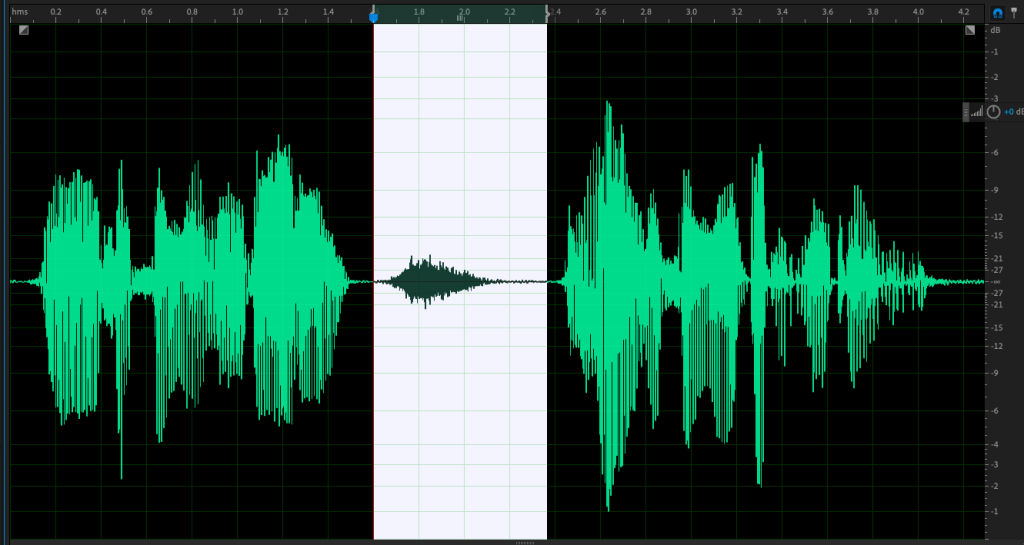
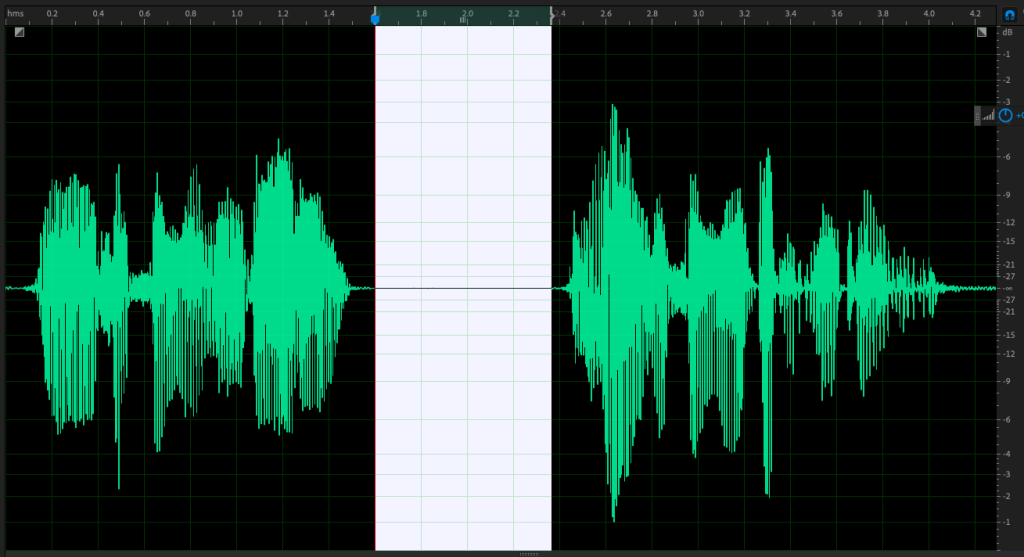
The process of debreathing typically involves two primary methods: silencing or deletion. Silencing involves reducing the amplitude of the breath to a point where it is inaudible or nearly so, while retaining the original timing of the recording. This is often the preferred method as it avoids altering the pacing of the dialogue. Deletion, on the other hand, involves not only silencing the breath but also removing the time occupied by the inhale, effectively shortening the audio segment. This can sometimes lead to a staccato or unnatural rhythm if not executed with extreme precision. Visual representations in audio software clearly distinguish between these two approaches, with silenced breaths appearing as flat lines within the waveform, and deleted breaths creating a noticeable gap.
The Traditional Domain: Commercial Advertising
Historically, the application of debreathing has been most prevalent in the realm of commercial voice-overs, specifically for advertisements. The rationale behind this practice is rooted in the objective of commercial advertising: to deliver a clear, concise, and impactful message with minimal distraction. In this context, breaths can be perceived as interruptions to the flow of information, potentially diverting the listener’s attention from the product, service, or call to action.
Commercials, particularly those with a strong musical score or sound design, often aim for a polished, almost hyperreal delivery. The absence of audible breaths contributes to this sense of seamlessness, ensuring that the vocal performance remains the primary focus. For decades, this has been an accepted industry standard, with many clients implicitly expecting or explicitly requesting debreathing for their advertising campaigns. The underlying principle is that the message must be paramount, and any element that could detract from its reception, however subtle, should be mitigated.
The Nuance of "Commercial" and its Implications
However, a significant point of contention arises from the very definition of "commercial voice-over." The term can be interpreted in two distinct ways, leading to potential misunderstandings and misapplications of the debreathing technique.
The first interpretation refers to any voice-over work for which a professional voice artist is compensated. This broad definition encompasses a vast array of projects, including corporate narration, e-learning modules, explainer videos, and even some forms of audiobook narration. Under this interpretation, a voice artist might be inclined to debreath all paid work.
The second, and more precise, interpretation of "commercial voice-over" refers specifically to advertisements intended for broadcast or digital distribution. This includes television commercials, radio spots, cinema advertisements, and online video ads.
Industry professionals increasingly emphasize that debreathing should, in most cases, be restricted to this second category—actual advertisements. The rationale is that the purpose of debreathing is to enhance the efficacy of a commercial message by removing potential distractions. Applying this to corporate narration or other forms of voice-over can have detrimental effects on the listener’s experience and the overall impact of the recording.
The Case Against Indiscriminate Debreathing
The argument against debreathing voice-over for non-advertising purposes is multi-faceted and grounded in principles of natural communication and listener psychology.
1. The Naturalness of Human Speech: Humans are biologically wired to breathe when they speak. Audible breaths are an integral part of natural conversation. When these are completely removed from a recording, particularly in contexts where the voice is unaccompanied by music or sound effects, the result can feel artificial and unsettling. Listeners, accustomed to the ebb and flow of natural speech, may subconsciously perceive the absence of breath as unnatural, leading to a sense of unease or discomfort. This phenomenon is akin to the uncanny valley in robotics, where something that is almost human but not quite can evoke a negative reaction.
2. The Role of Breathing in Pacing and Comprehension: Breaths serve as natural pauses within spoken dialogue. These pauses are not merely physiological necessities; they also provide the listener with crucial moments to process information, absorb the message, and formulate their thoughts. In non-advertisement contexts, such as educational content or narrative storytelling, these breathing pauses allow for deeper engagement and comprehension. When breaths are removed and the dialogue becomes a continuous stream of words, the listener may struggle to assimilate the information effectively, potentially leading to reduced retention and understanding. This can result in the audience "walking away from the voice-over not really remembering any of it," as highlighted by industry observers.
3. The Trend Towards Natural Delivery: The contemporary landscape of voice-over production increasingly favors naturalness and authenticity. In an era saturated with synthetic voices and meticulously crafted audio, human delivery that incorporates subtle imperfections like breaths can lend a recording a unique character and relatability. Removing these breaths strips away an element of this naturalness, transforming a potentially engaging performance into something more sterile and less human. This is a significant consideration, especially as voice artists aim to differentiate themselves in a competitive market.
The Historical Context of AI and Human Voice
The debate surrounding breath in voice recordings gains further relevance when considering the evolution of text-to-speech (TTS) technologies. Early iterations of TTS services, such as foundational versions of Siri or Google Assistant, often lacked audible breathing. While technically impressive for their time, these synthetic voices could sometimes sound robotic and detached. In more recent years, advancements in AI have led to TTS systems that incorporate breathing sounds, a deliberate choice to enhance the perceived humanity and naturalness of synthesized speech. This trend paradoxically underscores the value of natural breathing in human vocal performances. If artificial intelligence is striving to replicate human breathing to sound more authentic, then removing it from human performances can be seen as a step away from that authenticity.
The Unintended Consequences of Audio Processing Tools
Beyond deliberate debreathing, voice artists and audio engineers must be aware of how certain post-production tools can inadvertently remove breaths. Noise gates and expanders, commonly used to reduce background noise or enhance the dynamic range of a recording, can sometimes be overly aggressive. If set too high, these tools can not only suppress ambient noise but also silence or significantly attenuate the natural breaths of the performer. This is particularly problematic when attempting to salvage audio from a less-than-ideal recording environment. While these tools might improve the perceived "cleanliness" of the audio, they do so at the expense of the performance’s natural human element. The advice to "fix your recording environment, don’t fudge it with noise gates and expanders" is a critical reminder that addressing the source of the problem—an inadequate recording space—is far more effective and artistically sound than relying on post-production workarounds that can degrade the vocal performance.
Evolving Industry Standards and Future Implications
The prevailing sentiment within the professional voice-over community is shifting. While debreathing remains a standard practice for traditional advertising, there is a growing consensus that it should not be applied indiscriminately to other forms of voice-over work. The emphasis is on clear communication with clients and understanding the specific requirements and intended audience of each project.
For voice artists, this means:
- Clarifying Client Expectations: Always confirm with the client whether debreathing is required, especially for non-advertising projects. A simple question can prevent misunderstandings and ensure client satisfaction.
- Prioritizing Naturalness: Unless explicitly instructed otherwise, aim for a natural delivery that includes breaths, as this aligns with current industry trends and listener preferences.
- Mastering Audio Editing: Develop a keen understanding of audio editing techniques to identify and manage breaths effectively. This includes knowing when to silence, when to leave them in, and when to perform delicate edits to minimize their intrusiveness without sacrificing naturalness.
The push for authenticity is particularly significant in an era where AI-generated voices are becoming increasingly sophisticated and prevalent. Voice artists possess a unique advantage in their ability to convey genuine emotion, nuance, and the inherent human quality of breath. Embracing and preserving this aspect of their performance can be a key differentiator in a competitive market.
Conclusion: Embracing the Human Element
In conclusion, the practice of debreathing in voice-over is not a universal mandate but a technique with specific applications. While it has historically served a valuable purpose in the hyper-polished world of commercial advertising, its indiscriminate application to other genres of voice-over can detract from the naturalness, impact, and listener comprehension of the performance. As the voice-over industry navigates the evolving landscape of audio production and the rise of artificial intelligence, there is a growing imperative to recognize and celebrate the human element in vocal delivery. Unless explicitly requested for specific advertising campaigns, voice artists are increasingly encouraged to retain their natural breaths, playing to their inherent human strengths and delivering performances that resonate with authenticity and genuine connection. The breath, after all, is not a flaw to be eliminated, but a fundamental characteristic of human expression.
