

As the spring and summer seasons usher in a renewed focus on residential revitalization, consumer behavior data indicates a massive surge in digital tools being utilized for interior design. Google Search, traditionally a gateway for textual information, has undergone a fundamental transformation into a multimodal assistant designed to bridge the gap between digital inspiration and physical implementation. Recent internal data from the technology giant reveals that searches for "home decor inspo" have spiked by 300% within the last thirty days, while specific queries for "bathroom inspo" and "living room inspo" have reached breakout status. This shift reflects a broader trend in the home improvement sector, where homeowners are increasingly moving away from minimalist neutrals toward bold aesthetic choices, evidenced by a significant rise in searches for vibrant paint colors such as teal and magenta.
To address this evolving consumer demand, Google has integrated several advanced features—ranging from generative artificial intelligence to real-time video analysis—into its search ecosystem. These tools are designed to assist users in visualizing furniture, identifying vintage items, discovering products across social platforms, executing complex DIY projects, and managing household budgets through sophisticated price tracking.
The Evolution of Visual Search and Generative AI in the Home
The integration of artificial intelligence into the home decor process marks a significant milestone in the history of e-commerce and interior design. For decades, the primary hurdle for consumers was the "spatial disconnect"—the inability to accurately predict how a piece of furniture would look or fit within a specific room. This uncertainty often led to high return rates for retailers and "buyer’s remorse" for consumers.
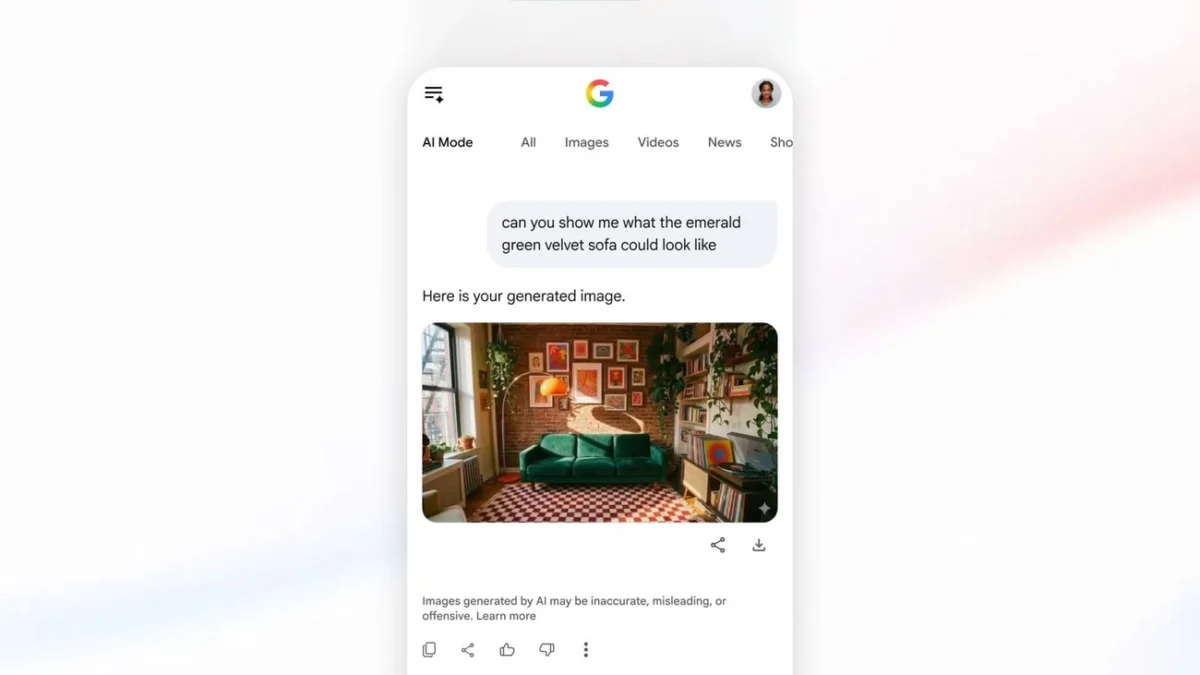
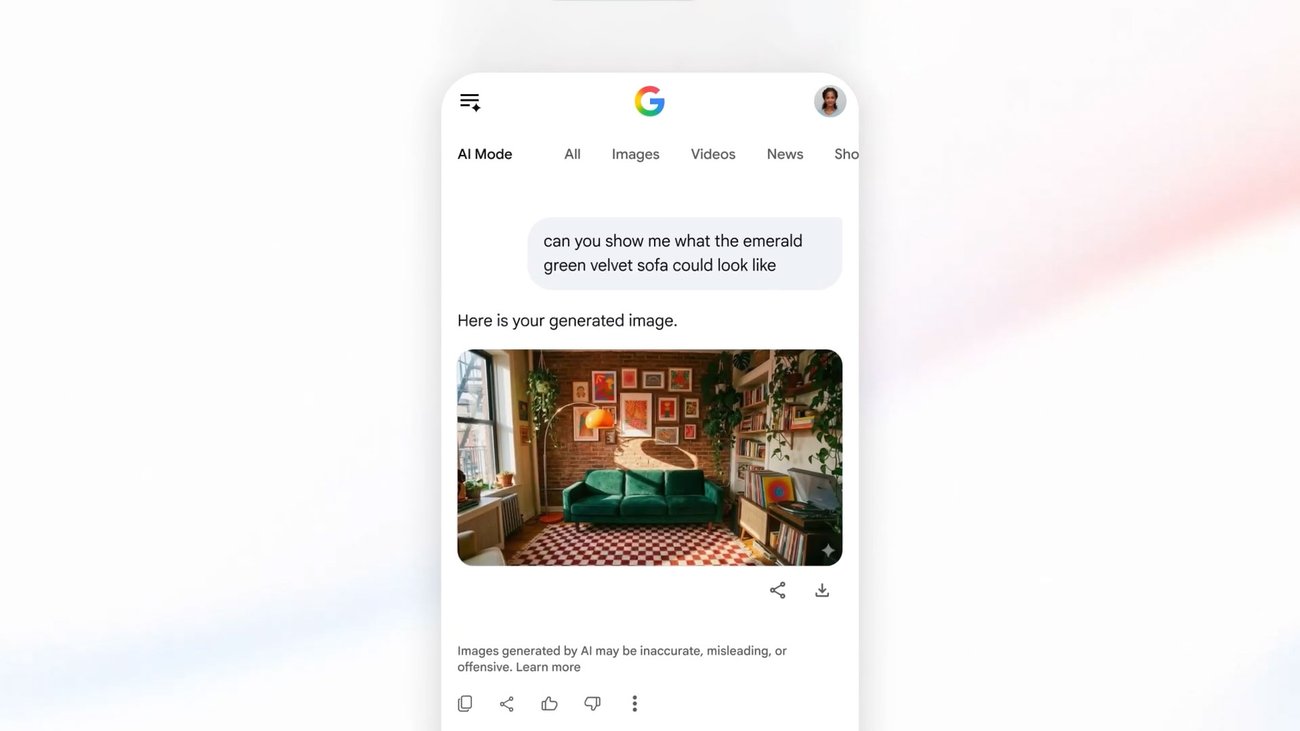
Google’s "AI Mode" in Search represents a direct response to this logistical challenge. By leveraging generative AI, the platform allows users to upload photographs of their actual living spaces and receive tailored recommendations based on the existing architecture and color palette. For instance, a user can specify the dimensions of a wall—such as an 84-inch span—and prompt the AI to suggest appropriate seating options. The technology goes beyond simple recommendations by generating high-fidelity mockups, such as visualizing an emerald green velvet sofa within the user’s specific room environment. This capability utilizes advanced diffusion models to maintain the lighting and perspective of the original photo while inserting new, photorealistic objects.
The Resurgence of Vintage and the Role of Google Lens
A notable shift in the 2024 home decor landscape is the move toward sustainability and "one-of-a-kind" styling, which has propelled vintage items to the forefront of search trends. According to Google’s latest trend report, "vintage braided rugs" and "vintage wood coffee tables" have emerged as top trending furnishing items. This "new-to-you" economy is heavily supported by Google Lens, a visual recognition tool that has fundamentally changed how consumers source unique items.
When a consumer encounters an item in a boutique, a film, or a physical space, Google Lens allows them to capture an image and immediately access a database of similar products available across the web. This technology uses computer vision to analyze patterns, textures, and shapes, providing users with a curated list of purchasing options that fit their specific price range. For the vintage market, this tool is particularly transformative, as it allows buyers to identify the era or manufacturer of an unmarked piece, thereby democratizing the expertise previously held only by professional antique dealers.
Seamless Discovery via Circle to Search
As social media platforms like Instagram and TikTok become the primary discovery engines for interior design, the friction between seeing an item and finding it for purchase has become a point of frustration for many users. Google’s "Circle to Search" feature, currently available on the latest Pixel and Samsung Galaxy S26 devices, aims to eliminate this friction.
The tool allows users to identify any object on their screen—whether it is featured in a background of a YouTube video or a post on a social feed—without exiting the application they are currently using. A recent example provided by Google highlights the 140% increase in searches for "fish wallpaper." A user scrolling through a social media post can simply long-press the home button and circle the wallpaper to find manufacturers or similar patterns. This functionality represents a shift toward "ambient commerce," where the entire digital experience becomes a shoppable interface.
Bridging the DIY Knowledge Gap with Search Live
While aesthetic inspiration is abundant, the technical execution of home improvement projects remains a barrier for many. The "Do-It-Yourself" (DIY) movement has seen a resurgence, particularly among younger demographics who are moving into smaller, urban apartments. Floating shelves, for example, have become a top-trending item due to their space-saving utility and modern look. However, the installation process requires a level of mechanical skill that can be daunting for novices.
Google’s "Search Live" feature addresses this by providing real-time, interactive assistance. Unlike static video tutorials, Search Live allows users to use their camera feed to show the AI exactly what they are looking at—such as a specific wall type or a set of brackets. Users can ask questions verbally, as if speaking to a professional contractor, and receive step-by-step guidance. This integration of video input and conversational AI marks a transition from "Search" being a library of information to being a real-time collaborator in physical tasks.
Economic Implications and Price Transparency
The current economic climate, characterized by fluctuating inflation and increased cost of living, has made price sensitivity a critical factor in home decor. Google’s data shows that even "funky" or "harlequin" decor items—both of which have seen breakout search interest—are being subjected to rigorous price comparisons.
To facilitate this, Google has expanded its shopping tools to include comprehensive price history and tracking. By tapping on a product listing, consumers can view a dropdown menu that illustrates whether the current price is high, low, or typical compared to historical data. The "Track Price" feature serves as an automated monitoring system, sending alerts to users when a desired item falls within their specified budget. This level of transparency is shifting the power dynamic in the retail sector, forcing brands to be more competitive and providing consumers with the data necessary to make informed financial decisions.
Broader Impact and Industry Implications
The integration of these tools into the daily lives of consumers has broader implications for the interior design and retail industries. Professional interior designers are beginning to use these AI tools as "mood board" accelerators, allowing them to present concepts to clients with greater speed and visual clarity. Meanwhile, retailers are being forced to optimize their digital catalogs for visual search, ensuring that their products can be easily identified by Google’s algorithms.
From a technological standpoint, the move toward "multimodal" search—where text, images, and video are handled simultaneously—suggests a future where the keyboard becomes secondary to the camera. For the home decor sector, this means that the barrier between "dreaming" about a space and "building" it is thinner than ever.
Chronology of Search Innovation in Home Decor
To understand the current state of these tools, it is helpful to look at the timeline of their development:
- 2017: Introduction of Google Lens, marking the start of the visual search era.
- 2020-2021: The global pandemic triggers a massive spike in home improvement searches, leading Google to prioritize AR (Augmented Reality) furniture placement.
- 2023: The launch of Generative AI in Search (SGE) begins to allow for complex, conversational queries regarding design styles.
- Early 2024: The rollout of "Circle to Search" on flagship mobile devices streamlines the path from social media discovery to purchase.
- Late 2024: The introduction of "Search Live" and advanced price history tools provides a comprehensive end-to-end utility for the consumer.
As these technologies continue to mature, the focus is expected to shift toward even more personalized AI experiences. Future iterations may include the ability for AI to manage entire renovation budgets or coordinate with local contractors based on the visual data provided by the user. For now, the current suite of tools in Google Search provides a powerful foundation for anyone looking to transform their living space, turning the vast and often overwhelming world of home decor into a manageable and data-driven process.
