

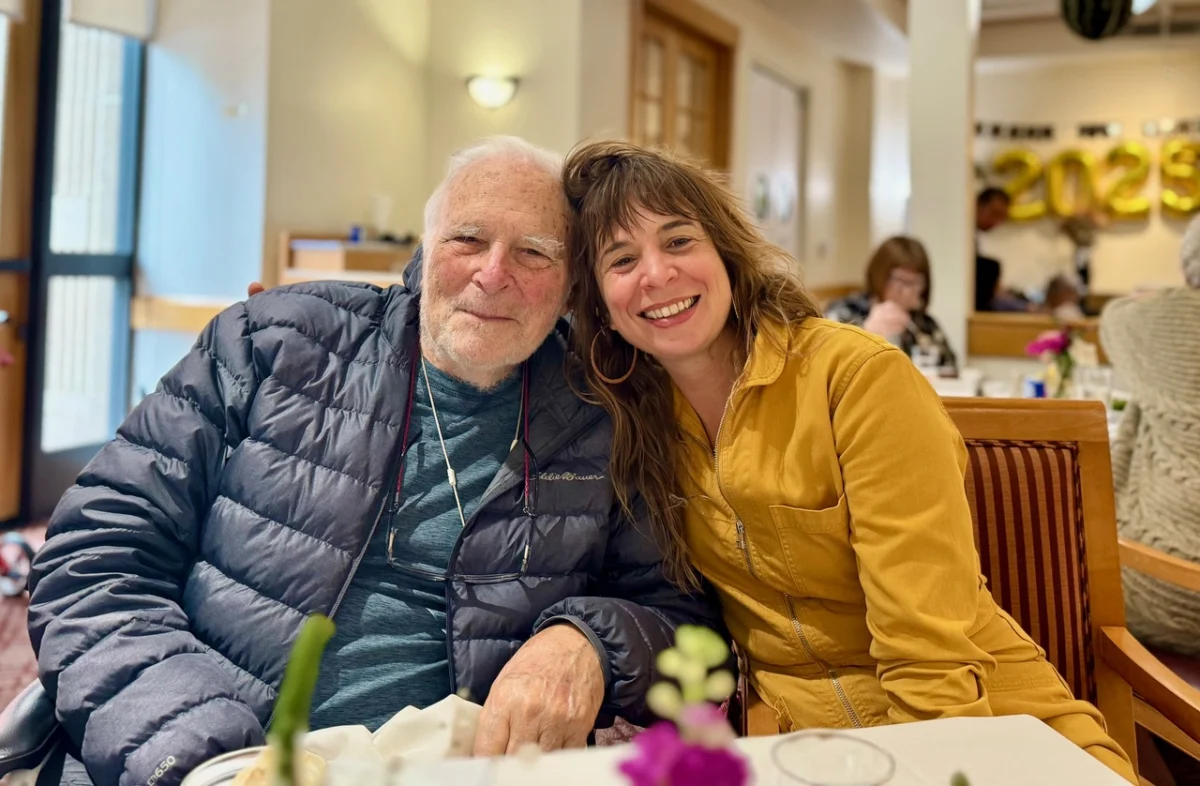
The passing of Dr. Paul Ekman, a towering figure in the field of emotion research, marks the end of an era defined by groundbreaking scientific inquiry and profound personal evolution. His daughter, Eve Ekman, shared a poignant reflection on his life, painting a portrait of a man whose personal journey deeply informed his academic contributions, ultimately shaping his understanding of human connection and the potential for change. While his scientific legacy is extensive, this personal narrative offers a vital counterpoint to public discourse, emphasizing not just his research but his lived experience and the transformative power of compassion.
A Life Forged by Experience, Dedicated to Understanding
Paul Ekman’s life was one of remarkable resilience and unwavering dedication to unraveling the complexities of human emotion. From a young age, he navigated significant personal trauma and loss. These formative experiences, as highlighted by his daughter, profoundly influenced his academic trajectory, instilling in him a deep-seated commitment to understanding the human heart. This commitment manifested in his tireless pursuit of knowledge, driven by a desire to become the father he himself had yearned for. Eve Ekman describes her father not as a perfect parent, but as one who invested himself fully in being present, curious, and supportive, forging a bond that transcended the traditional parent-child dynamic to become one of true friendship and collaboration.
His relationship with his wife, Eve’s mother, was a cornerstone of his life. For 41 years, he was a devoted husband, supporting her distinguished academic career at UC Berkeley. Their marriage, a testament to enduring love and mutual admiration, continued until her death in 2020. He often spoke with a sense of wonder about her decision to build a life with him, cherishing their shared journey.
The Dharamsala Turning Point: A Catalyst for Change
A pivotal moment in Dr. Ekman’s life and career occurred in 2000 during a historic gathering in Dharamsala, India. This seminal meeting brought together Dr. Ekman, His Holiness the Dalai Lama, and a distinguished group of scientists and contemplative scholars. The objective was to explore the nature of "Destructive Emotions." For Dr. Ekman, this experience proved to be a profound catalyst, fundamentally altering his perception of the world and his own internal landscape.
Colleagues and friends were aware of his earlier struggles with anger, a personal battle that underscored the urgency of his scientific pursuits. However, the full extent of his personal transformation following the Dharamsala dialogue remained less widely known. This encounter provided him with an "unmistakable, embodied sense" of what it might feel like to live with diminished reactivity and anger. He frequently referenced this experience, acknowledging its ineffable quality and its lasting impact on his life.
His Holiness the Dalai Lama’s vision for the meeting was not to elevate himself, but to disseminate practical tools derived from Buddhist practices. The aim was to equip individuals with the means to mitigate suffering by fostering emotional understanding, cultivating a calm mind, and promoting kindness – an essential virtue in an increasingly interconnected world. Dr. Ekman embraced this philosophy wholeheartedly. His scientific acumen, coupled with his personal journey, fueled a rigorous and curious investigation into these principles, driven by a desire to help others achieve a similar sense of inner freedom.
Bridging Ancient Wisdom and Modern Science
The synergy between Dr. Ekman’s scientific research and his engagement with contemplative traditions led to a significant evolution in his work. This period saw the emergence of projects that sought to integrate his decades of empirical findings with the ancient wisdom he had come to deeply respect. Eve Ekman, with her background as a clinical social worker in a level-one trauma center, became an integral collaborator, grounding their joint efforts in practical application and a commitment to alleviating suffering.
Cultivating Emotional Balance and the Atlas of Emotions
A direct outcome of the Dharamsala meeting and its subsequent intellectual exploration was the development of "Cultivating Emotional Balance" (CEB). This evidence-based training program, co-created by Dr. Ekman and Alan Wallace, was designed to foster a deeper understanding of emotions and cultivate compassion. CEB has since been offered globally, impacting countless individuals.
Further collaboration led to the creation of the "Atlas of Emotions," a free online resource commissioned by the Dalai Lama in 2016. This innovative tool provides a comprehensive vocabulary for describing emotional experiences, aiming to enhance emotional literacy. The Atlas is slated for a relaunch in celebration of its ten-year anniversary, underscoring its enduring relevance. Both CEB and the Atlas of Emotions embody Dr. Ekman’s late-life mission: empowering individuals to understand their emotions as a pathway to reducing personal and collective suffering.
Addressing Scientific Discourse and Legacy
Eve Ekman expressed concern regarding how Dr. Ekman’s work was characterized in a recent New York Times obituary, particularly its focus on "controversy" and the emphasis placed on a single scientist’s critique. She argued that this framing overlooked the vast body of peer-reviewed research that has consistently replicated, expanded, and refined the field Dr. Ekman helped establish. While acknowledging that scientific discourse thrives on disagreement, she maintained that presenting his life’s work through the lens of a selective critique misrepresented his contributions and the broader field of emotion research.
The extensive research conducted by Dr. Ekman and numerous other scientists has significantly advanced global understanding of human emotion across diverse disciplines, including psychology, neuroscience, medicine, anthropology, national security, animation, and everyday life. His foundational findings, built upon by dozens of laboratories worldwide, form a robust scientific bedrock.
A Legacy of Service and Personal Growth
Dr. Ekman’s life was a testament to the principle of science in service of humanity. His meticulous research was driven by a genuine desire to help people understand themselves better. This commitment extended beyond the laboratory; he openly shared his own vulnerabilities, actively worked to repair relationships, and evolved into a man characterized by warmth, openness, and generosity. His ability to forge deep connections continued until the final months of his life, a testament to his enduring humanity.
His legacy is multifaceted: a scientist of immense influence, a man who transcended personal hardship to rebuild himself, a collaborator who masterfully bridged ancient wisdom and modern scientific inquiry, and a human being who dedicated his later years to embodying a life of reduced anger and increased compassion.
A Fuller Picture: Complexity, Kindness, and Commitment
Dr. Ekman was, as his daughter acknowledges, a complex and imperfect individual, a reflection of the human condition. However, he was also profoundly kind, brave, humorous, endlessly curious, and deeply committed to fostering a better world. This narrative, offering a more complete portrait of his life, encompasses both his significant scientific impact and his profound personal transformation. Ultimately, it is the story of a human being who dedicated his life to the pursuit of understanding emotion and expanding compassion, a journey marked by a continuous process of learning how to love well.
The outpouring of well wishes following his passing serves as a powerful testament to the profound impact Dr. Ekman and his work have had on individuals worldwide, affirming the enduring relevance of his contributions to both science and the human spirit.
