

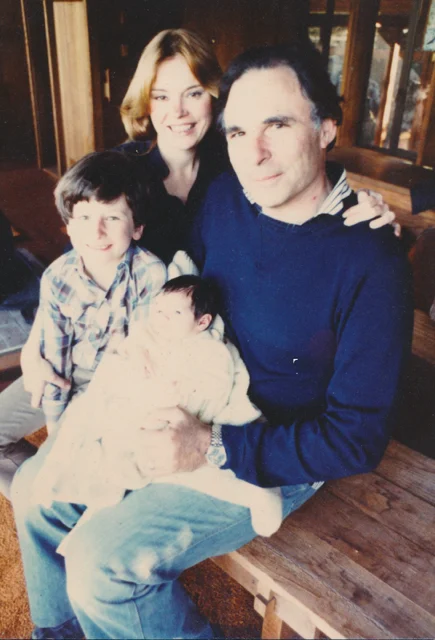
San Francisco, CA, November 17, 2025 – The world of psychology and affective science is in mourning following the peaceful passing of Dr. Paul Ekman, a towering figure whose lifelong dedication to understanding human emotion fundamentally reshaped scientific and public perception. Dr. Ekman, aged 91, died at his home surrounded by his family. His groundbreaking work in the fields of emotion, facial expression, deception detection, and compassion has left an indelible mark on numerous disciplines and continues to influence how we perceive and interact with the human experience.
For over six decades, Dr. Ekman’s meticulous research illuminated the intricate connections between our inner emotional states and their outward manifestations. His early, and perhaps most celebrated, contributions stemmed from extensive cross-cultural studies that sought to identify universal expressions of emotion. Traveling to remote corners of the globe, including Papua New Guinea, he meticulously documented the facial expressions associated with core emotions like happiness, sadness, anger, fear, surprise, disgust, and contempt. This pioneering research provided compelling evidence that these expressions were not merely cultural constructs but rather biologically rooted, shared across vastly different societies. This discovery challenged prevailing anthropological theories of cultural relativism regarding emotional display and laid the foundation for a more unified understanding of human affect.
The impact of this work was profound, stimulating a surge of interest and research in affective science. His rigorous methodologies and unwavering commitment to empirical evidence established a new standard for the field. Dr. Ekman’s theories and findings permeated academic discourse, influencing generations of psychologists, anthropologists, neuroscientists, and linguists. Beyond academia, his insights found practical applications in fields as diverse as law enforcement, national security, education, and even artificial intelligence, where understanding human emotional cues is paramount.
Robert W. Levenson, Ph.D., a distinguished professor in the Department of Psychology at the University of California, Berkeley, and a long-time colleague and friend, reflected on Dr. Ekman’s enduring legacy: "Paul brought his remarkable intellect, observational skills, and unflagging energy to illuminate the ways we express and feel our emotions and how they are embodied in our physiology. His research, theorizing, and ideas for how emotions could be harnessed in service of the greater good galvanized what was a small niche area of research into a vibrant and thriving research area that will continue to be hugely influenced by his work and vision."
A key instrument born from Dr. Ekman’s dedication to objective measurement was the Facial Action Coding System (FACS). Developed in collaboration with Wallace Friesen, FACS is a comprehensive, anatomically based system for describing all observable facial movements. It breaks down complex facial expressions into their constituent muscle actions, providing a standardized, objective language for analyzing facial behavior. This system became an indispensable tool for researchers worldwide, enabling precise quantification of emotional displays and facilitating comparative studies. Complementing FACS, Dr. Ekman also developed Micro Expression Training Tools, designed to help individuals recognize fleeting, involuntary facial expressions that can betray hidden emotions. These tools have been widely adopted by professionals in fields requiring deception detection and empathy training.
Dr. Ekman’s intellectual curiosity and dedication to the betterment of humanity extended beyond purely scientific inquiry. His collaborations transcended disciplinary and geographical boundaries, most notably his profound and enduring friendship with His Holiness the Dalai Lama. This unique partnership fostered a deep exploration of the intersection between scientific understanding of emotions and contemplative practices aimed at cultivating positive emotional states. Together, they co-authored and developed resources that sought to promote a more compassionate and ethical world.
The latter quarter-century of Dr. Ekman’s career was particularly dedicated to translating his scientific discoveries into practical tools for improving individual well-being and fostering global compassion. His collaboration with the Dalai Lama on the "Developing Global Compassion" initiative, which included a book and webisode series, aimed to explore how the insights from emotion science could be leveraged to alleviate suffering caused by destructive emotions. This period also marked a significant collaborative venture with his daughter, Eve Ekman, Ph.D., a contemplative social scientist. Together, they were instrumental in the development of the Atlas of Emotions, an interactive online tool designed to enhance emotional vocabulary and insight. Furthermore, they championed the "Cultivating Emotional Balance" program, which integrates contemplative practices with emotion science to foster emotional regulation and resilience.
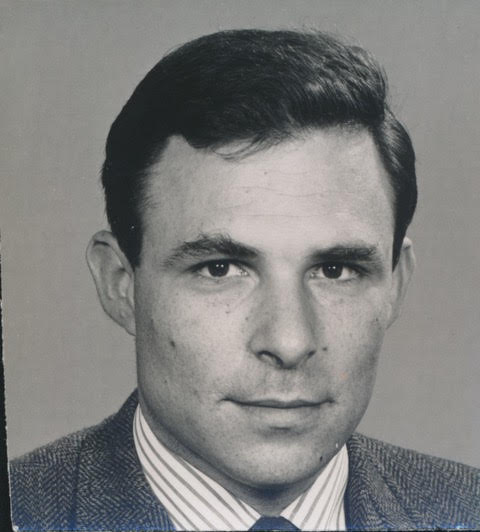
Eve Ekman, Ph.D., who now leads the Paul Ekman Group and continues her father’s mission, shared a poignant tribute: "My dad’s commitment to rigorous science, love of discovery, and dedication to alleviating pain from destructive emotions were at the very core of his brilliant mind and accomplishments. However, his huge heart and ability to vulnerably share his own struggles with emotions were what made him beloved by so many. He was an incredibly loving dad – a lover of life and unrelentingly curious."
Dr. Ekman’s influence also reached a vast popular audience through his accessible and insightful books, including the international bestsellers Emotions Revealed and Telling Lies. These works demystified the science of emotion and deception, making complex concepts understandable to the general public. His expertise was further amplified by the acclaimed television series Lie to Me, which, inspired by his research, brought the science of micro expressions and deception detection into millions of homes worldwide. His commitment to educating diverse audiences extended to the youngest generation, as he served as a scientific advisor for Pixar’s animated film Inside Out, a critically lauded exploration of emotions for children and adults alike.
The Paul Ekman Group, now under the leadership of Dr. Eve Ekman, remains committed to advancing his legacy. The organization continues to develop and disseminate science-based education and training programs aimed at promoting emotional awareness, empathy, and truthfulness globally. This ongoing work ensures that Dr. Ekman’s profound contributions will continue to shape understanding and practice for years to come.
Dr. Ekman is survived by his children, Eve Ekman and Tom Ekman, and a broad, supportive community of colleagues, students, and friends who were deeply touched by his intellect, generosity, and passion.
Honoring Dr. Ekman’s Life and Legacy
A documentary celebrating Dr. Ekman’s extraordinary life and groundbreaking scientific contributions is currently in development. This film aims to provide a comprehensive and engaging exploration of his journey and the profound impact of his work. Those wishing to support the completion of this important project can find more information and contribute via [link to the documentary’s funding page].
The Paul Ekman Group is also compiling a collection of reflections, personal stories, photographs, and messages of appreciation from colleagues, students, and readers worldwide. This tribute will be featured on a dedicated memorial page, creating a lasting testament to Dr. Ekman’s enduring influence and the countless lives he touched.
A video offering insights into Dr. Ekman’s work and life is also available, providing a visual testament to his remarkable career and the enduring relevance of his research.
Dr. Ekman’s passing marks the end of an era in the study of human emotion, but his legacy—a profound understanding of our inner lives and their outward expressions—will continue to guide and inspire research and practice across the globe. His work serves as a powerful reminder of the universal human experience and the potential for greater understanding, empathy, and well-being through the rigorous pursuit of scientific knowledge.
