

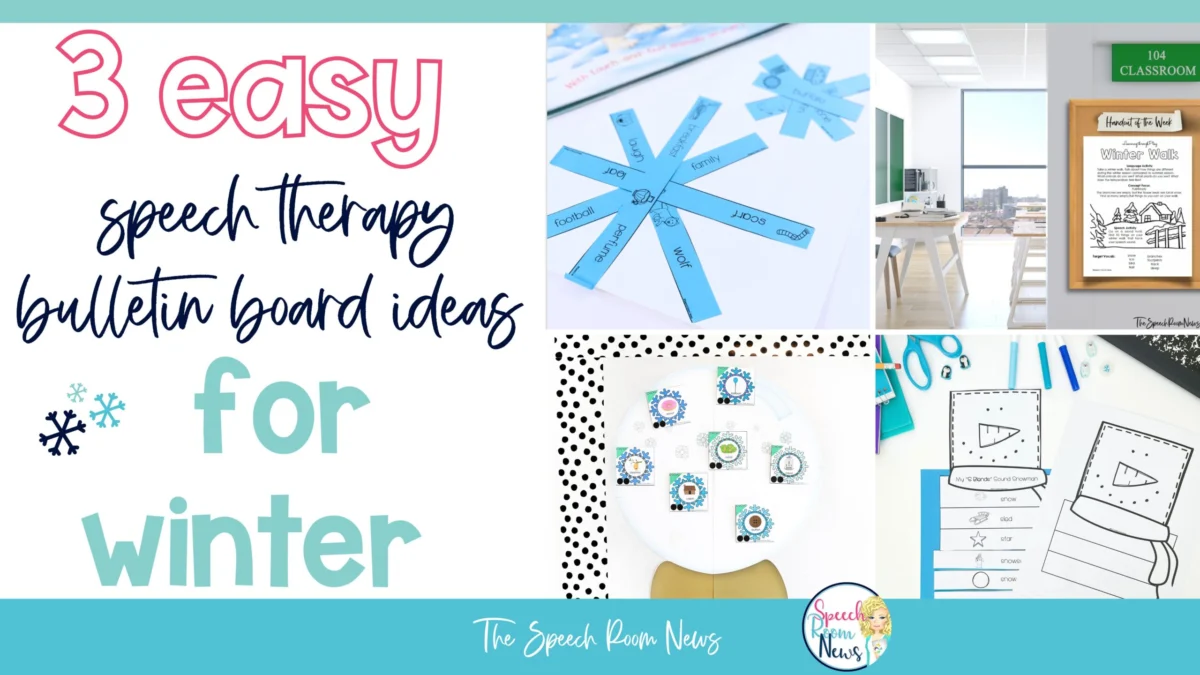
The strategic deployment of environmental aesthetics within speech-language pathology (SLP) therapy rooms is increasingly recognized as a vital component in fostering a conducive learning atmosphere, particularly through the use of thoughtfully designed bulletin boards. Far from being mere decorative elements, these visual aids serve as dynamic tools to reinforce therapeutic goals, engage students, and facilitate communication with families. As the winter season approaches, Speech-Language Pathologists often embark on a cyclical process of refreshing their therapy spaces, opting for themes that resonate with the time of year while simultaneously serving specific pedagogical objectives. This proactive approach ensures that the physical environment remains a stimulating and supportive extension of the therapeutic process.
Speech-Language Pathologists, who are trained experts in communication, play a critical role in diagnosing and treating a wide range of speech, language, and swallowing disorders across all age groups. According to the American Speech-Language-Hearing Association (ASHA), millions of individuals in the United States alone experience some form of communication disorder, underscoring the pervasive need for effective therapeutic interventions. The therapy room, therefore, is not just a place for clinical sessions but a carefully curated learning laboratory where children and adults alike work towards improving their communication skills. The visual landscape of this room can significantly influence a student’s motivation, attention span, and overall engagement with therapy tasks.
A comprehensive strategy for bulletin board design in an SLP setting typically categorizes displays into three primary types: demonstrative, interactive, and functional. This classification allows therapists to plan ahead for the academic year, rotating themes and purposes to maintain novelty and relevance. For instance, the back-to-school period often sees the implementation of interactive or functional boards, designed to welcome new students and families, acclimate them to the therapy environment, and introduce the scope of speech therapy. This initial engagement sets a positive tone, helping to demystify the process and build rapport. As the year progresses, and seasons change, the focus shifts to incorporating thematic elements that keep students excited and connected to their learning journey. Winter, with its distinct imagery and activities, offers a rich palette for creative and therapeutically beneficial displays.
The SLP’s Approach to Environmental Design: Beyond Aesthetics

The thoughtful planning of a therapy room’s visual elements, particularly bulletin boards, is a testament to an SLP’s commitment to holistic student development. This process often begins with an annual overview, where therapists outline key thematic rotations. For the winter months, the emphasis shifts to incorporating imagery and concepts that are culturally relevant and seasonally appropriate, which can enhance student buy-in and provide natural contexts for language use. This strategic rotation prevents stagnation in the therapy environment and offers fresh opportunities for skill reinforcement.
Research in educational psychology consistently highlights the impact of classroom environment on learning outcomes. Visually rich and organized spaces can reduce cognitive load, provide visual cues for learning, and foster a sense of belonging. For students with communication disorders, who may already face challenges in processing verbal information, a well-designed bulletin board can act as a crucial anchor, offering repeated exposure to target sounds, words, or language structures in a non-threatening, engaging format. The integration of multisensory elements, where students can see, touch, and even create parts of the display, further solidifies learning pathways. Educational specialists often underscore that an engaging environment can significantly boost intrinsic motivation, leading to more consistent participation and improved therapeutic outcomes.
Category 1: Demonstrative Displays – Fostering Achievement and Self-Expression
Demonstrative bulletin boards serve as showcases for student achievement, displaying crafts or projects completed during therapy sessions. This category is particularly effective in building self-esteem and providing tangible evidence of progress, which can be highly motivating for young learners. Therapists report that seeing their own work, or that of their peers, displayed prominently can instill a sense of pride and encourage continued effort. The creation of these crafts within the therapy context is often seamlessly integrated with speech and language goals, transforming a seemingly simple art activity into a powerful therapeutic exercise.
-
Crafting Communication: The Snowflake Paper Strip Method
One exemplary demonstrative craft is the "Snowflake Paper Strip Craft," lauded by many SLPs for its simplicity and adaptability. This technique, sometimes playfully referred to as "fake crafting," requires minimal preparation, making it an efficient choice for busy therapists. The core concept involves using pre-cut paper strips, which students manipulate to form various shapes, in this case, snowflakes. The beauty of this method lies in its versatility, as it can be adapted from year-round craft kits designed for articulation and language practice. This adaptability means SLPs can utilize a consistent methodology across different themes, streamlining their planning process.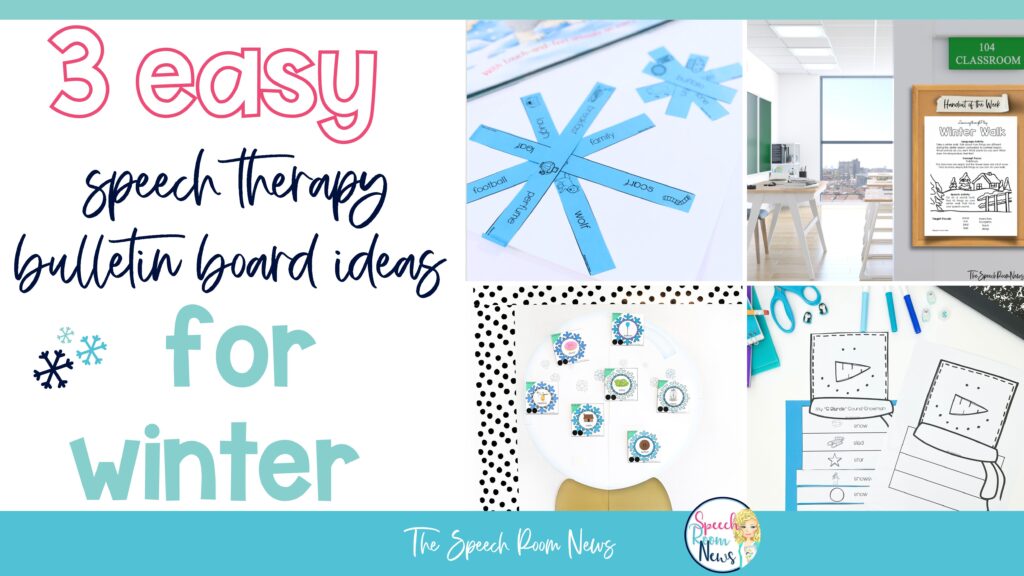
During the craft’s creation, students are engaged in a structured activity that allows for repeated practice of target words or sounds. For instance, before gluing each strip, a student might be required to produce a word containing a specific phoneme multiple times, such as "s-snow" or "f-flake." This repetitive, yet contextually embedded, practice is crucial for habituating new speech patterns. The use of blue-colored computer paper for snowflakes enhances the winter theme, while the option to print on cardstock addresses fine motor skill variations. Cardstock provides increased resistance, making it easier for students who struggle with cutting thin paper, thereby ensuring inclusivity. Once completed, these individualized snowflakes, each representing a student’s therapeutic effort, are displayed, creating a visually appealing and meaningful winter tableau on the bulletin board. This display not only brightens the therapy room but also reinforces the connection between effort and tangible output, a critical lesson for any learner.
-
Articulating Progress: The Snowman Chop Technique
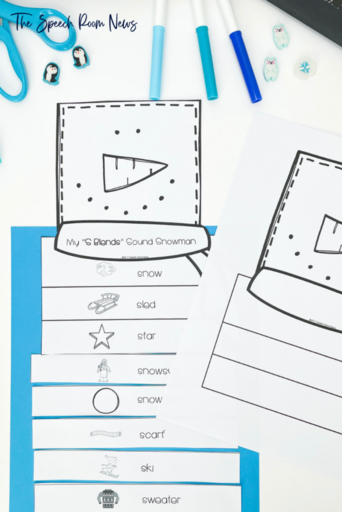
Another highly effective demonstrative craft is the "Snowman Articulation Chop." This activity combines the engaging process of cutting with targeted articulation practice. Students are provided with two pages featuring words or images relevant to their speech goals. The "chop" aspect involves cutting these pages into strips. As each strip is cut, the student practices the word or sound depicted on it. This kinesthetic action, combined with verbalization, offers a powerful multisensory learning experience, reinforcing the motor planning required for speech production. The rhythmic action of cutting can also aid in establishing consistent speech tempo.Once the strips are cut and the target words practiced, students assemble them to form a snowman. The simplicity of the assembly, often involving just a few strips and a touch of glue, ensures that the focus remains on the therapeutic objective rather than complex crafting skills. Additional elements, such as coloring a carrot nose or adding a construction paper hat, can be incorporated to enhance creativity and provide further opportunities for language expansion (e.g., describing colors, shapes, and actions). This craft is celebrated for its ability to transform repetitive articulation drills into an enjoyable and visually rewarding activity, culminating in a charming snowman display that proudly showcases student progress. Parents often express delight when they see their child’s completed crafts, recognizing the fusion of art and learning.
Category 2: Interactive Boards – Engaging Learning and Active Practice
Interactive bulletin boards transform passive displays into dynamic learning stations where students can actively participate. These boards are particularly valuable for engaging students waiting for therapy sessions or during transitions, providing opportunities for self-directed practice and reinforcing concepts in a playful manner. The tactile nature of these boards caters to different learning styles and promotes hands-on exploration of speech and language targets, effectively extending therapy beyond scheduled sessions.

-
Multisensory Pathways: Addressing Apraxia with "Falling Flakes"
The "Falling Flakes: Apraxia Snowflakes" set exemplifies an interactive board designed for students with childhood apraxia of speech (CAS). CAS is a neurological speech disorder that affects the brain pathways involved in planning the sequence of movements for speech. Therapy for CAS often relies heavily on multisensory input and repetitive motor planning. This interactive board leverages these principles by featuring snowflake cards, each displaying an image and word. A crucial design element is the inclusion of black dots in the bottom left corner of each card, representing the number of syllables. Students are encouraged to touch these dots as they produce the word, providing a tactile and visual cue that aids in syllable segmentation and rhythmic production. This strategy aligns with established best practices for CAS intervention, which emphasize PROMPT (Prompts for Restructuring Oral Muscular Phonetic Targets) principles and other multisensory cueing systems.The cards are also color-coded and patterned by syllable structure in the top left corner, offering a systematic way to organize and target specific word patterns (e.g., CV, CVCV, CVC). This systematic organization aids both the therapist in lesson planning and the student in recognizing patterns. The interactive element is brought to life with a poster-sized snow globe affixed to the bulletin board, adorned with velcro dots. Students attach and detach the snowflake cards from the globe, physically engaging with their target words. This hands-on interaction not only makes practice fun but also reinforces motor planning and sequencing in a low-pressure environment, crucial for students working on apraxia.
-
Phonological Precision: Minimal Pairs on Display
Complementing the apraxia-focused set, "Falling Flakes: Phonology Activities" targets phonological disorders using minimal pairs. Phonological disorders involve patterns of sound errors, and minimal pair therapy is a highly effective intervention strategy where two words differ by only one sound (e.g., "fan" vs. "pan," "ship" vs. "chip"). This set utilizes snowflake cards, each featuring an image and word, with color and pattern coding for easy organization of minimal pairs, such as those targeting fronting, stopping, or gliding.Similar to the apraxia set, this system incorporates a poster-sized globe with velcro dots, allowing students to actively manipulate the snowflake cards. By adding and removing flakes, students can physically sort minimal pairs, practice contrasting sounds, and visually process the differences between words. This interactive method transforms abstract phonological concepts into concrete, manipulable elements, making complex linguistic patterns more accessible. The inclusion of other winter-themed posters within the set allows for seasonal variety, ensuring the board remains fresh and engaging throughout the colder months. These interactive displays foster independent practice and reinforce the foundational sound patterns necessary for clear speech, helping children to identify and correct their own sound errors through active participation.
Category 3: Functional Resources – Empowering Parents and Extending Learning
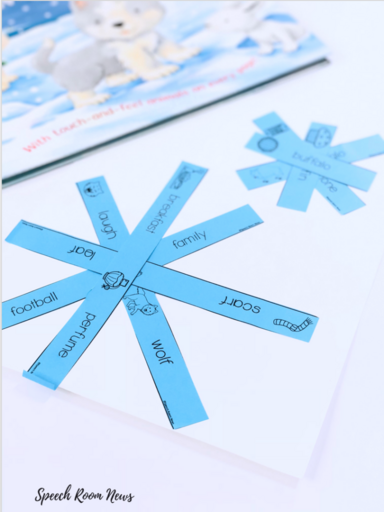
Functional bulletin boards bridge the gap between the therapy room and the home environment, providing valuable resources for parents and caregivers. These boards often feature handouts, tips, or activity ideas that enable families to continue supporting their child’s communication development outside of formal therapy sessions. This category emphasizes the importance of carryover, a critical factor in the generalization of learned skills, recognizing that consistent practice in natural settings is paramount for lasting progress.
-
Bridging Therapy and Home: The "Learning Through Play" Initiative
A prime example of a functional bulletin board resource is the "Winter Speech and Language Packet: Learning Through Play" handouts. These materials are designed to empower parents by providing practical strategies for integrating communication skill-building into common winter activities. The underlying philosophy is that play is a natural and highly effective medium for language acquisition and practice. Instead of requiring specialized therapy tools, these handouts offer actionable ideas that leverage everyday experiences, making therapy feel less like homework and more like family fun.The packet includes a diverse range of winter-themed activities, such as snowball fights, building a snowman, sledding, creating snow angels, making hot chocolate, dressing in winter clothing, taking a winter walk, ice skating, and baking cookies. For each activity, the handouts provide specific suggestions on how parents can target various communication goals, including vocabulary expansion, descriptive language, following directions, asking and answering questions, and practicing articulation sounds in natural contexts. For instance, during a "snowball fight," parents might be prompted to use action verbs ("throw," "duck," "catch") or spatial concepts ("over," "under," "behind"). This approach not only makes therapy fun for children but also equips parents with the confidence and tools to become active participants in their child’s progress, fostering a collaborative therapeutic partnership. Studies on parent involvement consistently demonstrate its positive correlation with improved child outcomes in speech and language therapy.
-
Accessibility and Inclusivity: The Spanish Language Adaptation
Crucially, recognizing the diverse linguistic landscape of many communities, the "Winter Speech and Language Packet: Learning Through Play" is also available in a Spanish version. This adaptation underscores a commitment to inclusivity and cultural sensitivity, ensuring that non-English speaking families have equitable access to vital resources. Providing materials in a family’s native language removes significant barriers to engagement and ensures that communication strategies can be effectively implemented at home. This strategic inclusion reflects a broader understanding within speech-language pathology of the importance of supporting bilingual and multicultural populations, further enhancing the functional utility of the bulletin board as a resource hub. The availability of resources in multiple languages is a testament to the field’s dedication to serving all populations effectively and ethically.
The Broader Impact: Enhancing Therapeutic Efficacy and Community Engagement
The meticulous design and seasonal rotation of demonstrative, interactive, and functional bulletin boards within speech therapy environments yield multifaceted benefits that extend beyond individual therapy sessions. For students, these visual and tactile aids contribute significantly to improved retention of target skills, heightened motivation, and a greater sense of ownership over their therapeutic journey. The constant visual reinforcement, coupled with opportunities for hands-on practice, helps generalize learned skills into various contexts, which is a primary goal of speech therapy. This consistent exposure reinforces neural pathways, making new communication patterns more automatic.
For Speech-Language Pathologists, these well-planned boards translate into enhanced professional efficiency. By pre-planning themes and utilizing adaptable resources, SLPs can minimize prep time while maximizing the therapeutic impact of their environment. Such an organized approach allows more time for direct student interaction and individualized planning. Furthermore, a vibrant and informative therapy room projects a professional image, communicating to parents, teachers, and administrators the comprehensive and thoughtful nature of the services provided. Educational administrators often commend SLPs who create dynamic and resource-rich environments, recognizing the added value to the school community.
Beyond the immediate therapy setting, these bulletin boards foster a sense of community. Demonstrative boards celebrate student achievements, creating a positive and encouraging atmosphere for peers. Interactive boards invite casual engagement, potentially sparking curiosity about speech therapy among other students or visitors, thereby destigmatizing therapy. Functional boards, by empowering parents, strengthen the home-school connection and reinforce the understanding that communication development is a shared responsibility. In essence, these seemingly simple displays contribute to a holistic ecosystem of learning and support that is fundamental to successful speech and language development.
Conclusion: A Holistic Approach to Speech and Language Development
In conclusion, the practice of creating and maintaining dynamic winter-themed bulletin boards in speech therapy rooms represents far more than mere seasonal decoration. It embodies a strategic, evidence-informed approach to environmental design that profoundly impacts student engagement, therapeutic efficacy, and parental involvement. By thoughtfully integrating demonstrative, interactive, and functional elements, Speech-Language Pathologists transform their spaces into vibrant hubs of learning and progress. From celebrating individual achievements through student-made crafts to providing engaging multisensory practice for complex speech disorders, and extending learning into the home through practical handouts, these bulletin boards are integral to a holistic and successful speech and language development program. The ongoing commitment to refreshing and optimizing these visual resources underscores the innovative spirit within the field of speech-language pathology, continuously seeking new ways to support individuals on their communication journey and ultimately contributing to improved quality of life through enhanced communication.
