

The practice of "debreathing" in voice-over recordings, a technical process of removing or silencing audible breaths, is often misunderstood and frequently misapplied. While seemingly a minor audio editing technique, its correct implementation—or indeed, its deliberate omission—can significantly impact the authenticity, listener engagement, and overall effectiveness of a voice-over performance. This article delves into the intricacies of debreathing, exploring its historical context, its perceived necessity in certain professional domains, and the crucial reasons why its indiscriminate application can detract from the very qualities that make human voice-over compelling.
Understanding the Technical Process: What is Debreathing?
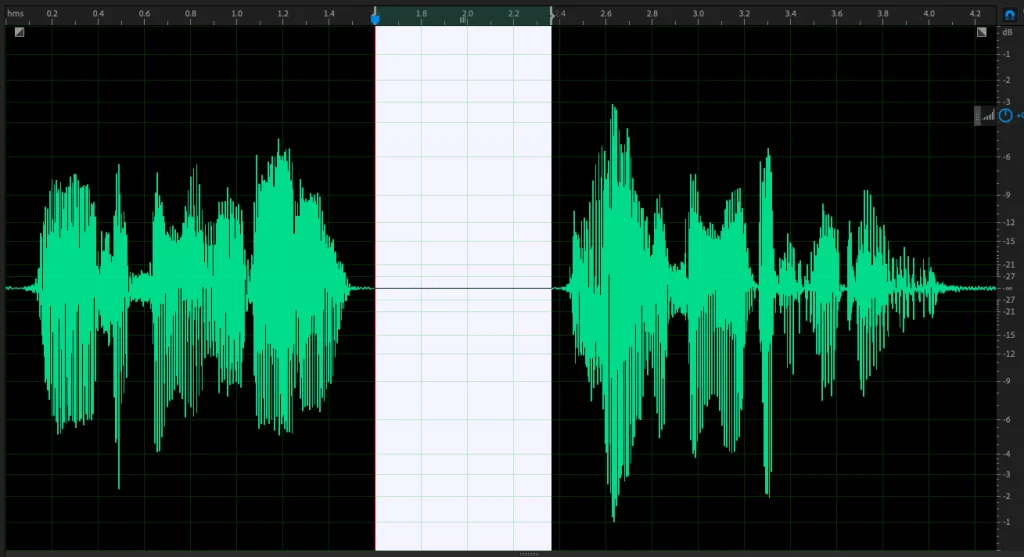
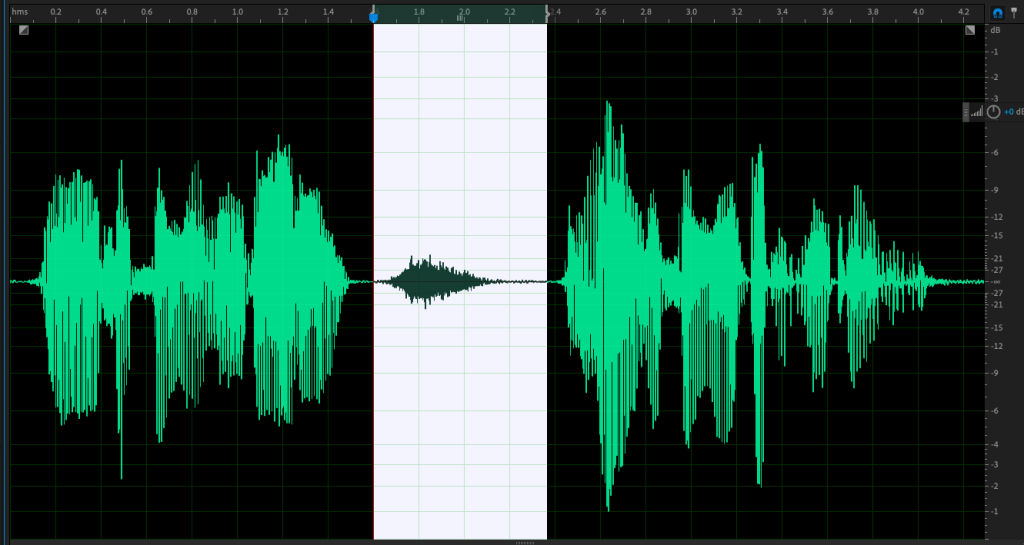
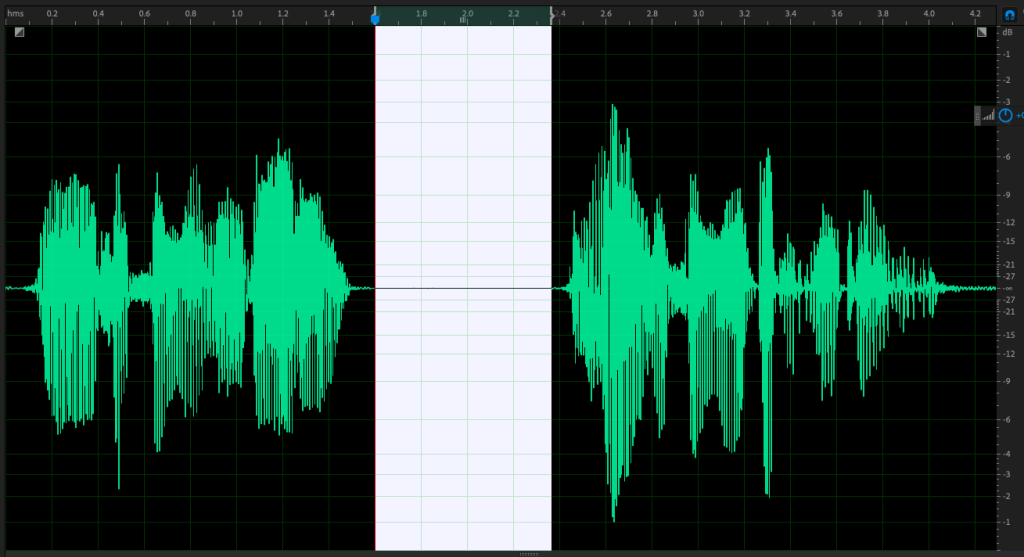
At its core, debreathing involves the precise identification and subsequent manipulation of breath sounds within an audio recording. This is typically achieved using digital audio workstations (DAWs) like Adobe Audition. In these software environments, breath sounds often manifest as distinct waveforms, visually identifiable within the larger audio track. The process can involve either silencing these breath sounds, effectively making them inaudible while preserving the timing of the original performance, or entirely removing them, which also eliminates the temporal space they occupied.
[Image: A visual representation of a voice-over waveform in a DAW, with breath sounds clearly marked or highlighted. This would be followed by a visual comparison of the same waveform with the breaths silenced, and then with the breaths completely removed, showcasing the resulting temporal gaps.]
The distinction between silencing and removing is critical. Silencing a breath maintains the natural cadence and pacing of speech, merely rendering the audible intake or exhalation imperceptible. Removing a breath, however, shortens the recording and can create an unnatural, clipped rhythm. This technical nuance is fundamental to understanding why debreathing is not a one-size-fits-all solution.
Historical Context and Traditional Applications
Historically, the practice of debreathing has been most prevalent in the realm of commercial voice-overs, particularly for advertisements. The rationale behind this tradition stems from a desire to present a polished, uninterrupted, and highly focused message. The prevailing theory posited that any audible breath could serve as a distraction, pulling the listener’s attention away from the product or service being promoted.
In the context of television, radio, and cinema advertisements, where sound design often includes intricate musical scores and sound effects, the absence of breathing was deemed a necessary sacrifice for achieving maximum message clarity. The goal was to create a seamless auditory experience where the voice-over was perceived as a pure conduit of information, free from the physiological markers of the human speaker. This approach was particularly favored in the early days of broadcast advertising, where technological limitations and aesthetic preferences leaned towards a highly produced, almost hyper-real soundscape.
The Ambiguity of "Commercial" Voice-Over
A significant point of contention and confusion surrounding debreathing lies in the very definition of "commercial" voice-over. This term can be interpreted in two distinct ways, leading to potential misapplication of the debreathing technique:
- Voice-over for a company or business: This broad definition encompasses any voice-over work undertaken for corporate clients, including internal communications, training videos, presentations, and brand narratives. This type of work is "commercial" in the sense that it is paid for and serves a business purpose.
- Voice-over specifically for advertisements: This narrower definition refers exclusively to audio content designed to promote a product, service, or event through broadcast media (television, radio, cinema) or digital advertising platforms.
Industry professionals have traditionally applied debreathing primarily to the second definition—actual advertisements. The underlying principle remains that advertisements aim for maximum impact and minimal distraction. However, a misunderstanding or overextension of this principle can lead to the debreathing of corporate or other non-advertising voice-over content, where the consequences can be detrimental.
The Case Against Indiscriminate Debreathing: Why Breaths Matter
The assertion that all voice-over recordings, even those intended for commercial purposes, should be debreathed is a perspective that has been increasingly challenged. Several compelling reasons underscore the importance of retaining audible breaths in many voice-over contexts:
The Naturalness of Human Speech
Humans are inherently accustomed to hearing breath sounds as an integral part of spoken language. Our brains are wired to perceive breathing as a natural physiological process that accompanies communication. The absence of breath can create an uncanny valley effect, where the performance feels artificial and unsettling. This is particularly true in scenarios where the voice-over is the sole auditory element, such as in narration, audiobooks, or corporate explainer videos. When breaths are removed from such content, listeners often report a feeling of discomfort, an unconscious tension, as if anticipating a breath that never comes.
This phenomenon is even reflected in the evolution of text-to-speech (TTS) technology. Early iterations of AI voices, such as foundational versions of Siri or Google Assistant, often lacked audible breathing. While technically proficient, these voices were perceived as robotic and less engaging. More recent advancements have incorporated subtle breathing cues, recognizing that these physiological markers enhance the human-like quality and relatability of synthesized speech. This evolution in AI underscores the intrinsic value of breath in conveying naturalness.
The Role of Breath as a Natural Pause
Breaths serve a vital function beyond mere respiration; they act as natural pauses within spoken discourse. These pauses are not simply voids in the audio but are critical junctures that allow listeners to process information, consolidate understanding, and formulate responses. In longer-form narration, educational content, or dramatic performances, these breaths provide the listener with essential cognitive downtime.
When debreathing is applied indiscriminately to non-advertising voice-overs, the removal of these natural pauses can lead to an overwhelming influx of information. The listener may feel rushed, unable to fully absorb the content, and consequently, the message can be lost. This is a common criticism leveled against some American radio commercials, where aggressive debreathing and a relentless pace can result in the audience retaining little to none of the advertised information. The voice-over, intended to communicate, paradoxically fails to do so effectively due to the absence of these crucial respiratory pauses.
Preserving the Artistry and Authenticity of Performance
In contemporary voice-over trends, naturalness and authenticity are highly prized qualities. The industry has largely moved away from overly stylized or artificial deliveries towards a more conversational and relatable style. Breathing is an intrinsic element of natural delivery. It signals a speaker’s engagement, their rhythm, and their human presence.
By removing breaths, a voice-over artist inadvertently strips away a layer of this naturalness. The performance can become sterile, lacking the organic ebb and flow that characterizes genuine human communication. This can diminish the emotional impact, reduce the connection with the audience, and ultimately, compromise the overall artistic integrity of the voice-over. For genres like gaming, character narration, or dramatic readings, where emotional depth and believability are paramount, retaining breaths is not just a stylistic choice but a fundamental requirement for a compelling performance.
The Unintended Consequences of Noise Reduction Tools
Beyond deliberate debreathing, certain audio processing tools can inadvertently remove breath sounds, leading to similar negative outcomes. Noise gates and expanders, often employed to clean up recordings from less-than-ideal acoustic environments, work by attenuating or silencing audio below a certain threshold. While these tools can effectively reduce background noise, they often capture and subsequently remove quieter elements like breaths.
The implication here is that attempting to "fix" a poor recording environment with these tools can have the unintended consequence of sacrificing the human element of the performance. Instead of masking environmental issues with aggressive noise reduction, the industry standard and professional approach advocates for addressing the source of the problem: improving the recording space itself. This proactive measure ensures that the vocal performance remains intact and natural, avoiding the artificiality that results from indiscriminate breath removal.
Evolving Industry Standards and Client Communication
The debate around debreathing highlights a growing awareness within the voice-over industry of the importance of natural vocalizations. As technology advances and audience expectations shift, the traditional norms are being re-evaluated.
Key Takeaways for Voice-Over Professionals:
- Prioritize Client Instructions: The most critical rule remains to follow specific client instructions. If a client requests debreathing for a particular project, it is imperative to comply, regardless of general industry best practices. The client’s vision and budget dictate the final product.
- Clarify "Commercial" Definitions: When undertaking work that might be ambiguously classified as "commercial," it is advisable to seek clarification from the client. Understanding whether the project is an advertisement or a broader corporate communication will guide the decision on debreathing.
- Advocate for Naturalness (When Appropriate): For non-advertising voice-overs, voice-over artists can, with tact and professionalism, educate clients on the benefits of retaining breaths. Highlighting how breaths contribute to naturalness, listener engagement, and comprehension can be persuasive.
- Mastering Audio Editing: A thorough understanding of audio editing software is essential for both performing debreathing accurately when required and for avoiding its accidental application through other processing techniques.
The Future of Voice-Over and the Human Element
In an era increasingly dominated by artificial intelligence and synthesized voices, the unique qualities of human vocal performances become even more valuable. The subtle imperfections, the natural rhythms, and the inherent humanity—including the act of breathing—are precisely what distinguish a human voice-over artist from an AI. Embracing these human characteristics is not a sign of amateurism but a strategic advantage.
The practice of debreathing, while a valuable tool in specific contexts, should not be wielded as a universal default. By understanding the nuanced role of breath in vocal performance and by engaging in clear communication with clients, voice-over professionals can ensure that their recordings are not only technically sound but also artistically compelling and genuinely human. The breath, in essence, is a fundamental component of the human condition, and in the competitive landscape of modern media, it is an element to be preserved and celebrated, not erased, unless explicitly instructed otherwise.
