

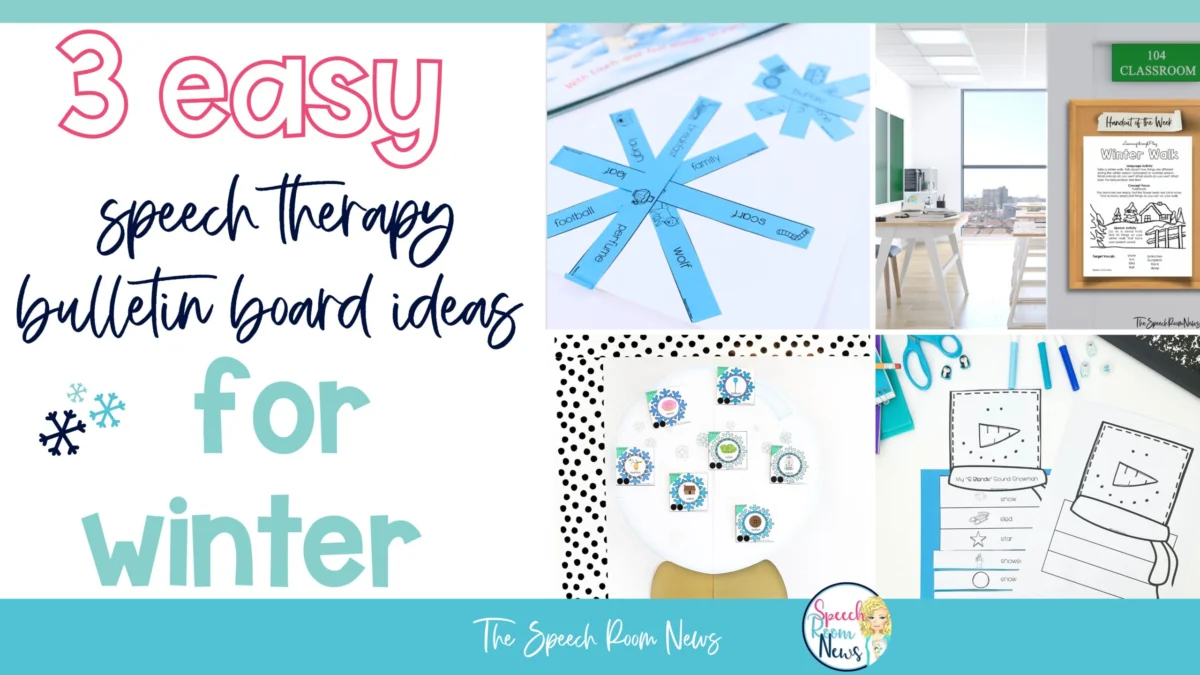
Speech-Language Pathologists (SLPs) are increasingly leveraging carefully designed therapeutic environments to maximize student engagement and foster skill development. A cornerstone of this strategy, particularly within school or clinic settings, involves the innovative use of bulletin boards, transforming static displays into dynamic educational tools. For the winter season, SLPs are adopting a structured approach, categorizing bulletin board designs into three primary types: demonstrative, interactive, and functional, each serving distinct pedagogical and therapeutic objectives. This systematic planning ensures that the therapy space remains stimulating, informative, and directly supportive of students’ communication goals throughout the academic year.
The role of the physical therapy environment in facilitating learning cannot be overstated. For children undergoing speech and language therapy, the visual and tactile elements of their surroundings contribute significantly to their engagement, motivation, and the generalization of newly acquired skills. A well-curated therapy room acts as a third therapist, silently reinforcing lessons and providing continuous opportunities for practice. As winter approaches, the seasonal rotation of these visual aids becomes a key component of an SLP’s annual planning, allowing for fresh perspectives and sustained interest among students and their families. This proactive approach ensures that the transition between themes is seamless, minimizing preparation time while maximizing therapeutic impact. For instance, the start of a new school year often sees a focus on interactive or functional boards, designed to welcome new students and families and familiarize them with the therapy process and expectations.
The Foundation of Engaging Environments: Why Visuals Matter in Speech Therapy

Children with speech and language disorders often face unique challenges in processing and expressing information. These difficulties can range from articulation errors and phonological disorders to expressive and receptive language delays, and even more complex conditions like childhood apraxia of speech. In such contexts, multi-sensory learning approaches are not merely beneficial; they are often critical for effective intervention. Visual aids, in particular, provide concrete representations of abstract concepts, reinforce auditory input, and offer a non-verbal channel for understanding and recall. Educational psychologists and developmental specialists consistently emphasize that environments rich in visual stimuli can significantly enhance learning outcomes by catering to diverse learning styles and improving attention spans.
A welcoming and stimulating therapy space is paramount to creating a positive association with therapy. When children feel comfortable and engaged in their environment, they are more likely to participate actively, take risks, and internalize therapeutic strategies. Bulletin boards, when strategically designed, contribute to this atmosphere by breaking down the clinical feel of a room and injecting elements of playfulness, recognition, and continuous learning. This deliberate environmental design is not merely aesthetic; it is an integral part of the therapeutic process, reflecting a holistic understanding of child development and learning.
Demonstrative Bulletin Boards: Showcasing Progress and Fostering Pride
Demonstrative bulletin boards serve as a powerful medium for showcasing student achievements and reinforcing learning through the display of their own work. These boards transform individual therapy efforts into public celebrations of progress, fostering a sense of accomplishment and pride among students. Furthermore, seeing their peers’ work can motivate other students and create a collaborative learning atmosphere. The crafts displayed on these boards are typically integrated directly into therapy sessions, making the creative process itself a therapeutic activity.
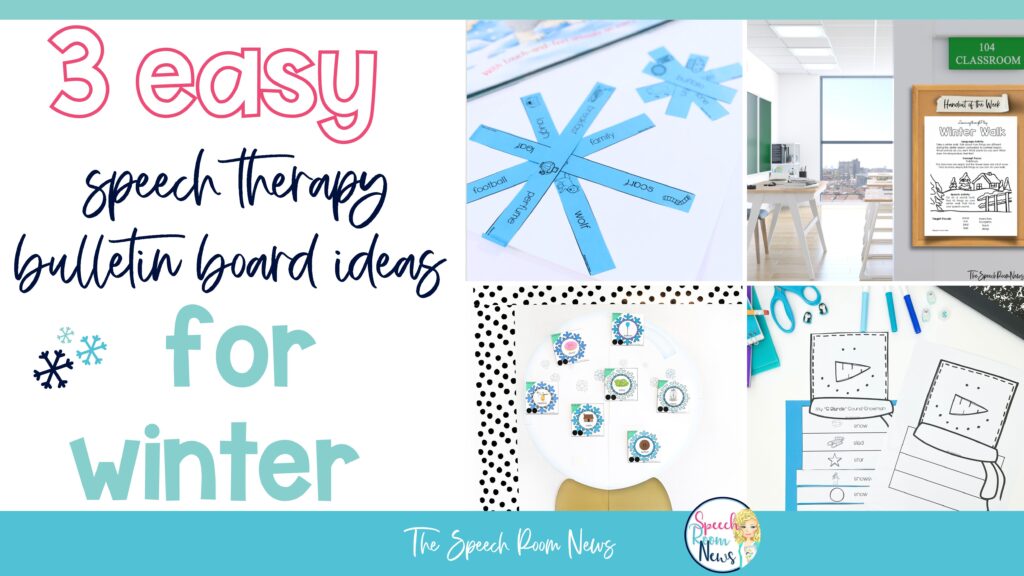
One highly effective and "low-prep" example for winter is the Snowflake Paper Strip Craft. This activity, often dubbed "fake crafting" by busy SLPs due to its simplicity, involves students using pre-cut paper strips to construct snowflakes. The therapeutic value lies in the integration of articulation or language practice during the assembly process. For instance, students might practice target words or phrases with each strip they cut or glue. The "Year-Round Craft Paper Strip Art for Articulation and Language" resource, as cited by practitioners, provides versatile templates that can be adapted for various shapes and themes, making it a sustainable investment for SLPs. Printing on colored paper, such as blue, enhances the visual appeal, while using cardstock can provide increased resistance for students who are developing their fine motor skills and cutting abilities. The completed snowflakes, each unique and representing individual effort, are then proudly displayed, transforming the bulletin board into a vibrant mosaic of student success.
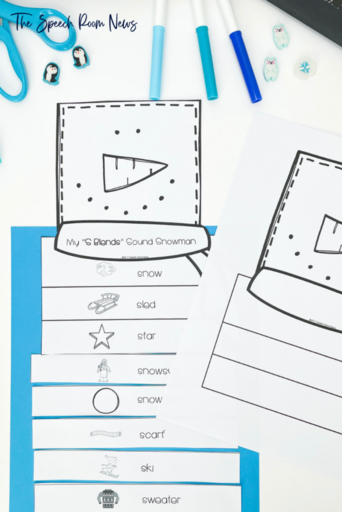
Another popular demonstrative craft is the Snowman Articulation Chop. This activity ingeniously combines articulation practice with a simple, engaging craft. Students are provided with two pages of word strips, tailored to their specific speech goals. As they practice each word, they cut out the strip. These strips are then assembled to form a snowman, with each "chop" representing a practiced articulation target. The simplicity of the design, often augmented by coloring a carrot nose or adding a construction paper hat, makes it highly accessible for a wide range of ages and abilities. The visual representation of the completed snowman, built from their own practiced words, serves as a tangible reminder of their hard work and progress, a critical component in reinforcing positive therapy experiences.
Interactive Bulletin Boards: Activating Engagement and Multi-Sensory Practice
Moving beyond passive observation, interactive bulletin boards invite students to actively engage with the displayed content, transforming the therapy space into a dynamic learning environment. These boards are particularly effective for reinforcing concepts through repeated practice and multisensory input, critical for conditions like apraxia and phonological disorders.

The Falling Flakes: Apraxia Snowflakes set exemplifies an interactive design. Childhood Apraxia of Speech (CAS) is a neurological motor speech disorder that affects a child’s ability to plan and program the movements needed for speech. The "Falling Flakes" system employs snowflake cards, each featuring an image and word, alongside black dots that represent the number of syllables. Students are encouraged to touch these dots as they produce the sounds, thereby integrating tactile and auditory feedback into their practice. The cards are further organized by color and syllable pattern, aiding in systematic learning. The core interactive element involves a poster-sized snow globe affixed to the bulletin board, equipped with Velcro dots. Students attach and detach the snowflake cards, practicing their target words with each manipulation. This hands-on approach provides immediate feedback and fosters kinesthetic learning, which is highly beneficial for motor planning challenges.
Similarly, the Falling Flakes: Phonology Activities set targets phonological disorders, which involve patterns of sound errors. This set utilizes minimal pairs – pairs of words that differ by only one sound (e.g., "fan" vs. "pan") – to help children differentiate and produce sounds correctly. Like the apraxia set, these snowflake cards are organized by color and pattern, facilitating targeted practice. A poster-sized globe with Velcro dots allows students to actively engage with the minimal pairs, adding and removing snowflakes as they practice distinguishing and producing target sounds. This interactive format provides a playful yet structured opportunity for repetitive practice, a cornerstone of phonological therapy. The availability of various winter-themed posters within the set allows SLPs to maintain seasonal relevance and novelty throughout the colder months, keeping the interactive elements fresh and engaging. Research in educational psychology consistently demonstrates that interactive learning tools significantly boost retention and motivation, particularly in therapeutic settings where repeated exposure and active participation are key to skill acquisition.
Functional Bulletin Boards: Bridging Therapy and Home for Sustained Progress
The efficacy of speech and language therapy is profoundly influenced by the carryover of skills into everyday environments. Functional bulletin boards are designed with this principle in mind, primarily serving as a resource for parents and caregivers. These boards provide practical, easy-to-implement strategies for integrating communication practice into daily routines and play activities, effectively extending the therapy room’s impact into the home.
A prime example is the use of handouts from the Winter Speech and Language Packet: Learning Through Play. These resources offer parents tangible ways to utilize common winter activities to enhance their child’s communication skills. The handouts break down complex therapeutic goals into simple, actionable steps that can be applied during natural interactions. For instance, activities like a "Snowball Fight" can be used to practice descriptive language ("cold," "fast"), turn-taking, and following directions. Building a "Snowman" can target sequencing, vocabulary (body parts, clothing), and expressive language. Other ideas, such as "Sledding," "Snow Fort," "Snow Angels," "Hot Chocolate," "Winter Clothing," "Winter Walk," "Ice Skating," and "Making Cookies," all offer rich contexts for language stimulation.
The strategic placement of these handouts on a functional bulletin board makes them readily accessible to parents who might be waiting for their child or passing by the therapy room. This proactive dissemination of information empowers parents, transforming them into active partners in their child’s therapeutic journey. Research from organizations like the American Speech-Language-Hearing Association (ASHA) consistently highlights parental involvement as a critical factor in successful therapy outcomes. By providing concrete examples and strategies, SLPs facilitate the generalization of skills, which is often the most challenging aspect of therapy. The availability of this packet in a Spanish Version further underscores an inclusive approach, ensuring that language support is accessible to a broader demographic of families, reflecting a commitment to equitable service provision.
Strategic Planning and Implementation for SLPs
For Speech-Language Pathologists, efficient planning is crucial given the demands of their caseloads. The categorization of bulletin boards into demonstrative, interactive, and functional allows for a streamlined approach to seasonal decoration and therapeutic resource management. By planning ahead for the entire year, SLPs can allocate specific types of boards to different times, ensuring maximum impact with minimal last-minute effort. For example, interactive boards are particularly beneficial at the beginning of a semester or when new students join therapy, as they immediately engage newcomers and provide a welcoming entry point to the therapeutic process. Functional boards, on the other hand, maintain a consistent presence, continually offering valuable resources to parents. This strategic rotation prevents bulletin board fatigue, keeping the therapy environment fresh and exciting for students who attend sessions multiple times a week.
Broader Implications: Beyond the Therapy Room
The thoughtful design and utilization of bulletin boards extend their influence beyond the confines of the individual therapy session. These visual aids contribute to the overall positive atmosphere of a school or clinic, promoting awareness of speech and language development and fostering a sense of community. When student work is displayed, it not only boosts individual self-esteem but also educates the wider school population about the important work happening in the speech therapy room. Interactive boards, placed in hallways, can engage a broader audience, sparking curiosity and informal learning. Functional boards serve as continuous public service announcements, subtly reinforcing the importance of communication skills and offering accessible support.
Ultimately, the integration of creative and purposeful bulletin board designs underscores a comprehensive approach to speech and language therapy. It recognizes that the environment itself is a powerful tool, capable of reinforcing learning, motivating students, educating families, and streamlining professional practice. By embracing these innovative visual strategies, SLPs are not merely decorating a room; they are actively constructing a more effective, engaging, and supportive therapeutic ecosystem, with profound and lasting positive implications for student development and family well-being.
