


Father’s Day, observed annually on the third Sunday in June, offers a designated time for families across the globe to acknowledge and celebrate the paternal figures who have played a significant role in their lives. While for many, this day evokes feelings of warmth, gratitude, and cherished memories, the experience of Father’s Day is far from universal. For a considerable segment of the population, the holiday can be a source of complex emotions, stemming from a spectrum of challenging paternal relationships or the absence of a father figure altogether.
The societal construct of "father" can be a loaded term. Even when invoked in a spiritual context, such as referring to a divine entity as "Father," it can trigger difficult associations for individuals whose experiences with their earthly fathers were marked by pain. These experiences can range from never having known their biological father to enduring neglect, abandonment, abuse, or a profound emotional distance. This poignant reality underscores a fundamental truth often overlooked in societal discourse: the profound and often underestimated importance of fathers in the development and well-being of children.
The Science of Paternal Absence and Presence
Decades of social science research consistently highlight the significant challenges children often face when fathers are absent from their lives. Studies have indicated correlations between paternal absence and an increased likelihood of antisocial behavior in boys. Conversely, girls growing up without consistent fatherly presence may experience greater struggles with self-esteem and mental health issues, including higher rates of depression and anxiety.
The influence of a father, whether present or absent, engaged or detached, encouraging or critical, leaves an indelible mark on a child’s psyche. This imprint can manifest positively, fostering resilience and confidence, or negatively, contributing to insecurity and maladaptive behaviors. The nature of this influence is, in many respects, unavoidable.
Influence Begins at Home: The Foundational Role of Fathers
Understanding the mechanisms of influence, a field that has been the subject of extensive study for decades, reveals that its roots extend far beyond the professional realm of business, leadership, or negotiation. Influence, in its most potent form, originates within the home. Parents, and fathers in particular, serve as primary influencers, shaping a child’s nascent understanding of themselves, their relationships with others, and their perception of the world around them.
This foundational role underscores the importance of intentional parenting. Many parents, upon reflecting on their own upbringing, engage in a critical self-assessment. This process typically involves two key questions: What positive aspects of their own parents’ guidance can be emulated and built upon? And what perceived mistakes or shortcomings can be avoided and mitigated in their own parenting journey? This introspective approach aims to foster a legacy of positive influence, contributing to the betterment of future generations, one child, one family, and one generation at a time.
Generational Impact and the Principle of Consistency
The impact of parenting decisions reverberates through generations. Children are perpetually absorbing information through observation, auditory cues, and direct experiences. They witness how their parents navigate adversity, listen to the tone and content of their interactions with others, and crucially, observe whether their actions align with their spoken values.
This dynamic aligns with Robert Cialdini’s well-established principle of consistency in social psychology. Children are acutely aware of when parents embody the values they espouse. Conversely, they also notice incongruities between words and actions. Even before they grasp the complexities of influence as a concept, children are internalizing one of its most fundamental lessons: credibility is built upon consistency. This consistent behavior fosters trust and provides a stable framework for a child’s developing worldview.
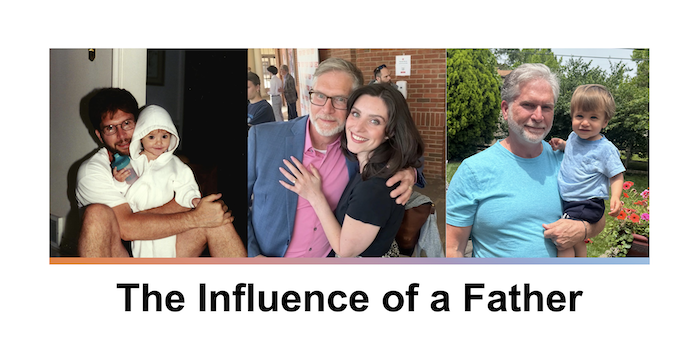
The Evolving Landscape of Fatherhood: From Parent to Grandparent
The experience of fatherhood evolves over time, offering unique perspectives at different life stages. For many, the journey includes the profound joy of becoming a grandparent. This shift in role can bring a renewed appreciation for the influence adults wield in the lives of children. Witnessing the growth and development of a grandchild, characterized by every smile, word of encouragement, and moment of dedicated attention, serves as a powerful reminder of the impact of adult engagement.
Conversely, it also highlights the significance of missed opportunities. The adage that children are always watching, even when it may not appear so, holds significant weight. The presence of a father, the words he speaks, the example he sets, and most importantly, the love he demonstrates, all contribute to the intricate tapestry of a child’s life.
A Call to Intentionality: The Unwavering Influence of Fathers
The message to fathers, regardless of their specific circumstances or past experiences, is clear: never underestimate your influence. While perfection in parenting is an unattainable ideal, intentionality is within reach. Every father, by virtue of his relationship, is actively shaping memories, beliefs, and habits that have the potential to endure a lifetime.
The fundamental question is not whether a father will influence his children, as this is an inevitable outcome. Rather, the critical question is what kind of influence will be exerted. Will it be a force that builds confidence, fosters resilience, and instills positive values? Or will it be a force that inadvertently undermines self-worth or perpetuates negative patterns?
The Broader Societal Context and Future Implications
The societal emphasis on Father’s Day, while well-intentioned, can sometimes overshadow the ongoing, day-to-day realities of fatherhood. The increasing recognition of the multifaceted nature of families, including single-parent households, blended families, and same-sex parent households, necessitates a broader understanding of paternal roles and influences.
Research continues to explore the diverse ways fathers contribute to child development, encompassing emotional support, cognitive stimulation, and the modeling of healthy relationships. As societies grapple with evolving family structures and the persistent challenges of father absence, understanding and promoting positive paternal engagement remains a critical public health and social welfare objective. The implications extend to educational attainment, economic productivity, and the overall social fabric. Investing in initiatives that support fathers, equip them with necessary resources, and foster positive engagement is an investment in the future well-being of individuals and communities.
Brian Ahearn: A Leading Voice on Influence and Parenting
Brian Ahearn, Chief Influence Officer at Influence PEOPLE and a faculty member at the Cialdini Institute, brings a unique perspective to the discussion of influence, particularly as it pertains to parenting. As a globally recognized expert trained and endorsed by Dr. Robert Cialdini, Ahearn has dedicated decades to understanding and teaching the science of ethical influence. His extensive work, including his book "Influence PEOPLE" and numerous courses and presentations, emphasizes how principles of influence are applied in everyday interactions, including those within the family unit. His reflections on his own parenting journey, particularly his intentional approach with his daughter Abigail and his current experiences as a grandfather, underscore the enduring power of consistent, positive influence. Ahearn’s insights serve as a valuable resource for those seeking to understand and harness their influential role in shaping the lives of children.
