

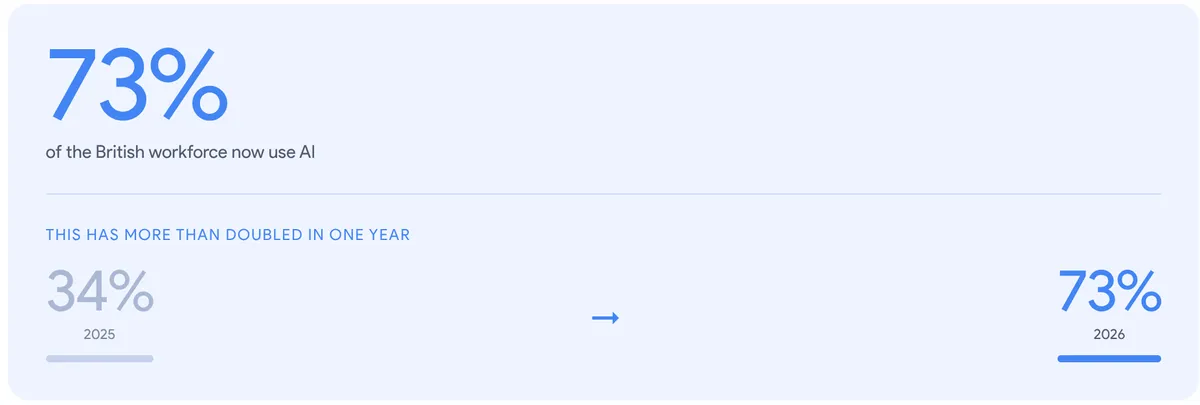
The United Kingdom has reached a critical juncture in its digital evolution as workplace adoption of artificial intelligence has more than doubled within a single year, surging from 34% in 2025 to 73% in 2026. According to a landmark study conducted by Google in collaboration with the research consultancy Public First, this rapid integration of technology is creating a significant economic divide. While a vast majority of the workforce has begun utilizing AI tools, a distinct elite group—the top 15% known as "AI Trailblazers"—is reaping disproportionate rewards in the form of higher pay, frequent promotions, and substantial time savings.

This comprehensive analysis of the British labor market highlights a "two-speed" economy. Although the broad adoption of AI suggests a nation eager to modernize, the depth of usage remains shallow for the majority of workers. The challenge now facing policymakers, educators, and corporate leaders is the urgent need to upskill the remaining 85% of the workforce to ensure that the productivity gains of the AI era are distributed equitably across all sectors of society.
The Four Stages of AI Adoption
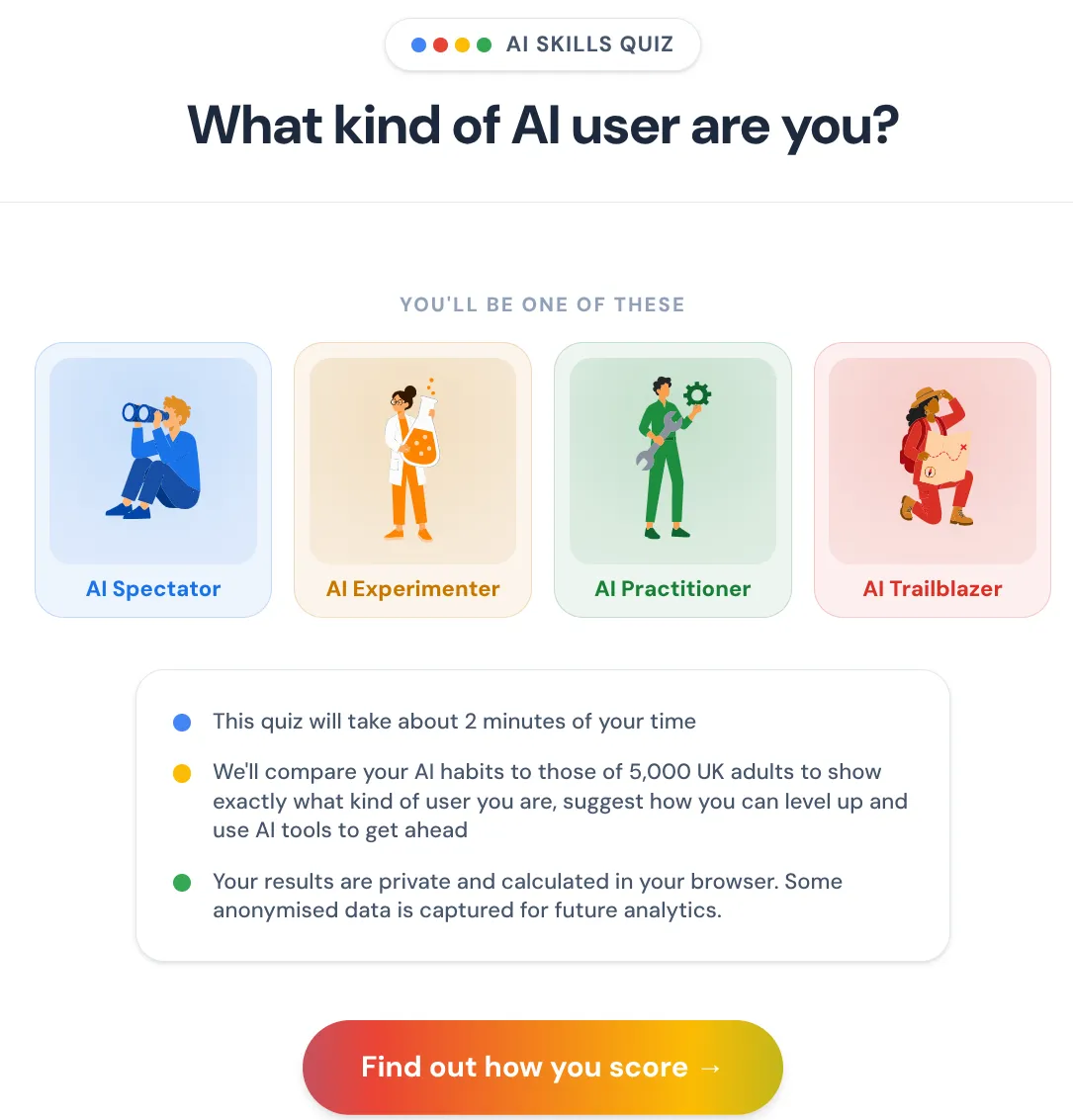
The research segments the UK workforce into four distinct categories based on their proficiency and frequency of AI usage. Understanding these archetypes is essential for identifying where intervention is most needed.

At the base of the pyramid are the "AI Spectators," comprising approximately 10% of the workforce. These individuals do not yet use AI in their daily professional or personal lives, often due to a lack of access, relevance to their specific roles, or a fundamental lack of digital confidence. Above them are the "AI Experimenters," representing 38% of workers. This group uses AI occasionally for low-stakes tasks, such as asking quick questions or drafting simple emails. While they have crossed the threshold of adoption, they have yet to integrate AI into their core workflows.
The third category, "AI Practitioners," makes up 37% of the workforce. These individuals use AI regularly for research, complex drafting, and problem-solving. They are the backbone of the current digital shift but have not yet reached the level of "Trailblazer." Finally, the "AI Trailblazers" represent the top 15%. These power users utilize AI for creative task automation and the deployment of sophisticated AI agents. This group is setting a new benchmark for modern work, effectively gaining nearly eight hours of productivity every week—the equivalent of an extra working day.
The Trailblazer Advantage and the Productivity Premium
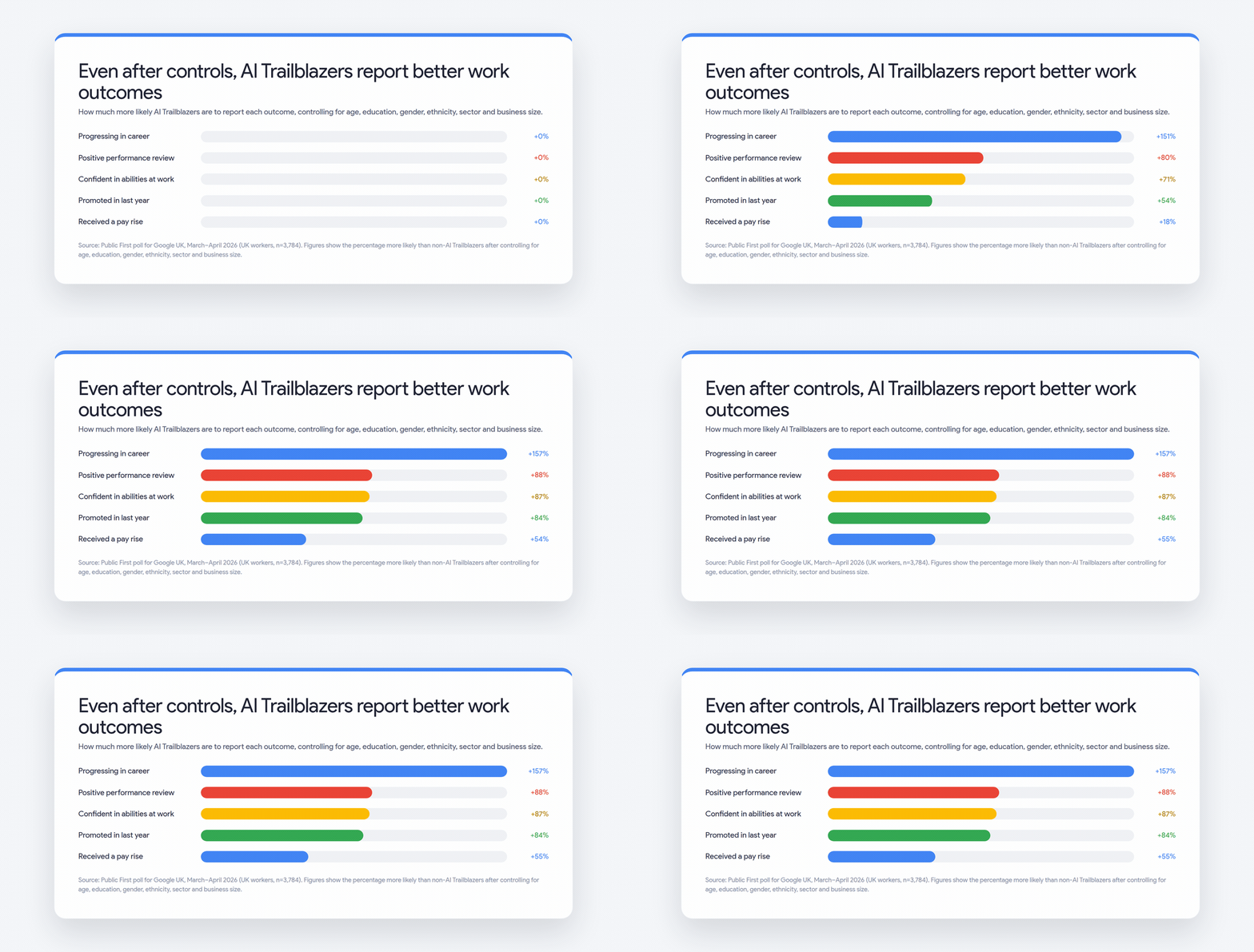
The benefits of reaching "Trailblazer" status extend far beyond simple efficiency. The study found that even after controlling for variables such as age, industry sector, gender, ethnicity, education level, and business size, deeper AI usage is consistently associated with greater professional momentum. Trailblazers are significantly more likely to report stronger performance reviews and accelerated career progression.
For the UK economy, which has struggled with stagnant productivity for over a decade, this "productivity premium" offers a potential solution. If the majority of the workforce could transition from being mere experimenters to practitioners or trailblazers, the cumulative impact on the national GDP would be transformative. However, the research also warns of a growing "adoption gap." Currently, deeper AI usage is unevenly distributed across the country, with a higher concentration of Trailblazers in London and the South East compared to the industrial heartlands of the North and the Midlands. Furthermore, demographic disparities persist, with younger workers and those in high-tech sectors currently leading the charge, leaving older workers and traditional industries at risk of being left behind.

Addressing Behavioral and Organizational Barriers
The transition from an AI Experimenter to a Trailblazer does not necessarily require deep technical knowledge or the ability to write code. Instead, the barriers to entry are largely behavioral, cognitive, and organizational.
Behavioral barriers include a lack of "prompt literacy"—the ability to communicate effectively with AI models—and a general hesitation to trust automated outputs. Cognitive barriers often stem from a lack of awareness regarding the full capabilities of modern AI, with many workers still viewing these tools as mere search engine replacements rather than creative partners. Organizationally, many British firms have yet to establish clear guidelines or provide the necessary infrastructure to encourage experimentation. Without a "safe to fail" culture within the workplace, employees are often reluctant to integrate new tools into critical business processes.
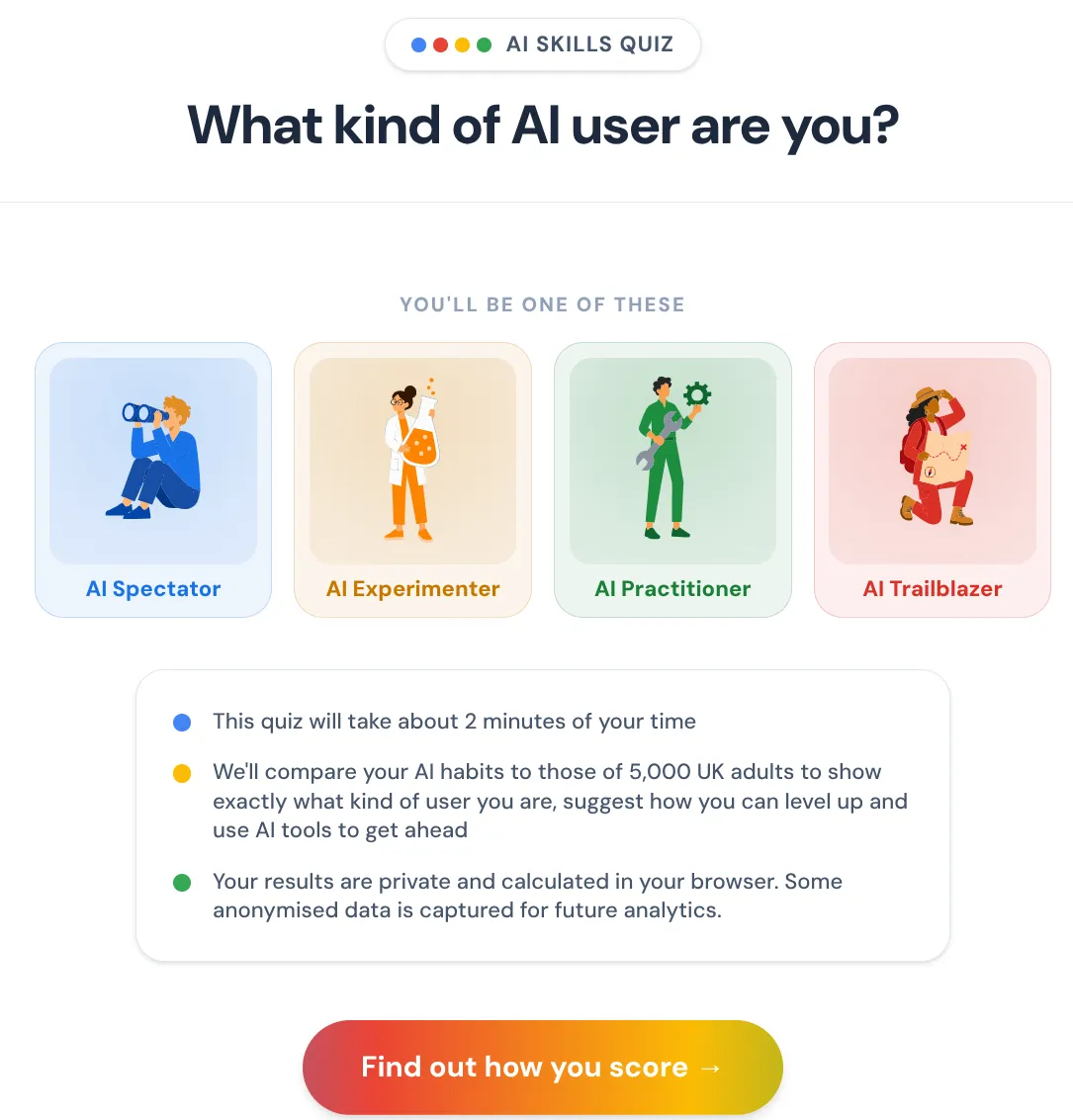
To combat these hurdles, Public First has launched an interactive "AI Skills Quiz." This diagnostic tool allows workers to benchmark their skills against the national average, identify their user type, and receive actionable advice on how to elevate their AI proficiency. This initiative is designed to demystify the technology and provide a clear roadmap for personal professional growth.
A Strategic Partnership for National Growth
The push to build a nation of AI Trailblazers is being supported by a massive upskilling initiative titled "AI Works for Britain." This program builds upon the existing Google Digital Garage, which has provided digital skills training to over 1.2 million people across the UK over the last ten years.
This initiative is a cornerstone of a broader partnership with the British Government, which has set an ambitious target of training 10 million workers in AI skills by 2030. The collaboration aims to provide localized training programs that target the specific needs of different regions, ensuring that the "leveling up" agenda includes digital literacy as a core pillar. Government spokespeople have noted that closing the AI adoption gap is not just a matter of corporate competitiveness, but a vital component of national economic security.
Industry analysts suggest that the government’s role will be crucial in incentivizing small and medium-sized enterprises (SMBs) to invest in AI training. While large corporations often have the resources to implement internal training schemes, SMBs—which form the backbone of the UK economy—frequently lack the time and capital to do so.

Economic Impact and the Value of Google’s Ecosystem
The scale of the opportunity is reflected in the current economic contribution of AI and digital tools. In 2025, Google’s suite of products—including Search, Android, Cloud, and YouTube—supported an estimated £140 billion in economic activity across the United Kingdom. This figure is roughly equivalent to the entire economy of Greater Manchester.
A significant portion of this impact, approximately £60 billion, is attributed to British SMBs who use these tools to innovate, reach new markets, and streamline operations. Furthermore, the efficiency gains provided by these platforms are already saving British workers an estimated 51 million hours per week. To put this in perspective, this is equivalent to the total weekly output of the entire National Health Service (NHS) workforce.
As AI becomes more deeply embedded in these everyday tools, the potential for time-saving and value creation is expected to grow exponentially. For instance, AI-driven data analytics in the Google Cloud can help a logistics company in the Midlands optimize its routes in real-time, while generative AI in YouTube can help a small creative agency in Cardiff produce high-quality marketing content at a fraction of the traditional cost.
Implications for the Future of Work
The rise of the AI Trailblazer signals a fundamental shift in the nature of work in the UK. The "extra day" gained through AI efficiency is not merely about doing more of the same; it is about freeing up human workers to engage in higher-value activities that require empathy, complex judgment, and strategic thinking.
However, the rapid pace of change also necessitates a robust conversation about the ethics of AI and the protection of workers’ rights. As AI agents begin to handle more sophisticated tasks, the role of the human supervisor becomes more critical. The consensus among tech leaders and policymakers is that AI should be viewed as an "augmented intelligence" that empowers workers rather than a tool for wholesale displacement.
The data from the Public First study suggests that the UK is well-positioned to lead the global AI race, provided it can solve the problem of uneven adoption. The 73% adoption rate is a testament to the nation’s technological curiosity, but the "Trailblazer" status of only 15% is a reminder of the work yet to be done.

Conclusion: The Path Toward a Productive Britain
Unlocking Britain’s next era of productivity depends on the successful democratization of AI skills. The goal is to ensure that the advantages currently enjoyed by a small group of Trailblazers become the standard for the entire workforce. By addressing the behavioral and organizational barriers to adoption and providing accessible, nationwide training, the UK can transform its labor market into one of the most efficient and innovative in the world.
As the "AI Works for Britain" initiative rolls out across the country, the focus will remain on personal progression and collective economic growth. The tools are available, the economic incentive is clear, and the roadmap has been drawn. The challenge now lies in execution—ensuring that every worker, from the scientist in a laboratory to the technician on a shop floor, has the opportunity to become an AI Trailblazer and contribute to a more prosperous British future.
