

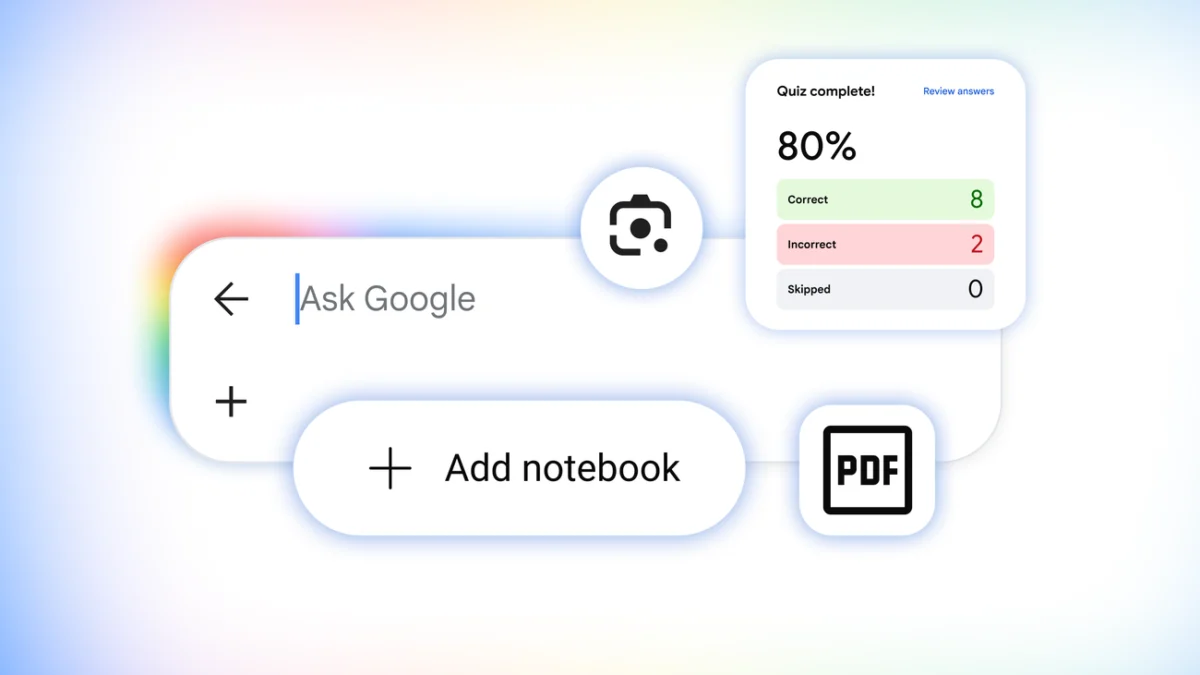
As the 2026 academic calendar commences, Google has announced a significant suite of updates to its Search ecosystem, specifically designed to transform the platform from a mere information retrieval tool into a comprehensive, AI-powered educational assistant. These advancements, spearheaded by Google’s Search and Gemini divisions, aim to address the multifaceted challenges students face, ranging from conceptual misunderstanding to the logistical hurdles of organizing complex study materials. By integrating generative artificial intelligence (AI) directly into the search interface, Google is positioning its technology as a primary "AI tutor" capable of providing interactive simulations, personalized testing, and step-by-step problem-solving assistance.
The introduction of these tools comes at a pivotal moment in the EdTech sector, where the demand for personalized, on-demand learning has surged following the rapid maturation of large language models (LLMs). Awaneesh Verma, a Distinguished Product Manager for Search at Google, emphasized that these features are "built to be safe by design," highlighting the company’s focus on accuracy and pedagogical integrity. The update includes five core functionalities: interactive conceptual visuals, customized practice quizzes, enhanced Lens capabilities for step-by-step coaching, the integration of Gemini Notebooks, and automated study document generation.
The Evolution of Search: From Information Retrieval to Interactive Learning
For decades, the standard utility of a search engine was to provide a list of relevant websites based on a keyword query. However, the 2026 "Back to School" update marks a departure from this "link-based" philosophy toward a "generative UI" framework. This shift is most visible in Google’s new interactive visual tools. When students search for complex scientific or mathematical concepts—such as the pH scale, orbital mechanics, or cellular biology—Search no longer presents only text and static images. Instead, it generates custom, interactive simulations within AI Overviews.
This generative UI allows students to manipulate variables in real-time. For example, a student researching pH levels can request to see citrus fruits plotted on a scale or simulate the effect of adding a base to an acidic solution. These experiences are powered by AI Mode, a specialized interface within Search that allows for hyper-specific follow-up questions. This capability aims to bridge the gap between theoretical reading and practical understanding, catering to visual and kinesthetic learners who often struggle with traditional textbook formats.
Standardized Test Preparation and Global Partnerships
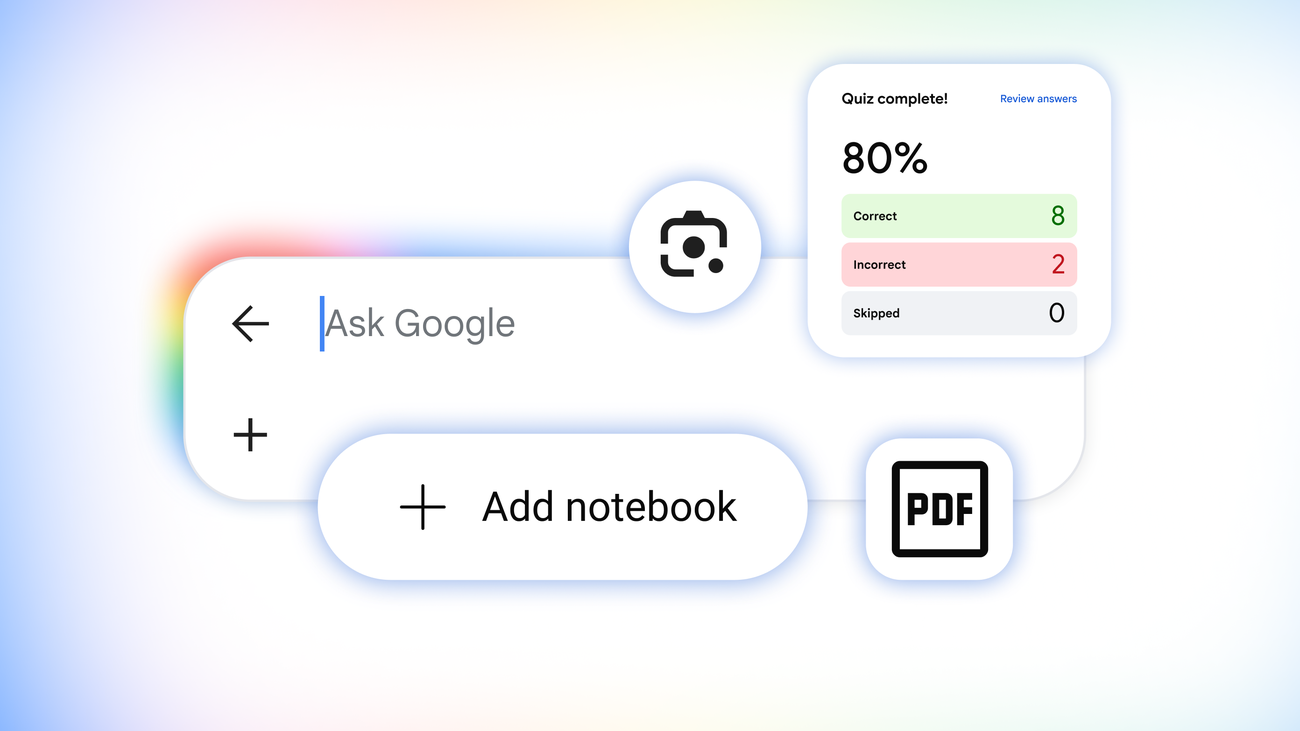
In a move to capture a larger share of the test-prep market—traditionally dominated by third-party publishers and tutoring services—Google has launched an interactive quiz feature. These quizzes are not merely generated from general web data but are informed by strategic partnerships with global education leaders, including The Princeton Review, Careers360, PhysicsWallah, and Akira Enem.
The feature supports a wide array of standardized exams, including the ACT, AP, ENEM (Brazil), GRE, JEE (India), LSAT, MCAT, NEET, and SAT. By tapping into authoritative content from these experts, Google ensures that the material is pedagogically sound and aligned with current exam standards. Students can prompt Search to "create a quiz with the most commonly tested vocab words for the SAT," receiving not only questions but also detailed explanations for correct and incorrect answers. Currently available in English globally, this feature is designed to provide high-quality test preparation at no cost, potentially democratizing access to resources that were previously gated behind expensive paywalls.
Lens as a Pedagogical Coach: Solving the "Homework Block"
The Google Lens feature has been upgraded to provide more than just answers; it now serves as a coach. Traditionally, students used Lens to find solutions to math problems by snapping a photo. The new update introduces a "step-by-step" learning experience. When a student captures an image of a difficult problem, the AI Overview analyzes the work, pinpoints specific areas where a mistake might have occurred, and provides a breakdown of the underlying concepts.
This "coaching" model is designed to prevent students from simply copying answers. By providing the "why" behind the "how," Lens encourages active learning. If a student remains confused, they can transition into AI Mode to ask follow-up questions, effectively maintaining a continuous dialogue with the AI until the concept is mastered. This rollout is expected to reach Android and iOS users globally in the coming weeks, representing a significant upgrade to the Google app’s utility in the classroom.
The Integration of Gemini Notebook: Organizing the Digital Workspace
A perennial challenge for students is the fragmentation of information across various platforms, including lecture slides, handwritten notes, PDFs, and web articles. To solve this, Google is integrating "Gemini Notebook" (formerly known as NotebookLM) directly into Search’s AI Mode. This integration allows students to create dedicated digital environments for specific subjects or projects.
Users can upload a variety of sources—including syllabi, class presentations, and even transcripts of previous AI Mode conversations—into a centralized notebook. The AI then uses these specific documents as its primary knowledge base, ensuring that the insights it provides are grounded in the student’s actual course material. This "source-grounding" technique significantly reduces the risk of AI hallucinations, as the model is instructed to prioritize the provided references over general training data. These notebooks sync across the Google ecosystem, meaning a notebook started in the Gemini app will be accessible and editable within Search.
Automating Productivity: Custom File Generation
The fifth pillar of the update is the ability to generate custom study documents. Recognizing that students often spend hours manually synthesizing notes into study guides, Google has introduced a file generation tool within AI Mode. Students can now upload a photo of handwritten lecture notes alongside digital slides and ask Search to generate a "one-pager" or a summary PDF.
The tool supports various formats, including documents, spreadsheets, and slide presentations. For instance, a student could provide a series of complex data points and ask the AI to generate a structured spreadsheet or a summary presentation for a class project. This feature is currently live in English and is slated for integration into AI Overviews in the near future.
Chronology of Google’s AI Integration in Education
The 2026 suite of tools is the culmination of a multi-year strategy to integrate generative AI into the core of the Google experience:
- May 2023: Google introduces Search Generative Experience (SGE) as an experimental feature in Search Labs.
- Late 2023: Introduction of NotebookLM, showcasing the power of source-grounded AI.
- Early 2024: SGE transitions into "AI Overviews," becoming a standard part of the Search interface for millions of users.
- Late 2024: Rebranding of Bard to Gemini and the deepening of AI integration across Google Workspace.
- 2025: Strategic partnerships with global educational institutions are established to verify AI-generated academic content.
- August 2026: Launch of the "Back to School" suite, marking the full integration of Gemini Notebook and Generative UI into the global Search product.
Supporting Data and Market Context
The shift toward AI-assisted learning is backed by significant shifts in user behavior. According to industry reports, nearly 60% of students have utilized some form of generative AI for schoolwork over the past year. Furthermore, the global AI in education market is projected to reach over $20 billion by 2027, growing at a compound annual growth rate (CAGR) of nearly 45%.
Google’s move into this space is also a response to the "answer engine" competition from startups like Perplexity and OpenAI’s SearchGPT. By leveraging its existing dominance in the Search market—where it holds over 90% of the global share—Google aims to retain the student demographic by offering a more specialized, education-focused toolkit that goes beyond simple text generation.
Broader Implications and Expert Analysis
The implications of these tools extend beyond convenience. Educational technology experts suggest that AI-driven "coaching" could significantly impact the "Two-Sigma Problem," a phenomenon identified by educational psychologist Benjamin Bloom, which suggests that students tutored one-on-one perform two standard deviations better than those in a traditional classroom. While AI is not a human tutor, the ability to provide instant, personalized feedback at scale could help bridge this gap for students who cannot afford private tutoring.
However, the rise of such powerful tools also raises questions about academic integrity and the potential for over-reliance on technology. Critics argue that if an AI can summarize a semester’s worth of notes into a one-pager, students may lose the critical thinking skills developed during the manual synthesis of information. In response, Google has emphasized that its tools are designed to "coach" rather than just "answer," focusing on explanations and error detection to keep the student engaged in the cognitive process.
Furthermore, the global rollout of these features in English, with local language support to follow, highlights the digital divide. While students in tech-rich environments will benefit from these AI tutors, those without reliable internet access or modern devices may fall further behind. Google’s strategy of keeping these tools free of charge is a notable attempt to mitigate this, though the hardware requirements for running sophisticated AI interfaces remain a barrier.
As the academic year progresses, the success of these tools will likely be measured by their accuracy and their ability to stay integrated with the evolving needs of educators and students. For now, Google has signaled that the future of Search is not just about finding answers, but about understanding them.
