

Google’s July 2026 AI roadmap signals a fundamental shift in the artificial intelligence landscape, transitioning from passive generative models to "agentic" systems capable of autonomous reasoning and physical world interaction. Throughout the month, the company unveiled a suite of updates spanning core model architecture, robotics, consumer hardware integration, and global environmental protection. These announcements represent the culmination of over two decades of investment in machine learning research, now manifesting in tools that bridge the gap between digital intelligence and practical, real-world utility.
The Evolution of Agentic Workflows: New Gemini Models
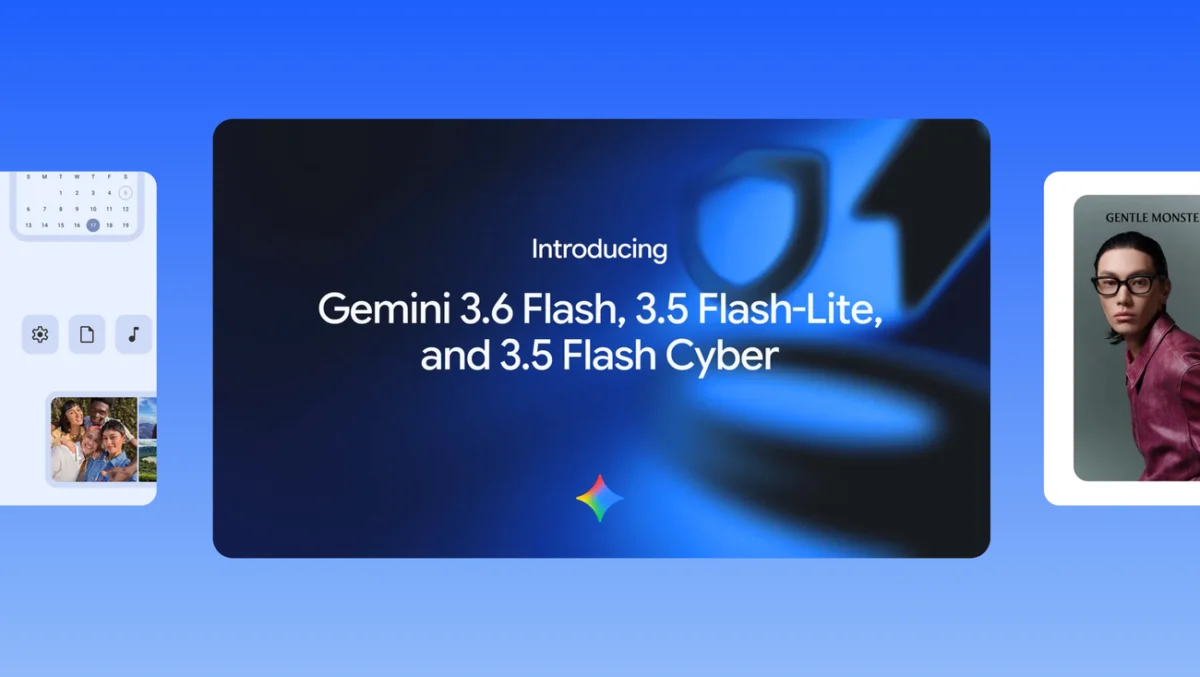
At the heart of the July updates is the introduction of three specialized Gemini models: Gemini 3.6 Flash, Gemini 3.5 Flash-Lite, and Gemini 3.5 Flash Cyber. These models are specifically engineered to address the primary bottlenecks in enterprise AI deployment: token efficiency, latency, and operational cost. As developers move away from simple chatbots toward autonomous "AI agents"—systems that can plan, use tools, and execute multi-step workflows—the demand for high-speed, low-overhead models has surged.
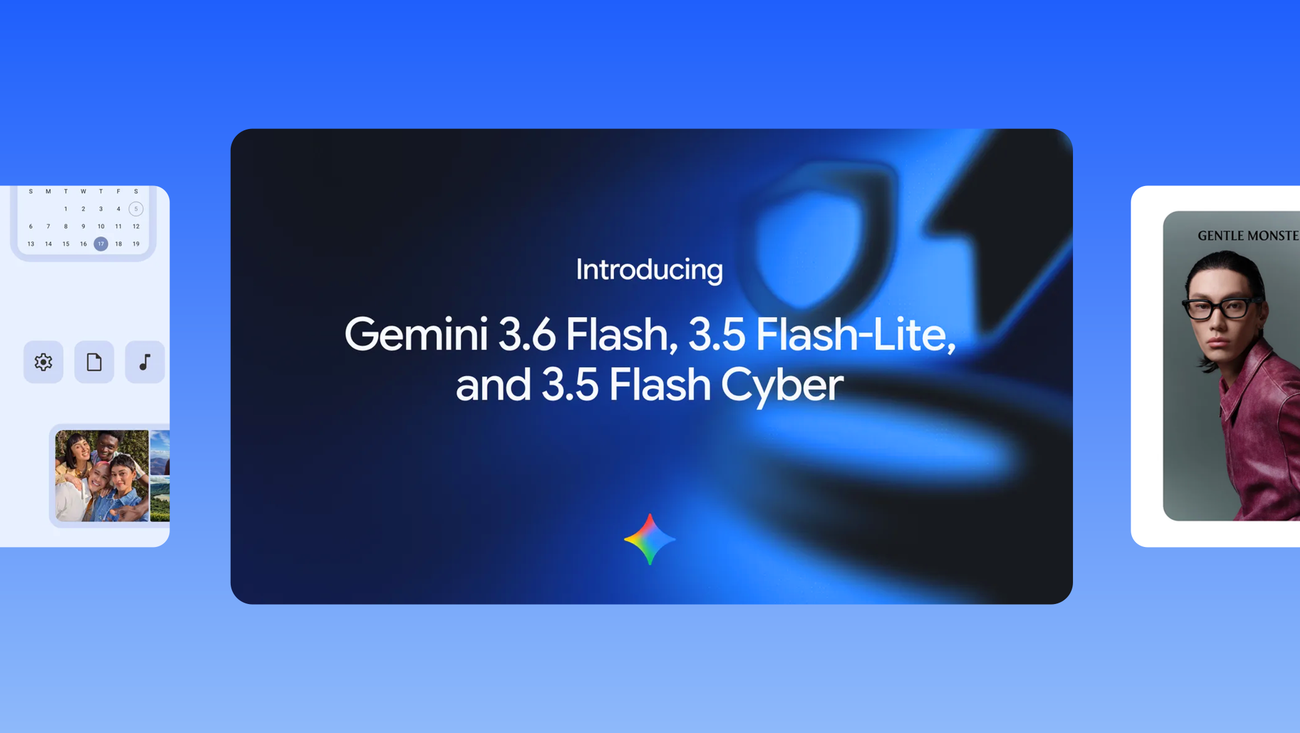
Gemini 3.6 Flash is positioned as the flagship for high-frequency agentic tasks, offering a refined balance between reasoning depth and execution speed. Meanwhile, Gemini 3.5 Flash-Lite is optimized for edge computing and mobile environments, where memory footprints are constrained. The most specialized of the trio, Gemini 3.5 Flash Cyber, includes advanced training sets focused on cybersecurity protocols, enabling agents to monitor network traffic and identify vulnerabilities in real-time. This move is seen by industry analysts as a direct response to the increasing complexity of "agentic" software, where AI must perform thousands of small background tasks without incurring prohibitive computational costs.
Robotics and Embodied Reasoning: The Launch of Gemini ER 2
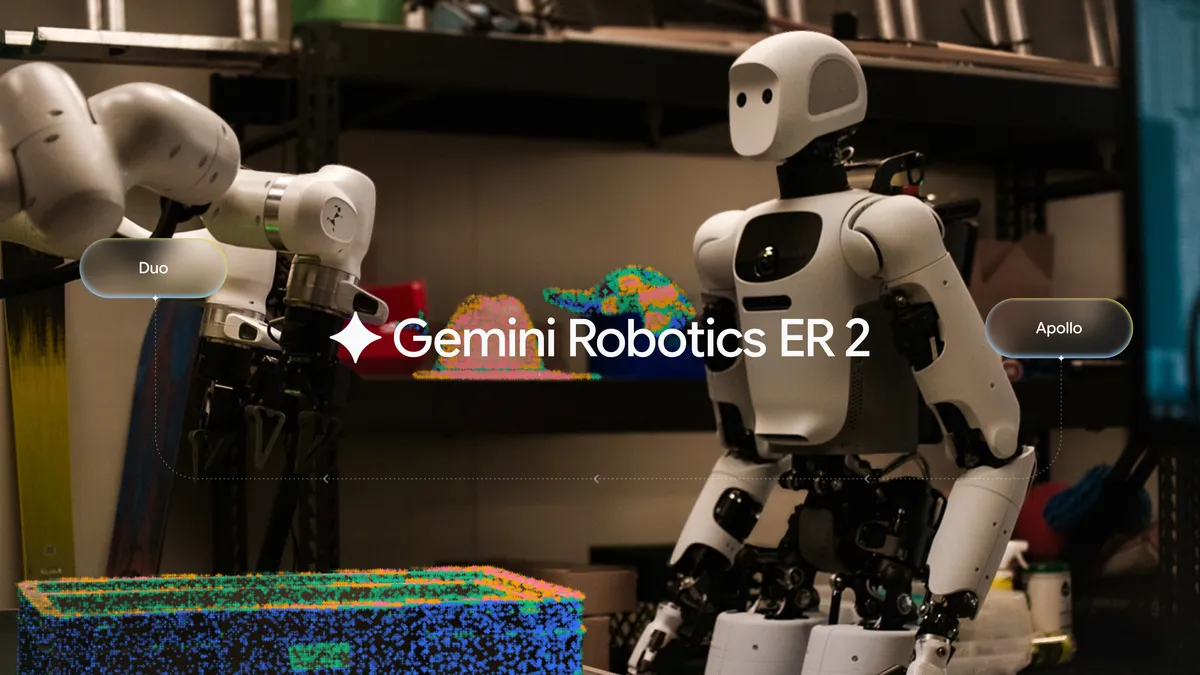
Perhaps the most significant technical breakthrough of the month is the debut of Gemini Robotics ER 2. This "embodied reasoning" model is designed to provide robots with a cognitive framework that integrates sensory input with linguistic understanding. Unlike traditional robotics programming, which relies on rigid, pre-defined scripts, ER 2 allows machines to interpret natural language commands and navigate unpredictable physical environments.
The ER 2 model enables robots to engage in "multi-step reasoning." For example, if a human asks a robot to "clean up the spilled coffee," the model allows the robot to identify the spill, locate a paper towel, understand the physics of wiping, and dispose of the waste—all without specific sub-commands. This leap in "embodied AI" is expected to have immediate implications for logistics, healthcare assistance, and domestic automation. By bridging the digital-physical divide, Google is moving toward a future where AI is not just a screen-based assistant but a physical collaborator.

Chronology of Innovation: A Month of Integration
The month of July 2026 followed a rapid release schedule, beginning with developer-focused tools and concluding with large-scale humanitarian initiatives.
Week 1: Developer Foundations and Optimization
The month began with the general availability of AlphaEvolve on the Gemini Enterprise Agent Platform. AlphaEvolve serves as an AI-powered code optimizer. Developers provide a baseline algorithm, and the system uses evolutionary computation to search for more efficient versions of that code. This tool is designed to solve the "hardest problems" in cloud computing by returning human-readable, optimized code that reduces server load and increases execution speed.
Week 2: Consumer Hardware and Android 17
During the Galaxy Unpacked 2026 event, the partnership between Google and Samsung reached new heights with the launch of the Z Fold8 Ultra, Fold8, and Flip8. These devices are the first to feature "Gemini Intelligence" natively integrated at the OS level. Concurrently, Google introduced a new migration experience within Android 17, allowing iPhone users to transfer data wirelessly without third-party applications, a move intended to lower the barrier for entry into the Gemini-enhanced ecosystem.

Week 3: Productivity and Creative Expression
Mid-month updates focused on the rebranding and expansion of NotebookLM into Gemini Notebook. This tool, now featuring a secure cloud computer interface, allows researchers to ground AI responses in specific documents while maintaining enterprise-grade security. In the creative sphere, Google launched Lyria 3.5, a music generation model that provides users with "total creative control" over vocal quality and musicality. This was accompanied by the introduction of "personal avatars" in Google Vids, allowing users to create digital versions of themselves to narrate presentations and videos.
Week 4: Global Resilience and Environmental Protection
The final week of July focused on the "AI for Good" initiative. This included the launch of three FireSat satellites, a joint venture with the Earth Fire Alliance to detect wildfires in their earliest stages. Additionally, the National Oceanic and Atmospheric Administration (NOAA) announced it would begin using Google Cloud’s H4D virtual machines to run its atmospheric models, marking a major shift in how public weather forecasting is conducted.
Data-Driven Insights: The AI & Economy ATLAS
To ground these technological leaps in social reality, Google released the first iteration of the AI & Economy ATLAS. This large-scale, de-identified study tracks how AI is actually being used in the global workforce. Early data from the ATLAS report suggests that while AI is automating routine tasks, it is also creating a "skills gap" in traditional industries.
In response to these findings, Google announced the "Alliance for America’s Skilled Trades." In partnership with BlackRock, Carhartt, and Ford, this alliance aims to use AI-driven training modules to bolster the pipeline of electricians, plumbers, and mechanics. The initiative reflects a growing recognition that AI’s impact on the economy is not limited to white-collar "office" work but is deeply intertwined with the physical labor market.
Search Evolution and the 25th Anniversary of Google Images
July also marked a historic milestone: the 25th anniversary of Google Images. To celebrate, Google announced a complete overhaul of the visual search experience. Search is no longer a text-first platform; it has evolved into a multimodal interface where "AI Overviews" can generate images directly within the search results page.
Furthermore, the "Connected Apps" feature was expanded, allowing the Gemini app to interact directly with services like YouTube Music and Instacart. Through "Personal Intelligence," Search can now provide tailored responses based on a user’s specific history and preferences across their connected ecosystem. This is complemented by "Gemini Spark," which can now handle "web errands," such as using saved passwords to book flights or schedule apartment viewings, provided the user gives explicit permission.

Analysis of Broader Impact and Implications
The announcements of July 2026 suggest three major trends that will define the tech industry for the remainder of the decade. First is the "Miniaturization of Intelligence." By releasing models like Gemini 3.5 Flash-Lite, Google is acknowledging that the future of AI is not just in massive, power-hungry data centers, but in efficient, local execution. This is essential for privacy and for the functionality of devices like the Samsung Z Series.
Second is the "Institutionalization of AI." The partnership with NOAA and the UN report on "multi-hazard early warning systems" indicate that AI is moving from a consumer novelty to a critical piece of public infrastructure. When AI is used to predict wildfires or manage national power grids, the stakes for accuracy and "bioresilience" become existential. This explains the joint bioresilience program launched by Google DeepMind and Isomorphic Labs, which seeks to prevent the misuse of biological models by threat actors.
Finally, there is the "Humanization of Digital History." The reconstruction of Pelé’s "lost" 1959 goal using DeepMind technology demonstrates that AI’s utility extends into the preservation of culture. By using physics-informed AI to recreate moments that were never filmed, Google is positioning itself as a steward of human history, not just a provider of digital tools.

Official Responses and Vision for the Future
Demis Hassabis, Co-Founder and CEO of Google DeepMind, framed these updates as a "critical moment in history." In his framework for frontier AI, Hassabis noted that the industry is entering a "new age" where the focus must shift from what AI can say to what AI can do.
"Our goal," Hassabis stated in a vision statement shared during the month, "is a world where no one is surprised by a natural disaster, and where every individual has a digital collaborator that understands their unique needs." This sentiment was echoed by partners at NOAA and the Earth Fire Alliance, who emphasized that the scale of modern environmental crises requires the "super-human" processing speeds that only cloud-based AI can provide.
As the second half of 2026 begins, Google’s July updates have set a high bar for the industry. The transition from generative AI to agentic, embodied, and infrastructure-integrated AI is no longer a theoretical goal—it is a deployed reality. The coming months will likely see how these tools perform in the hands of billions of users, testing the limits of "agentic" workflows in the real world.
