

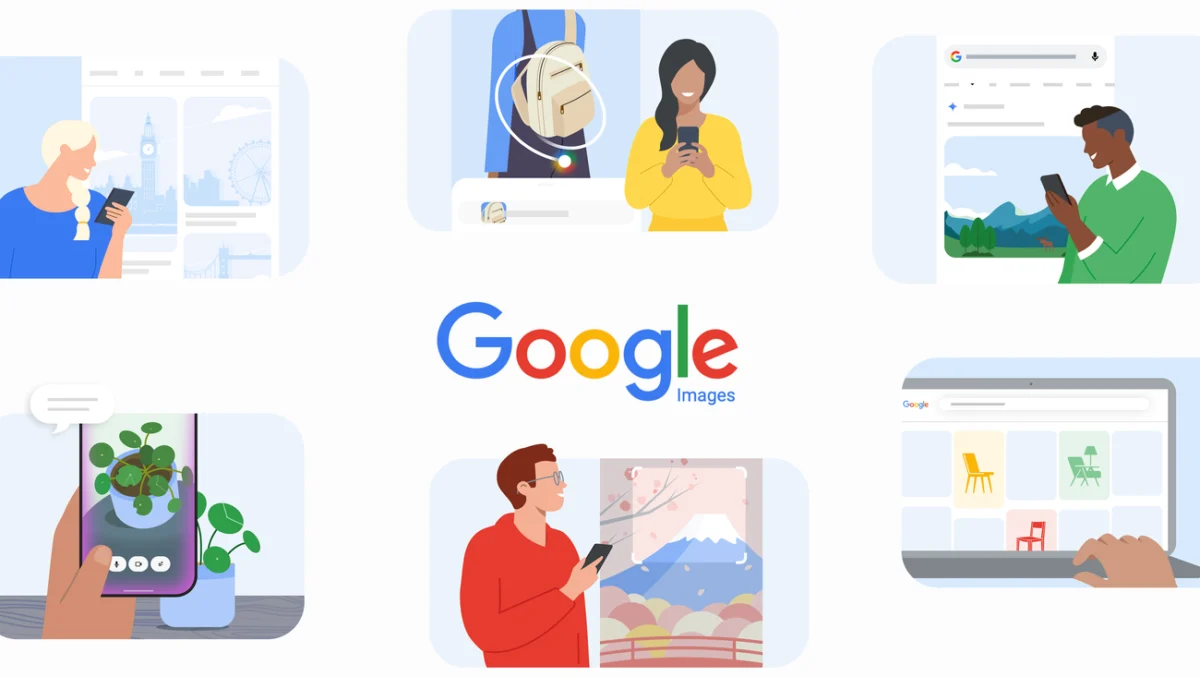
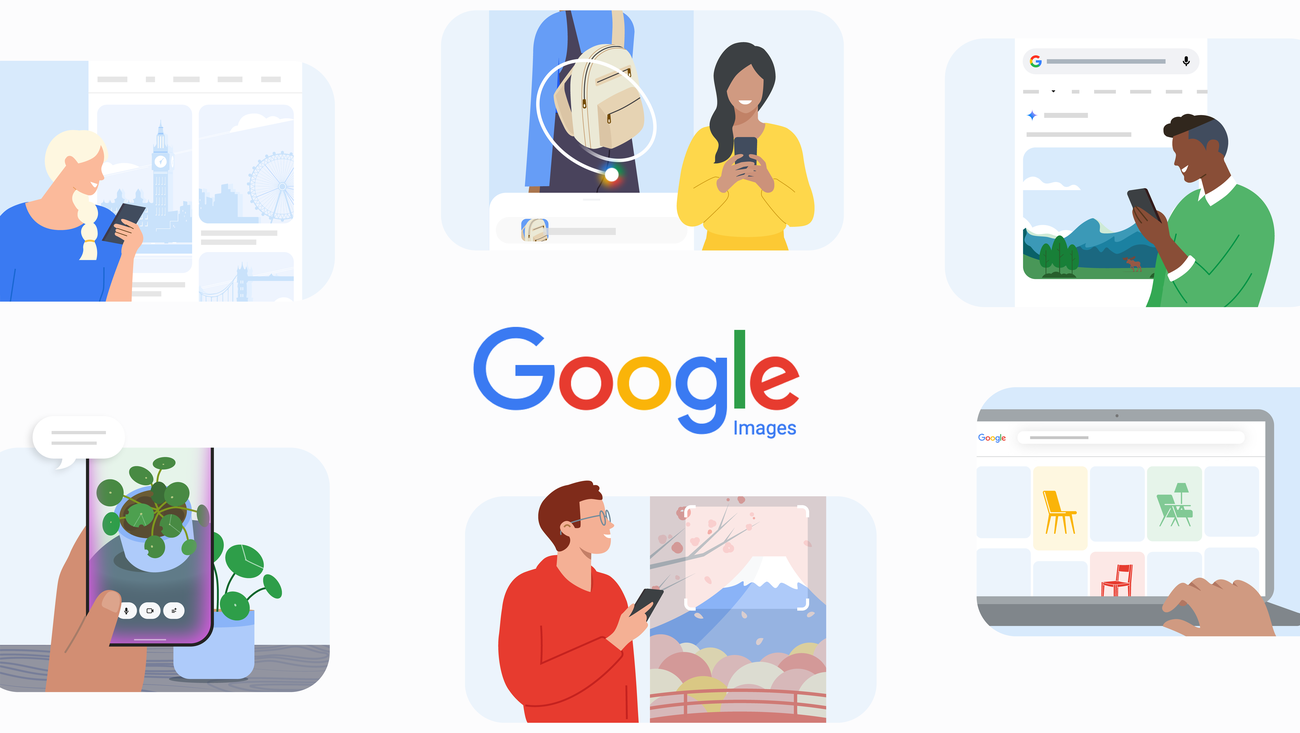
Google has officially marked the 25th anniversary of Google Images, an occasion the technology giant is utilizing to signal a fundamental shift in how users interact with the visual web. Since its inception in 2001, the service has evolved from a supplementary search tab into a sophisticated multimodal ecosystem. To commemorate this milestone, Google has announced a comprehensive redesign of the Google Images homepage and the integration of advanced generative artificial intelligence into its search workflows. These updates represent the culmination of two and a half decades of engineering efforts aimed at transitioning Search from a text-centric utility to a dynamic, vision-first discovery platform.
The centerpiece of this anniversary update is a reimagined, immersive home for Google Images. Rolling out initially for desktop users in the United States, the new interface features a dynamic gallery that is intelligently tailored to individual user interests in real time. Unlike the static grid of the past, this new environment allows users to browse through curated visual inspirations and organize them into "collections." These collections are then accessible via dedicated tabs, facilitating a more persistent and organized research process. According to Brad Kellett, Senior Engineering Director for Search, these updates are designed to bridge the gap between "imagination and reality," allowing the search engine to function as a creative partner rather than just a retrieval tool.
The Integration of Generative AI and the Nano Banana Model
In addition to the UI overhaul, Google is introducing on-the-fly image generation directly within Search. This feature, powered by the company’s latest "Nano Banana" AI model, allows users to create high-quality, custom visuals from simple text prompts. The functionality is being integrated into AI Overviews, enabling users to generate imagery when the existing web does not offer a visual that matches their specific vision.
The rollout of image generation in AI Overviews is scheduled for the coming weeks across regions that currently support Google’s broader AI Mode. This move is seen by industry analysts as a strategic response to the rising demand for generative content, positioning Google not just as a librarian of the world’s existing images, but as a creator of new ones. By embedding this capability directly into the search bar, Google effectively reduces the friction between identifying a need and obtaining a visual solution.
A Chronological Retrospective: From Versace to Computer Vision
The history of visual search at Google is inextricably linked to cultural phenomena and technical breakthroughs. To understand the significance of the 2025 updates, it is necessary to examine the timeline of innovations that transformed the service from a basic index into an AI-driven powerhouse.
2001: The Green Dress Catalyst
The origin of Google Images is famously attributed to the 2000 Grammy Awards. When Jennifer Lopez appeared in a green Versace dress, Google’s servers saw an unprecedented spike in queries. At the time, the search engine only provided a list of blue text links. Recognizing that users wanted to "see" rather than "read," Google engineers developed a dedicated image search tool, which launched in July 2001 with an initial index of 250 million images.
2009–2011: Refining Discovery and Reverse Search
By 2009, Google introduced "Similar Images," a feature that allowed users to find visually related content without relying on text-based queries. This was a critical step in moving toward "query-by-example" logic. In 2011, "Search by Image" (reverse image search) was launched, allowing users to upload a photo or paste a URL to identify its source or find higher-resolution versions. This era marked the transition from metadata-based searching to the early stages of pixel-level analysis.
2018–2022: The Era of Google Lens and Multisearch
The debut of Google Lens in 2018 fundamentally changed the search paradigm by turning the smartphone camera into a search box. Lens utilized advanced computer vision to identify objects, translate text in the physical world, and provide real-time product links. In 2022, "Multisearch" was introduced, allowing users to combine images and text in a single query—such as taking a photo of a pattern and adding the text "wallpaper" to find similar interior design products. This "multimodal" approach became the foundation for all subsequent AI developments.

The Leap into Proactive AI: 2024–2026 Milestones
In the last 24 months, the pace of innovation has accelerated, driven by the integration of Large Language Models (LLMs) and specialized visual models.
In 2024, Google introduced "Circle to Search," a gesture-based UI that allows Android users to select any object on their screen—whether in a video, social media post, or messaging app—and search for it without switching applications. This feature is currently active on over 580 million devices globally, representing a significant shift toward "ambient search" where the search engine is always accessible.
The 2025 roadmap includes "Search Live," a feature that allows users to share a live video feed with AI Mode while engaging in a voice conversation. This enables the search engine to understand motion and environmental context, such as a user asking for help troubleshooting a piece of machinery in real time. Furthermore, the introduction of "Visual Results in AI Mode" allows for conversational visual exploration, such as asking for "barrel jeans that aren’t too baggy" and receiving a filtered, shoppable grid of results.

Looking toward 2026, Google has announced "Multi-Object Recognition" for Circle to Search. This utilizes a "visual image fan-out" technique, which breaks a single image into dozens of sub-queries simultaneously. This allows a user to circle an entire photograph of a room and instantly identify the lamp, the rug, and the wall art as separate, shoppable entities.
Technical Analysis: The Visual Image Fan-out and Semantic Understanding
The technical backbone of these advancements lies in Google’s move away from simple pattern matching toward deep semantic understanding. Traditional image search relied heavily on Alt-text and surrounding webpage content. Modern visual search, however, uses neural networks to "see" the components of an image.
The "visual image fan-out" technique is particularly noteworthy. When a user submits a complex visual query, the system does not look for a single match. Instead, it deconstructs the scene into various layers—identifying textures, brands, shapes, and spatial relationships. This data is then processed through models like Nano Banana, which can synthesize the intent behind the query. This allows the system to answer nuanced questions like "what inspired this architectural design?" by analyzing the visual motifs within a photograph and cross-referencing them with historical and artistic databases.

Market Implications and the Future of the Visual Web
Google’s continuous expansion of visual search capabilities has profound implications for e-commerce, digital marketing, and the broader information economy. As visual search becomes more accurate and conversational, the reliance on traditional keywords is expected to diminish.
For retailers, the integration of "shoppable" AI grids means that the path from discovery to purchase is shorter than ever. This creates a high-stakes environment for Search Engine Optimization (SEO), where the visual quality and metadata of product imagery become as critical as text-based content. Furthermore, the ability to generate images on demand within Search raises questions about the future of stock photography and digital art, as users can now create bespoke visuals for their projects without leaving the Google ecosystem.
Industry reactions to these updates have been largely positive, with developers noting that the "Search Live" and "Intelligent Search Box" features represent the most significant upgrades to the search interface since the company’s founding. By allowing users to upload multiple images simultaneously and ask detailed questions about them, Google is effectively training its user base to think of the search engine as a multimodal assistant rather than a simple index.

Conclusion: A Vision-First Future
As Google Images enters its second quarter-century, the platform is no longer a separate silo of the Google experience. It has become the primary interface for a generation that prioritizes visual communication and immediate, gesture-based interaction. From the accidental inspiration provided by a celebrity’s dress in 2001 to the sophisticated, real-time generative capabilities of 2026, Google’s journey reflects the broader evolution of the internet itself: a move toward a more intuitive, immersive, and visually rich digital world.
The transition to an "Intelligent Search Box" and the democratization of image generation via AI Overviews suggest that the next era of search will be defined by how well a machine can perceive and augment the human visual experience. For Google, the goal remains the same as it was 25 years ago: making the world’s information universally accessible—only now, that information is no longer just something we read, but something we see and create.
