


The ability to accurately perceive and interpret emotions is a cornerstone of effective human interaction. For decades, research in the field of psychology and behavioral science has sought to demystify the complex landscape of human feelings. Now, Drs. Paul and Eve Ekman, renowned for their groundbreaking work in emotion research, have translated over 50 years of scientific inquiry into a practical, accessible tool: The Feelings Field Guide. This comprehensive toolkit aims to equip individuals with the skills to identify universal facial expressions and respond constructively to emotional cues, whether in personal relationships, parenting, or high-stakes professional environments.
Unveiling The Feelings Field Guide: Bridging Science and Everyday Life
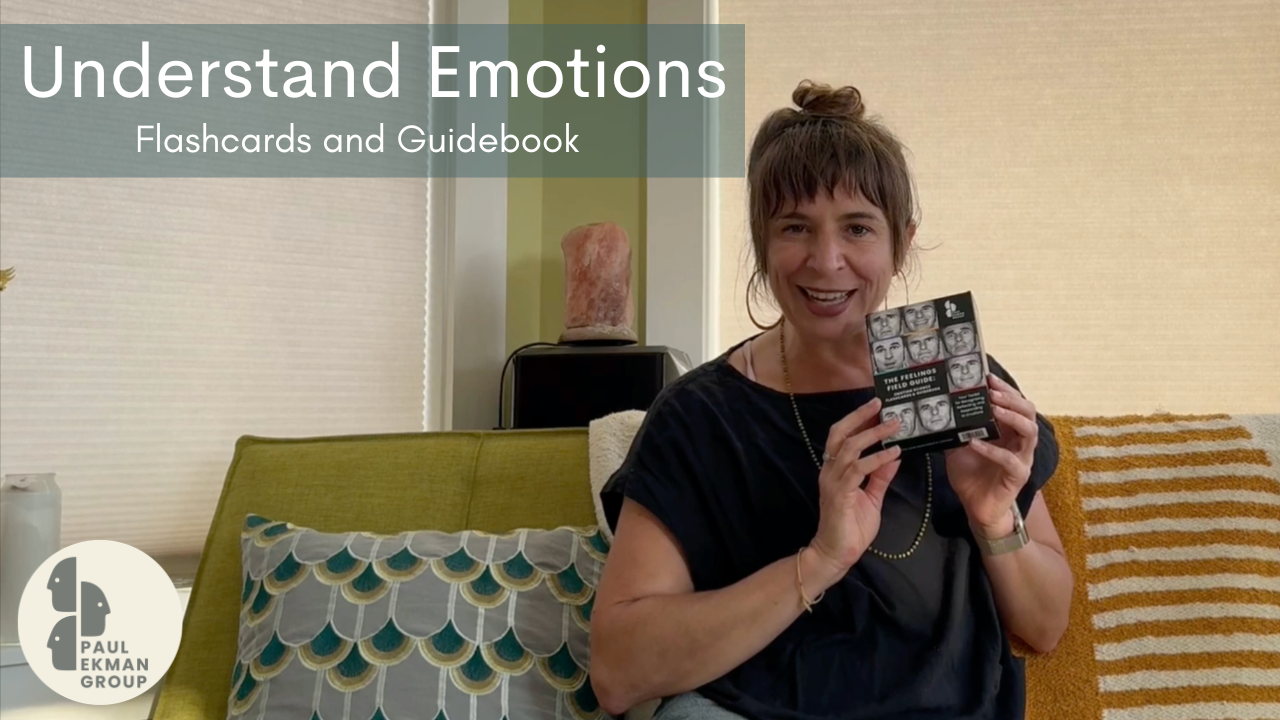
The Feelings Field Guide is more than just a collection of images; it is a meticulously designed educational resource built upon a foundation of rigorous scientific research. At its core, the guide addresses the fundamental human capacity to express and recognize a set of universal emotions, a concept pioneered and extensively studied by Dr. Paul Ekman. The toolkit comprises 92 emotion flashcards, each depicting a specific facial expression associated with a core emotion, and an accompanying scientific guidebook. This pairing is intended to foster enhanced emotional awareness and improve non-verbal communication skills.
Dr. Eve Ekman, in her introduction to the Field Guide, elaborates on the methodology underpinning the recognition of the seven universal emotions: happiness, sadness, anger, fear, surprise, disgust, and contempt. These emotions, she explains, are characterized by distinct and universally recognizable facial muscle movements. The guide provides a systematic approach to learning these expressions, moving beyond subjective interpretations to a scientifically validated understanding. A video demonstration by Dr. Eve Ekman further illustrates the practical application of these principles, offering viewers a glimpse into how the guide can be utilized to develop a deeper understanding of emotional communication.
From Decades of Research to Tangible Skills
The genesis of The Feelings Field Guide lies in the extensive research conducted by Dr. Paul Ekman and his colleagues over the past half-century. This research has consistently demonstrated that certain facial expressions are universally understood across cultures, suggesting a biological basis for emotional expression. The guide distills this complex body of knowledge into a format that is both scientifically accurate and readily applicable to everyday life.
The physical components of the Field Guide are designed for interactive learning. While the exact contents of the "box" were not detailed in the initial announcement, the emphasis on a "tactile way to identify universal facial expressions" suggests a collection of high-quality flashcards or similar visual aids. The accompanying guidebook serves as an authoritative resource, providing the scientific context and theoretical framework for understanding the depicted emotions. The stated objective is not merely to identify emotions but to empower users with the knowledge of "what to do with that awareness," implying a focus on responsive and adaptive communication strategies.
Designed for Versatility and Personal Growth
A key feature highlighted for The Feelings Field Guide is its inherent flexibility. Recognizing that individuals learn and apply information in diverse ways, the guide is structured to accommodate various learning styles and practical needs. Users can engage with the material through several methods:
- Self-Quizzing: The expression cards can be used for personal assessment, allowing individuals to test their ability to recognize specific emotions.
- Focused Learning: Users can concentrate on mastering one emotion at a time, building a solid foundation before moving on to others.
- Reflection Exercises: The guidebook likely incorporates exercises designed to encourage introspection and the application of learned concepts to personal experiences.
The absence of a single prescribed method underscores the guide’s user-centric design. The goal is to empower individuals to discover the most effective ways to integrate emotional intelligence into their lives, fostering personal growth and improved interpersonal dynamics. This adaptable approach makes the guide suitable for a wide range of users, from parents seeking to better understand their children’s emotional states to professionals aiming to enhance their communication and negotiation skills.
Endorsements from Users: Real-World Impact
Testimonials from individuals who have utilized The Feelings Field Guide offer compelling evidence of its practical value. Mark B., a parent of a son experiencing anxiety and social regression, found the guide to be an "effective tool to use in discussing emotions" with his child. His confidence in the product stems from its scientific grounding, noting that the research was "practically pioneered by Dr. Ekman." This underscores the guide’s ability to translate complex scientific findings into tangible benefits for families navigating emotional challenges.
Simon B., working in information security and data protection, highlights the guide’s utility in a professional context. He describes it as a "great tool to have and recommend[s] it to anyone interested in understanding micro-expressions and emotions." For Simon, the ability to better understand colleagues, customers, and suppliers has directly "improved my interactions with people." He further emphasizes the strategic advantage of this skill in his field, stating, "These are great skills to have as a security professional, especially in determining what people really feel compared to what they are saying." These endorsements illustrate the broad applicability of emotional intelligence, extending from personal well-being to professional success.
The Profound Importance of Emotional Literacy
The significance of understanding emotions cannot be overstated. Emotions are not mere abstract concepts; they are fundamental drivers of human thought, communication, and decision-making. Research consistently shows that emotional factors often play a more substantial role in our choices and interactions than rational considerations alone. When our ability to accurately perceive emotions – in ourselves and in others – is compromised, the consequences can range from minor misunderstandings to significant conflicts and missed opportunities for genuine connection.
Conversely, the development of accurate emotional recognition and response skills yields substantial benefits. Individuals who cultivate this awareness often experience:
- Improved Relationships: A deeper understanding of emotional cues can lead to more empathetic and effective communication, fostering stronger bonds with family, friends, and colleagues.
- Enhanced Conflict Resolution: By accurately identifying the underlying emotions driving a situation, individuals are better equipped to address the root causes of conflict and find constructive resolutions.
- Greater Self-Awareness: Understanding how emotions manifest and influence behavior allows for better self-regulation and more informed personal choices.
- Increased Empathy: Recognizing emotions in others cultivates a sense of empathy, promoting compassion and understanding.
- More Effective Leadership and Teamwork: In professional settings, emotional intelligence is crucial for motivating teams, building trust, and navigating complex interpersonal dynamics.
The Feelings Field Guide is explicitly designed to cultivate these essential skills. By providing a grounded, practical, and repeatable methodology, it aims to empower individuals to navigate the emotional landscape with greater confidence and effectiveness.
Addressing Common Inquiries: The Scientific Distinction
The market for tools related to emotions and facial expressions is diverse. When asked how The Feelings Field Guide differentiates itself from other offerings, the response points to its scientific rigor. Unlike flashcards that may simply label a feeling, The Feelings Field Guide is uniquely anchored in the Facial Action Coding System (FACS). FACS is a comprehensive, anatomically based system for describing all observable facial movements. Developed by Dr. Paul Ekman and Dr. Wallace Friesen, FACS provides an objective and universally applicable method for quantifying facial expressions. By basing its content on FACS, The Feelings Field Guide ensures that the expressions users learn are scientifically validated and demonstrably recognizable across diverse populations. This scientific accuracy is a critical differentiator, offering a level of reliability that distinguishes it from less scientifically grounded resources.
Regarding accessibility and modern learning preferences, the question of a digital version arises. While The Feelings Field Guide is presented as a physical, tactile tool, its developers acknowledge the existence of complementary digital resources. The Ekman Group offers Micro-expression Training Tools, which are often utilized by those seeking certified, performance-based mastery of micro-expression recognition. This suggests a tiered approach to emotional intelligence training, where the tactile Field Guide serves as an excellent foundational tool, while digital platforms can offer more advanced, certification-aligned learning experiences.
The Enduring Legacy of Emotion Research
The work of Drs. Paul and Eve Ekman represents a significant contribution to our understanding of human psychology and communication. Their decades of research have consistently provided empirical evidence for the universality of certain emotional expressions and have illuminated the intricate connection between facial movements and inner emotional states. The Feelings Field Guide stands as a testament to their commitment to making this profound scientific knowledge accessible and actionable for the general public.
By bridging the gap between abstract scientific theory and practical everyday skills, The Feelings Field Guide empowers individuals to become more attuned to the emotional nuances of human interaction. In an increasingly complex and interconnected world, the ability to understand and respond effectively to emotions is not merely a desirable trait but an essential competency for fostering healthier relationships, navigating challenges, and building a more empathetic society. The guide offers a tangible pathway for anyone seeking to enhance their emotional intelligence, grounded in a legacy of scientific discovery and validated by real-world impact.
