


Ten years ago, the Atlas of Emotions was introduced to the world, marking a significant milestone in the scientific and public understanding of human emotional experience. Launched in 2016, this ambitious project emerged from a unique and powerful collaboration between renowned emotion scientist Dr. Paul Ekman, his daughter and fellow researcher Dr. Eve Ekman, and His Holiness the Dalai Lama. The Atlas was conceived with a dual purpose: to create a scientifically grounded yet universally accessible framework for mapping the complex landscape of human emotions. A decade after its inception, the Atlas of Emotions continues to exert a profound influence, its principles and applications permeating educational institutions, therapeutic practices, academic research, and everyday human interactions on a global scale.
Genesis of a Universal Framework: The Foundation of Consensus
The development of the Atlas of Emotions was rooted in Dr. Paul Ekman’s lifelong pursuit of understanding the universality of human emotions. A foundational element of this endeavor was a comprehensive survey conducted by Dr. Ekman, which involved nearly 250 emotion scientists from diverse academic backgrounds. This landmark study aimed to identify areas of consensus within the scientific community regarding the nature and existence of universal emotions. The results of this survey, which revealed a significant agreement on core emotional states, provided the essential bedrock upon which the Atlas was built. This commitment to consensus and empirical validation underscored the project’s dedication to scientific rigor.
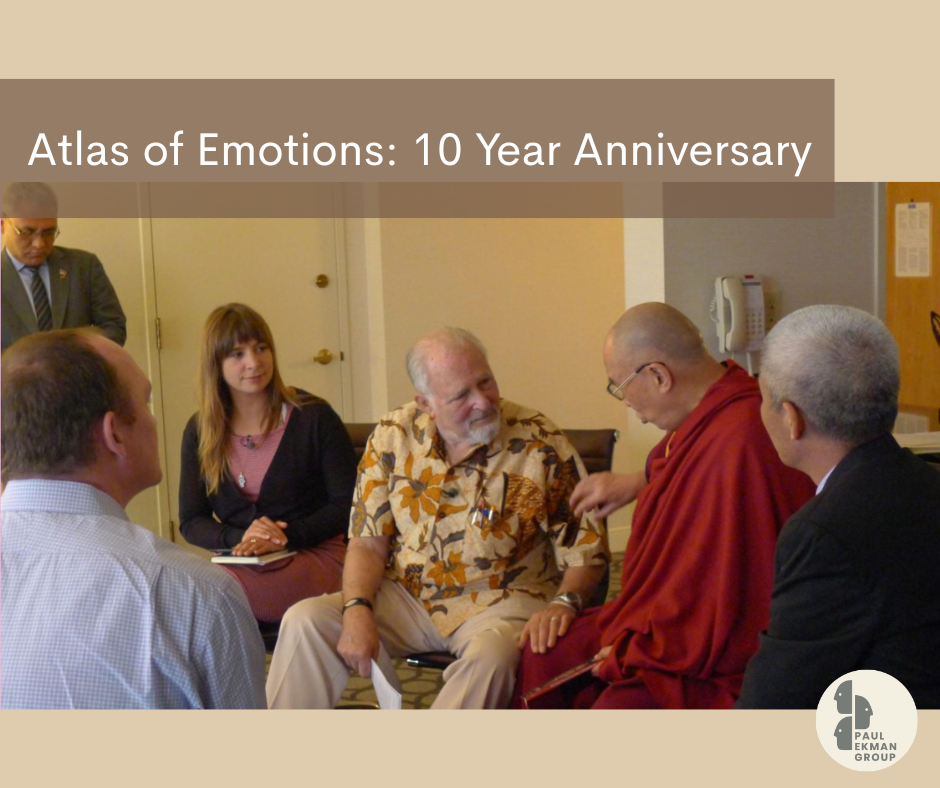
The vision for the Atlas extended beyond mere scientific classification. It sought to bridge the gap between complex psychological theory and practical, everyday understanding. This interdisciplinary approach is vividly captured in recently released, never-before-seen footage from a working meeting between Dr. Paul Ekman, Dr. Eve Ekman, and His Holiness the Dalai Lama. This behind-the-scenes glimpse reveals the collaborative spirit and intellectual synergy that characterized the project’s development. The footage showcases the trio engaged in a deep review of the Atlas in its formative stages, demonstrating a dynamic exchange of ideas that integrated rigorous psychological research, sophisticated graphic design, and the profound contemplative wisdom of the Dalai Lama. This fusion of scientific inquiry, artistic representation, and spiritual insight was instrumental in shaping the Atlas into a tool that is both intellectually robust and deeply humanistic.
A Decade of Impact: From Launch to Global Recognition
The official launch of the Atlas of Emotions in 2016 immediately garnered significant international attention. Prominent media outlets recognized the project’s innovative approach to demystifying emotional complexity and making psychological insights accessible to a broad audience. The New York Times, in a notable piece published in May 2016, highlighted the collaboration between the Dalai Lama and Dr. Ekman, emphasizing the website’s groundbreaking effort to map emotions and its potential to educate the public. This early recognition served as a powerful catalyst, fostering widespread adoption and application of the Atlas across various sectors.
Over the past ten years, the Atlas of Emotions has been integrated into a multitude of environments, demonstrating its versatility and enduring relevance. In educational settings, it has served as a valuable resource for teachers and students alike, fostering emotional literacy and self-awareness from an early age. University courses in psychology, sociology, and education have incorporated the Atlas into their curricula, providing students with a tangible tool to explore emotional concepts.
Within the realm of mental health, therapists and counselors have leveraged the Atlas to enhance their therapeutic interventions. It offers a shared language and visual aid for clients to articulate their feelings, identify emotional triggers, and develop healthier coping mechanisms. This has been particularly impactful in addressing issues related to emotional regulation, interpersonal conflicts, and the processing of trauma.
The research community has also benefited from the Atlas. It has provided a standardized framework for researchers investigating emotional responses, cross-cultural differences in emotional expression, and the neurological underpinnings of affect. Its accessibility has also encouraged citizen science initiatives, allowing individuals to contribute to a broader understanding of emotional experiences.
Beyond formal settings, the Atlas has found its way into everyday conversations, empowering individuals to better understand their own emotions and those of others. This has the potential to foster greater empathy, improve communication, and build stronger interpersonal relationships in families, workplaces, and communities. The impact is not merely academic; it is deeply personal and socially transformative.
Gathering Feedback: Shaping the Future of Emotional Understanding
As the Atlas of Emotions celebrates its tenth anniversary, the team is actively looking towards the future and seeking valuable input from its users. A crucial aspect of this forward-looking strategy involves understanding how the Atlas has been utilized and the tangible benefits it has provided. To this end, an initiative has been launched to collect user experiences and insights. This feedback mechanism is designed to capture how individuals have employed the Atlas of Emotions in their lives, what new perspectives it has afforded them, and what changes it has inspired.
The call for contributions is framed as an invitation to "Help Shape What Comes Next." Users are encouraged to share their personal journeys with the Atlas, detailing how it has illuminated their understanding of emotions, facilitated personal growth, or influenced their interactions. This direct engagement with the user base is vital for identifying areas of strength, potential improvements, and emergent applications of the framework. The collected feedback will serve as an invaluable guide for the ongoing development and evolution of the Atlas, ensuring its continued relevance and impact.
The dedicated feedback form, accessible via a provided link, represents a crucial step in this ongoing dialogue. By contributing their experiences, users become active participants in the future trajectory of this important project. This collaborative approach underscores the commitment to making the Atlas a living, evolving resource that adapts to the changing needs and understanding of its global community.
The Next Chapter: Enhancements and New Publications
The tenth anniversary also heralds exciting developments for the Atlas of Emotions. Significant updates are planned for the online, interactive version of the Atlas, promising an enhanced user experience and potentially new features designed to deepen engagement with emotional concepts. These updates are anticipated to build upon the existing foundation, offering more dynamic ways to explore the intricate web of human emotions.
Furthermore, Dr. Eve Ekman is currently engaged in the development of an "Atlas of Emotions" book. This forthcoming publication, slated for release in 2027, represents a significant expansion of the original project. The book is expected to delve deeper into the foundational principles of the Atlas, offering a more comprehensive exploration of emotional science, updated insights derived from a decade of research and application, and novel approaches to understanding and navigating the emotional landscape that profoundly shapes human lives. This literary endeavor aims to provide a more in-depth and curated experience for readers, consolidating the knowledge and impact of the Atlas into a tangible and enduring format.
The announcement list for the book’s release provides an opportunity for interested individuals to stay informed about its progress and be among the first to access this new body of work. This continued commitment to expanding and disseminating knowledge about human emotions underscores the enduring significance of the Atlas of Emotions and its creators’ dedication to fostering greater emotional intelligence and well-being worldwide. The evolution of the Atlas, from its initial conception to its ongoing development and upcoming publications, reflects a sustained effort to empower individuals with the tools to better understand, manage, and navigate the complex world of human emotions.
