

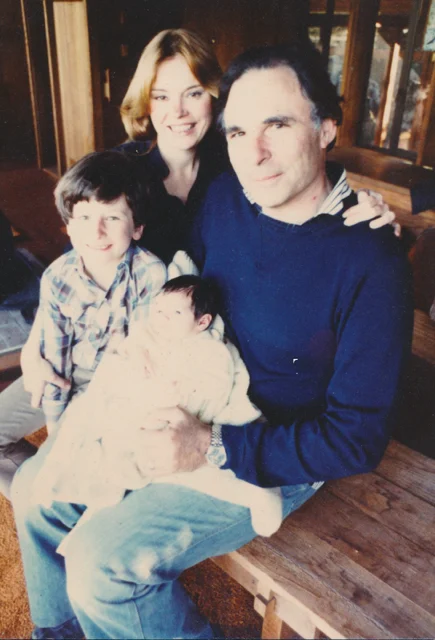
San Francisco, CA, November 17, 2025 – The scientific community and the world at large are mourning the loss of Dr. Paul Ekman, a towering figure in psychology whose groundbreaking research irrevocably shaped our understanding of human emotion, facial expressions, deception detection, and compassion. Dr. Ekman, a celebrated psychologist and professor emeritus at the University of California, San Francisco, passed away peacefully at his home on November 17, 2025, at the age of 91, surrounded by his family.
For over six decades, Dr. Ekman’s relentless pursuit of knowledge illuminated the intricate landscape of human emotional experience. His pioneering work, often conducted in challenging and remote corners of the globe, provided compelling evidence for the universality of certain facial expressions and the physiological underpinnings of emotions across diverse cultures. This paradigm-shifting research not only revitalized the field of emotion science but also spurred innovation and application across a wide spectrum of disciplines, including psychology, anthropology, education, law enforcement, national security, and beyond.
A Lifelong Journey of Discovery
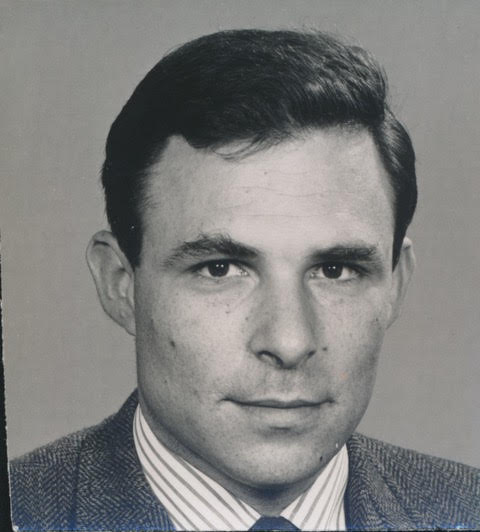
Born in Brooklyn, New York, in 1934, Paul Ekman’s intellectual journey began early. His fascination with human behavior and the subtle nuances of communication laid the foundation for a career that would redefine how we perceive and interpret emotional states. After earning his Ph.D. in Psychology from Adelphi University in 1958, Dr. Ekman embarked on a career marked by rigorous empirical investigation and an unwavering commitment to scientific truth.
His early research, often in collaboration with Wallace Friesen, focused on identifying universal facial expressions associated with basic emotions such as happiness, sadness, anger, fear, surprise, disgust, and contempt. Traveling to cultures that had had minimal contact with the outside world, including Papua New Guinea, Dr. Ekman meticulously documented facial expressions and their corresponding emotional states. The findings were groundbreaking: these core expressions appeared to be recognized and produced spontaneously across vastly different cultural contexts, challenging prevailing theories that viewed emotional expression as purely a social construct.
This pivotal research culminated in the development of the Facial Action Coding System (FACS) in the early 1970s. FACS is a comprehensive, anatomically based system for describing all observable facial movements. It provides an objective, objective method for quantifying facial expressions by breaking them down into their constituent muscular actions, known as Action Units (AUs). The development of FACS provided researchers, clinicians, and investigators with a standardized, universally applicable tool for analyzing facial behavior, moving the study of emotion from subjective interpretation to rigorous scientific measurement.
Revolutionizing the Understanding of Deception and Microexpressions
Beyond the study of universal emotions, Dr. Ekman’s work delved into the complex realm of deception. His research on lying and lie detection, particularly his exploration of microexpressions – fleeting, involuntary facial expressions that reveal a person’s true emotional state – garnered widespread attention. Microexpressions, often lasting only a fraction of a second, can betray concealed emotions, offering a window into an individual’s inner feelings that may be masked by deliberate attempts to deceive.
Dr. Ekman’s development of Micro Expression Training Tools (METT) and related training programs has empowered professionals in fields such as law enforcement, intelligence, and psychology to better identify deception and understand emotional nuances. The effectiveness of these tools has been recognized globally, with law enforcement agencies and government organizations incorporating Ekman’s methodologies into their training protocols.
Bridging Science and Spirituality: The Dalai Lama Collaboration
A significant chapter in Dr. Ekman’s career was his profound friendship and intellectual collaboration with His Holiness the 14th Dalai Lama. This unique partnership, spanning decades, sought to bridge the scientific understanding of emotions with the wisdom of contemplative traditions. Their shared commitment to promoting compassion and alleviating human suffering led to the co-authored book and webisode series, Developing Global Compassion. This work explored the scientific underpinnings of compassion and offered practical strategies for cultivating it in individuals and societies.
This collaboration also fostered a deep partnership between Dr. Ekman and his daughter, Dr. Eve Ekman. Together, they were instrumental in the development of the Atlas of Emotions, an interactive online tool designed to enhance emotional literacy and insight. This ambitious project, a collaboration with the Dalai Lama Center for Ethics and Transformative Values, provides a framework for understanding the complex interplay of emotions, helping users navigate their emotional landscapes with greater clarity and self-awareness. Furthermore, their joint efforts led to the establishment of Cultivating Emotional Balance (CEB), a program that integrates contemplative practices with scientific research to promote emotional well-being and resilience.
A Legacy of Impact and Accessibility
Dr. Ekman’s influence extended far beyond academic circles, reaching millions through his bestselling books, including Emotions Revealed and Telling Lies. His work also captured the public imagination through the critically acclaimed television series Lie to Me, which dramatized the application of microexpression analysis in solving crimes. The series, inspired by Dr. Ekman’s research, brought the science of deception detection and emotional forensics to a broad audience, sparking widespread interest in his theories. He also served as a scientific advisor for Pixar’s animated film Inside Out, a testament to his ability to translate complex scientific concepts into accessible and engaging narratives for audiences of all ages.
Enduring Influence and Future Directions
The Paul Ekman Group, now under the astute leadership of his daughter, Dr. Eve Ekman, continues to champion Dr. Ekman’s mission. The organization remains dedicated to making the science of emotional awareness, empathy, and truthfulness accessible worldwide through cutting-edge education and training programs. Dr. Eve Ekman, a contemplative social scientist in her own right, is poised to carry forward her father’s legacy, building upon his foundational work while exploring new frontiers in emotional science and its applications.
Reactions from the Scientific Community and Beyond
The news of Dr. Ekman’s passing has elicited widespread tributes from colleagues, former students, and admirers. Robert W. Levenson, Ph.D., from the Department of Psychology at the University of California, Berkeley, shared, "Paul brought his remarkable intellect, observational skills, and unflagging energy to illuminate the ways we express and feel our emotions and how they are embodied in our physiology. His research, theorizing, and ideas for how emotions could be harnessed in service of the greater good galvanized what was a small niche area of research into a vibrant and thriving research area that will continue to be hugely influenced by his work and vision."
Dr. Eve Ekman eloquently expressed the personal and professional impact of her father’s life: "My dad’s commitment to rigorous science, love of discovery, and dedication to alleviating pain from destructive emotions were at the very core of his brilliant mind and accomplishments. However, his huge heart and ability to vulnerably share his own struggles with emotions were what made him beloved by so many. He was an incredibly loving dad – a lover of life and unrelentingly curious."
The implications of Dr. Ekman’s work are vast and enduring. His research has provided invaluable tools for enhancing communication, improving interpersonal relationships, and fostering greater understanding in diverse fields. In law enforcement and security, his insights into deception detection have aided investigations and national security efforts. In clinical psychology, his work has informed therapeutic approaches to managing and understanding emotional distress. In education, his emphasis on emotional intelligence has underscored the importance of social-emotional learning for student development.
Honoring a Giant of Psychology
As the world reflects on Dr. Paul Ekman’s extraordinary contributions, a documentary celebrating his life and scientific legacy is currently in development. This film aims to capture the essence of his groundbreaking research and his profound impact on our understanding of what it means to be human. Those wishing to support the completion of this tribute can find more information and contribute at https://www.wmm.com/sponsored-project/emotions-revealed-the-life-and-work-or-dr-paul-ekman/.
The Paul Ekman Group is also inviting colleagues, students, and readers worldwide to share their reflections, stories, photographs, and messages of appreciation. These contributions will be compiled on a memorial page dedicated to celebrating Dr. Ekman’s life and enduring legacy.
Dr. Ekman is survived by his children, Eve Ekman and Tom Ekman, and a wide circle of cherished friends and colleagues who formed a family of the heart. His passing marks the end of an era, but his profound legacy will continue to inform, inspire, and guide generations of researchers, practitioners, and individuals striving to understand and navigate the complex tapestry of human emotion.
