

The integration of visually stimulating and interactive learning environments is increasingly recognized as a cornerstone of effective pedagogical practice, particularly within specialized educational fields such as speech-language pathology. Speech-Language Pathologists (SLPs) are strategically deploying winter-themed bulletin board strategies to not only brighten therapy spaces but also to significantly bolster student engagement, facilitate learning, and improve communication skills. This proactive approach categorizes bulletin board designs into three key types: demonstrative, interactive, and functional, each serving distinct yet complementary roles in the therapeutic process. This article delves into the methodologies, benefits, and broader implications of these innovative visual aids, highlighting their capacity to transform traditional therapy rooms into dynamic learning hubs.
The Evolving Landscape of Speech-Language Pathology and the Role of Environmental Design
Speech-language pathology in educational settings is a complex and demanding field. SLPs manage diverse caseloads, addressing a wide spectrum of communication disorders, including articulation, phonological processing, apraxia, language delays, and fluency issues. The efficacy of therapy is not solely dependent on the direct intervention methods but also significantly influenced by the environment in which these interventions occur. Historically, therapy rooms might have been perceived as purely clinical spaces. However, contemporary approaches emphasize creating holistic, engaging, and supportive environments that are conducive to learning and skill acquisition. This shift reflects a broader understanding that active engagement and a positive emotional connection to the learning space can dramatically enhance therapeutic outcomes.

SLPs face ongoing challenges, from time constraints and caseload demands to the necessity of maintaining student motivation across extended therapy periods. In this context, every tool that can amplify learning and streamline professional processes becomes invaluable. Environmental design, specifically through well-conceived bulletin boards, offers a cost-effective and highly adaptable solution to these challenges, transforming passive spaces into active instructional aids.
The Pedagogical Imperative: Why Strategic Visual Aids are Essential
Visual learning is a fundamental aspect of human cognition, and for students undergoing speech therapy, visual cues and representations can be particularly impactful. Bulletin boards, when designed with therapeutic goals in mind, serve multiple pedagogical functions. They create an inviting and stimulating atmosphere, making the therapy room less intimidating and more appealing to students. Beyond aesthetics, they bridge the gap between abstract therapeutic concepts and concrete, observable learning, thereby reinforcing lessons learned during direct therapy sessions.
By integrating educational content into the physical environment, bulletin boards provide continuous exposure to target sounds, vocabulary, or communication strategies. This passive learning, occurring as students enter or exit the room or await their sessions, contributes to skill generalization and retention. For many students, particularly those with language processing difficulties or attention challenges, visual prompts can significantly aid comprehension and recall, making the learning process more accessible and less reliant on auditory memory alone.
Strategic Implementation: A Seasonal Approach to Sustained Engagement
Effective SLPs often integrate bulletin board planning into their annual professional calendars, recognizing the value of rotating themes to maintain student interest and align with broader school-year narratives. The use of seasonal themes, such as winter, offers a natural framework for refreshing content and introducing new activities. This systematic approach ensures that the visual environment remains dynamic and relevant, preventing student fatigue and continuously offering novel engagement opportunities.
For instance, the transition to winter provides a wealth of thematic possibilities—snowflakes, snowmen, sledding, hot chocolate—that can be seamlessly integrated with speech and language targets. This seasonal alignment not only makes therapy more enjoyable but also connects therapeutic goals to real-world experiences, enhancing the relevance and applicability of learned skills. During periods like back-to-school, interactive or functional boards might be prioritized to introduce new students and families to the therapy process, while demonstrative boards might gain prominence later in the year to celebrate progress.
Category 1: Demonstrative Bulletin Boards – Showcasing Achievement and Inspiring Peers

Demonstrative bulletin boards serve as dynamic galleries for student-created work, offering tangible evidence of their therapeutic journey and accomplishments. These boards are not merely decorative but are powerful tools for fostering pride, motivating continued effort, and allowing peers to learn from each other’s progress. The act of creating something that will be publicly displayed instills a sense of ownership and accomplishment, which can be particularly impactful for students who may struggle in other academic areas.
Two prominent examples for winter themes include the Snowflake Paper Strip Craft and the Snowman Articulation Chop, both designed for ease of preparation and integration into therapy sessions.
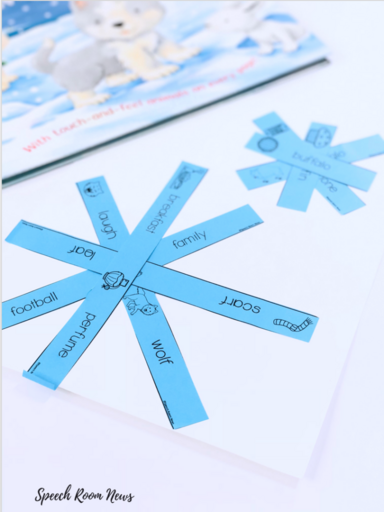
The Snowflake Paper Strip Craft: This "fake crafting" technique is lauded for its simplicity and minimal prep time, making it ideal for busy SLPs. Students utilize pre-cut paper strips, often printed on colored computer paper or cardstock for increased resistance (beneficial for fine motor skill development). After practicing target words, phrases, or sentences related to their speech goals, students assemble these strips into snowflake designs. This activity simultaneously targets articulation, language processing, sequencing, and fine motor skills. For instance, each strip could represent a word containing a target phoneme, or a step in a narrative, requiring the student to produce the word or phrase accurately before adding it to their snowflake. The completed snowflakes, each a unique representation of a student’s effort and progress, are then displayed on the bulletin board. As one SLP noted, "Showcasing student work not only celebrates their achievements but also provides tangible evidence of their therapeutic journey, fostering a sense of accomplishment that often extends beyond the therapy room."
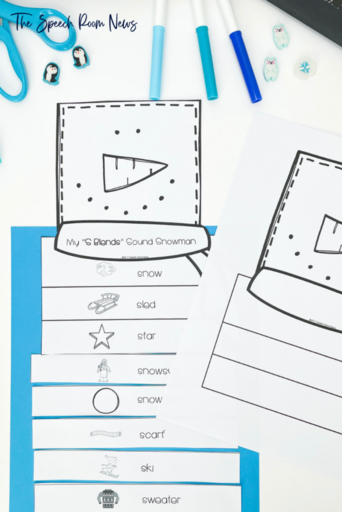
The Snowman Articulation Chop: This craftivity further exemplifies the demonstrative category, combining articulation practice with a simple, engaging craft. Students are provided with two pages of pre-designed strips, each containing words or phrases targeting specific speech goals. After practicing these words, they cut out the strips and assemble them to form a snowman figure. The "chopping" action of cutting can be linked to syllable segmentation or phoneme isolation, adding another layer of therapeutic value. The visual assembly of the snowman provides immediate feedback on their progress and a sense of completion. This simple activity reinforces articulation accuracy, develops fine motor coordination, and provides a clear, celebratory outcome for students to proudly display. Occasionally, students might add personalized touches like coloring a carrot nose or crafting a black hat, further investing them in the project.
Category 2: Interactive Bulletin Boards – Fostering Active Engagement and Multisensory Learning
Interactive bulletin boards are designed to engage students directly, inviting them to manipulate elements, answer questions, or practice skills as they pass by or wait for therapy. This hands-on approach transforms passive observation into active learning, making therapeutic concepts more "sticky" and encouraging independent practice. The dynamic nature of these boards supports multisensory learning, which is particularly effective for students with diverse learning styles and those requiring reinforced sensory input for skill acquisition.
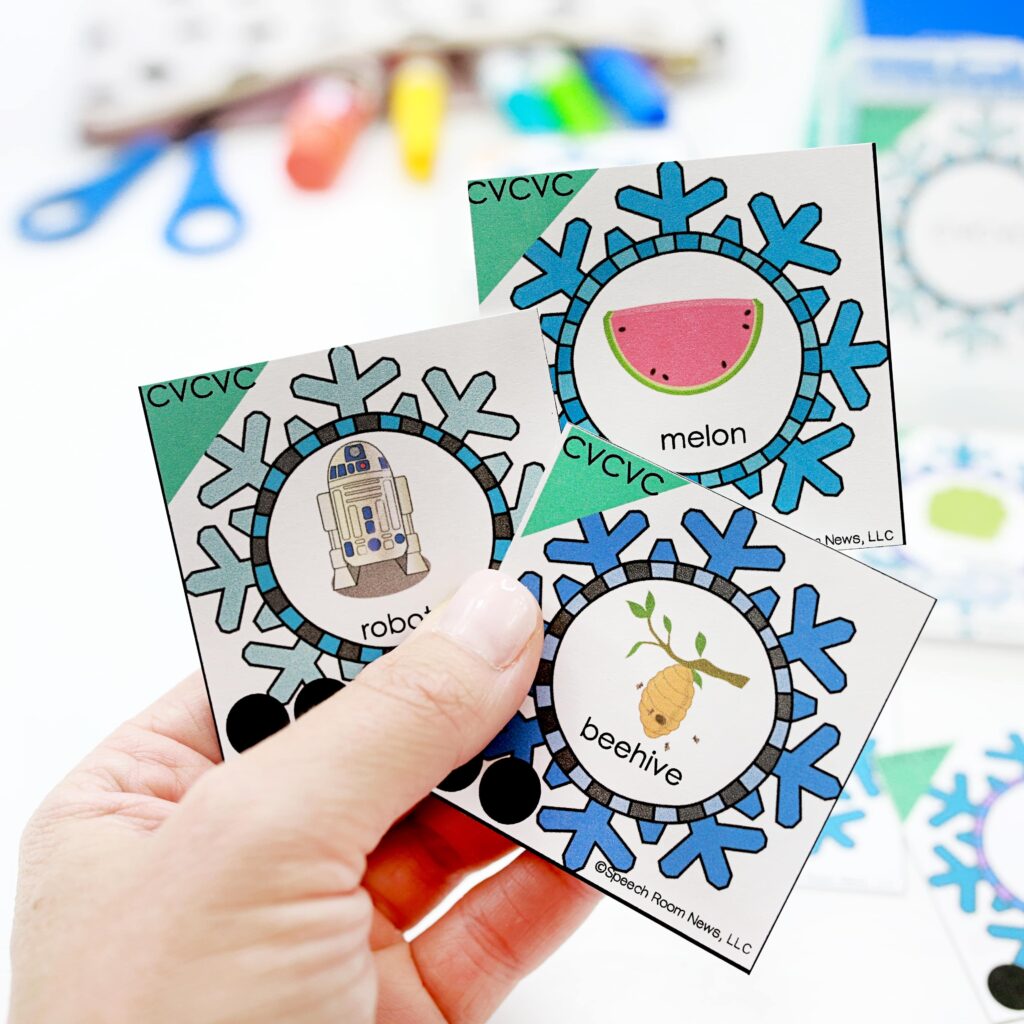
Falling Flakes: Apraxia Snowflakes: This interactive set specifically targets Childhood Apraxia of Speech (CAS) by providing visual and tactile cues for syllable production. Each snowflake card features an image and a word, accompanied by black dots in the bottom left corner. These dots correspond to the number of syllables, guiding students to touch each dot as they produce the sound, thereby emphasizing multisensory practice. The cards are further organized by color and syllable pattern, simplifying the SLP’s selection and the student’s learning process. A large poster snow globe with Velcro dots is displayed on the bulletin board. Students attach the corresponding snowflake cards to the globe, practicing their sounds as they do so. This setup allows for repetitive practice in a playful, self-directed manner, reinforcing motor planning for speech production. The ability to physically manipulate the snowflakes helps solidify the connection between the visual, auditory, and kinesthetic aspects of speech.
Falling Flakes: Phonology Activities: Similar in concept, this interactive set focuses on phonological disorders, primarily utilizing minimal pairs. Each snowflake card presents an image and word, with organizational cues via color and pattern in the top left corner. A poster-sized globe, affixed to the bulletin board with multiple Velcro dots, serves as the central interactive element. Students attach and remove snowflake cards, practicing the minimal pairs as they engage with the display. The physical act of placing and retrieving cards reinforces phonological contrasts and promotes auditory discrimination. The availability of other winter-themed posters allows for thematic variety throughout the season, maintaining novelty. As a classroom teacher observed, "Students are naturally drawn to interactive displays; it transforms passive observation into active learning, making therapy concepts stickier and more accessible for all learners."
Category 3: Functional Bulletin Boards – Empowering Parents and Generalizing Skills
Functional bulletin boards extend the therapeutic reach beyond the therapy room by providing practical, actionable information and resources for parents, caregivers, and other educators. These boards serve as vital communication hubs, fostering a strong home-school connection and facilitating the generalization of learned skills into everyday environments. The underlying principle is that consistent reinforcement at home significantly amplifies the impact of therapy received at school.
Winter Speech and Language Packet: Learning Through Play Handouts: This resource is a prime example of a functional bulletin board application. It provides parents with accessible handouts that outline strategies for enhancing communication skills through common winter activities. By offering concrete, easy-to-implement ideas, the board empowers parents to become active participants in their child’s therapy journey. The handouts cover a range of engaging activities, including:
- Snowball Fight: Encouraging descriptive language, turn-taking, and action verbs.
- Snowman Building: Practicing sequencing, spatial concepts, and vocabulary related to body parts and clothing.
- Sledding: Focusing on action words, prepositions, and safety instructions.
- Snow Fort Construction: Promoting problem-solving, planning, and collaborative communication.
- Making Snow Angels: Encouraging body awareness, following directions, and descriptive adjectives.
- Hot Chocolate Preparation: Targeting sequencing, vocabulary related to food and cooking, and sensory descriptions.
- Winter Clothing: Practicing categorizing, describing attributes, and functional vocabulary.
- Winter Walk: Fostering observational skills, describing the environment, and asking questions.
- Ice Skating: Focusing on action verbs, safety rules, and social interaction.
- Making Cookies: Enhancing sequencing, measurement concepts, and narrative skills.
The availability of a Spanish Version of this packet addresses the critical need for culturally and linguistically responsive resources, ensuring that communication support is accessible to a wider range of families. A school administrator commented, "Engaging parents with actionable strategies is crucial for reinforcing therapy goals outside the school environment. These functional boards serve as vital communication hubs, strengthening the partnership between home and school."
Supporting Data and Broader Implications
The strategic use of bulletin boards in speech therapy aligns with established pedagogical principles and research findings. Studies on visual aids consistently demonstrate their effectiveness in enhancing learning, retention, and comprehension, particularly for visual learners and those with specific learning disabilities. Positive learning environments are known to reduce anxiety, increase student motivation, and improve overall academic performance. Furthermore, research underscores the critical role of parent involvement in therapy outcomes; when parents are equipped with strategies and resources, the generalization of skills from the therapy room to the home environment is significantly improved. This approach also resonates with principles of Universal Design for Learning (UDL), which advocates for providing multiple means of engagement, representation, and action and expression to meet diverse learner needs.
The implications of these strategic bulletin board designs are far-reaching:
- For Students: They experience increased motivation, sustained engagement, and improved generalization of communication skills. The visual reinforcement and interactive elements reduce anxiety associated with learning new concepts and foster a more positive attitude towards therapy.
- For SLPs: These tools enhance professional efficiency by providing ready-made, engaging activities. They offer a creative outlet, allowing SLPs to personalize their spaces while maintaining therapeutic rigor. Ultimately, they contribute to improved therapy efficacy and strengthen rapport with students and families.
- For Schools: Such initiatives demonstrate a clear commitment to student support and create a more vibrant, positive learning environment. They can also serve as a point of pride, showcasing the innovative pedagogical practices within the institution.
- Long-Term Effects: By fostering a love for communication and integrating therapeutic goals into everyday life, these strategies contribute to the long-term success of students, reinforcing early intervention and supporting continued development.
In conclusion, the strategic deployment of winter-themed bulletin boards in speech-language pathology is far more than mere decoration. These demonstrative, interactive, and functional displays are integral pedagogical tools that drive student engagement, support multisensory learning, empower parents, and strengthen the vital home-school connection. By thoughtfully designing these visual aids, SLPs not only brighten their therapy rooms but also significantly enhance the effectiveness and reach of their critical work, ultimately contributing to improved communication outcomes for all students.
