

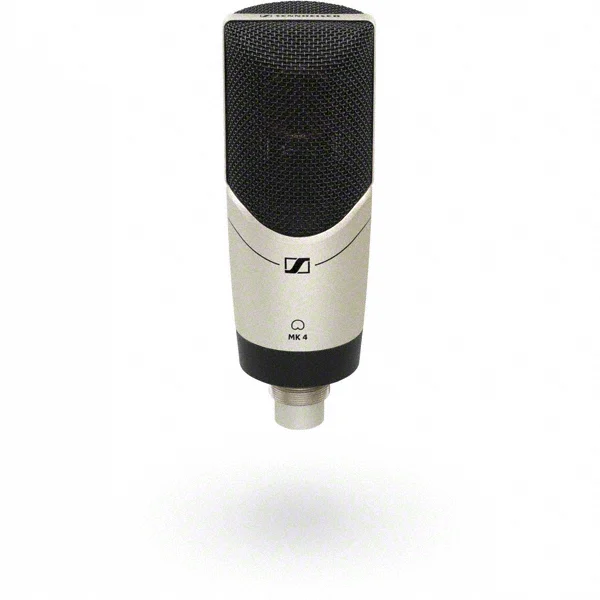
The quest for the perfect voice over microphone is a journey that balances sonic fidelity with practical considerations, from the burgeoning beginner to the seasoned professional. Understanding the nuances of microphone technology, from polar patterns to phantom power, is crucial for capturing the essence of a vocal performance. This comprehensive guide delves into the world of voice over microphones, offering insights into various types, essential technical specifications, and a curated list of recommended models across a spectrum of price points, empowering artists to make informed decisions that align with their artistic goals and financial realities.
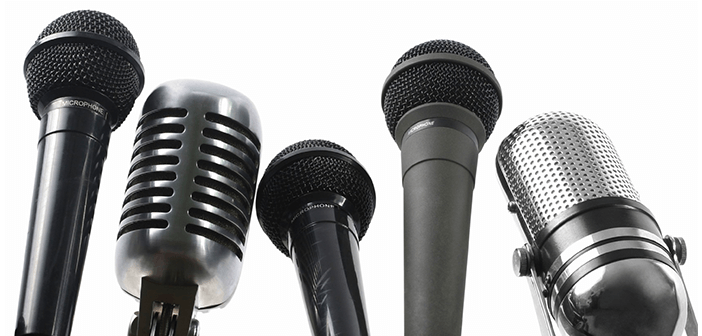
Understanding the Core of Vocal Recording: Microphone Fundamentals
At the heart of any professional voice over setup lies the microphone, the instrument responsible for translating vocal vibrations into electrical signals. The selection process involves a deep dive into several key technical aspects:
Phantom Power: The Unseen Energy Source
Many professional microphones, particularly condenser microphones, require an external power source to operate. This is known as phantom power, typically supplied at 48 volts through an XLR cable. It energizes the internal circuitry of the microphone, enabling it to convert subtle sound waves into usable audio signals. While the concept might seem intimidating, modern audio interfaces and mixers make its application straightforward, and it is a standard feature in professional audio equipment. Its absence in a microphone suggests a simpler, often dynamic, design that draws power differently or not at all.
USB Microphones: Convenience Meets Compromise
USB microphones have surged in popularity due to their plug-and-play simplicity, directly connecting to a computer without the need for an additional audio interface.
-
Advantages of USB Microphones:
- Ease of Use: Their primary appeal lies in their straightforward setup. Users can connect them via USB and begin recording almost immediately, making them ideal for beginners and podcasters.
- Portability: Their compact nature and all-in-one design make them highly portable for on-the-go recording.
- Cost-Effectiveness: Generally, USB microphones are more affordable than their XLR counterparts, especially when factoring in the cost of an audio interface.
-
Disadvantages of USB Microphones:
- Sound Quality Limitations: While improving, the internal preamplifiers and analog-to-digital converters in USB mics often cannot match the quality of dedicated external preamps and interfaces.
- Limited Upgrade Path: As audio setups evolve, a USB microphone often represents a dead end, requiring complete replacement rather than incremental upgrades.
- Connectivity: They are tethered to a computer’s USB port, limiting flexibility in complex studio setups.
Dynamic Microphones: Robustness and Reliability
Dynamic microphones are known for their durability and ability to handle high sound pressure levels (SPLs) without distortion. They operate by electromagnetic induction, where a diaphragm attached to a coil moves within a magnetic field.
-
Pros of Dynamic Broadcast Voice Over Mics:
- Durability: Their robust construction makes them ideal for demanding environments and frequent travel.
- High SPL Handling: They can capture loud sources without clipping or distortion, making them versatile.
- No Phantom Power Required: They are self-powered and do not require an external phantom power source.
- Cost-Effective: Many excellent dynamic microphones are available at competitive price points.
-
Cons of Dynamic Broadcast Voice Over Mics:
- Lower Sensitivity: Compared to condenser mics, they are less sensitive, meaning they may not capture the finest nuances of a very quiet or delicate performance.
- Less Detailed High Frequencies: They can sometimes lack the airy, detailed high-frequency response found in condenser microphones.
Large Diaphragm Condenser Microphones: Capturing Nuance and Detail
Large diaphragm condenser microphones are the workhorses of professional vocal recording due to their sensitivity and ability to capture a wide range of frequencies with exceptional detail. They utilize a thin, conductive diaphragm stretched across a fixed backplate, forming a capacitor.
-
Pros of Large Diaphragm Condenser Voice Over Mics:
- Sensitivity and Detail: They excel at capturing the subtle textures and nuances of a voice, providing a rich and detailed sound.
- Wide Frequency Response: They offer a broad and often flatter frequency response, accurately reproducing the source audio.
- Warmth and Presence: Many are lauded for imparting a pleasing warmth and presence to vocals.
-
Cons of Large Diaphragm Condenser Voice Over Mics:
- Fragility: Their delicate diaphragms can be susceptible to damage from moisture, impact, or extreme SPLs.
- Require Phantom Power: They necessitate an external phantom power source to operate.
- Room Sensitivity: Their high sensitivity means they can pick up more ambient noise and room reflections, requiring a treated recording space.
Decoding Polar Patterns: The Microphone’s Directionality
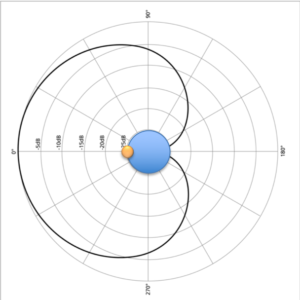
A microphone’s polar pattern describes its directional sensitivity – essentially, the areas around the microphone where it picks up sound most effectively. Understanding these patterns is crucial for isolating the desired vocal source and minimizing unwanted background noise.
- Omnidirectional: Picks up sound equally from all directions. Useful for capturing a natural room sound or multiple sources in close proximity, but generally not ideal for isolating a single voice.
- Cardioid: Picks up sound primarily from the front, with significant rejection from the rear and sides. This is the most common and practical pattern for voice over work, effectively minimizing ambient noise and room reflections.
- Supercardioid/Hypercardioid: Offer even tighter pickup from the front than cardioid but have a small lobe of sensitivity directly behind the microphone. These patterns provide greater isolation but require more precise positioning.
- Bidirectional (Figure-8): Picks up sound equally from the front and rear, with maximum rejection from the sides. This pattern is useful for interviews or duets where two sources are positioned on opposite sides of the microphone.
For most voice over artists, the cardioid polar pattern is the most essential feature, offering a balance of directivity and ease of use. Microphones like the Neumann U87, renowned for their versatility, offer switchable polar patterns, allowing for greater flexibility in various recording scenarios.
Essential Features: Pads and Connectors
Beyond polar patterns, two other features are worth noting:
Pads: Managing Loud Inputs
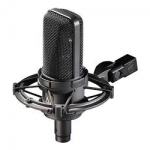
Pad switches, often found on condenser microphones, are attenuators that reduce the input signal level. While primarily useful for miking extremely loud sources like guitar amplifiers, they are generally not a critical feature for voice over work unless dealing with exceptionally loud vocal performances or specific acoustic environments.
Connectors: XLR vs. Jack
The type of connector a microphone uses dictates its connectivity and often its quality.
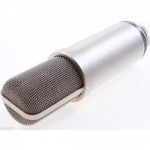
- XLR Connectors: These are the standard for professional microphones, featuring a 3-pin design. XLR cables are essential for microphones requiring phantom power, as they not only carry the audio signal but also the phantom power itself. Crucially, XLR cables are balanced, meaning they employ a noise-canceling system that significantly reduces interference picked up along the cable’s length, ensuring a cleaner, higher-quality audio signal.
- Jack Connectors (1/4-inch or 1/8-inch): These are more common in consumer audio equipment and are typically found on unbalanced cables. While convenient for direct instrument connections or some basic microphones, they are generally not recommended for professional voice over work due to their susceptibility to noise and interference. If a professional voice microphone only offers a jack output, it may indicate a less professional design or a product aimed at a different market segment.
Strategic Selection: Factors Influencing Your Choice
The "best" microphone is subjective and depends heavily on individual circumstances. Key considerations include:
- Your Voice: Every voice is unique. Some microphones accentuate certain frequencies, which can either enhance or detract from your vocal character. Experimentation is key.
- Type of Voice Work: Whether you’re targeting commercials, audiobooks, animation, or narration, different microphones might lend themselves better to specific genres.
- Recording Environment: The acoustics of your recording space play a significant role. A highly sensitive condenser mic will pick up more room noise in an untreated space than a dynamic mic.
- Budget: This is often the most significant determining factor. A well-chosen microphone within your budget will yield better results than an overpriced, underutilized professional model.
- Frequency Response: Microphones have varying frequency responses. A "flat" response aims to reproduce sound accurately without coloration. Some microphones, however, have a deliberate frequency boost or cut in certain ranges, which can affect the perceived character of your voice. For instance, a microphone with a pronounced high-frequency lift might make a female voice sound artificially sibilant.
A Curated List of Voice Over Microphones Across Budgets
This list provides a selection of microphones recognized for their quality and suitability for voice over work, categorized by general price range. Prices are approximate and can vary based on region and retailer.
Entry-Level to Mid-Range Options (Under $500)
These microphones offer excellent value and performance for those starting their voice over journey or working with a limited budget.
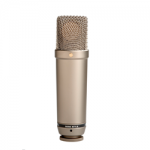
- Rode NT1/NT1-A (~$249/£200): A perennial favorite for beginners, the Rode NT1 series is known for its exceptionally low self-noise and neutral sound profile. While some audio engineers can identify the "Rode sound," its clarity and wide dynamic range make it a strong contender for newcomers.
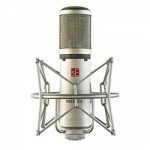
- sE Electronics sE2200a II C ($299): This versatile large-diaphragm condenser microphone offers an upfront sound with useful features like a high-pass filter and a 10dB pad, providing some sound-shaping capabilities and low self-noise.
- Lewitt LCT 440 Pure (£245): A more recent entrant that has garnered attention for its clear and crisp sound. Its unique open-front design, magnetic pop shield, and included shock mount add to its appeal at an accessible price point.
- Blue Yeti Pro ($249): While USB microphones are often a compromise, the Yeti Pro stands out. It offers the convenience of USB connectivity along with the option for XLR output and higher recording specifications, making it a versatile choice for those prioritizing ease of use and budget.
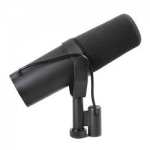
- Shure SM7B ($349): A legendary dynamic microphone, the SM7B is a staple in radio broadcast and podcasting. Its warm, clear sound, excellent off-axis rejection, and robust build make it ideal for home studios, though it requires a significant amount of gain from a preamplifier.
Professional Grade Microphones ( $500 – $1000)
These microphones represent a significant step up in audio fidelity and are often considered long-term investments for serious voice over professionals.
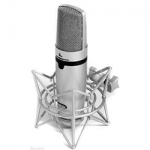
- Sennheiser MK4 (~$350/£300): Often cited as a top recommendation, the MK4 is a large-diaphragm condenser with a cardioid pattern. Its capsule was designed by the same team responsible for the esteemed Neumann U87, offering exceptional sound quality for its price. It’s robust, reliable, and sounds excellent on both male and female voices.
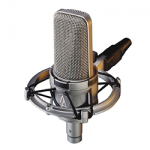
- Audio-Technica AT4033 ($399): This cardioid condenser microphone is praised for its transient response and clean output. It features a switchable 80Hz high-pass filter to reduce low-frequency rumble and pops, making it effective for close-up vocals.
- Rode NTK ($529): A tube condenser microphone, the NTK delivers a warm, clear, and rich sound often associated with vintage microphones. Its rugged construction ensures durability.
- Audio-Technica AT4047 ($699): Designed with a transformer-coupled output, this microphone evokes the sonic characteristics of classic FET studio microphones. It boasts low self-noise, a wide dynamic range, and high SPL capability, with a precision-machined brass acoustic element for stability and sensitivity.
- Miktek C7 ($899): This versatile large-diaphragm FET condenser microphone offers three selectable polar patterns (cardioid, omnidirectional, and bidirectional), making it suitable for a wide range of voice over applications, including interviews and dual-source recording.
High-End and Studio Standard Microphones ($1000+)
These are the pinnacle of microphone technology, often found in professional studios worldwide, offering unparalleled sonic performance and durability.
- Neumann TLM 103 ($1,099): Despite not being specifically designed for voice work, the TLM 103 is a highly recommended microphone by many voice actors. Its transformerless circuit ensures low self-noise and a wide dynamic range. While it can exhibit a slight high-frequency lift that may affect some female voices, its overall clarity and performance are exceptional.
- AKG C414 ($1100): A legendary studio microphone, the C414 is renowned for its versatility, offering multiple polar patterns, pad settings, and a flat frequency response. It’s a professional, robust choice for any serious voice artist.
- Neumann U87 ($3180/£2500): Widely considered the industry standard for vocal recording, the U87 is a true workhorse. Its exceptional build quality, performance, and switchable polar patterns make it a top-tier choice for those with a substantial budget. The Sennheiser MK4 is often cited as a highly capable alternative at a fraction of the cost.
- Sennheiser MKH 416 (Circa $700/£550): While often priced in the mid-to-high range, the MKH 416 is a hypercardioid shotgun microphone that has become a de facto standard in voice over, particularly for commercial work. Its ability to isolate sound and its ruggedness make it an excellent choice for travel and demanding environments. However, its hypercardioid pattern requires precise on-axis positioning. Many professionals pair a 416 with a large-diaphragm condenser for maximum flexibility.
The Journey to the Right Microphone
Choosing the best microphone for voice over work is a personal and iterative process. It begins with a clear understanding of your budget and your specific needs. The microphones listed above represent a spectrum of options, each with its unique strengths. Investing time in research, listening to sound samples, and, if possible, testing microphones in your own recording environment will ultimately lead you to the instrument that best captures the unique timbre and nuance of your voice, paving the way for a successful and fulfilling career in voice acting.
Embark on Your Voice Acting Journey: Free Resources Available
For aspiring voice actors seeking to establish their careers, invaluable resources are available. Download our FREE EBOOK on creating a thriving voice over business and enroll in our FREE mini-course. These tools are designed to help you leverage your natural talent and begin earning income in the voice acting industry.
