

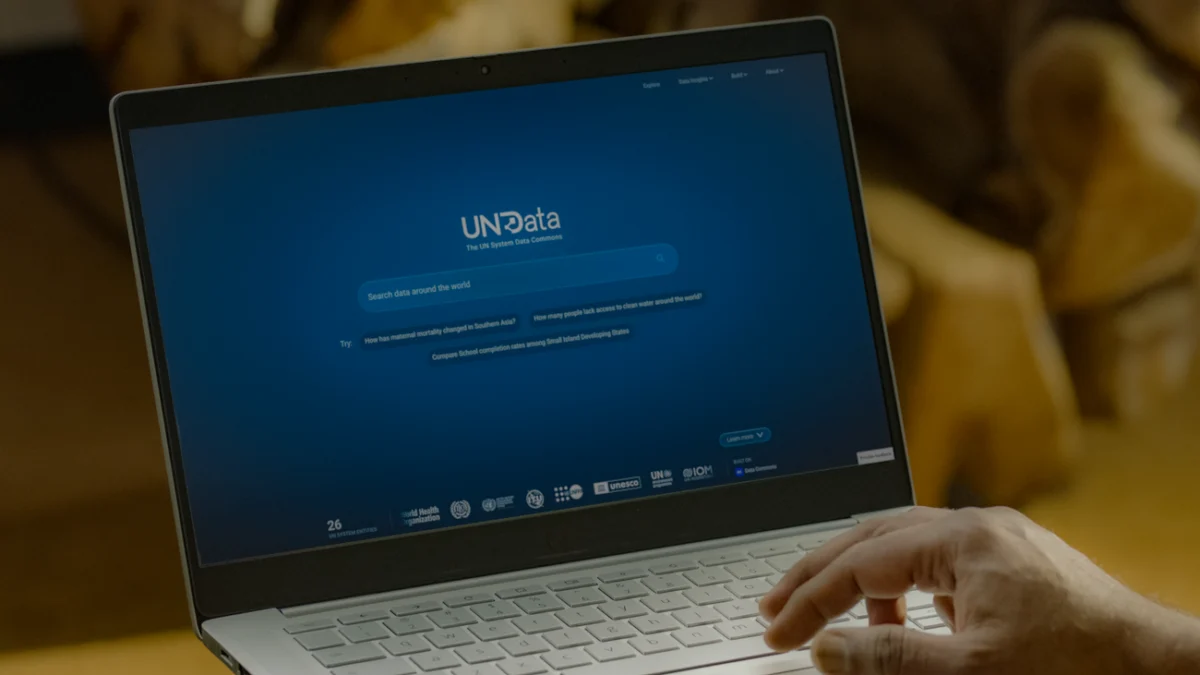
The United Nations system has officially launched the UN System Data Commons, a transformative open-source platform designed to unify the world’s most critical statistical information into a single, AI-ready repository. Developed in collaboration with Google and supported by the UN Foundation and Google.org, the initiative represents a significant leap forward in digital public infrastructure, aiming to eliminate the technical barriers that have historically hindered global progress tracking. By integrating disparate datasets from across various UN agencies into a cohesive "knowledge graph," the platform allows for real-time analysis of complex global challenges, ranging from public health crises to economic disparities. This launch marks a pivotal shift in how international organizations manage information, moving away from fragmented, siloed databases toward a centralized, interconnected ecosystem that is accessible to researchers, policymakers, and the general public.
Addressing the Fragmentation of Global Statistics
For decades, the United Nations has been the primary custodian of global data, with specialized agencies such as the World Health Organization (WHO), the Food and Agriculture Organization (FAO), and UNICEF collecting high-integrity statistics on human development. However, these datasets have traditionally existed in isolation, often formatted in incompatible ways. For a data analyst attempting to correlate climate change metrics with agricultural yields or maternal health outcomes, the process frequently required months of manual data cleaning and normalization. The UN System Data Commons addresses this "silo problem" by automatically harmonizing metrics, timelines, and geographic boundaries.
Prem Ramaswami, Head of Data Commons, emphasized that the platform is designed to allow analysts to spend less time on spreadsheet formatting and more time on high-level evidence-based solution design. By speaking a "common language," these previously disconnected datasets can now be queried simultaneously, revealing intersections that were previously hidden. For example, a user can now easily compare youth literacy rates against internet penetration across multiple regions without needing to navigate different agency websites or reconcile varying data standards.
The Evolution of UN Data: A Chronological Context
The journey toward the UN System Data Commons is rooted in the broader "Data Revolution" for sustainable development, a concept popularized following the 2014 report A World That Counts. This report, commissioned by the UN Secretary-General, called for better data to monitor the Sustainable Development Goals (SDGs).
In 2015, the adoption of the 2030 Agenda for Sustainable Development created an unprecedented demand for high-quality, timely data. Between 2015 and 2020, various UN entities launched individual dashboards, such as the SDG Indicators Database. While these were improvements, they still lacked the cross-functional integration necessary for holistic policy-making. In 2020, UN Secretary-General António Guterres launched the "Data Strategy of the Secretary-General for Action by Everyone, Everywhere," which set the stage for deeper collaboration between the UN and the private sector to build a more data-driven organization.
The partnership with Google began to take shape as the limitations of traditional databases became apparent in the face of the COVID-19 pandemic, which required immediate, cross-sectoral data integration. The current launch of the UN System Data Commons is the culmination of several years of technical alignment, leveraging Google’s existing Data Commons technology—an open-source project started in 2018 to organize the world’s public data.
Technological Architecture: AI-Readiness and Knowledge Graphs
At the core of the UN System Data Commons is the concept of a "knowledge graph." Unlike a traditional relational database, which stores data in rows and columns, a knowledge graph maps entities and the relationships between them. This structure is inherently "AI-ready," meaning it is optimized for machine learning models and large language models (LLMs) to traverse and understand.
The platform utilizes the Model Context Protocol (MCP), an open standard that enables AI agents to interact directly with the data. This allows for the deployment of "agentic research assistants"—specialized AI tools that can autonomously fetch authoritative figures, generate visualizations, and draft reports based on verified UN statistics. By grounding AI responses in trusted, official facts, the platform mitigates the risk of "hallucinations" often associated with generative AI, ensuring that users receive information that is technically sound and validated by UN statisticians.
Democratizing Access Through Natural Language
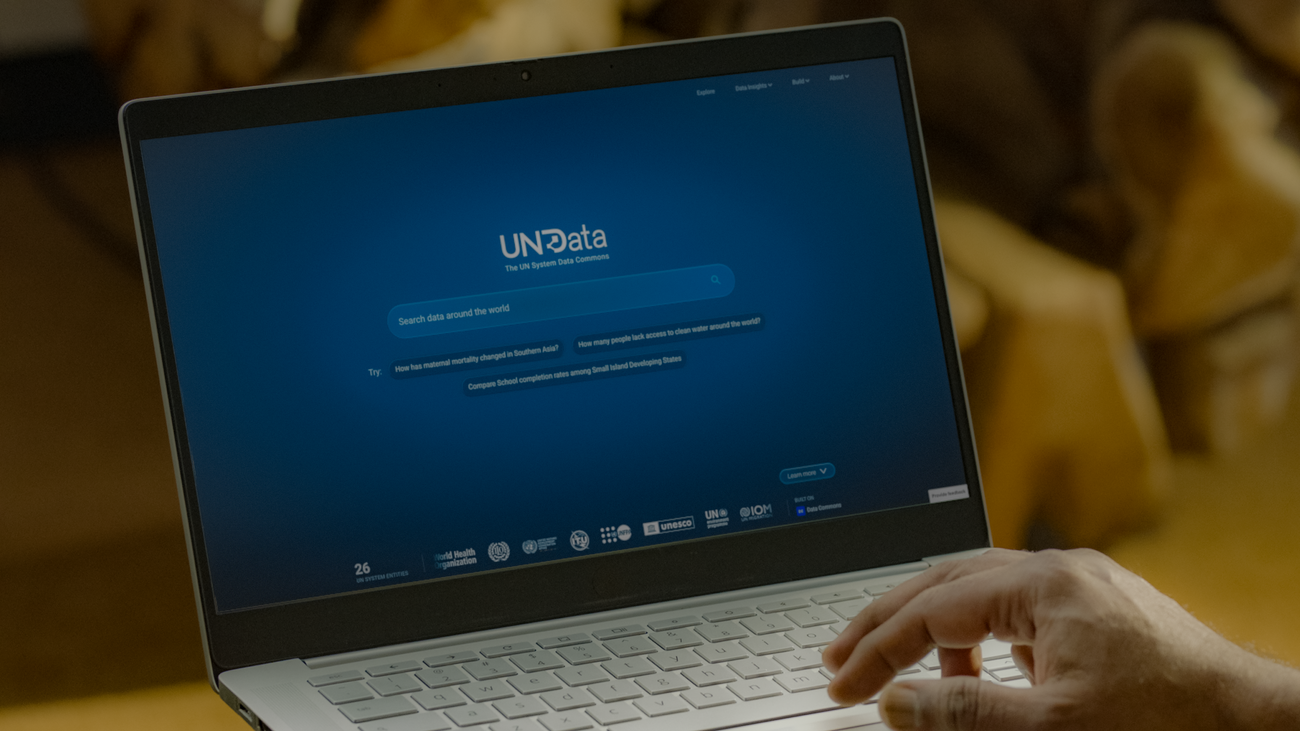
One of the most significant features of the new platform is its use of natural language processing (NLP). Historically, accessing complex statistical databases required specialized knowledge of query languages or advanced data science skills. The UN System Data Commons removes this barrier by allowing users to ask questions in plain English—and eventually other languages—to receive instant, interactive visualizations.
Potential queries range from simple demographic checks to complex socioeconomic comparisons, such as:
- "How has the poverty rate changed in sub-Saharan Africa compared to Southeast Asia over the last decade?"
- "Is there a correlation between carbon emissions and GDP growth in developing nations?"
- "Show me the trend of child immunization rates in conflict zones vs. stable regions."
The "Explore" tab further facilitates this democratization by providing filters for location and themes like health, education, and the environment. Additionally, the platform includes a blog section that translates raw data into narrative reports. A recent example highlights UNICEF data to explore effective interventions for reducing child poverty, providing policymakers with ready-to-use insights rather than raw numbers.
Supporting Data and Strategic Partnerships
The development of the UN System Data Commons was made possible through a multi-stakeholder partnership. Google.org provided financial and technical support to the UN Foundation, which acts as a bridge between the UN system and the private sector. This collaboration ensures that the platform remains an open-source public good, free from proprietary restrictions.
The initial release already includes a vast array of datasets, but the roadmap for the future is even more ambitious. The UN system has set a goal to include 80% of all UN system statistical datasets within the platform by 2027. This expansion will involve onboarding data from more niche entities, such as the International Labour Organization (ILO) and the International Telecommunication Union (ITU), further enriching the knowledge graph.
Statistical integrity is maintained through a rigorous validation process. Every dataset integrated into the platform undergoes review by UN technical experts. This ensures that while the delivery method is modern and AI-driven, the underlying data remains the "gold standard" of official global statistics.
Broader Implications for Global Policy and Governance
The launch of the UN System Data Commons has profound implications for international development and global governance. In an era of "polycrisis"—where climate change, economic instability, and geopolitical conflict intersect—the ability to make data-driven decisions is vital.
- Enhanced Transparency: By making data universally accessible, the platform holds governments and international bodies accountable. Citizens and journalists can independently verify progress on national and international commitments.
- Accelerated SDG Progress: With only a few years remaining until the 2030 deadline for the Sustainable Development Goals, the platform provides the "real-time" tracking necessary to identify which goals are lagging and where resources should be redirected.
- Scientific and Academic Advancement: Researchers can now bypass the "data cleaning" phase of their projects, potentially accelerating the pace of peer-reviewed studies on global issues.
- Closing the Digital Divide: By providing a free, high-tech tool to developing nations that may lack their own advanced data infrastructure, the UN is helping to level the playing field in global policy discourse.
Official Responses and Future Outlook
While the platform is now live at data.un.org, officials have cautioned that the human element remains essential. The platform’s documentation explicitly advises users to review underlying sources before citing critical figures in policy documents, emphasizing that AI assistants are tools for efficiency, not replacements for expert judgment.
The UN System Data Commons represents a new chapter in the digital transformation of the United Nations. By marrying the organizational reach of the UN with the technical prowess of Google, the project sets a new standard for how public data can be utilized in the 21st century. As more agencies contribute their data over the next three years, the platform is expected to become the definitive "operating system" for global development data, providing a clearer, more interconnected view of the world’s most pressing challenges and the progress being made to solve them.
