

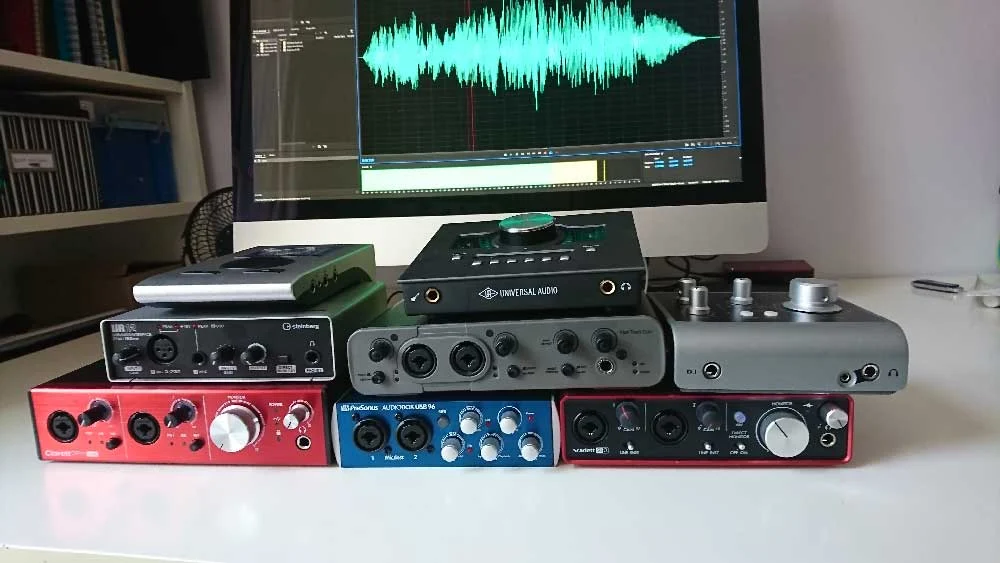
The quest for the perfect audio interface is a critical juncture for any voiceover artist aiming to elevate their craft from hobbyist to professional. This comprehensive guide delves into the intricacies of choosing the right audio interface, exploring the technical considerations, market offerings, and practical implications for voiceover work. As the digital audio landscape continues to evolve, understanding the nuances of these essential studio components is paramount for capturing pristine vocal performances and ensuring seamless integration into modern production workflows.
The Foundational Role of the Audio Interface in Voiceover Production
At its core, an audio interface acts as the crucial bridge between the analog world of your voice and the digital realm of your computer. It’s the device responsible for converting your microphone’s analog signal into a digital format that your Digital Audio Workstation (DAW) can process, and conversely, converting digital audio from your computer back into analog signals for monitoring through your speakers or headphones. For voiceover artists, where clarity, fidelity, and the absence of unwanted noise are paramount, the quality and features of an audio interface can directly impact the perceived professionalism and marketability of their work.
The market for audio interfaces is vast and can be overwhelming for newcomers. While recommendations from peers can be valuable, it’s crucial to approach them with a critical eye. The enthusiasm for a particular piece of gear can sometimes overshadow objective assessment, leading to potentially unsuitable purchases. This article aims to cut through the subjective noise by providing a structured approach to selection, grounded in technical requirements and practical application for voiceover professionals.
Deconstructing the Decision: Key Factors for Voiceover Artists
Choosing an audio interface is not a one-size-fits-all proposition. The ideal choice hinges on a careful evaluation of individual needs, current equipment, and future aspirations. Several key factors must be considered:
Input and Output Requirements
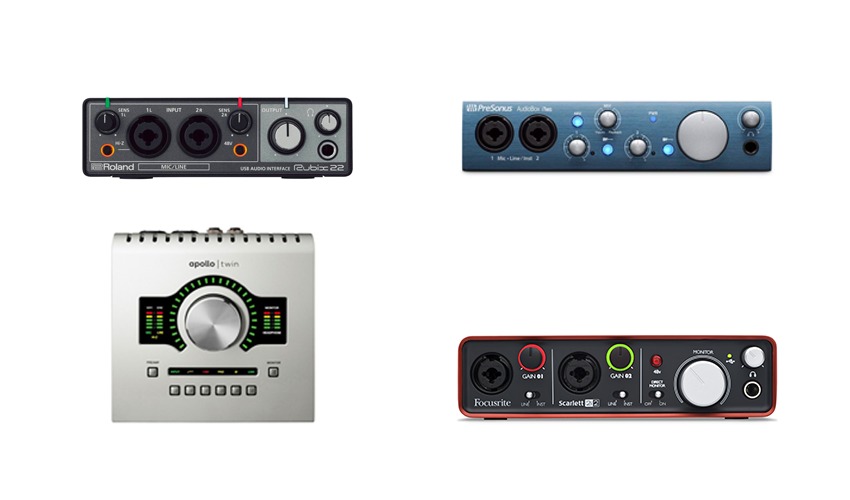
The most fundamental consideration is the number of inputs and outputs required. For solo voiceover artists primarily recording one microphone at a time, a simple interface with one or two microphone preamps (inputs) and a stereo output (for monitoring) is often sufficient. However, if collaboration, layering multiple vocal tracks simultaneously, or integrating external hardware like outboard preamps or processors is anticipated, more robust options with a greater number of inputs will be necessary. The number of outputs determines how many separate monitoring mixes can be created, which can be useful for directing remote clients or coordinating with other musicians.
Connectivity Options: USB, Thunderbolt, FireWire, and Ethernet
Audio interfaces connect to computers via various protocols, each with its own characteristics regarding speed, latency, and compatibility.
- USB: The most ubiquitous and widely compatible option, USB interfaces are found in a vast array of price points and configurations. USB 2.0 offers sufficient bandwidth for most single-voiceover recording needs, while USB 3.0 and higher provide increased speed and lower latency, beneficial for more complex setups.
- Thunderbolt: Offering significantly higher bandwidth and lower latency than USB, Thunderbolt is favored by professionals working with demanding workflows, such as large-scale orchestral recording or complex multi-track setups. It’s particularly prevalent on Apple Mac computers.
- FireWire: Once a popular choice for professional audio, FireWire has largely been superseded by Thunderbolt and newer USB standards due to its decreasing prevalence on modern computers.
- Ethernet (AoIP – Audio over IP): While less common in entry-level interfaces, Ethernet-based solutions are gaining traction in professional broadcast and studio environments for their scalability and long-distance signal transmission capabilities.
For most voiceover artists, a reliable USB interface will provide excellent performance. However, if a Thunderbolt-equipped computer is already in use, exploring Thunderbolt interfaces can offer advantages in terms of responsiveness and future-proofing.
Preamplifier Quality and Phantom Power
The microphone preamplifiers (preamps) within an audio interface are responsible for boosting the microphone’s weak signal to a usable line level. The quality of these preamps directly influences the clarity, warmth, and overall sonic character of the recorded voice. Higher-end interfaces typically feature more transparent and lower-noise preamps, contributing to a cleaner and more professional sound.
Phantom power (+48V) is a crucial feature for condenser microphones, which are the preferred choice for many voiceover professionals due to their sensitivity and detailed sound reproduction. Ensure the interface provides reliable phantom power if you intend to use a condenser microphone.
Latency: The Unseen Enemy of Performance
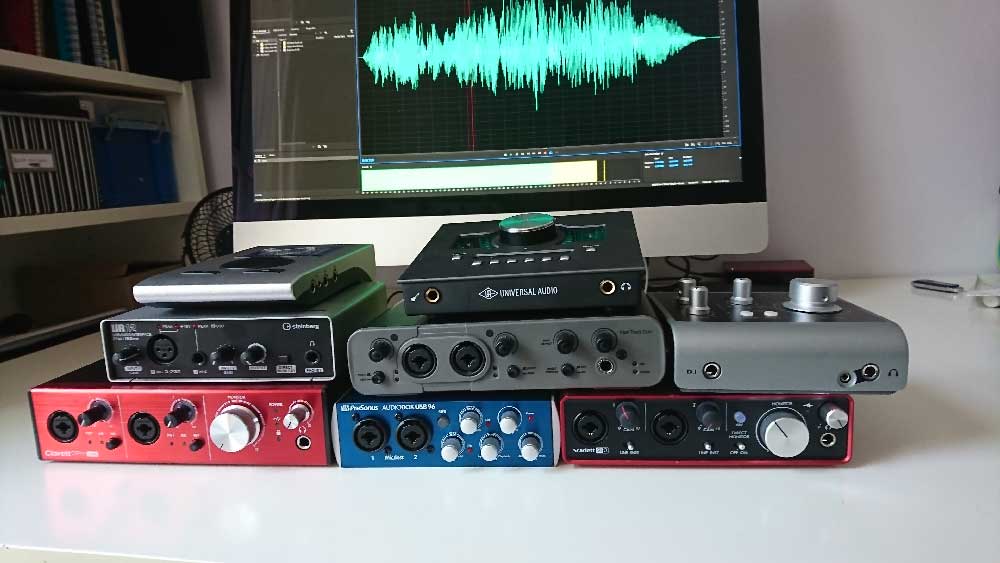
Latency refers to the delay between when a sound is produced and when it is heard back through the monitoring system. High latency can significantly hinder performance, making it difficult to perform in time with backing tracks or even to hear oneself clearly. While all digital audio processing introduces some latency, modern interfaces, particularly those with Thunderbolt or high-speed USB connections and efficient drivers, offer extremely low latency, often imperceptible to the human ear.
Software and Bundled Features
Many audio interfaces come bundled with software packages, including DAWs, virtual instruments, and effects plugins. While these can be a cost-effective way to build a studio setup, it’s essential to assess their practical value for voiceover work. Some DAWs are more geared towards music production, while others offer robust features for voice editing and post-production. The included plugins can enhance workflow, but their quality and relevance should be considered.
A Comparative Look at Popular Audio Interfaces for Voiceover
To illustrate the diverse offerings in the market, let’s examine some currently popular audio interfaces, considering their features, price points, and suitability for voiceover professionals. Audio samples, recorded with a Sennheiser MK4 microphone and a straightforward signal chain, are provided to allow for direct sonic comparison.
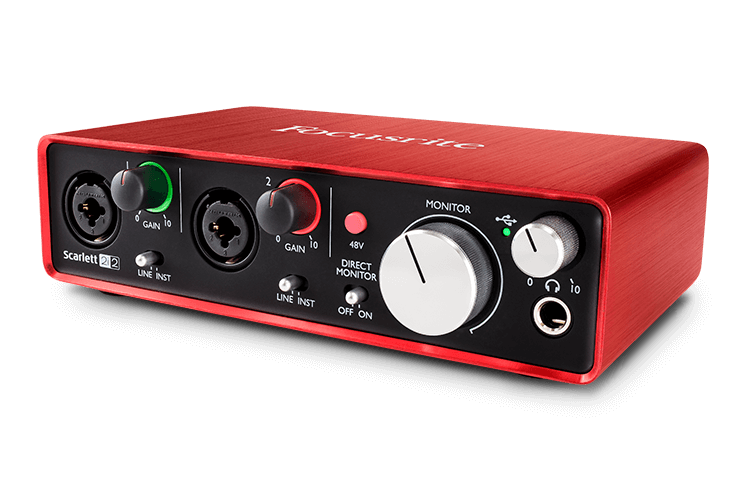
1. Focusrite Scarlett 2i2 (3rd Gen)
-
Price: Approximately £159 – $169 USD
-
Connectivity: USB 2.0
-
Inputs/Outputs: 2 Combi-XLR/TRS inputs, 2 Line outputs, 1 Headphone output
-
Key Features: Renowned for its user-friendliness and solid performance, the Scarlett 2i2 is a staple in many home studios. It offers two of Focusrite’s acclaimed "Air" enabled preamps, designed to add brightness and detail to vocals. The latest generation boasts improved converters for enhanced audio fidelity and a "Quick Start" tool for simplified setup. Bundled software often includes Ableton Live Lite and a suite of effects.
-
Analysis for Voiceover: The 2i2 is an excellent entry-level to mid-range option. Its simplicity makes it ideal for those new to audio interfaces, and the "Air" feature can be beneficial for adding a touch of polish to vocal recordings. The two inputs provide flexibility for recording with a partner or dual-micing for specific effects.
-
Audio Sample: [Link to Scarlett 2i2 WAV file]
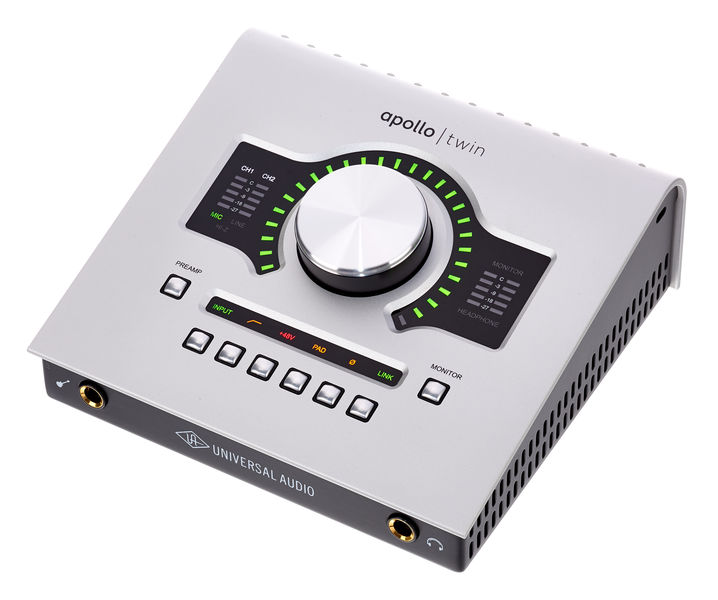
2. Universal Audio Apollo Twin X DUO
-
Price: Approximately £799 – $899 USD
-
Connectivity: Thunderbolt 3
-
Inputs/Outputs: 2 Unison™ Mic Preamps, 2 Line Inputs, 4 Line Outputs, 1 Headphone Output
-
Key Features: The Apollo Twin X is a professional-grade interface known for its superior audio quality, powerful onboard UAD-2 processing, and extensive plugin ecosystem. The "Unison" technology allows the interface’s preamps to emulate the sound of classic analog hardware. Its "Console" application provides a highly flexible routing matrix and real-time UAD plugin processing, enabling near-zero latency tracking with emulated outboard gear. It’s a favorite among many high-profile voiceover artists for its pristine sound and workflow enhancements.
-
Analysis for Voiceover: For those seeking the highest fidelity and professional workflow, the Apollo Twin X is a compelling choice. The ability to record with near-zero latency using emulated analog preamps and compressors is a significant advantage for achieving polished vocal takes. The expandable nature via optical inputs also offers future-proofing.
-
Audio Sample: [Link to UA Apollo Twin X WAV file]
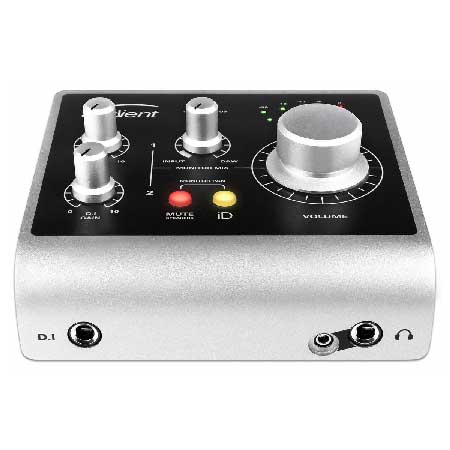
3. Audient iD4 (MKII)
-
Price: Approximately £129 – $199 USD
-
Connectivity: USB-C
-
Inputs/Outputs: 1 XLR Mic Input, 1 Instrument Input, 2 Line Outputs, 1 Headphone Output
-
Key Features: The iD4 is a compact and robust interface that punches above its weight in terms of audio quality. It features Audient’s renowned console microphone preamplifier, known for its clarity and low noise. The "Scroll Control" feature allows users to assign the main volume knob to control various parameters in their DAW or other software, enhancing workflow. The MKII version offers improved converters and USB-C connectivity.
-
Analysis for Voiceover: The iD4 is an excellent value proposition for voiceover artists prioritizing pristine sound quality in a compact form factor. Its single XLR input is ideal for solo performers, and the dedicated instrument input can be useful for occasional sound design elements. The intuitive design and high-quality preamp make it a strong contender for budget-conscious professionals.
-
Audio Sample: [Link to Audient iD4 WAV file]
4. RME Babyface Pro FS
-
Price: Approximately £649 – $759 USD
-
Connectivity: USB 2.0 (Class Compliant)
-
Inputs/Outputs: 2 XLR Mic/Line Inputs, 2 Instrument/Line Inputs, 4 Line Outputs, 2 Headphone Outputs
-
Key Features: RME is synonymous with exceptional driver stability, pristine audio quality, and innovative feature sets. The Babyface Pro FS is a highly portable yet incredibly powerful interface. It boasts two high-quality microphone preamps, a digital I/O, and RME’s TotalMix FX software, a sophisticated digital mixer offering extensive routing and monitoring capabilities. Its robust build and reliability make it a trusted choice for demanding professional environments.
-
Analysis for Voiceover: The Babyface Pro FS is a premium option for voiceover artists who demand uncompromising reliability and sonic accuracy. The driver stability is a significant advantage, minimizing the risk of audio dropouts during critical recording sessions. While its mixer can be complex, it offers unparalleled control over monitoring and routing once mastered.
-
Audio Sample: [Link to RME Babyface Pro FS WAV file]
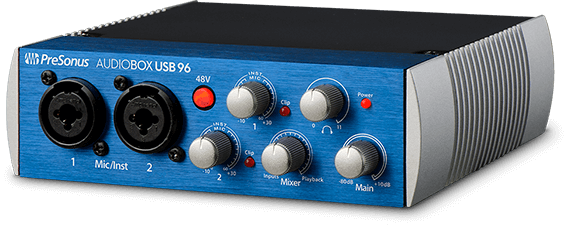
5. Steinberg UR12
-
Price: Approximately £89 – $99 USD
-
Connectivity: USB 2.0
-
Inputs/Outputs: 1 XLR Mic Input (with D-PRE), 1 1/4" Instrument Input, 2 Line Outputs, 1 Headphone Output
-
Key Features: The UR12 is a budget-friendly option from Steinberg, a renowned name in audio software and hardware. It features Yamaha’s D-PRE preamp, known for its clear and detailed sound. The interface also includes a feature allowing it to be powered via a USB battery pack, making it highly portable. It often comes bundled with Cubase AI.
-
Analysis for Voiceover: For those on a very tight budget or requiring a highly portable interface for on-the-go recording, the UR12 offers good value. The D-PRE preamp provides respectable audio quality for its price point, and the ability to run on battery power is a unique advantage for field recording or situations without readily available power outlets.
-
Audio Sample: [Link to Steinberg UR12 WAV file]
Broader Implications and Future Trends
The evolution of audio interface technology continues to push the boundaries of accessibility and quality. As digital signal processing becomes more powerful and efficient, we are seeing interfaces that offer increasingly sophisticated features at lower price points. The trend towards USB-C connectivity and higher sample rates (e.g., 192kHz) is becoming more prevalent, catering to the demands of modern audio production.
Furthermore, the integration of cloud-based collaboration tools and remote monitoring capabilities within audio interfaces is an emerging area. For voiceover artists who frequently work with clients and directors in different locations, interfaces that facilitate seamless remote session playback and even real-time, low-latency collaboration will become increasingly valuable.
Conclusion: Making an Informed Decision
The selection of an audio interface is a foundational decision that can significantly impact the quality and efficiency of a voiceover artist’s workflow. While there is no single "best" interface, a thorough understanding of individual needs, connectivity options, preamp quality, and software features will guide you toward the optimal choice.
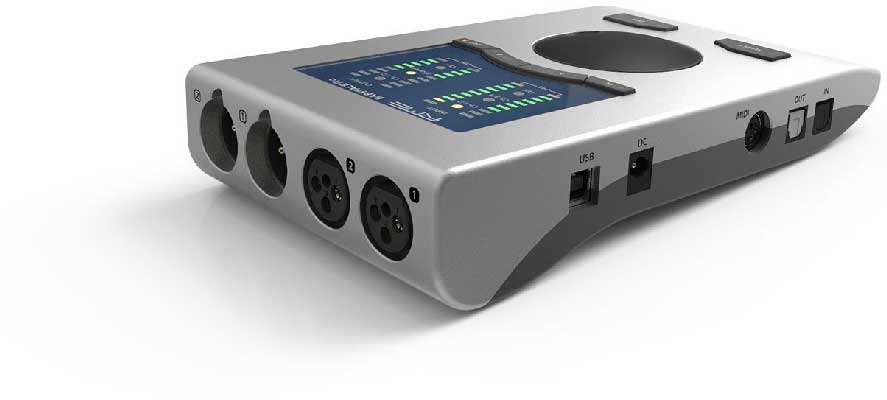
The lower-priced interfaces often present compromises in terms of the precision of their physical controls (e.g., non-notched encoders, which make it difficult to recall settings) and the sophistication of their software integration. Conversely, higher-priced interfaces, exemplified by offerings like the Universal Audio Apollo Twin X and the RME Babyface Pro FS, provide superior preamps, more advanced routing and monitoring capabilities, and often more robust software support and features like notched encoders for precise recall.
Ultimately, while the nuances of audio interface performance can be subtle, the investment in a quality unit is an investment in the clarity, professionalism, and marketability of your voiceover services. By carefully considering the factors outlined in this guide and leveraging the provided audio samples, voiceover artists can confidently navigate the sonic landscape and select the audio interface that best empowers their creative endeavors.
