

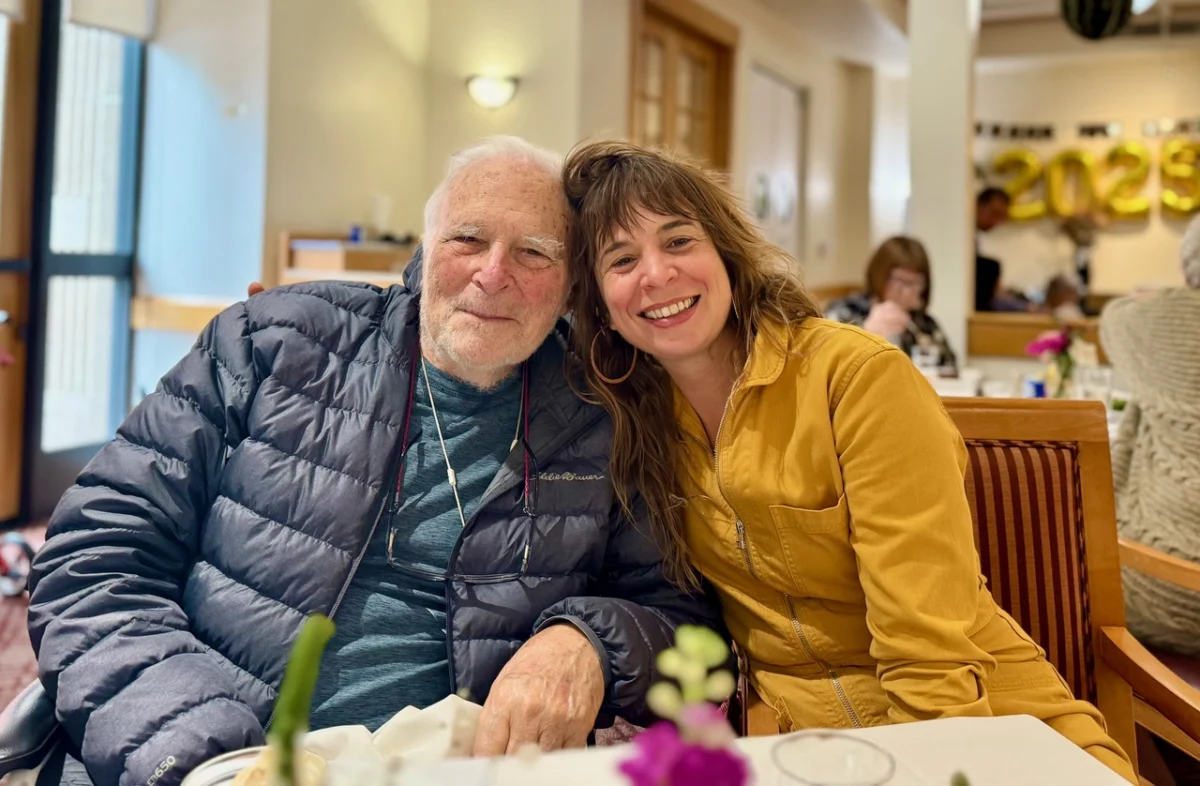
The passing of Dr. Paul Ekman, a seminal figure in the study of human emotions and a pioneer in the field of facial expression research, has prompted widespread reflection on his profound and multifaceted legacy. While a recent obituary in The New York Times highlighted certain controversies, a more comprehensive view reveals a life dedicated to rigorous scientific inquiry, profound personal transformation, and an enduring commitment to reducing human suffering through a deeper understanding of emotion and the cultivation of compassion. His daughter, Eve Ekman, PhD, herself a clinical social worker and collaborator, has offered a deeply personal yet illuminating perspective on her father’s journey, emphasizing not just his scientific impact, but his remarkable evolution as a human being.
A Life Shaped by Early Trauma and a Quest for Understanding
Paul Ekman’s early life was marked by significant trauma and loss, experiences that would indelibly shape his academic pursuits. His childhood was characterized by the profound absence of a father figure, a void that fueled a lifelong dedication to becoming the kind of parent he himself had never known. This personal imperative, as described by Eve Ekman, underpinned his approach to fatherhood: one characterized by unwavering presence, intellectual curiosity, genuine affection, and steadfast support. He cultivated not only a parental bond with his children but also a deep friendship and collaborative spirit, a testament to his capacity for love and connection.
His early academic career, beginning with foundational work on universal facial expressions of emotion, established him as a leading authority in psychology. Ekman’s research, building upon the theoretical framework of Charles Darwin, sought to identify and categorize the nonverbal signals of human affect. Through extensive cross-cultural studies, he identified a set of universally recognized facial expressions associated with basic emotions such as happiness, sadness, anger, fear, surprise, and disgust. This groundbreaking work, initially met with skepticism by some, has since been replicated and expanded upon by numerous researchers globally, forming a cornerstone of contemporary emotion science. His ability to systematically document and analyze these subtle yet powerful human signals provided an empirical basis for understanding emotional communication across diverse populations.
The Transformative Encounter in Dharamsala
A pivotal moment in Paul Ekman’s life and career occurred in the year 2000 during a historic gathering in Dharamsala, India. This seminal meeting brought together the Dalai Lama, a circle of leading scientists, and contemplatives to explore the nature and impact of "Destructive Emotions." For Ekman, this experience was not merely an academic exercise but a deeply transformative personal encounter. He had openly acknowledged past struggles with anger, and this dialogue with the Dalai Lama and other spiritual leaders provided him with an unprecedented, embodied understanding of what it meant to live with less reactivity.
This event marked a profound shift in his perspective, bridging his scientific rigor with an appreciation for the wisdom embedded in ancient contemplative traditions. The Dalai Lama’s consistent message, advocating for the reduction of suffering through emotional understanding and the cultivation of a calm mind, resonated deeply with Ekman. He embraced the imperative of kindness in an interconnected world, viewing it not just as a moral ideal but as a practical necessity for individual and societal well-being.
Bridging Science and Contemplation: Cultivating Emotional Balance
The insights gained from the Dharamsala meeting catalyzed a new phase in Ekman’s career, one characterized by a synthesis of his decades of scientific research with the contemplative practices he came to respect. This integration was not simply theoretical; it led to the development of practical tools designed to help individuals understand and manage their emotions.
A significant outcome of this period was the creation of "Cultivating Emotional Balance" (CEB), an evidence-based training program developed by Paul Ekman and contemplative scholar Alan Wallace. CEB is designed to equip individuals with the skills to better understand their emotional landscape, develop greater self-awareness, and cultivate compassion. The program, rooted in both scientific findings and contemplative principles, has been disseminated globally, offering a tangible pathway towards emotional resilience and reduced suffering. Eve Ekman has been instrumental in supporting and teaching CEB, carrying forward her father’s vision in practical, applied settings. Her background as a clinical social worker in a level-one trauma center provided a unique grounding for this work, emphasizing the importance of accessible and actionable strategies for emotional well-being.
Further testament to this collaborative spirit is the creation of the "Atlas of Emotions." Commissioned by the Dalai Lama in 2016, this free online resource was developed to provide a comprehensive vocabulary for describing and understanding the nuances of our emotional lives. The Atlas, soon to be relaunched for its ten-year anniversary, serves as a powerful tool for individuals, educators, and professionals seeking to enhance emotional literacy. Both CEB and the Atlas of Emotions embody Paul Ekman’s ultimate aspiration: to empower individuals with the knowledge and tools necessary to navigate their emotions, thereby alleviating suffering for themselves and for others.
Addressing Scientific Discourse and Legacy
The narrative surrounding Paul Ekman’s work has, at times, been dominated by scientific debate. Eve Ekman has expressed her disappointment with an obituary that, in her view, overemphasized controversy by centering the critique of a single dissenting voice over the extensive body of peer-reviewed research that has validated and expanded upon her father’s foundational findings. She argues that while disagreement is an inherent part of the scientific process, presenting his life’s work primarily through a selective critique misrepresents his substantial contributions to the fields of psychology, neuroscience, medicine, anthropology, national security, animation, and everyday life.
Ekman’s research has been instrumental in advancing a global understanding of human emotion, influencing diverse disciplines. His work has provided a framework for understanding emotional expression in therapeutic settings, informing the development of diagnostic tools and treatment strategies for mental health conditions. In neuroscience, his research has contributed to understanding the neural correlates of emotion and facial expression. Anthropologists have utilized his findings to explore cultural variations in emotional display rules. The national security sector has employed his expertise in areas such as deception detection and threat assessment. Even in the realm of creative arts, animators and filmmakers have drawn upon his insights to create more realistic and emotionally resonant characters.
A Legacy of Personal Growth and Enduring Impact
Beyond his scientific achievements, Paul Ekman’s personal journey of transformation offers a profound narrative of human potential. He demonstrated a remarkable capacity for change, moving from a place of personal struggle to one of profound equanimity and compassion. This evolution was not merely an intellectual pursuit but an embodied practice, evident in his relationships and his public engagements. He was a man who embraced his vulnerabilities, actively worked to repair relationships, and cultivated a spirit of generosity and joy.
His ability to foster deep and meaningful connections persisted until the final months of his life, a testament to his enduring humanity. He was, as his daughter describes, a complex and imperfect individual, like all human beings, yet characterized by kindness, bravery, humor, insatiable curiosity, and an unwavering commitment to making the world a better place.
The enduring impact of Paul Ekman’s work lies not only in his scientific contributions but also in his personal example of growth and transformation. He embodied the principle that scientific understanding and personal evolution are not mutually exclusive but can be powerfully intertwined. His dedication to understanding emotion and expanding compassion serves as a guiding light for future generations of researchers and for all individuals seeking to live lives of greater awareness, resilience, and kindness. The outpouring of well wishes from across the globe underscores the significant and positive influence he had on countless lives, a testament to a legacy that transcends academic debate and speaks to the universal human quest for meaning and connection.
