

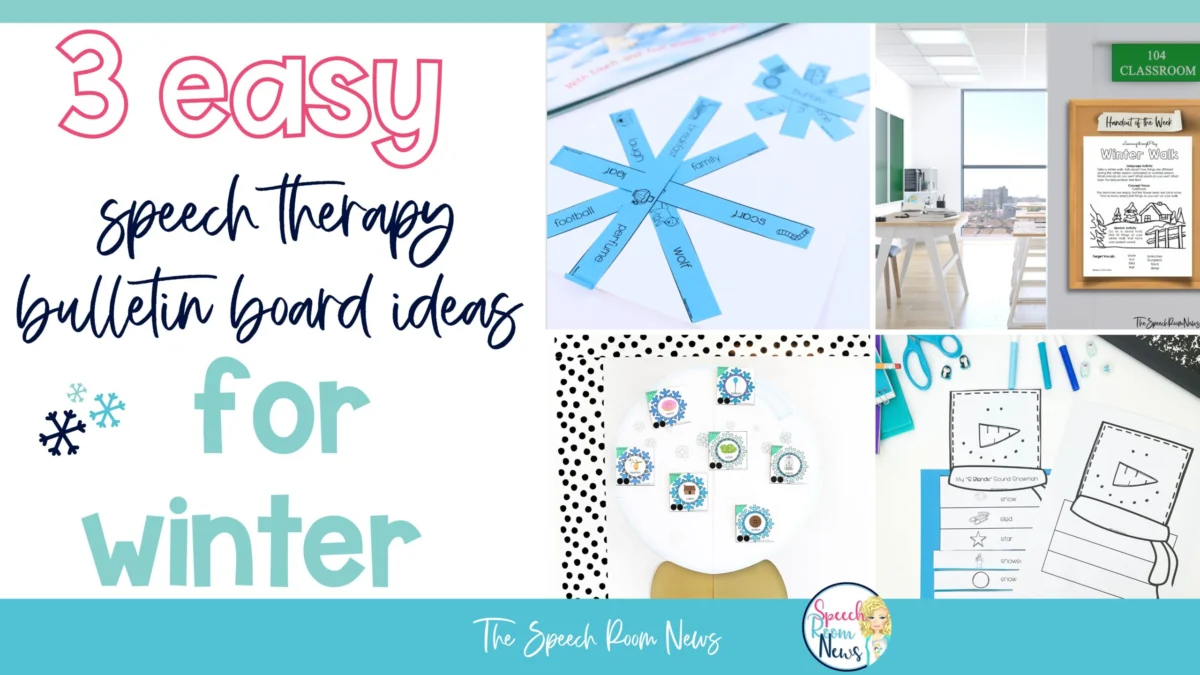
Speech-Language Pathologists (SLPs) are increasingly leveraging environmental design as a crucial component of effective therapy, moving beyond traditional one-on-one sessions to create immersive and engaging learning spaces. A recent emphasis on strategic bulletin board ideas, particularly those tailored to seasonal themes like winter, highlights a comprehensive approach to fostering communication skills. These innovative designs are categorized into demonstrative, interactive, and functional elements, providing a robust framework for SLPs aiming to optimize student engagement, facilitate skill generalization, and enhance parent involvement in the therapeutic process. This methodology underscores a growing recognition within the field of the profound impact that a thoughtfully curated environment can have on developmental outcomes for children with speech and language disorders.
The Evolving Landscape of Speech-Language Pathology and Environmental Design
The role of a Speech-Language Pathologist extends far beyond direct intervention; it encompasses the creation of a supportive and stimulating environment conducive to learning and practice. In educational settings, SLPs are tasked with addressing a diverse range of communication needs, from articulation and phonological disorders to language delays and apraxia. According to the National Institute on Deafness and Other Communication Disorders (NIDCD), approximately 5% of children in the U.S. have a speech sound disorder, and a significant percentage also experience language impairments. These statistics underscore the critical need for multifaceted therapeutic strategies that resonate with young learners and provide continuous reinforcement.

Historically, speech therapy often relied on clinical, worksheet-based approaches. However, contemporary best practices advocate for dynamic, play-based, and multisensory interventions. Bulletin boards, once static displays, are now being reimagined as integral therapeutic tools. By integrating them into the seasonal planning cycle, SLPs can maintain fresh, relevant content that captures children’s imaginations while aligning with specific therapy goals. This forward-thinking approach not only makes therapy more enjoyable but also capitalizes on incidental learning opportunities that arise from a visually rich environment. The shift reflects a broader pedagogical understanding that active engagement and environmental cues significantly enhance learning retention and skill transfer.
Strategic Bulletin Board Categories: A Comprehensive Framework
The classification of bulletin board ideas into demonstrative, interactive, and functional categories provides a clear and adaptable framework for SLPs. This structured approach allows for systematic planning and ensures that each display serves a distinct therapeutic purpose, contributing to a holistic and effective therapy program.
Demonstrative Boards: Showcasing Progress and Empowering Students
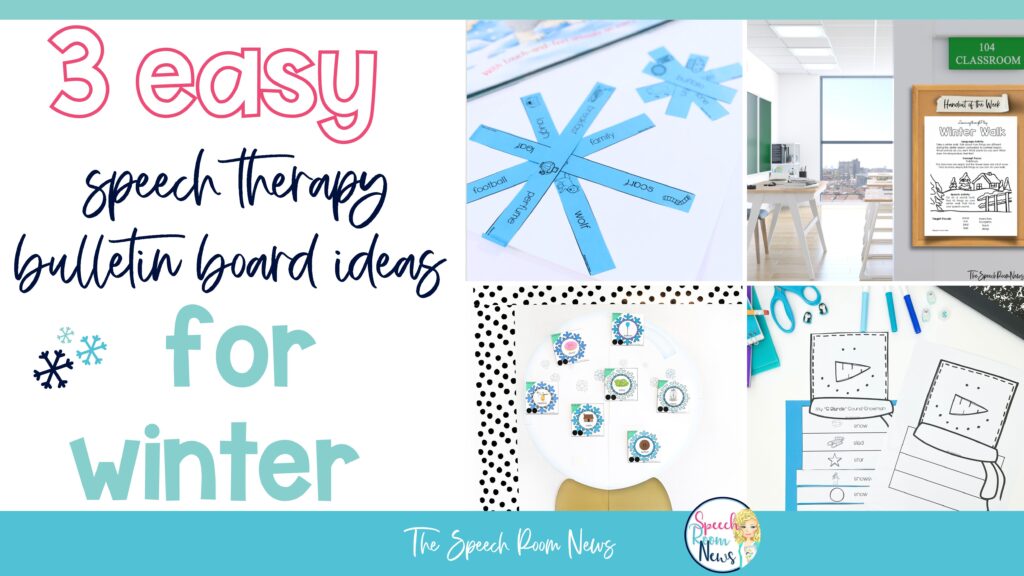
Demonstrative bulletin boards serve as vibrant galleries for student achievements, transforming the therapy room into a testament to hard work and progress. These boards typically feature crafts or projects completed by students during their sessions, making their learning tangible and celebrated. The act of creating these items reinforces therapy goals while simultaneously fostering a sense of accomplishment and ownership.
Two prominent winter-themed examples illustrate this category effectively:
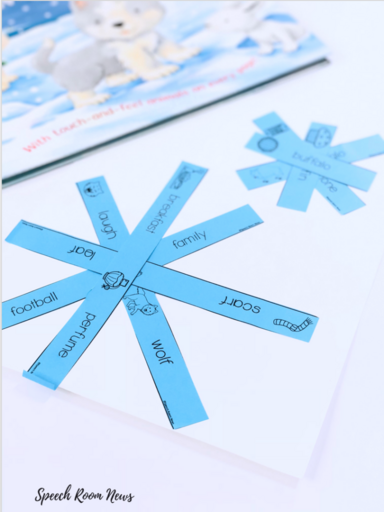
- Snowflake Paper Strip Craft: This "fake crafting" technique, as it’s playfully termed by some SLPs, emphasizes simplicity and accessibility. Utilizing pre-prepared paper strips from resources like the "Year Round Craft Paper Strip Art for Articulation and Language," students engage in a low-prep activity that directly integrates speech practice. For instance, before cutting and assembling the strips into a snowflake shape, students might be required to articulate target words or phrases associated with each strip. The adaptation for students with fine motor challenges, by using cardstock for increased paper resistance, highlights the inclusive nature of such activities. The finished snowflakes, each representing a student’s effort and progress, are then displayed, visually demonstrating the collective journey of language acquisition. An SLP noted, "When students see their own creations on the wall, it’s more than just decor; it’s a visual representation of their hard work and progress. It builds their confidence and gives them a sense of pride in their therapy."
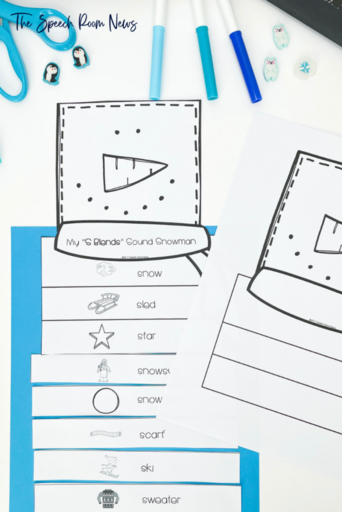
- Snowman Articulation Chop: This craftivity offers another straightforward yet highly effective method for reinforcing articulation goals. Students receive two pages with target words, chop them into strips, and then assemble them into a snowman figure. This activity integrates fine motor skills (cutting) with repetitive speech practice. The simplicity of the design allows for quick setup and execution, maximizing therapy time dedicated to vocalization. The visual reward of building a snowman further motivates students, making the repetitive practice feel less like work and more like play. Adding simple elements like a colored carrot nose or a construction paper hat introduces an element of creativity, further personalizing each student’s contribution to the bulletin board display.
These demonstrative boards not only celebrate individual achievements but also serve as a positive reinforcement mechanism, encouraging continued effort and engagement in the therapy process. They make abstract linguistic concepts concrete and visible, aiding in the metacognitive understanding of speech production.
Interactive Boards: Fostering Active Engagement and Continuous Practice

Interactive bulletin boards transform passive displays into dynamic learning stations, inviting students to physically engage with therapeutic materials. These boards are strategically designed to extend learning beyond the structured therapy session, offering opportunities for incidental practice in hallways or waiting areas. The tactile and manipulative nature of these boards caters to various learning styles, particularly kinesthetic learners, and reinforces multisensory learning principles.
Key interactive winter-themed examples include:
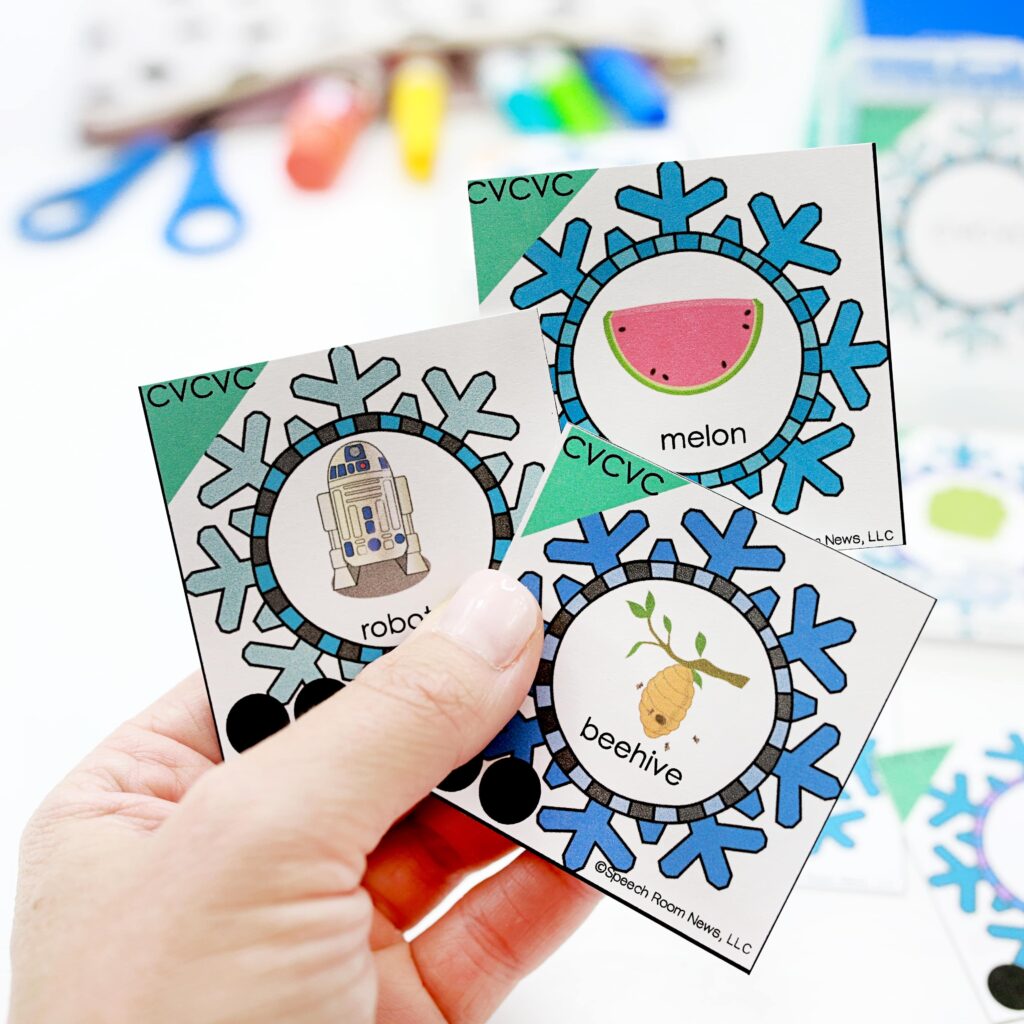
- Falling Flakes: Apraxia Snowflakes: This resource targets childhood apraxia of speech (CAS), a motor speech disorder that makes it difficult for children to accurately produce sounds, syllables, and words. Each snowflake card features an image and word, with a crucial black dot in the bottom left corner indicating the number of syllables. Students are encouraged to touch these dots as they produce the sound, providing multisensory feedback that aids in motor planning for speech. The cards are color-coded and patterned by syllable structure, allowing for organized and targeted practice. By affixing a large "snow globe" poster with Velcro dots to the bulletin board, SLPs create a station where students can attach and detach snowflake cards, practicing their sounds in a fun, hands-on manner. This active manipulation reinforces the connection between visual, tactile, and auditory input, crucial for children with CAS. A school administrator observed, "These interactive displays turn our hallways into extensions of the classroom. Children waiting for therapy, or even just passing by, are naturally drawn to engage, reinforcing their learning in a playful way that supports the broader educational mission."
- Falling Flakes: Phonology Activities: Designed for phonological disorders, this set utilizes minimal pairs to address sound pattern errors. Similar to the apraxia set, each snowflake card presents an image and word, organized by color and pattern. The concept of a poster-sized snow globe with Velcro dots is again employed, allowing students to actively add and remove snowflake cards. This direct manipulation helps students differentiate between target sounds and their misarticulations. The inclusion of additional winter-themed posters provides variety, keeping the board fresh and engaging throughout the season. These interactive elements facilitate repeated exposure and practice in a low-pressure, self-directed environment, aiding in the generalization of phonological skills. The ability to manipulate the cards physically supports the cognitive process of discriminating and producing minimal pairs.
These interactive boards serve as powerful tools for reinforcing skills learned in therapy, promoting independent practice, and creating a vibrant, stimulating environment that celebrates the learning journey. They bridge the gap between structured therapy and informal learning, making communication practice a continuous and integrated part of the school day.
Functional Boards: Empowering Parents and Extending Therapy to the Home
Functional bulletin boards are designed with a primary goal: to provide practical, actionable information that extends the impact of therapy beyond the school walls, particularly by engaging parents and caregivers. These boards often feature handouts, tips, and activity ideas that empower families to support their child’s communication development in everyday settings. The emphasis is on skill generalization and fostering a collaborative home-school partnership.
A prime example for the winter season is:
- Winter Speech and Language Packet: Learning Through Play Handouts: This resource provides parents with easy-to-implement strategies to enhance communication skills during common winter activities. Instead of abstract exercises, the handouts offer concrete suggestions for integrating speech and language practice into natural play scenarios. Ideas range from "Snowball Fight" (e.g., practicing verbs like ‘throw,’ ‘catch,’ ‘roll,’ or describing attributes like ‘big,’ ‘small,’ ‘cold’) to "Making Cookies" (e.g., sequencing, following directions, describing ingredients, requesting items).
- Activity Examples:
- Snowman: Focus on descriptive language (e.g., ’round,’ ‘white,’ ‘tall’), body parts, and sequencing steps.
- Sledding: Practice action verbs (e.g., ‘go,’ ‘slide,’ ‘fast’), prepositions (e.g., ‘down,’ ‘up’), and safety rules.
- Hot Chocolate: Work on requesting (e.g., ‘more marshmallows’), describing taste/temperature, and following simple instructions.
- Winter Clothing: Target vocabulary (e.g., ‘hat,’ ‘gloves,’ ‘scarf’), categories, and functions.
- Making Cookies: Focus on sequencing, requesting, and describing.
The availability of a Spanish version of this packet significantly broadens its reach, ensuring that non-English speaking families can also actively participate in their child’s therapy journey. This inclusive approach recognizes the importance of cultural and linguistic diversity in therapeutic practice. A parent commented, "These handouts are incredibly helpful. They give me concrete ideas for how to practice at home without feeling like I’m doing ‘homework’ with my child. We just play, and he learns." These functional boards reinforce the principle that consistent practice in natural environments is paramount for successful skill generalization, making parents invaluable partners in the therapeutic process.
- Activity Examples:
The Science Behind Engaging Therapy Environments
The effectiveness of these bulletin board strategies is rooted in established pedagogical and psychological principles. Visual learning is a powerful tool, as demonstrated by research indicating that humans process visual information significantly faster and retain it longer than text-based information. When speech and language concepts are presented visually through crafts and interactive elements, they become more accessible and memorable.
Multisensory instruction, which engages multiple senses (sight, touch, sound), is particularly beneficial for children with communication disorders. The "Falling Flakes" activities, with their tactile dots for syllable counting, exemplify this approach. Such methods enhance neural pathways, leading to more robust learning and recall. Furthermore, play-based therapy, central to many of these ideas, is widely recognized for its ability to foster intrinsic motivation, reduce anxiety, and create a natural context for language acquisition. Lev Vygotsky’s theory of the Zone of Proximal Development (ZPD) underscores how engaging activities, supported by environmental scaffolding, can help children achieve skills they couldn’t master independently. Bulletin boards act as a form of this scaffolding, providing visual cues and opportunities for practice that bridge the gap between current and potential abilities. A positive and stimulating therapy environment also contributes to overall well-being, reducing resistance to therapy and fostering a love for learning.
Implementation and Practical Considerations for SLPs
While the benefits are clear, SLPs often face significant time constraints and resource limitations. The "easy-to-prep" nature of the suggested crafts and activities is therefore crucial. Planning ahead for the year and rotating themes seasonally allows SLPs to be efficient, ensuring that the environment remains fresh without requiring constant, overwhelming effort. For instance, creating a template for the paper strip craft that can be adapted for various themes throughout the year maximizes resource utility.
Collaboration with classroom teachers and other specialists can further enhance the impact of these strategies. A consistent message and reinforcement across different learning environments are vital for skill generalization. Additionally, considering the diverse needs of students, from varying age groups to different severity levels of communication disorders, allows SLPs to adapt these ideas to ensure inclusivity and effectiveness for all learners. The investment in durable materials, such as laminating interactive cards, ensures longevity and sustainability of these valuable resources.
Broader Implications for Educational Practice
The strategic use of bulletin boards in speech therapy has broader implications for educational practice. It champions the idea of an integrated learning environment where therapy is not isolated but woven into the fabric of the school day. This approach promotes a more inclusive school culture where students feel supported and celebrated for their communication efforts.
Moreover, these strategies can inspire interdisciplinary collaboration. For example, a demonstrative craft might be displayed in the classroom as well as the therapy room, connecting the SLP’s work with the general education curriculum. Functional handouts can be shared with special education teachers and occupational therapists, creating a unified approach to supporting student development. Ultimately, by fostering student engagement, facilitating skill generalization, and empowering parents, these innovative bulletin board strategies contribute significantly to improved communication outcomes and enhanced academic success for children with speech and language disorders, reinforcing the SLP’s vital role in the comprehensive educational ecosystem.
Thoughtful environmental design in speech therapy, exemplified by these strategic winter bulletin board ideas, represents a powerful yet often underestimated component of effective intervention. By creating spaces that are demonstrative of progress, interactive for practice, and functional for home-school collaboration, SLPs can significantly enhance the therapeutic journey. These methods are not merely decorative; they are integral components of modern speech-language pathology, fostering engagement, skill acquisition, and sustained family involvement, ultimately leading to more profound and lasting communication improvements for students.
