

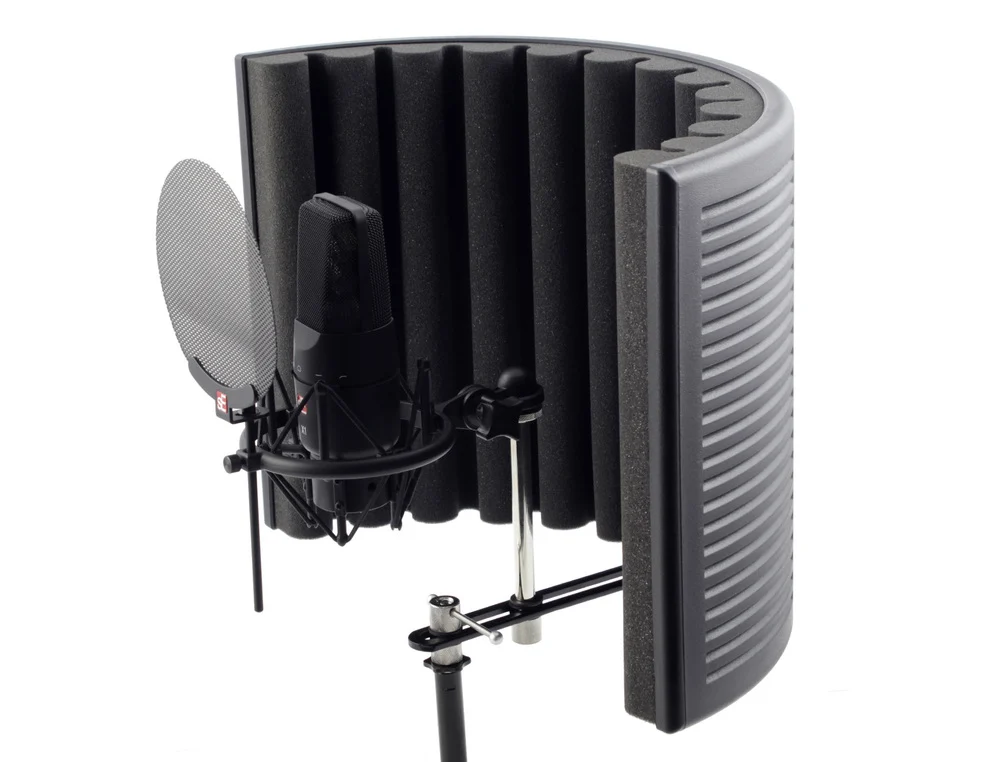
The ubiquitous presence of home recording studios, fueled by advancements in technology and the burgeoning freelance economy, has brought a crucial question to the forefront for many aspiring audio professionals: "Do I need a sound reflection filter in my home studio?" This inquiry, frequently posed within specialized online communities and mentoring forums, often stems from a desire to achieve professional-grade audio quality without the significant investment typically associated with commercial studios. This article aims to provide a definitive answer by dissecting the core principles of acoustics, microphone technology, and the actual function of these commonly marketed accessories.
Understanding the Home Recording Studio Environment
At its heart, a home recording studio, regardless of its scale, is designed to achieve a specific acoustic objective. This objective can be broken down into several key components:
- Stable and Repeatable Recording Environment: The studio should offer a consistent acoustic space that allows for predictable recording outcomes, session after session. This means minimizing variables that can affect sound quality.
- Sound Ingress Prevention: The primary goal is to prevent external noises from entering the recording space. This includes traffic noise, household appliances, and even the sounds of other occupants.
- Sound Egress Prevention: Conversely, the studio should also contain the sound produced within it, preventing it from disturbing others in the dwelling or bleeding into other sensitive areas.
- Minimizing Unwanted Sound Reflections: Perhaps the most complex aspect, this involves controlling how sound waves interact with the surfaces within the recording space. Reflections, also known as reverberation or echo, can muddy the audio, reduce clarity, and introduce undesirable coloration.
The ultimate aim in acoustic treatment, therefore, is to capture a pure, unadulterated audio signal directly from the sound source – be it a voice, instrument, or other sound – with minimal interference from the recording environment itself. This often leads individuals to consider solutions like dedicated recording booths or adapting existing spaces like spare rooms, garages, or even carefully chosen closets.
The Mechanics of Sound and Microphone Capture
To understand the efficacy of any acoustic treatment, it’s essential to grasp how microphones operate and interact with sound waves. Microphones are transducers, converting acoustic energy (sound waves) into electrical signals. Crucially, microphones are not omnidirectional receivers of sound. They possess distinct polar pickup patterns, which dictate the directionality and sensitivity of their sound capture.
These polar patterns are typically represented as a visual diagram showing the microphone’s sensitivity relative to its position. Common patterns include:
- Omnidirectional: Picks up sound equally from all directions (360 degrees). While capturing a broad sonic picture, it is highly susceptible to room reflections and ambient noise.
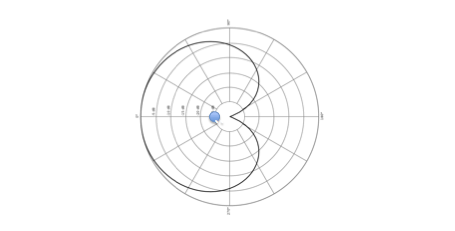
- Cardioid: Picks up sound primarily from the front, with significant rejection from the rear and sides. This is the most common pattern for voice-over work and general recording due to its effectiveness in isolating the sound source and minimizing room acoustics.
- Bidirectional (Figure-8): Picks up sound equally from the front and rear, with maximum rejection from the sides. This pattern is often used for stereo recording techniques or for capturing two sources simultaneously from opposite sides of the microphone.
- Supercardioid and Hypercardioid: These are variations of the cardioid pattern, offering tighter front pickup but with a small lobe of sensitivity at the rear. They provide even greater side rejection but require more precise placement.
Many high-end microphones, such as the widely recognized Neumann U87, offer switchable polar patterns, allowing users to adapt the microphone’s directivity to suit different recording scenarios. However, most microphones intended for vocal recording are fixed in a cardioid pattern by default, a choice made specifically to mitigate the impact of ambient sound and reflections.
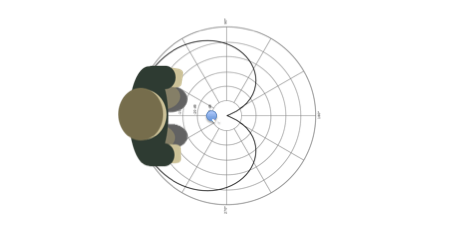
The cardioid pattern, when visualized, resembles a heart shape, hence its name. This pattern effectively creates a "pickup bubble" in front of the microphone. As illustrated in diagrams, this bubble extends forward and slightly to the sides, with significantly reduced sensitivity towards the rear. For a voice artist, this means that the sound waves originating from their mouth are captured most effectively, while sound waves arriving from the sides or rear are largely ignored. This directional selectivity is fundamental to achieving cleaner recordings in less-than-ideal acoustic environments.
The Role of Sound Reflection Filters: An Examination
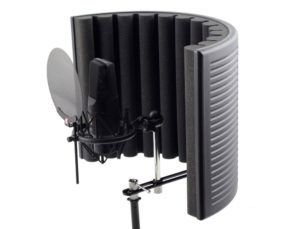
Given the importance of minimizing unwanted sound, the concept of a sound reflection filter emerges. These devices, often a semi-circular or curved shield lined with acoustic foam or other absorbent materials, are typically mounted around the microphone. The marketing literature and visual design of these filters strongly suggest their purpose is to create a localized, "dead" acoustic zone around the microphone, thereby blocking out sound reflections that might otherwise be captured.
The underlying principle promoted is that by placing this barrier, sound waves bouncing off nearby surfaces (walls, ceilings, furniture) will be absorbed or deflected before they reach the microphone from the sides or rear. This creates an illusion of a perfectly treated recording space, even when the overall room acoustics remain unaddressed.
However, a closer examination, particularly when considering the microphone’s polar pickup pattern, reveals a crucial disconnect. The sound reflection filter, by its very design, aims to block sound from reaching the microphone from the sides and rear. Yet, the cardioid pickup pattern of most microphones already exhibits significant rejection of sound from these very directions.
When sound waves arrive at the microphone, the polar pattern dictates which waves are primarily converted into an electrical signal. For a cardioid microphone, sound approaching from the front is captured, while sound from the sides is significantly attenuated, and sound from the rear is almost entirely rejected. Therefore, the reflection filter, by blocking sound that the microphone is already designed to ignore, offers minimal practical benefit.
Data from controlled acoustic tests, often performed by audio engineers and acousticians, consistently demonstrates that the difference in recorded audio quality between using a reflection filter and not using one, when employing a directional microphone in a moderately reflective space, is often negligible. This is because the filter is essentially reinforcing a rejection capability that the microphone already possesses. While the filter may absorb some stray sound energy, its impact on the signal captured by the front of a cardioid microphone is minimal.
Why the Misconception? The Psychology of Marketing and Experience
Despite the limited acoustic efficacy, sound reflection filters remain a popular purchase among novice audio creators. Several factors contribute to this phenomenon:
- Visual Appeal and Perceived Effectiveness: The physical presence of the filter, enclosing the microphone, creates a visual impression of professionalism and sound isolation. It looks like it should work.
- Ubiquity in Online Content: Many tutorials, home studio setups, and promotional materials for voice-over artists and podcasters feature these filters. This visual reinforcement leads to an assumption that they are a necessary component of a professional setup.
- Expert Endorsements (Often Uncritical): While some experienced professionals may use them for specific, nuanced reasons (which are rare and highly technical), many less experienced individuals recommend them based on what they see others doing or what they have been told.
- The "Better Safe Than Sorry" Mentality: In the absence of deep acoustic knowledge, individuals may opt for a reflection filter as a perceived low-risk investment to improve their sound, rather than undertaking a more complex and potentially costly acoustic treatment of their entire room.
This widespread adoption, fueled by a combination of visual cues, peer influence, and marketing, creates a feedback loop where the product’s perceived utility is amplified, even in the absence of demonstrable technical advantage for most common use cases.
The True Path to Quality Audio: Room Treatment
If sound reflection filters are largely ineffective for their intended purpose, what then is the solution for achieving high-quality audio in a home studio? The answer lies in addressing the acoustics of the recording space itself. This involves creating an environment that minimizes problematic reflections and ambient noise.
Effective acoustic treatment can be achieved through several methods:
- Sound Absorption: Utilizing materials that absorb sound waves rather than reflecting them. This includes acoustic foam panels, bass traps (designed to absorb low-frequency sound), and even dense materials like heavy curtains or strategically placed soft furnishings.
- Sound Diffusion: Employing surfaces that scatter sound waves in multiple directions, preventing the buildup of harsh echoes and creating a more natural-sounding acoustic space. Diffusers can be made from specially shaped panels or even uneven surfaces.
- Sound Isolation: This is distinct from acoustic treatment and refers to preventing sound from entering or leaving the space. It involves sealing gaps, using mass-loaded vinyl, or building double-walled structures.
Creating a dedicated vocal booth, whether commercially purchased or DIY, is a highly effective method. These enclosures are designed to provide both absorption and isolation. Alternatively, a corner of a room can be treated with absorption panels and strategically placed diffusion elements. Even adapting a walk-in closet with clothing can provide a surprisingly effective, albeit limited, acoustically treated space.
The key takeaway is that true acoustic improvement comes from treating the entire environment, not just the immediate vicinity of the microphone. This requires an investment of time, effort, and potentially some financial resources in materials and construction.
Conclusion: A Pragmatic Assessment
To definitively answer the question: No, you generally do not need a sound reflection filter for your home studio, especially if you are using a directional microphone like a cardioid. While they do not actively harm your recordings, their contribution to improving audio quality is, for most users in most common scenarios, negligible to non-existent. The money and effort invested in such a device would be far better allocated towards understanding and treating the acoustics of your actual recording space.
The persistent appeal of reflection filters highlights a common pitfall in audio production: the tendency to seek a single, simple solution for a complex problem. Professional sound recording is a nuanced discipline that requires an understanding of physics, acoustics, and equipment. While innovation in audio technology continues, the fundamental principles of sound behavior remain constant. For aspiring audio professionals, prioritizing education in acoustic principles and investing in proper room treatment will yield far more significant and lasting improvements to their recordings than any superficial accessory. The focus should remain on building a fundamentally sound recording environment, rather than attempting to mask acoustic deficiencies with a device that, by its nature, is already redundant with the microphone’s inherent capabilities.
