


Securing budget approval is not merely a procedural hurdle; it is the foundational act that transforms abstract visions into tangible realities, empowering organizations to launch innovative products, develop robust internal systems, and amplify their presence on the global stage. This cascade of strategic outcomes hinges fundamentally on the ability to articulate a compelling rationale for why decision-makers should invest in a particular idea. Once the green light is given, plans can be meticulously sown and nurtured into fruition. However, the challenge lies in the fact that not all stakeholders possess the innate ability to visualize a flourishing garden from a nascent patch of soil, particularly when their primary lens is financial.
Budget approvers, typically senior executives and financial officers, operate within a framework of concrete metrics and fiscal prudence. Their mandate is to safeguard company health and uphold fiduciary responsibilities, leading to an intense focus on the bottom line. This inherent accountability translates into budget conversations frequently dominated by dollar figures, projected costs, and immediate returns. The pressure to make sound financial decisions is immense, given that these individuals are ultimately accountable for a project’s success or failure. In this environment, raw data, while essential, often fails to convey the full spectrum of a project’s potential.
It is incumbent upon budget seekers to transcend mere numerical presentations and paint a vivid, comprehensive picture that no dashboard or spreadsheet can fully capture. While meticulous financial planning and accurate expenditure balancing are non-negotiable prerequisites for any project to advance, a compelling narrative is equally vital. This narrative must be potent enough to elevate leaders beyond routine project allocations and fiscal calendars, allowing them to truly grasp the transformative impact their approval could unleash—much like Dorothy’s awe-inspiring entry into the vibrant, full-color world of Oz after the monochromatic reality of Kansas. Crafting such a persuasive vision for the road ahead is critical for securing the trifecta of project success: time, resources, and unwavering organizational backing. To effectively gain traction and earn funding for your next endeavor, three key narrative techniques can be employed to imbue your project with life and strategic imperative.
Elevating Budget-Approvers to Heroes of Return on Investment (ROI)
The fundamental expectation from any investment is not merely the disbursement of capital, but its eventual reappearance in a magnified form, typically as Return on Investment. While forecasting the future is inherently uncertain, the narrative presented about a project’s vision is instrumental in aligning budget-approvers’ expectations and fostering confidence. Similar to how film producers meticulously review scripts and storyboards before committing significant capital to a motion picture, financial decision-makers require a clear, imaginative preview of the ‘final cut’ of a project before they can fully endorse it. A 2022 survey by the Project Management Institute (PMI) indicated that poor communication is a primary factor in 29% of project failures, underscoring the critical need for clear narrative in project pitches.

Consider the cinematic analogy: before Christopher Nolan embarked on his ambitious $250 million reimagining of The Odyssey, he honed his craft with a more modest $40 million adaptation of Christopher Priest’s novel, The Prestige. This 2006 film, set in Victorian London, chronicles the intense rivalry between two illusionists and commences with a profound voiceover by Michael Caine, detailing the three acts of a magic trick: The Pledge, The Turn, and The Prestige. The Pledge involves presenting an ordinary object; The Turn transforms it; and The Prestige reveals its return, often in an unexpected or impossible manner.
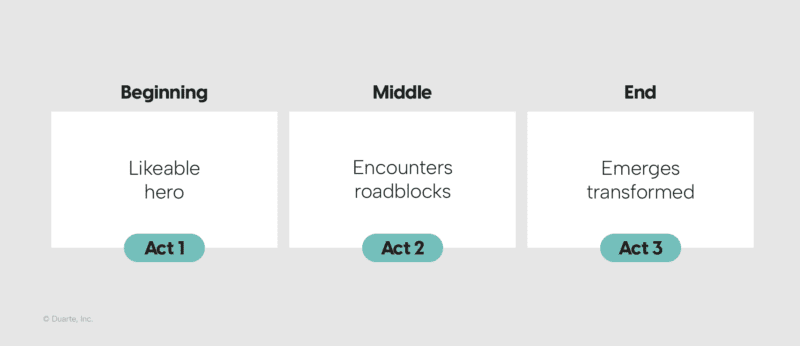
Applying this dramatic structure to a budget proposal can profoundly shift its reception. The ‘Pledge’ of your budget proposal outlines the current state and the resources required. The ‘Turn’ details the innovative processes, challenges, and transformations that will occur. The ‘Prestige’ then unveils the magnificent outcome – not just in monetary terms, but in strategic value, market impact, and organizational advancement. Duarte, a leading communication firm, advocates for this three-act structure (beginning, middle, and end) as a powerful framework for all forms of storytelling, from policy recommendations to persuasive presentations designed to inspire action.
To illustrate the stark difference, consider two hypothetical project descriptions for The Prestige:
Version 1 (Data-Centric, Lacking Narrative):
"With a projected budget of $40 million, the film is forecast to gross upwards of $100 million at the global box office, achieve a runtime of 130 minutes, and ultimately aggregate a 76% rating on Rotten Tomatoes based on 208 critical reviews. Production will commence in Q3 and conclude in Q4."
Analysis: This description is precise, data-backed, and offers clear quantitative targets. However, it is utterly devoid of the human element, the excitement, or the strategic significance that could truly galvanize an investor. It speaks only to numbers, not to potential.
Version 2 (Narrative-Driven, Three-Act Structure):
"With your strategic approval of our $40 million budget, this project will bring to life a stunning cinematic reimagining of Christopher Priest’s award-winning novel, featuring stellar performances by Hugh Jackman, Christian Bale, Scarlett Johansson, Michael Caine, and David Bowie in what promises to be his most compelling role since Labyrinth. The meticulous adaptation will navigate the intricate plot with painstaking detail, but its inherent cross-over appeal into both fantasy and science fiction genres, coupled with the combined star-power of its cast, guarantees a diverse and broad audience. Given the caliber of craft and talent committed to this production, we are confident it possesses the potential to captivate and puzzle generations of viewers, garner significant critical accolades, and deliver an exceptional ROI exceeding 200% at the box office and through subsequent revenue streams, solidifying its place as a cultural landmark."
Analysis: The second example strategically positions the budget-approver as a pivotal enabler, the ‘hero’ initiating a transformative process. It acknowledges the inherent ‘struggle’ or complexity of the project ("painstaking detail") but immediately frames it within a vision of a fully realized, impactful product. Crucially, it moves beyond mere financial metrics to include loftier dimensions like cultural legacy, critical acclaim, and broad audience engagement. This approach doesn’t just promise money; it promises significance. It’s the difference between a financial report and a visionary prospectus designed to engage both the analytical and emotional faculties of decision-makers. The real ‘magic’ then becomes convincing approvers that this vision is achievable, a task that often requires a touch of calculated audacity.
Calling Your Shots: Cultivating Credibility and Confidence in Budget Conversations
Presenting a budget story demands the unwavering confidence of a seasoned professional. This is not to advocate for making unsubstantiated claims—the disastrous Fyre Festival debacle serves as a stark reminder of the perils of overpromising and under-delivering. Rather, it speaks to an authentic self-assurance rooted in deep understanding, meticulous preparation, and a proven track record. Budget seekers must not only know their capabilities and how they intend to overcome challenges, but they must also instill this conviction in budget-approvers. Before project goals can be realized, decision-makers must be wowed into believing in the presenter’s capacity to execute. This requires a blend of demonstrable skill and strategic swagger.
Babe Ruth’s legendary "called shot" in Game 3 of the 1932 World Series offers a compelling parallel. Amidst intense animosity between the New York Yankees and the Chicago Cubs at Wrigley Field, and a hostile crowd, Ruth stepped up to bat in the 5th inning. After taking two strikes from Cubs pitcher Charlie Root, Ruth famously made a pointing gesture towards the center field stands. On the very next pitch, he launched a towering home run. While the exact details of the gesture remain debated by historians and eyewitnesses, the powerful headline from reporter Joe Williams – "Ruth Calls Shot As He Puts Home Run No. 2 In Side Pocket" – cemented a legend that transcended the game itself. The Yankees went on to sweep the series, but the called shot became an enduring emblem of audacious confidence and execution.
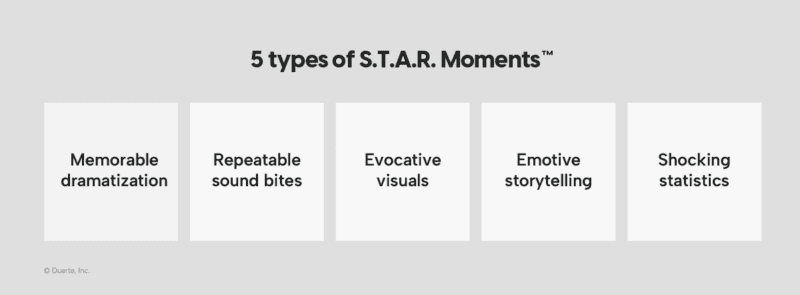
At Duarte, such moments of strategic impact are termed S.T.A.R. moments, an acronym for Something They’ll Always Remember. These moments, whether deployed in Academy Award-winning documentaries like Al Gore’s An Inconvenient Truth or in high-stakes keynote presentations, are designed to create lasting impressions. In the context of budget discussions, crafting a S.T.A.R. moment can be the decisive factor in securing funding. Before your next budget discussion, consider: How can I convince budget-approvers that my next swing will be a home run?
S.T.A.R. moments can take various forms: a memorable dramatization, repeatable sound bites, evocative visuals, emotive storytelling, or shocking statistics. The key is strategic deployment. While a certain degree of theatricality can be effective, true confidence is forged through deep thinking, extensive practice, and thorough preparation. Ruth’s infamous shot was not a random act of bravado; it came from a player batting .341 with 41 home runs already under his belt in that season. As a budget-seeker, you typically have one critical opportunity to demonstrate competence, build trust, and establish credibility when making your pitch.
The pitfall to avoid is spending excessive time detailing personal accomplishments or technical analyses that shift the focus away from the project’s broader impact. Instead, a S.T.A.R. moment should center on the budget-approver. This can be achieved by presenting your proposal with multimedia elements that deliver a crisp, clear budget story, making the approver the hero. Before entering the room or clicking into that video call, reflect on which phrase best encapsulates your budget story:
- "Here’s what I can do."
- "With your help, here’s what we can do."
By strategically centering the approver in your S.T.A.R. moment, you are subtly inviting them to become an active participant in the project, transforming their role from a mere signatory to a co-conspirator in success. This shift encourages a deeper, more passionate connection to the project’s potential.
Inspiring Belief Beyond Monetary Returns: The Power of Empathy and Purpose
Beyond the allure of magic and calculated confidence, the most profound connections are forged through empathy and emotional resonance. Crafting a message imbued with genuine human elements transcends mere facts and figures, allowing audiences to perceive a larger significance in the endeavor. This is why people are moved by films, sporting events, and even commercials that tap into universal human experiences and aspirations.
A powerful strategy to engage both analytical and emotional audiences is to balance the financial imperatives of your budget request with the promise of a "new bliss"—a compelling future state. At Duarte, the "new bliss" represents the ideal outcome audiences stand to gain after navigating the "messy middle" of achieving a goal or implementing organizational change. For budget seekers, effectively illustrating the tension between the current reality ("what is") and the aspirational future ("what could be") can cultivate a deep desire among approvers for the "new bliss" outlined in the proposal. This isn’t about ignoring financial realities; it’s about framing them within a more meaningful context. Research by Gallup consistently shows that purpose-driven organizations report higher employee engagement and customer satisfaction, factors that directly impact long-term financial health.
Incorporating a robust structure and compelling narrative can enable your budget proposal to address financial realities while simultaneously inspiring decision-makers to envision this "new bliss." Consider the diverse motivations of budget approvers. Perhaps your CFO seeks rigorous financial reassurances but also values work-life balance and misses family events. Perhaps the leadership team is anxious about the company’s competitive standing in the industry. Or perhaps they are driven by a desire to create a product, service, or solution that is not only profitable but also genuinely impactful and beneficial to people.
Centering a proposal solely on maximizing profit is one valid approach. However, consider the profound difference a budget story could make if it highlighted how a proposed innovation could streamline workflows, thereby granting employees (including the CFO) more precious family time. Or how an investment in a new brand campaign could reinvigorate public interest and market share. Or how, with proper funding, a project aims to eliminate a critical pain point in the customer experience, fostering loyalty and advocacy. This shift from purely transactional to deeply transformational can cultivate a personal commitment to the project that extends far beyond a simple approval stamp.
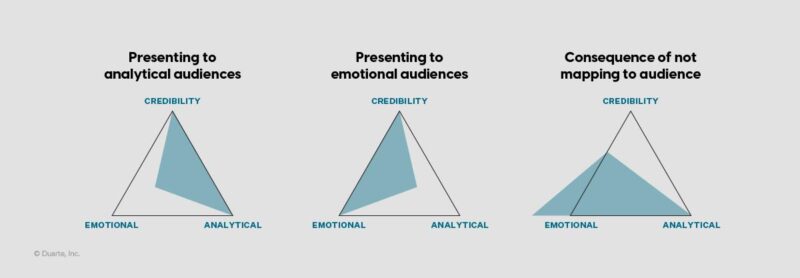
Calibrating this delicate balance requires rooting your story in audience-first empathy. By acknowledging and addressing the unspoken concerns, aspirations, and even personal values of your budget approvers, you can structure your narrative to seamlessly integrate sound financial reasoning with details that resonate on an emotional level. Beyond securing funding, the ultimate goal is to garner organizational backing at scale, which requires transforming mere buy-in into genuine belief. A story that reverberates at every level of the organization—from the executive suite to frontline teams—creates a shared sense of purpose and commitment. However, it is crucial to maintain a clear awareness of the stakes; excessive sentimentality without a foundation of practical viability can undermine credibility.
Delivering a budget story that is structured, empathetic, and strategically punctuated by a well-placed S.T.A.R. moment is the most effective pathway to securing approval. Such an approach not only ensures financial viability but also paves the way for projects that are not just funded, but truly championed, driving innovation, fostering a culture of commitment, and ultimately shaping the future trajectory of the organization.
