


In a recent discourse on the nuances of persuasion, the established paradigm of "Lasting and Ethical" influence has been challenged, positing a more profound framework of "Loving and Eternal" engagement. This evolution in thought, first articulated by Brian Ahearn, Chief Influence Officer at Influence PEOPLE, centers on a fundamental shift from external compliance to internal transformation. The dialogue was ignited by a pertinent question from LinkedIn connection Reyes Castillo, probing the practical application of this elevated influence model within Ahearn’s coaching practice. Specifically, Castillo inquired about the initial behavioral adjustments required when prioritizing the other person’s best interests over mere adherence to permissible actions.
Ahearn’s contemplative response, cultivated during a reflective morning walk, diverged from the expectation of identifying an immediate behavior to cease. Instead, he proposed that the foundational step lies not in stopping an action, but in cultivating a new internal state, thereby enabling a transformed way of being. This perspective anchors the concept of influence firmly within the realm of personal development, emphasizing that authentic impact emanates from a genuine inner disposition.
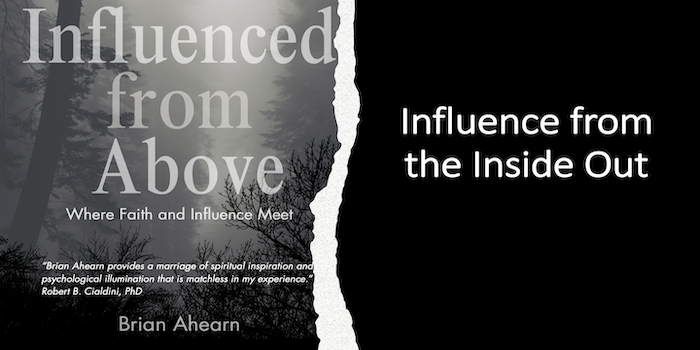
Influence From the Inside Out: A Foundational Principle
The core of Ahearn’s argument rests on the principle of "influence from the inside out." This concept posits that genuine and sustainable change, whether in an individual or in a relationship, originates from within. It is not solely about the outward actions one performs, but more crucially, about the person one is becoming. This idea echoes timeless wisdom, notably illustrated by the teachings of Jesus, who admonished the Pharisees to cleanse the inner vessel of a cup before attending to its exterior. Similarly, the adage that a good tree bears good fruit underscores the direct correlation between the internal state and the external manifestations.
This philosophical underpinning suggests that the outward expressions of influence—our words, our actions, our persuasive techniques—are largely a reflection of our internal landscape. Therefore, any significant shift in how we influence others must first be preceded by a recalibration of our internal attitude. This perspective provides a crucial lens through which to examine the practical application of influence principles, particularly those elucidated by Dr. Robert Cialdini, a preeminent figure in social psychology and ethical influence.
The Principle of Liking: A Deeper Examination
One of Cialdini’s foundational principles, the principle of Liking, states that individuals are more inclined to agree to requests from people they know and like. When this principle is presented, a common initial reaction is to ask, "How can I make people like me?" While this question is understandable, Ahearn argues that it represents a backward approach. Instead of strategizing to elicit liking, he advocates for a proactive effort to find genuine reasons to like others.
This subtle but profound shift in intent has demonstrably powerful effects. The mechanisms that foster liking in others—discovering common ground and offering sincere compliments—also serve to cultivate liking in oneself towards the other person. By actively seeking out shared interests, one naturally identifies points of connection. Similarly, by paying attention to the admirable qualities of another, opportunities for authentic commendation arise.
Crucially, while the outward behaviors might appear identical—asking questions, observing—the underlying motivation is fundamentally altered. When the goal shifts from seeking personal validation (making others like you) to genuinely appreciating the other person, the focus moves from the self to the individual being engaged. This inward transformation, this redirection of attention, is often palpable to the recipient. When individuals perceive that they are genuinely liked and appreciated, their receptiveness and trust often increase significantly. This enhanced trust is the bedrock upon which genuine influence is built, underscoring the "inside-out" model where internal disposition dictates external impact.
Ethical vs. Loving Influence: A Spectrum of Impact
The distinction between "Lasting and Ethical" and "Loving and Eternal" influence highlights a critical evolution in the understanding and application of persuasive strategies. Ethical influence, while indispensable, primarily addresses the question of propriety and respect. It compels practitioners to consider: Is my approach honest? Is it appropriate? Does it respect the autonomy and freedom of choice of the other person? These are vital ethical guardrails that have long been the cornerstone of responsible influence.
However, love, in its broader, more profound sense, introduces a higher dimension to this ethical framework. It asks a more demanding question: Do I genuinely desire what is best for this individual? This fundamental query elevates the practice of influence from a transactional or compliance-based endeavor to one rooted in genuine care and concern for the well-being of the other.
The challenge, as Ahearn points out, lies in the fact that two individuals can employ the exact same words, ask identical questions, and utilize the same influence principles, yet their underlying intentions can be vastly different. One might be operating with the internal monologue, "How can I get this person to agree?" while the other is driven by, "How can I help this person make the most beneficial decision for themselves?" Though outwardly indistinguishable, the internal motivations create a chasm in the nature and outcome of the influence exerted.
The Transformative Power of Inner Change
Therefore, transitioning from ethical to loving influence is not merely about acquiring a new set of techniques or mastering additional persuasion tactics. It is fundamentally about undergoing a personal transformation, about becoming a different kind of person. When this internal shift occurs, the outward behaviors naturally and authentically align with this evolved disposition. This is not to suggest that ethical considerations are to be abandoned; rather, they are subsumed within a broader, more compassionate framework.
The implication for individuals engaged in coaching, leadership, sales, or any form of interpersonal engagement is profound. The crucial initial question may not be "What specific behavior should I stop?" but rather, "Who am I striving to become, and what is my genuine aspiration for the person I am interacting with?" This introspective inquiry fosters a deeper understanding of one’s own motivations and a more authentic commitment to the welfare of others.
Data-Driven Insights into Influence and Liking
Research in social psychology consistently supports the notion that positive relationships are foundational to persuasion. Studies on the principle of Liking, for instance, have provided quantifiable evidence of its impact. Data from various meta-analyses, such as those compiled by Richard Wiseman in his book "59 Seconds," indicate that likability can increase compliance rates by as much as 15-20%. This is often attributed to the psychological principle of reciprocity; when we like someone, we feel a subconscious inclination to reciprocate that positive sentiment, making us more amenable to their requests.
Furthermore, research on similarity and rapport-building, integral components of the "finding common ground" aspect of liking, has shown significant correlations with successful negotiation outcomes and increased trust. For example, a study published in the Journal of Personality and Social Psychology found that negotiators who established greater rapport were more likely to reach mutually beneficial agreements. This suggests that the subtle act of discovering shared interests, even minor ones, can have a disproportionately positive impact on the overall interaction.
The role of genuine compliments in fostering liking is also supported by psychological theory. Compliments, when perceived as sincere, activate reward centers in the brain, creating positive associations with the giver. This effect is amplified when compliments are specific and tailored to the individual, rather than generic or flattery. A 2011 study in Social Psychological and Personality Science indicated that genuine praise, particularly when delivered with sincerity, can significantly enhance liking and reduce defensiveness, thereby paving the way for more open and receptive communication.
Contextualizing the Shift: A Broader Trend in Professional Engagement
This call for a more "Loving and Eternal" approach to influence can be contextualized within a broader societal and professional trend towards greater authenticity, empathy, and purpose-driven engagement. In an era where consumers and clients are increasingly discerning and value-aligned, businesses and individuals are recognizing the limitations of purely transactional or ethically sound, yet uninspired, approaches. The rise of concepts like "conscious capitalism," "purpose-driven marketing," and "empathetic leadership" all point towards a similar shift—a recognition that success is increasingly intertwined with genuine human connection and a commitment to positive societal impact.
The original article implicitly references the work of Dr. Robert Cialdini, whose seminal research has illuminated the psychological underpinnings of persuasion. Cialdini’s own writings often emphasize the ethical application of his principles, warning against their manipulative use. Ahearn’s expansion upon this framework, by introducing the concept of "loving" influence, can be seen as a natural progression, urging practitioners to not only adhere to ethical guidelines but to transcend them through a spirit of genuine care and altruism. This evolution is particularly relevant in fields like coaching and therapy, where the well-being of the client is paramount.
Implications for Coaching and Professional Development
The implications of this "inside-out" approach for coaching are significant. Coaches are often tasked with facilitating transformative change in their clients. If the coach’s primary internal driver is to "get the client to agree" or "achieve a specific outcome," the coaching relationship may become superficial or coercive. However, if the coach is genuinely invested in the client’s well-being and personal growth, their questioning, their observations, and their feedback will carry a different weight and authenticity.
This perspective also extends to professional development. Organizations that cultivate a culture of genuine care and mutual respect among their employees are likely to experience higher levels of engagement, collaboration, and innovation. When leaders prioritize the well-being and development of their teams, influence becomes a natural byproduct of trust and shared purpose, rather than a forced imposition.
Conclusion: The Enduring Power of Genuine Connection
The discourse initiated by Brian Ahearn, sparked by Reyes Castillo’s insightful question, offers a compelling vision for the future of influence. It moves beyond a mere checklist of ethical do’s and don’ts, advocating for a deeper, more transformative engagement. By emphasizing the internal shift from self-interest to genuine care for others, this approach promises not only more effective influence but also more meaningful and enduring relationships. The journey from "Lasting and Ethical" to "Loving and Eternal" influence is a call to embrace a higher standard, one that recognizes the profound power of human connection and the transformative potential of a truly benevolent intent. The ongoing dialogue among professionals, particularly those with extensive experience in coaching and influence, will undoubtedly continue to refine and illuminate this vital shift in perspective, underscoring that the most potent influence stems from a heart that genuinely seeks the best for all.
