

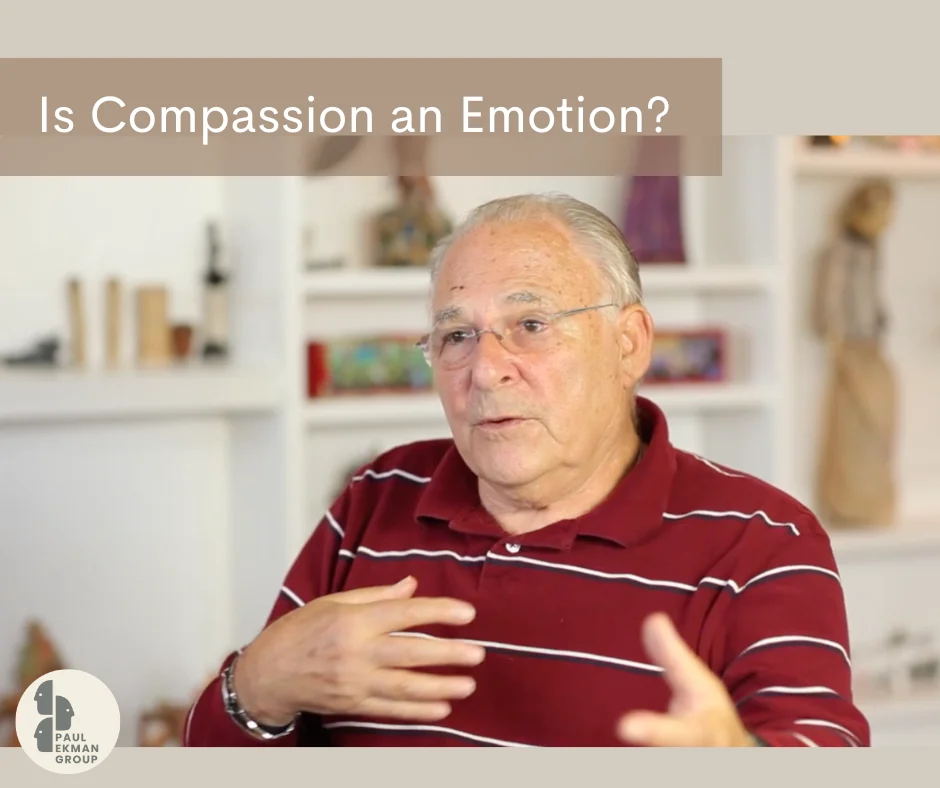
While the act of extending compassion often elicits a positive emotional response, a deeper understanding reveals that compassion is a distinct psychological construct, separate from the broader spectrum of universal human emotions. This distinction is crucial, not only for clarifying its profound significance but also for recognizing its cultivable nature and inherent necessity in navigating the complexities of human interaction and global challenges. Unlike emotions, which can be triggered by a vast array of stimuli and serve diverse functions, compassion is singularly focused on the presence of suffering and the deliberate intention to alleviate it. This focused, constructive intent sets compassion apart, positioning it as a powerful force for good.
The Narrow Beam of Compassion: Focused on Suffering
Emotions, in their myriad forms – joy, sadness, anger, fear – are fundamental to the human experience, arising from a wide range of triggers and fulfilling various adaptive roles. However, compassion operates on a different principle. Its genesis is specifically tied to the recognition of suffering. Whether witnessing physical pain, emotional distress, or systemic hardship, the encounter with suffering is the catalyst for compassionate response. This response is not merely a passive feeling; it is intrinsically linked to a motivation, an internal drive, to act towards the reduction or prevention of that suffering. This psychological definition underscores a critical difference: while emotions can be neutral, constructive, or even destructive, compassion, by its very nature, is inherently constructive. Its aim is never to inflict harm, but exclusively to ameliorate distress.
This inherent focus on suffering is what distinguishes compassion from empathy, though the two are often conflated. Empathy is the capacity to understand and share the feelings of another. One can empathize with someone’s joy or anger, just as one can empathize with their pain. Compassion, however, is empathy plus a desire to help. It is the understanding of suffering coupled with the drive to alleviate it. This distinction is vital because it highlights compassion not just as a feeling, but as an active orientation towards the well-being of others, particularly those in distress.
The Three Pillars of Compassion: From Instinct to Conscious Choice
The spectrum of human compassion can be broadly categorized into three distinct forms, each rooted in different evolutionary, psychological, and ethical frameworks. These categories highlight the varying degrees of intentionality and scope involved in our compassionate responses, ranging from deeply ingrained biological drives to consciously cultivated ethical commitments.
Familial Compassion: The Evolutionary Imperative
The most fundamental and arguably most potent form of compassion is familial compassion. This refers to the profound and often involuntary care extended towards one’s children and immediate kin. This type of compassion is not a learned behavior; it is an deeply embedded biological imperative, a testament to our evolutionary heritage. When a parent instinctively reacts to protect a child from imminent danger, such as running into a busy street to prevent an accident, there is no conscious deliberation, no moment of weighing options. The response is immediate and visceral, driven by an instinctual need to preserve the offspring. The only truthful explanation for such a self-sacrificing act is often articulated as an undeniable, "I had to."
The evolutionary underpinnings of familial compassion are evident across the natural world, particularly in species with extended periods of offspring dependency. For humans, this extended childhood, lasting longer than in any other species, necessitates an equally robust biological drive for protection. This extended period of dependency is not merely a vulnerability; it is a crucial incubator for learning, adaptation, and the transmission of complex social and cultural knowledge. The evolutionary success of our species is intrinsically linked to the powerful, built-in mechanisms that ensure the survival and well-being of the next generation.
Furthermore, much of parental compassion operates proactively rather than reactively. Consider a parent insisting a child wear a helmet while cycling. At that moment, the child is not experiencing suffering. The parent’s action is a cognitive effort to anticipate and prevent potential future harm. This anticipatory aspect is a hallmark of familial compassion, demonstrating a sophisticated understanding of risk and a commitment to safeguarding offspring from potential pain and injury, even before it manifests. This preventative care is as vital as reactive comfort in ensuring a child’s healthy development and survival. This instinctual, yet often cognitively guided, form of compassion lays the groundwork for our understanding of care and responsibility.
Stranger Compassion: The Conscious Act of Choice
In stark contrast to the involuntary nature of familial compassion, compassion extended to strangers is a deliberate and conscious choice. This form of compassion is not dictated by biological ties or immediate evolutionary advantage. It manifests when individuals engage in actions like donating to disaster relief funds, volunteering time for humanitarian causes, or offering assistance to someone they will likely never encounter again. These actions are not automatic; they represent a decision to act, a choice to extend care beyond one’s immediate circle. The alternative – inaction – is always present, making these acts of stranger compassion particularly significant.
Stranger compassion is not a universal trait, even within societies that exhibit high levels of charitable giving and volunteerism. While these societal indicators suggest a broader capacity for altruism, the practice of extending compassion to those outside one’s immediate social network remains a distinct choice. The implications of a world where stranger compassion was universally practiced are profound; such a scenario would likely witness a significant reduction in global suffering and inequality. This underscores the point that compassion, particularly at this level, is not simply an emotion that arises spontaneously. It is a capacity that is actively cultivated and intentionally chosen. The decision to support a distant cause or an unknown individual reflects a moral framework and an ethical commitment that transcends instinct.
Recent data from organizations like the World Giving Index, which annually surveys charitable behavior across nations, provides empirical context for the varying levels of stranger compassion. While specific figures fluctuate year to year and by region, the consistent reporting of significant charitable activity globally, alongside the persistent challenges of poverty and disaster response, highlights the ongoing need to foster and encourage this deliberate form of compassion. The ability to feel for and act on behalf of those we do not know is a cornerstone of a functioning global society, demonstrating our capacity for ethical engagement beyond immediate self-interest.
Sentient Compassion: The Widest Circle of Concern
The broadest and most expansive form of compassion is sentient compassion. This involves extending concern for the suffering of all sentient beings – all creatures capable of experiencing feelings and sensations. Buddhist traditions have long championed this form of compassion as a central spiritual practice, emphasizing its role in achieving enlightenment and fostering universal well-being. Similarly, Charles Darwin, in his observations of human nature, referred to this expansive empathy as humanity’s "highest virtue."
Sentient compassion transcends species boundaries. It does not prioritize the suffering of one group of beings over another based on perceived intelligence, usefulness, or proximity. Instead, it recognizes the inherent value of all beings capable of experiencing pain and distress. While familial and stranger compassion may arise more naturally for many, sentient compassion often requires dedicated training, sustained practice, and a profound ethical awakening. History, however, offers examples of individuals and movements that have embodied this principle, demonstrating its attainability.
The ethical considerations surrounding sentient compassion are increasingly relevant in contemporary discussions about animal welfare, environmental ethics, and the broader impact of human activities on the natural world. As scientific understanding of animal sentience grows, so too does the moral imperative to consider their well-being. This form of compassion challenges anthropocentric perspectives and calls for a more inclusive and interconnected understanding of life. The growth of organizations dedicated to animal rights and conservation, along with public discourse on these issues, reflects a growing, albeit often nascent, engagement with sentient compassion.
The Capacity for Greater Compassion
Human beings are universally equipped with the capacity to experience a range of fundamental emotions, including fear, anger, joy, and sadness. This shared emotional landscape provides a foundation for empathy, the ability to connect with and understand the feelings of others. However, the mere capacity for empathy does not automatically translate into consistent or widespread compassionate action. For many, empathy can be inadvertently restricted, often focusing on individuals who share similar characteristics, reside in close proximity, adhere to the same values, or belong to one’s immediate family.
The moral challenge before us, therefore, is to consciously and deliberately widen this circle of empathy and compassion. This involves actively seeking to understand and care for those who may seem different, distant, or even adversarial. It is a process of extending our moral concern beyond the familiar and comfortable, embracing a more inclusive vision of shared humanity and sentience.
This expansion, however, is not without its challenges. Modern life, particularly through global media, bombards us with an unprecedented volume of information about suffering occurring across the planet. An hour spent watching the news can present a relentless stream of images and narratives of pain, loss, and injustice, far exceeding the scope of suffering encountered in our ancestral environments. This constant exposure can lead to emotional overload, a sense of helplessness, and a phenomenon known as "compassion fatigue" or "compassion burnout." The sheer scale of global suffering can feel overwhelming, leading some to disengage as a protective mechanism.
The Crucial Distinction: Why Understanding Compassion Matters
Recognizing compassion as a distinct construct, separate from the more fluid and varied landscape of emotions, is of paramount importance. This distinction illuminates why compassion is not merely a fleeting feeling but a capacity that can be deliberately strengthened through intention, training, and consistent practice. While familial compassion may operate with an almost automatic biological impulse, stranger and sentient compassion are, for most, learned behaviors and ethical choices. They are not predetermined but are rather cultivated capacities that can be nurtured and expanded.
In an era characterized by interconnectedness and the pervasive visibility of global suffering, the ability to extend compassion effectively and sustainably is becoming one of the most critical skills humanity can develop. Learning to engage with the suffering of others without succumbing to despair, apathy, or burnout is an essential aspect of personal resilience and collective progress. This involves developing strategies for managing exposure to distressing information, fostering self-care, and finding meaningful avenues for action that align with one’s capacity and resources.
The implications of cultivating these distinct forms of compassion are far-reaching. On an individual level, it fosters a greater sense of purpose, connection, and psychological well-being. On a societal level, it underpins the development of more just, equitable, and supportive communities. Globally, it is the bedrock upon which effective humanitarian aid, conflict resolution, and environmental stewardship are built. As we confront increasingly complex global challenges, from climate change and pandemics to social injustice and political instability, the deliberate cultivation and application of compassion at all levels – familial, stranger, and sentient – will be indispensable for navigating these turbulent times and building a more humane future. The ongoing scientific exploration into the neurobiology of compassion, coupled with philosophical and ethical inquiry, continues to shed light on its profound importance and its potential for transformation.
